Travel has a funny way of making people forget their manners. Somewhere between the excitement of a new destination and the exhaustion of jet lag, well-meaning tourists often say things that land badly with the people who actually live there. It’s rarely malicious. Most of the time it comes from ignorance, cultural assumptions, or just not thinking before speaking.
Yet words carry weight, especially when you’re a guest in someone else’s country. Certain comments, even ones meant as compliments, can come across as condescending, tone-deaf, or downright insulting. Here are seven things you should think twice about before saying to locals on your next trip.
1. “Your Country Is So Cheap!”
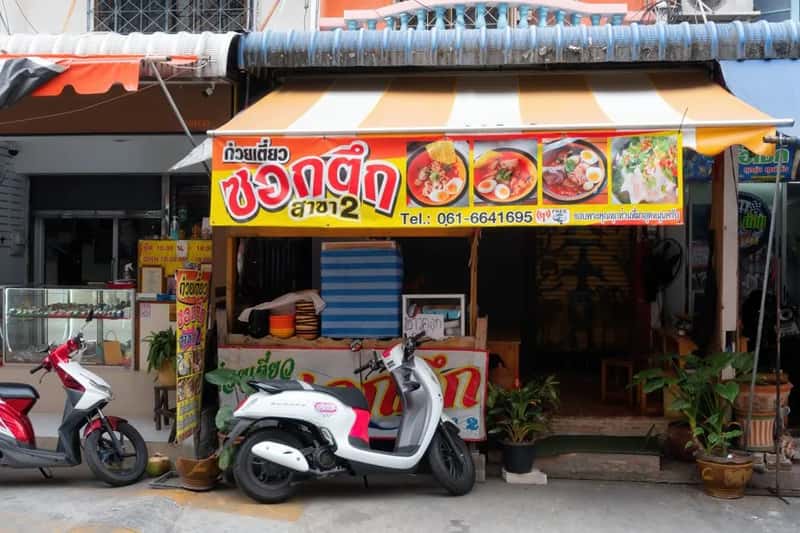
Commenting on how affordable a destination is might seem harmless, but it can sting for locals who are dealing with the real economic pressures behind that “cheapness.” What feels like a bargain to a visitor with a stronger currency often reflects lower wages, currency devaluation, or economic hardship for the people who live there. Countries like Vietnam, Egypt, and Argentina frequently top budget travel lists, yet residents dealing with inflation or wage stagnation rarely find that framing flattering.
This comment also reduces an entire nation’s economy to a shopping discount, which feels dismissive to people who see their home as more than a bargain destination. If you want to talk about value, it’s better to express appreciation for what your money supports, like local businesses or artisans, rather than framing the whole country as a discount bin. A little sensitivity goes a long way when discussing money differences between visitors and residents.
2. “You Speak English So Well!”

This one is almost always said with good intentions, but it often lands as backhanded. Many people around the world grow up bilingual or multilingual as a normal part of education, not as an impressive feat reserved for special occasions. In countries across Scandinavia, the Netherlands, and much of Southeast Asia, English proficiency is simply part of standard schooling rather than a rare accomplishment.
Expressing surprise at someone’s fluency can unintentionally imply low expectations about their intelligence or education based on nationality or appearance. A better approach is to simply engage in conversation without commentary on their language skills, unless they bring it up themselves. If you do want to acknowledge it, framing it as gratitude for being able to communicate easily is far less patronizing than framing it as astonishment.
3. “This Is Nothing Like What I Expected”

Travelers often arrive with images shaped by movies, social media, or outdated stereotypes, and then feel compelled to announce when reality doesn’t match the fantasy. Saying this out loud to a local can feel like you’re blaming them for not living up to a caricature of their own culture. Whether it’s expecting extreme poverty, exotic chaos, or a theme-park version of tradition, these expectations are rarely fair to the actual people living ordinary lives there.
Every place has its own complexity, and locals are understandably tired of being compared to a fictionalized version of their home. Instead of voicing disappointment or surprise about the gap between expectation and reality, it’s more respectful to simply observe and learn without loudly narrating your assumptions. Curiosity is welcome; running commentary on shattered stereotypes is not.
4. “We Don’t Really Have Poverty Like This Back Home”
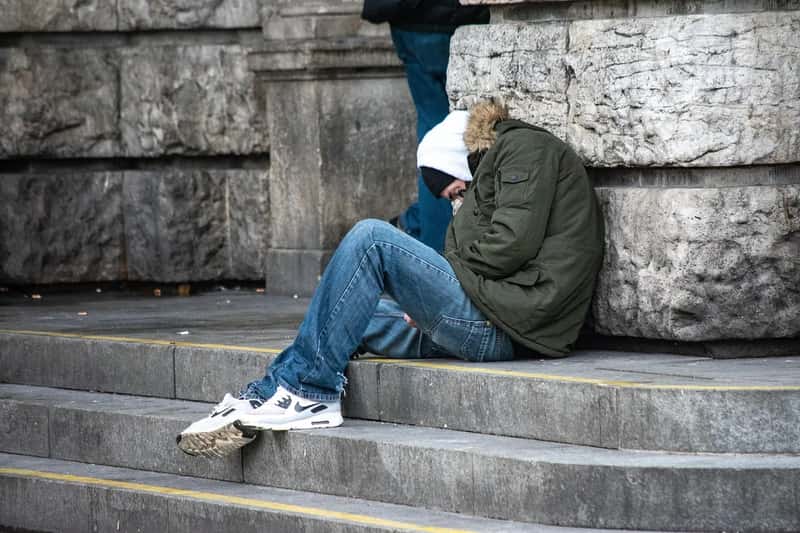
This comment tends to surface when travelers encounter visible inequality in destinations they’re visiting, and it almost always comes across as tone-deaf. Poverty exists everywhere, including in wealthy nations, it’s simply distributed and hidden differently depending on housing policy, social safety nets, and urban planning. Comparing a destination unfavorably to one’s home country ignores the complexity of global economics and can feel deeply condescending to locals navigating their own systems.
Such statements can also erase the resilience, community networks, and dignity that exist within communities facing economic hardship. Rather than making comparisons, it’s more constructive to educate yourself about the historical and political context behind what you’re seeing. Supporting local businesses or ethical tourism initiatives says more than any comment about poverty ever could.
5. “Isn’t It Dangerous Here?”
Asking this question, especially within earshot of locals, can feel insulting when it’s based on outdated news coverage or blanket stereotypes about entire regions or continents. Countries throughout Latin America, the Middle East, and Africa are frequently painted with a single broad brush despite enormous variation in safety between cities, neighborhoods, and even streets. Locals often find themselves defending their home against fears shaped by sensationalized media rather than lived reality.
Safety concerns are valid and travelers should absolutely do their research, but framing it as a direct question to a resident implies suspicion about their entire way of life. It’s more productive to ask specific, practical questions like which neighborhoods to avoid at night rather than broadly questioning whether their country is inherently dangerous. This distinction shows respect while still allowing you to travel smart.
6. “Why Don’t You Just Do It the Way We Do?”
Few things frustrate locals more than tourists who treat cultural differences as problems to be solved rather than simply different ways of living. Whether it’s meal times, business hours, queueing habits, or social customs, suggesting that another country should adopt practices from your home nation is inherently dismissive. This mindset assumes one’s own cultural norms are the default or superior standard, which rarely goes over well with people proud of their traditions.
Cultural practices often exist for historical, climate-related, or social reasons that aren’t always obvious to outsiders. Siesta culture in Spain, for instance, reflects both tradition and adaptation to hot afternoon temperatures, not inefficiency. Approaching unfamiliar customs with curiosity rather than critique tends to earn far more goodwill than suggesting locals change their ways to suit visitor convenience.
7. “You’re So Lucky You Get to Live Here”
This comment usually comes from admiration, often said while standing somewhere postcard-worthy like a beach in Bali or a hillside town in Italy. Still, it can feel dismissive of the everyday realities locals face, including high costs of living driven partly by tourism, housing shortages, or job markets that don’t match the leisure image visitors see. Popular destinations like Barcelona and Venice have seen real tension between residents and tourism growth, with locals protesting overcrowding and rising rents in recent years.
Living somewhere beautiful doesn’t erase the ordinary struggles of daily life, from traffic and bureaucracy to economic pressure and the strain that mass tourism can place on infrastructure. Framing someone’s home purely as a vacation fantasy overlooks the full picture of what it’s actually like to live there year-round. A more thoughtful approach is to ask genuine questions about their experience rather than assuming their life mirrors your two-week holiday.
None of these missteps make someone a bad traveler. Most tourists say at least one of these things without realizing how it might be received, and locals in heavily visited destinations have generally learned to shrug it off. Still, being mindful of these comments can make a real difference in how you’re perceived and how genuinely you connect with the people you meet along the way.
Good travel isn’t just about the sights you see, it’s about the respect you carry with you. A little awareness before you speak can turn a forgettable tourist encounter into a real moment of connection, and that’s usually the kind of memory worth bringing home.