
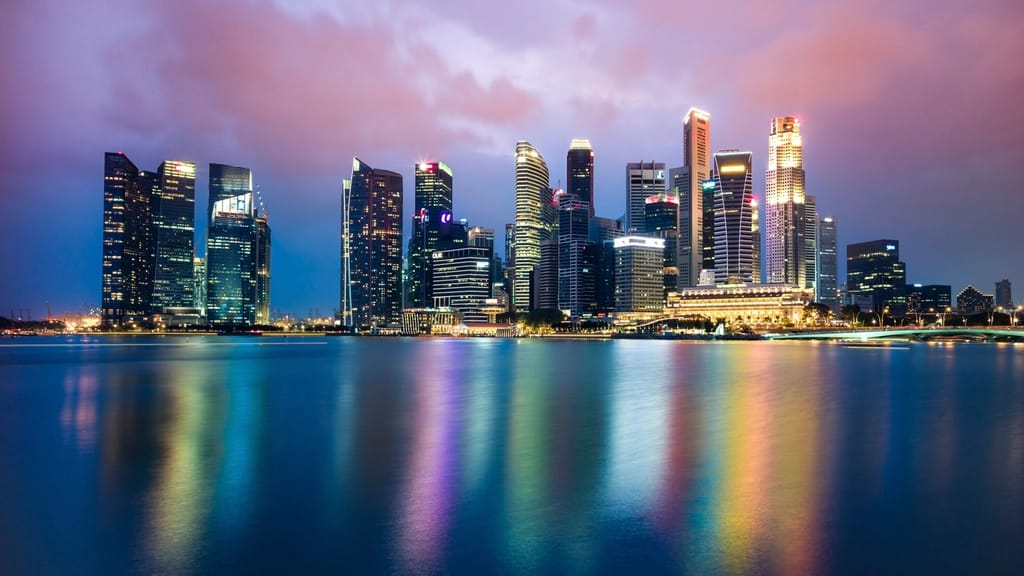
Go back to 1726 and try to find some of today’s most popular destinations on a map. You wouldn’t. Italy was a patchwork of kingdoms, republics and papal lands. Germany was a crowd of states under a loose empire, and Canada was a set of colonial claims.
That makes these countries young in political terms, even when the places and cultures inside them are very old. Here are seven you can visit today, each with a short look at when it took shape and what travelers find there now.
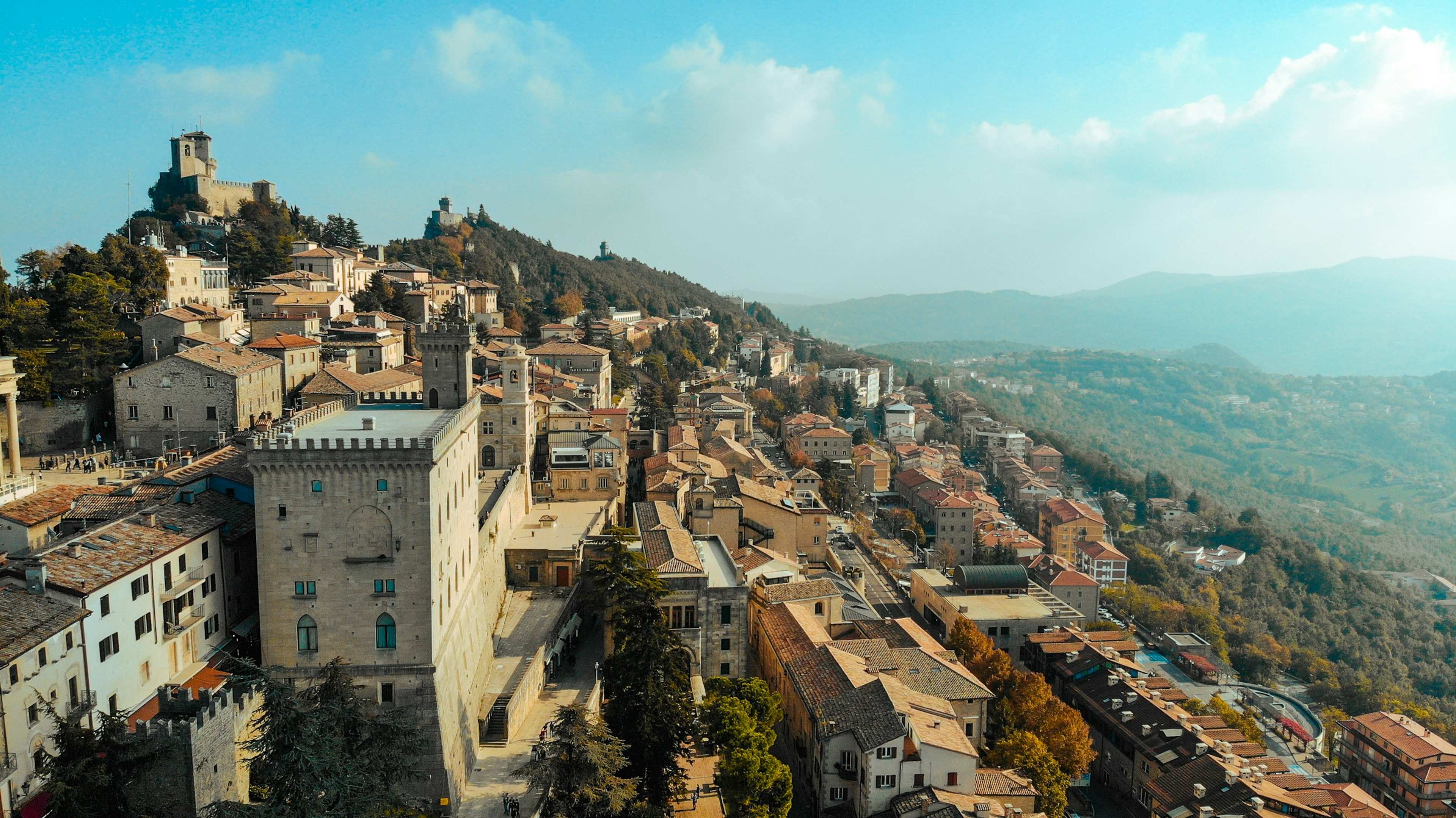
Italy: Unified in 1861
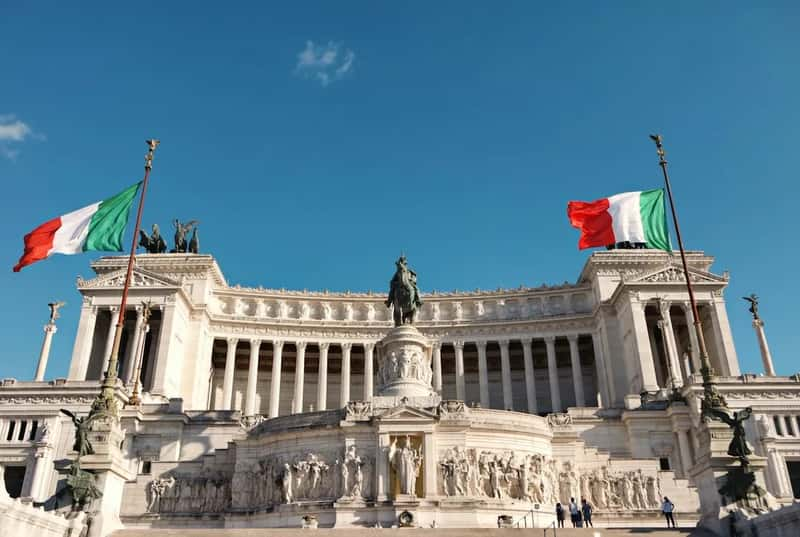
Three centuries ago, the Italian peninsula was divided among powers such as the Republic of Venice, the Papal States, the Habsburg lands and the Spanish Bourbon south. The Kingdom of Italy was proclaimed in 1861, and Rome joined it as the capital in 1871. A traveler from 1726 would have needed a different set of coins, and sometimes a different passport, every few days.
That history still shows in the food, dialects and architecture. Venice feels nothing like Naples, and Turin feels nothing like Palermo. Venice began charging day visitors an entry fee on selected dates in 2024 to manage crowds, so check the calendar before a day trip.
Germany: A Nation Declared in 1871
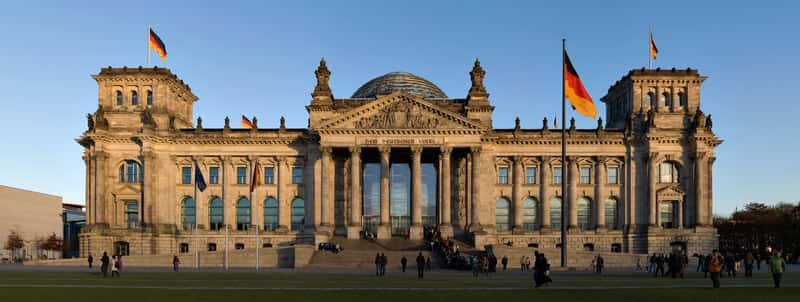
In the early 1700s, the German lands belonged to the Holy Roman Empire, a loose structure made up of hundreds of territories. Modern Germany was proclaimed as an empire in 1871 under Prussian leadership. Its present borders and democratic form came much later, after the twentieth century’s upheavals.
Visitors are still arriving in large numbers. Official figures showed about 497.5 million overnight stays in 2025, a record.[1] Foreign tourists made up about 16.8 percent of those nights.[1] The Netherlands is the biggest foreign market.[2]
Canada: Confederation in 1867
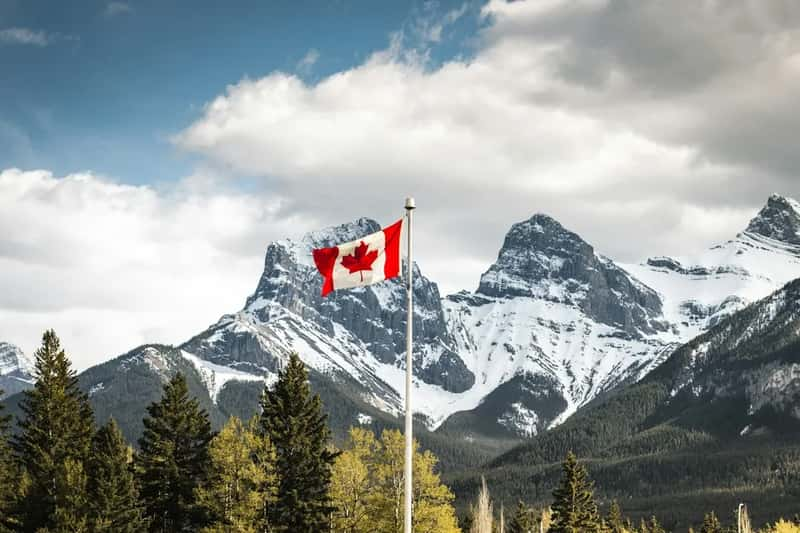
In 1726, what we now call Canada was a mix of French and British colonies and Indigenous nations. The country itself began on July 1, 1867, when Ontario, Quebec, Nova Scotia and New Brunswick joined in Confederation. Other provinces and territories were added over the following decades.
Travelers can see the layers of that story in Quebec City’s walled old town and in the national parks of the Rockies. Indigenous cultural experiences are also growing across the country, from guided tours to museums. It’s a place where the scale of the landscape tends to surprise first-time visitors.
Australia: Federated in 1901
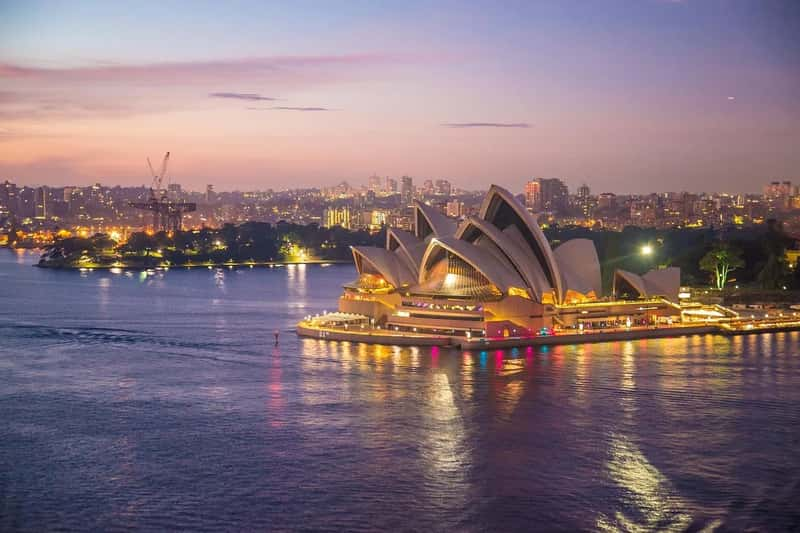
Aboriginal and Torres Strait Islander peoples have lived on the continent for tens of thousands of years. In 1726, though, the European charts of it were sketchy, built mostly from Dutch glimpses of the western and northern coasts. The modern nation formed on January 1, 1901, when six British colonies federated as the Commonwealth of Australia.
Today the draw is variety. You can move from Sydney’s harbor to the reefs of Queensland and the red desert around Uluru in a single trip. Distances are huge, so most visitors plan domestic flights and pick a region rather than trying to see everything.
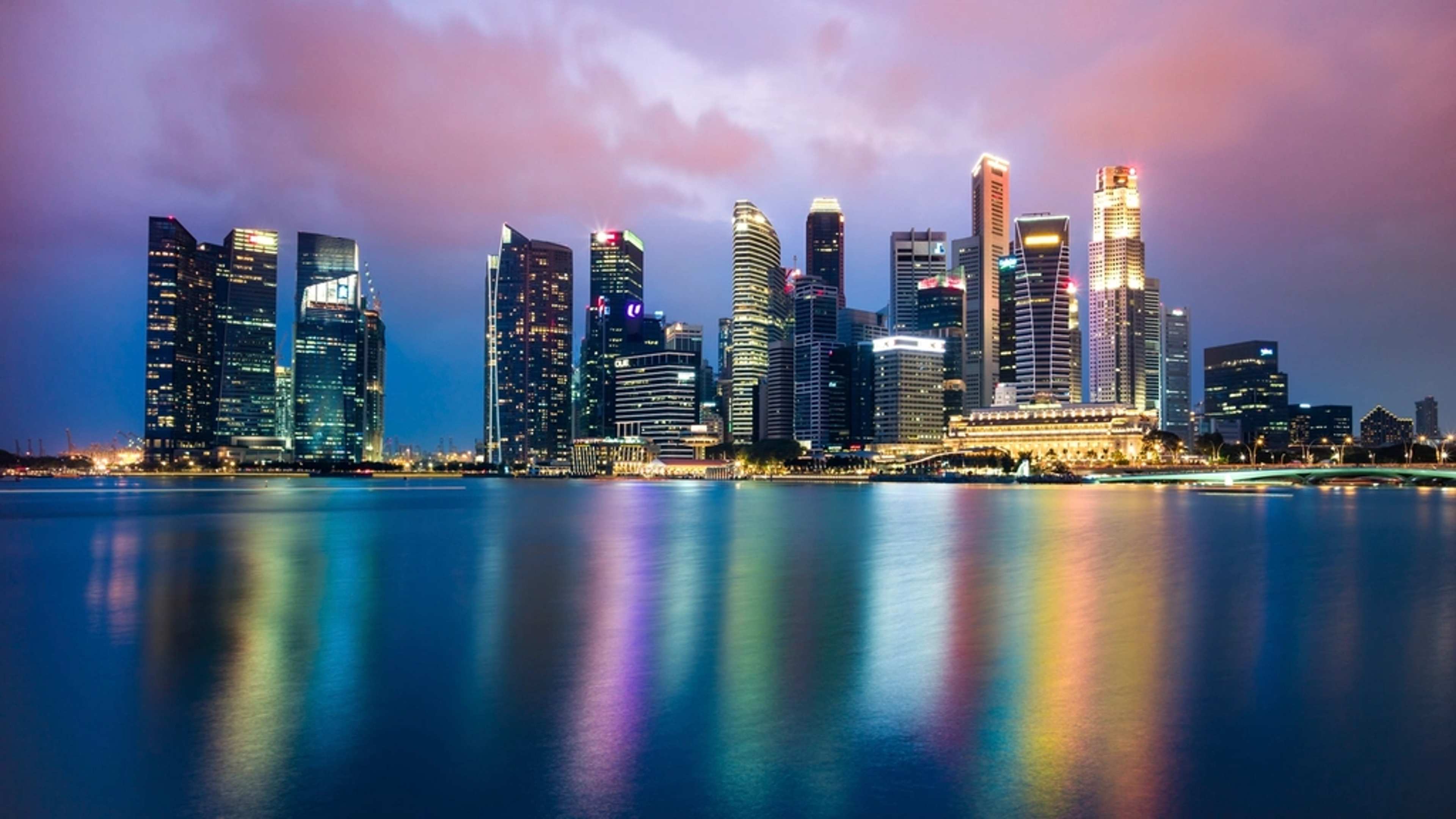
Singapore: Independent Since 1965
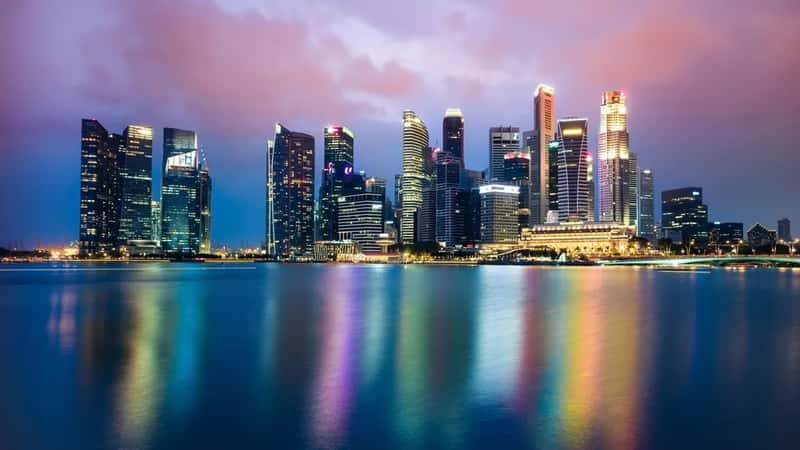
Singapore has a longer history as a trading port, but it only became a sovereign country on August 9, 1965, after separating from Malaysia. It’s a city and a nation at once. The scale is small, but the visitor numbers aren’t.
Singapore welcomed 16,912,283 international visitors in 2025, and tourism receipts hit a record S$32.8 billion.[3] The pre-pandemic peak was 19.1 million visitors in 2019.[4] Hawker centers, Gardens by the Bay and Changi Airport’s connections make it an easy first stop in Southeast Asia.
Slovenia: Independent Since 1991
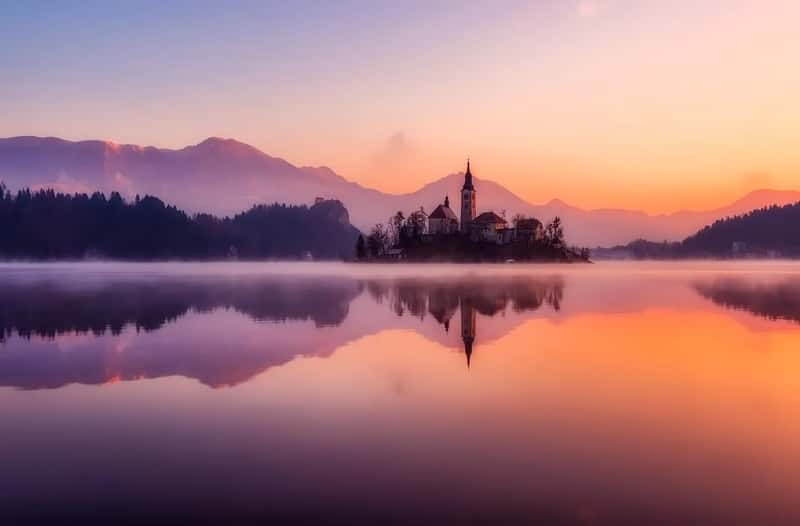
Around 1726, the land that is now Slovenia sat inside the Habsburg domains. Later it became part of Yugoslavia. The country declared independence in June 1991 and joined the European Union in 2004.
It’s small, green and increasingly popular. Nearly seven million tourists visited in 2025, generating almost 17.8 million overnight stays.[5] Germans generated the most foreign overnight stays, more than two million.[5] Ljubljana alone accounted for about a fifth of all overnight stays in December 2025.[6] Lake Bled and the Adriatic town of Piran are the other big draws.
Timor-Leste: Restored Independence in 2002
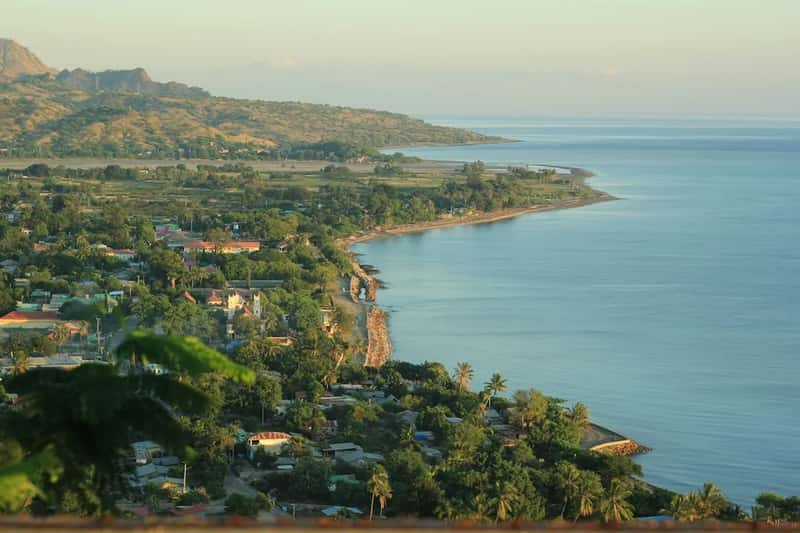
Portugal ruled Timor-Leste for three centuries until 1975, and Indonesia then annexed it.[7] The country gained independence in May 2002.[7] That makes it the youngest country on this list, and it hasn’t yet been overrun by tour buses.
Its profile rose in late 2025. On October 26, 2025, Timor-Leste became the eleventh member of ASEAN.[8] It has about 1.4 million people.[8] Travelers usually head for the capital Dili, the diving around Atauro Island and the mountain hikes inland. Facilities are basic compared with its neighbors, so expect to plan ahead.