Vaping laws don’t line up neatly from one border to the next. A device you can buy at a corner shop in one country can lead to a fine, a confiscation, or a criminal charge in another. In some places even the flavor of the liquid is regulated.
The rules have also shifted a lot in the past two years, and 2026 has brought several notable changes. These eight countries show how varied strict regulation can be, from outright bans to pharmacy only sales and tight product limits.
Australia
Australia treats vapes as therapeutic goods, not ordinary consumer products. Since July 1, 2024, general retailers, tobacconists, convenience stores, and online vape shops have not been allowed to sell any vaping products.[1] Before that, the personal importation scheme closed on 1 January 2024.[2]
There is a legal route, though it’s narrow. From 1 October 2024, adults aged 18 and over can obtain therapeutic vapes with up to 20 mg/mL nicotine from a participating pharmacy after a pharmacist consultation.[3] Flavors for these products are restricted to mint, menthol or tobacco.[2] Illicit sales haven’t disappeared, and one industry guide reports that the Australian Border Force seized over 6 million illicit vapes in the 2024 to 2025 financial year.[4]
Singapore
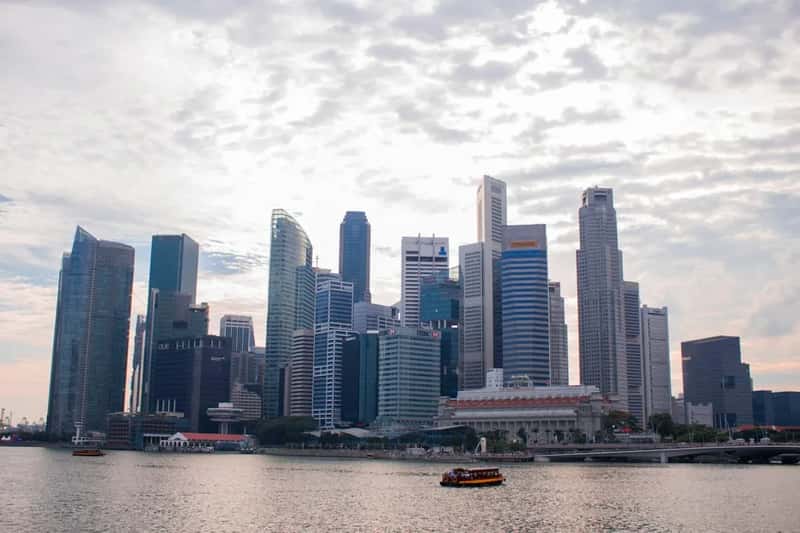
Singapore has one of the toughest regimes in the world, and it keeps getting tougher. The city-state banned the purchase, possession and use of vapes in 2018.[5] The Tobacco and Vaporisers Control Act, renamed from the earlier tobacco law on 1 May 2026, brings enhanced penalties for possession, use, import, and supply of vaporisers.[6]
Under the amendments, individual vape users face fines of up to S$10,000, up from S$2,000 previously.[7] Importers face mandatory jail terms of up to nine years and fines of up to S$300,000.[7] The law also targets Kpods, which are vapes containing etomidate. Adults who involve young people or vulnerable individuals in smuggling or supplying Kpods can face up to 20 years in jail and up to 15 strokes of the cane.[8]
Vietnam
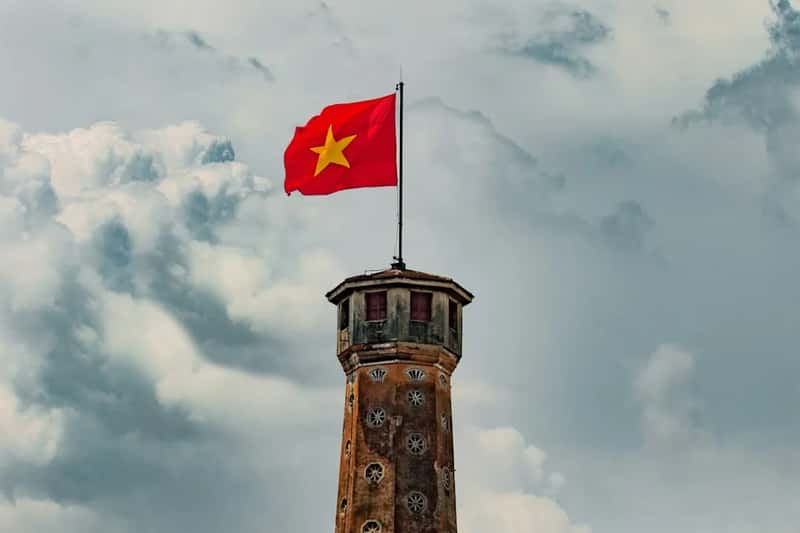
Vietnam moved from debate to enforcement quickly. Resolution 173/2024/QH15 bans production, trade, import, storage, transport, and use of these products from 2025.[9] Customs procedures for imports and exports of electronic cigarettes and heated tobacco products, including components and raw materials, stopped as of January 1, 2025.[10]
Penalties for individuals came next. A decree effective from 31 December 2025 sets fines of VND 3 million to VND 5 million for users, and property owners who permit use face higher fines.[11] In December 2025, the law banning e-cigarette and heated tobacco businesses was set to take effect on March 1, 2026, with a few provisions starting earlier or later.[12] Vietnam is the sixth country in Southeast Asia to ban these products, after Brunei Darussalam, Cambodia, Laos, Singapore, and Thailand.[11]
Thailand
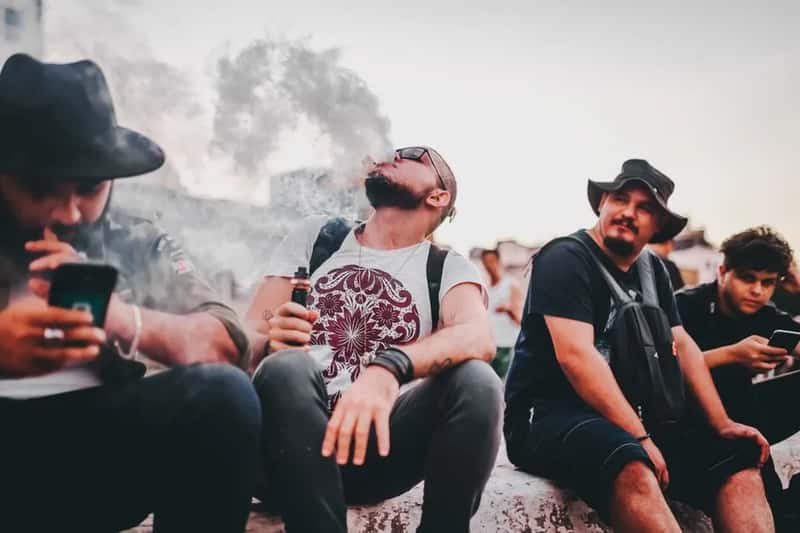
Thailand is part of the Southeast Asian bloc that prohibits these products. It was named alongside Brunei, Cambodia, Laos, and Singapore as a country banning them.[13] The ban centers on importing and selling vaping products.
Thailand is also known for enforcing the rules in front of visitors. One roundup notes that the country has detained and even deported tourists caught vaping.[14] A travel guide adds that Thai police actively search tourists in popular areas.[15] Anyone traveling there should check the current rules before packing a device.
Hong Kong

Hong Kong took a fast route from regulation to prohibition. It initially regulated such products as pharmaceuticals, then imposed a total ban within three years.[16] One 2026 guide says Hong Kong banned import, sale, and manufacture in 2022.[17]
The same guide reports that a 2026 amendment criminalized mere possession.[17] That claim comes from a single secondary source, so it’s worth confirming with the Hong Kong government before relying on it. The broader direction is clear, though. The city has moved from a health regulation approach to a strict ban.
The Netherlands
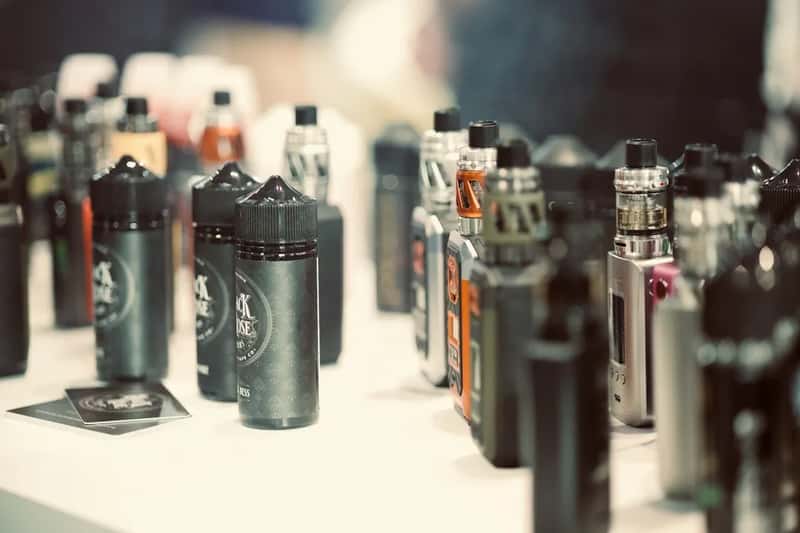
The Netherlands hasn’t banned vaping devices. It has gone after flavors instead. In January 2024 it introduced one of the toughest flavor restrictions in the world, and only tobacco flavored e-liquids are legal.[17]
The policy has divided opinion. Vape shop owners argued it would push former smokers back to cigarettes, while public health officials said sweet flavors were the main youth gateway.[17] Neighboring Denmark takes a softer line and permits only tobacco and menthol flavors.[18]
Belgium
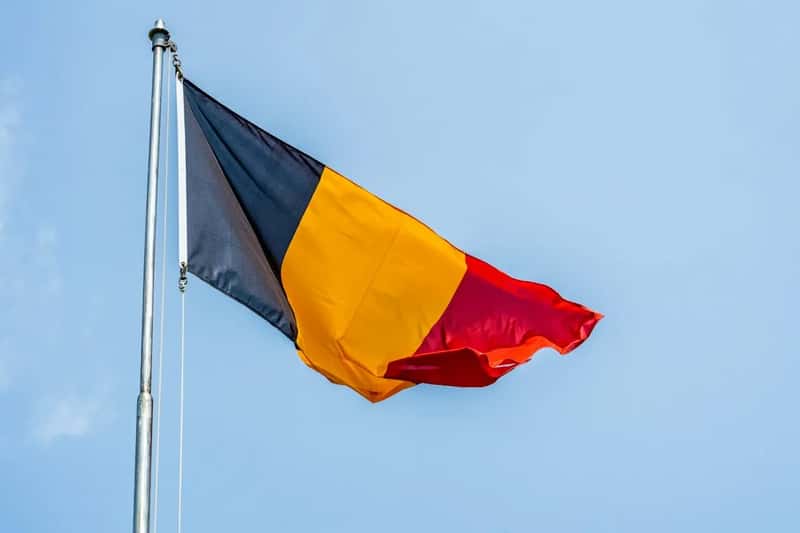
Belgium was early with a product specific ban. It became the first EU member state to ban disposables in January 2025, followed by France in February 2025.[17] The target is the cheap, colorful, throwaway device that has been closely tied to youth vaping.
The rule is narrower than a full ban. In both Belgium and France, refillable systems remain legal.[17] Adults who vape can still do so, but they have to use reusable equipment.
The United Kingdom

The UK has long promoted vaping as a way to quit smoking, so its tightening stands out. A ban on single use disposable vapes took effect in June 2025.[19] Waste was a major motivation, since roughly 8 million disposables were being binned every week before the ban.[20]
Early research suggests the ban mostly changes what people buy rather than whether they use nicotine. One study of regular disposable users found most planned to switch to reusable or rechargeable devices, while a smaller number said they might return to or increase cigarette smoking.[19] The full effects will take more time to measure.