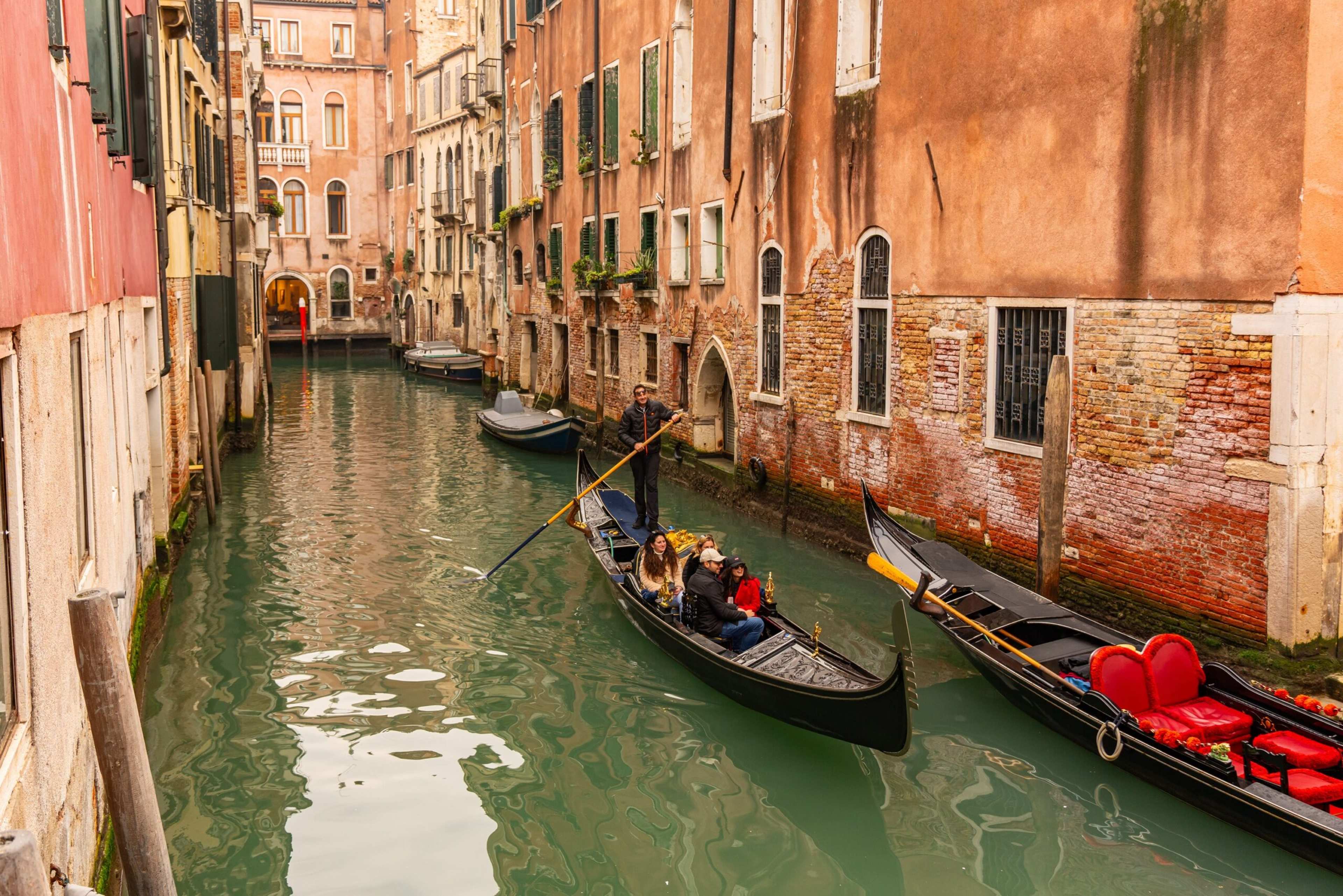
Some towns look like a storybook illustration that someone forgot to put back on the shelf. Towers lean over cobbled lanes, walls circle rooftops, and church bells still mark the hours. Most of these places are real, lived in, and older than many nations.
The eight towns below come from Germany, the Czech Republic, Belgium, Italy, France, Romania and Sweden. Each earned its fairy tale look through a different mix of luck, stubbornness, trade money and restoration. Here they are, one by one.
Rothenburg ob der Tauber, Germany
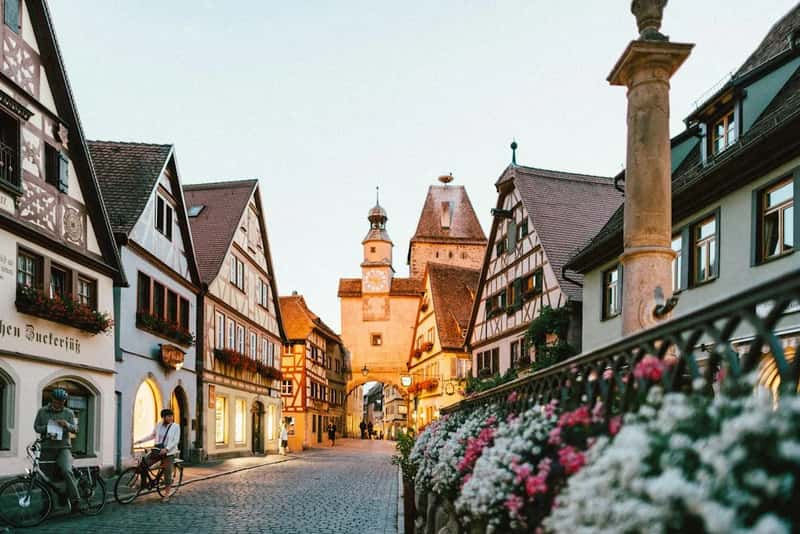
Rothenburg sits on Bavaria’s Romantic Road, and it plays the part well. Half timbered houses crowd narrow streets, and the little Plönlein junction, where two lanes fork beneath a tall gate tower, is probably the most photographed corner in town. The medieval walls still ring the old centre, and you can walk along their covered parapet for a view over the red roofs.
The town owes its preserved look partly to decline. After the Thirty Years’ War its fortunes faded, so nobody had the money to tear down and rebuild. Bombing in the final weeks of the Second World War damaged a large part of the old town, which was then rebuilt in the old style. What you see today is a careful reconstruction as well as a survivor.
Český Krumlov, Czech Republic
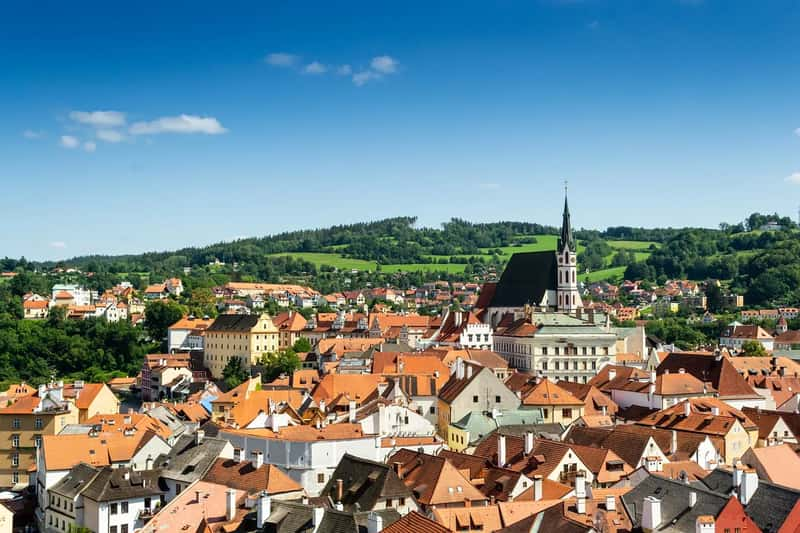
Český Krumlov folds itself around a tight bend of the Vltava River, with a castle perched on a rock above the water. The historic centre has been on the UNESCO World Heritage List since 1992. Its castle complex is the second largest in the Czech Republic after Prague Castle.
The painted Renaissance tower rises above the town, and a Baroque theatre survives inside the castle grounds. Down below, the lanes are small, crooked and easy to get pleasantly lost in. Many visitors come as a day trip from Prague, though staying overnight gives you the lanes once the tour groups have gone.
Bruges, Belgium
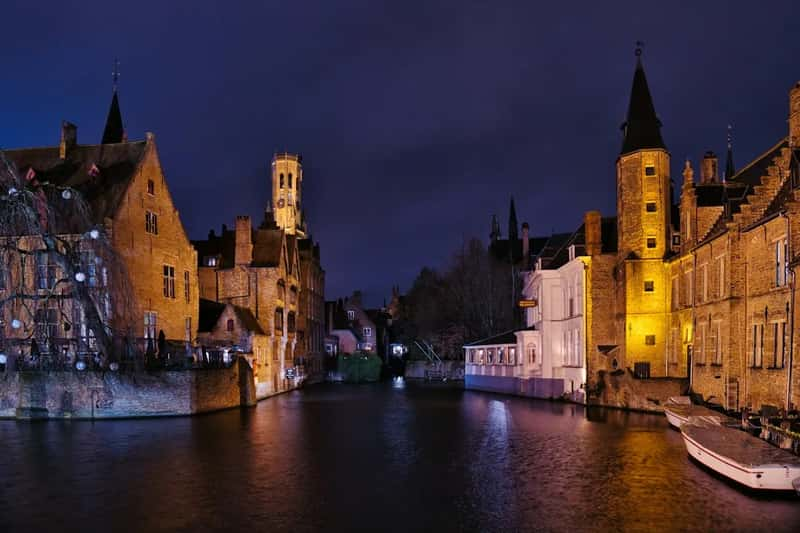
Bruges got rich on cloth and trade, then went quiet, and that quiet kept it intact. The Historic Centre of Brugge has been a UNESCO World Heritage Site since 2000.[1] Its medieval centre is laced together by 80 bridges and canals, with cobbled streets, Flemish architecture and a skyline dominated by the Belfry.[2]
The Belfry is worth the effort, as it’s 366 steps up a 13th century tower[2]. For art, the Groeninge Museum holds the city’s best collection of Flemish Primitive paintings[2]. The Begijnhof, a former home for a lay religious sisterhood, offers whitewashed houses around a quiet garden. The city is small enough to explore entirely on foot, though the cobbles can be tough going for anyone with mobility needs.[2]
San Gimignano, Italy
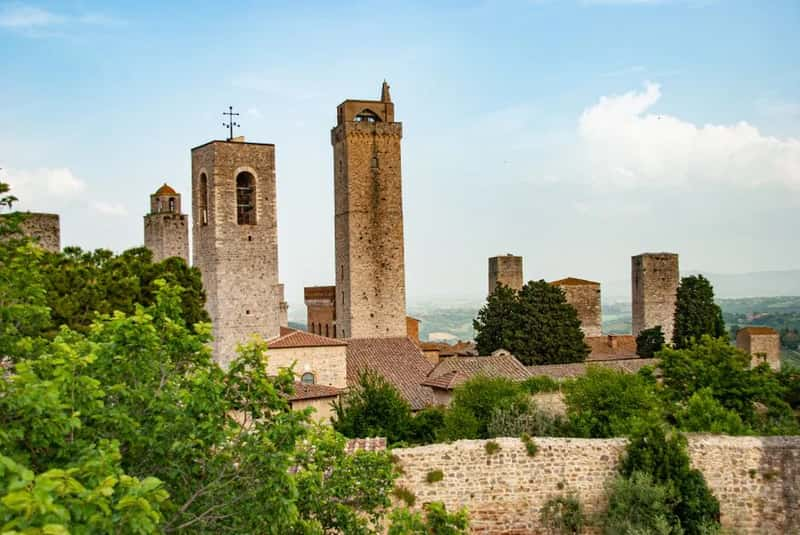
From a distance, San Gimignano looks like a cluster of stone fingers poking out of the Tuscan hills. Wealthy families built towers here in the Middle Ages to show off their status, and fourteen of them still stand. The town’s historic centre was added to the UNESCO World Heritage List in 1990.
The tallest of the survivors, the Torre Grossa, can be climbed from the town hall complex for a view across vineyards and rolling farmland. Down at street level, the lanes run between pale stone houses and small squares. The area is known for its white Vernaccia wine, which makes a fitting reward after the climb.
Carcassonne, France
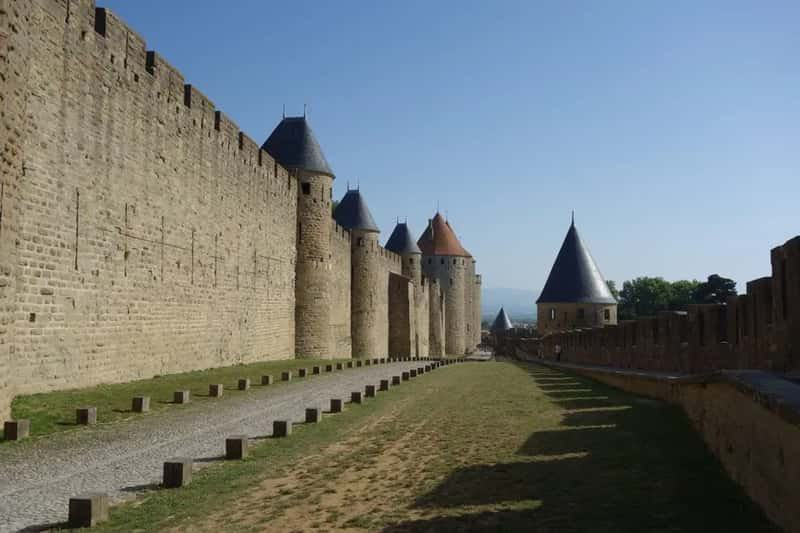
Carcassonne is the fortress most people picture when they hear the word castle. The citadel is known for its 3 kilometre double surrounding walls, interspersed by 52 towers.[3] It was added to the UNESCO World Heritage list in 1997.[3] The listing covers the hilltop Cité, but not the lower Bastide town in the valley below.[4]
Much of the look is the work of the architect Viollet le Duc, whose restoration began in 1853. The slate conical rooftops and drawbridge were among the controversial additions.[5] More recently, a two year project made the 1.5 kilometre inner ramparts fully accessible, completed in autumn 2024 and including nine of the most emblematic towers.[6] A separate application would designate Carcassonne and seven nearby 13th century fortresses as a single defensive system.[6]
Sighișoara, Romania
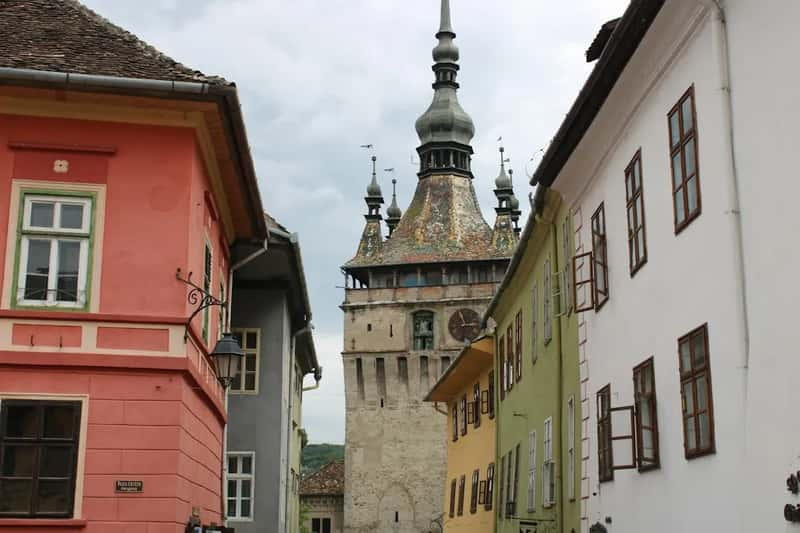
Sighișoara rises on a hill in Transylvania, crowned by a citadel of pastel houses and steep roofs. The historic centre was inscribed on UNESCO’s World Heritage List in 1999.[7] The designation recognised an 850 year old testament to the history and culture of the Transylvanian Saxons.[8]
The wall had 14 towers, nine of which are preserved to this day.[8] Many of them served as headquarters for craft guilds.[8] The Clock Tower is the landmark, the main entrance to the town and the largest of all the towers at 64 metres tall.[9] One detail sets the place apart from many walled towns: people still live in the citadel.[10]
Visby, Sweden
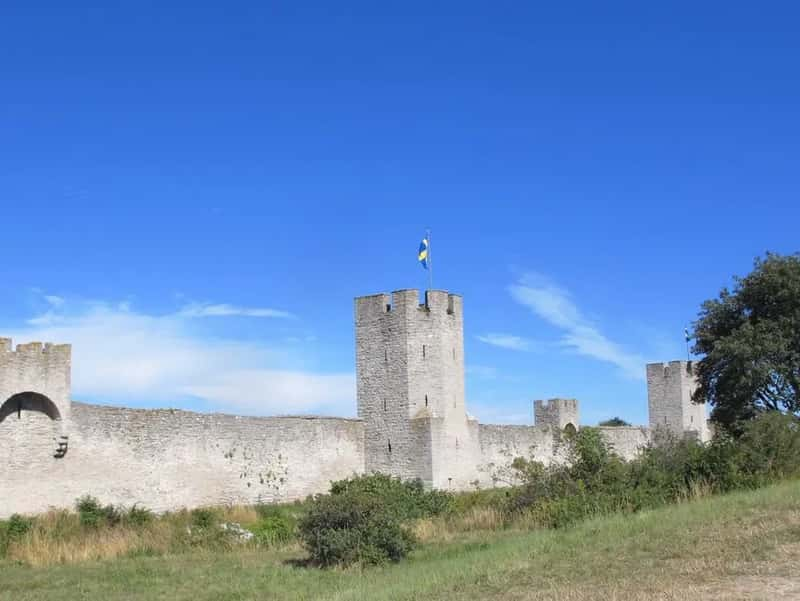
Visby was a wealthy Hanseatic trading port on the island of Gotland, and its wall tells that story. It has been a UNESCO World Heritage Site since 1995 thanks to its well preserved medieval architecture.[11] What survives is a wall of 3.4 kilometres, up to 11 metres high, with 27 of the original 29 ground towers.[12]
The wall was not only built against sea raiders. It went up in the late 13th century, paid for by Hansa trade and aimed partly at Gotland’s own farmers.[13] Inside, there are twelve church ruins[14], some roofless, and roses climb over old stone in summer. A section that collapsed in 2012 from frost damage was repaired with traditional medieval materials and techniques.[15]
Tallinn Old Town, Estonia
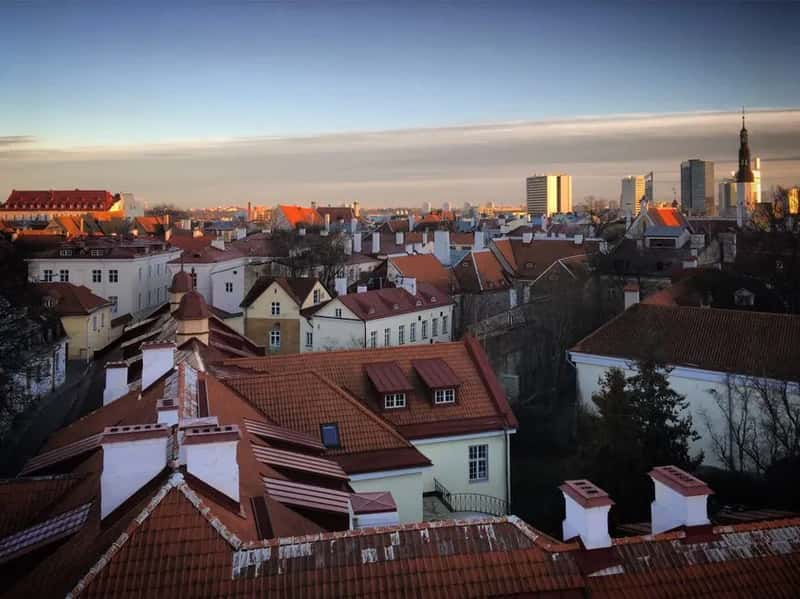
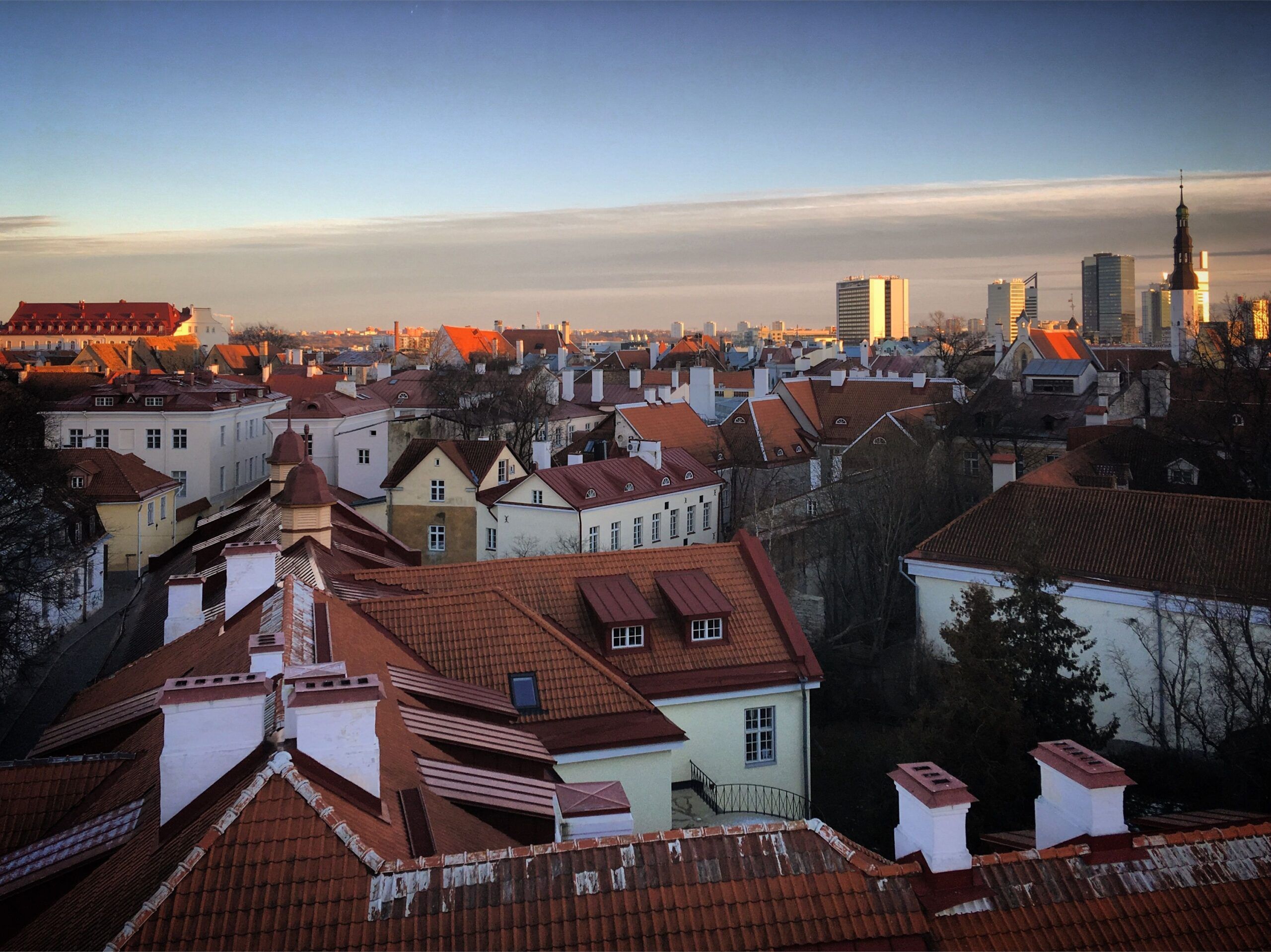
Tallinn is a capital city, yet its old town feels like a much smaller place. Its historic centre has been a UNESCO World Heritage Site since 1997, a reminder of the Hanseatic trade that once made it rich. Stretches of the town wall and several towers still stand, and some of them can be climbed.
The heart of it is Town Hall Square, ringed by merchants’ houses in warm colours. The town hall itself is Gothic and often described as the only one of its kind to survive in northern Europe. Up on Toompea hill, the lanes lead to viewing platforms that look out over steep red roofs and the Baltic beyond.