Most Americans plan a trip around flights, hotels, and a rough list of things to see. Money usually gets the least attention, and it’s often handled at the last minute. Yet small habits at checkout counters, ATMs, and airport kiosks can quietly add up over a week or two.
Many of these habits come from assumptions that work fine at home. Here are eight of the most common ones, along with what the research and official sources say about each.
Paying With a Card That Charges Foreign Transaction Fees
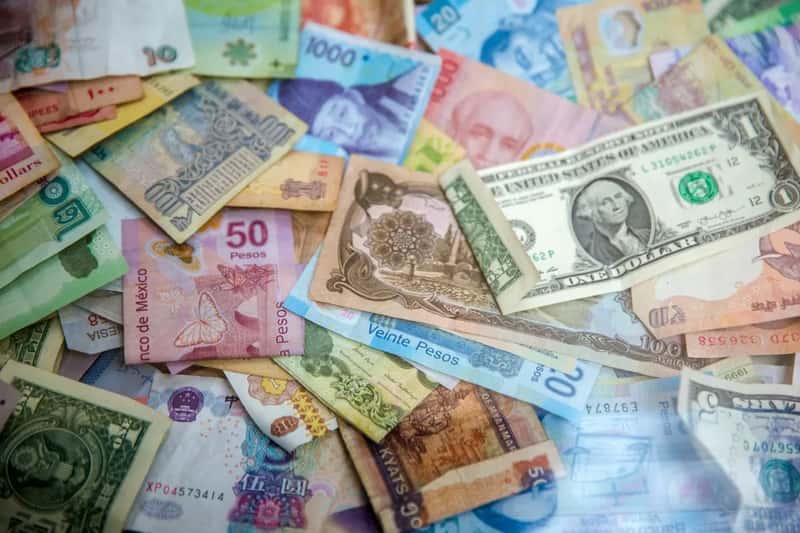
Foreign transaction fees are usually 1% to 3% of the purchase amount, with 3% being common[1]. WalletHub puts the average at 1.59% in 2026[2]. On a big purchase the cost is easy to see, since a $3,000 hotel stay could mean an extra $90 charge[1].
Plenty of people don’t know where their own card stands. A 2025 WalletHub survey found that 32% of Americans don’t know whether their credit card charges a foreign transaction fee[3], which is nearly one third. Some issuers make this simple, because Capital One, Discover and USAA don’t charge the fee on any of their cards[2]. Debit cards can carry the fee too, so check those as well.
Saying Yes When the Terminal Offers Dollars
The screen asks whether you’d like to pay in dollars, and it feels like a favor. It’s called dynamic currency conversion, and the merchant sets the conversion rate[4]. That can cost you, since it can run up to 7% above the going rate[4]. One investigation found prices increased by 2.6% to 12.0%[5].
Visa says merchants and ATMs should give you a choice and must not choose on your behalf[6]. If you feel pushed, Visa recommends declining the offer and reporting it to your card issuer[6]. If a charge shows up later at an inflated rate, you can dispute it with your issuer[4]. The safest habit is to choose the local currency every time.
Exchanging Cash at the Airport
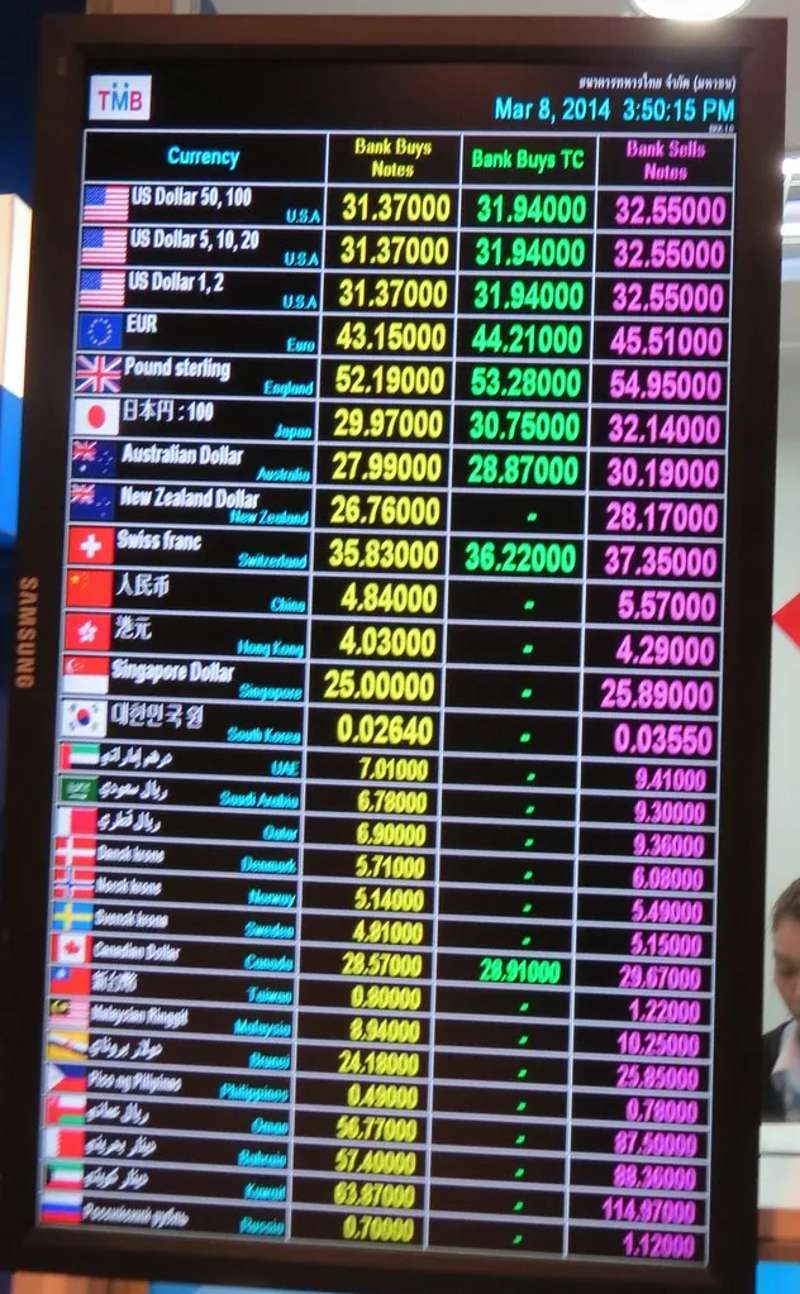
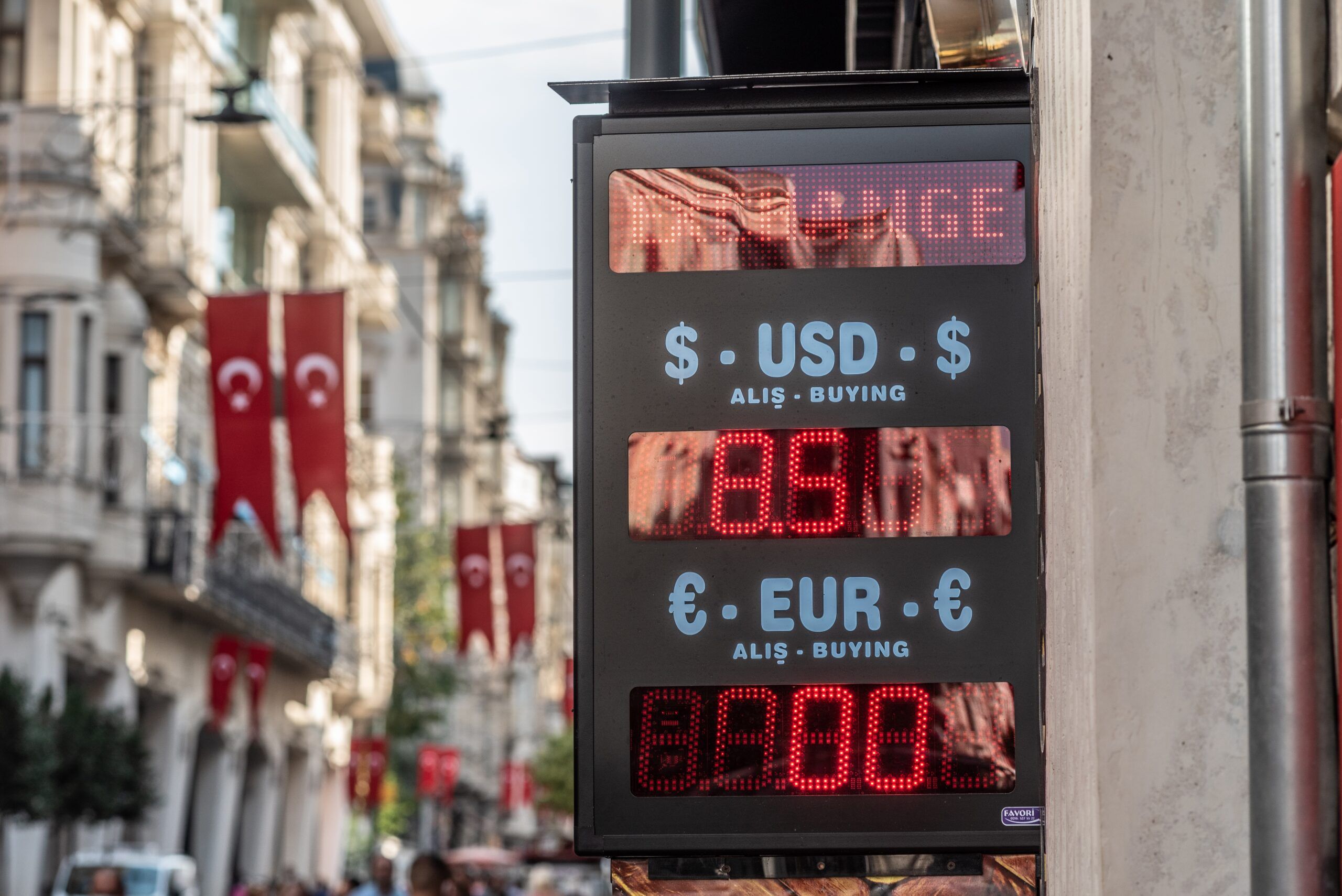
Airport counters are convenient, and you pay for that. NerdWallet found that airport exchanges often charge 14% more than the IMF exchange rate[7], and some premiums exceeded 17%[7]. Other estimates are lower, with one placing airport kiosks at 5 to 10% worse than market rates, plus fees of $5 to $15 per transaction[8]. The exact number varies, but every source points the same direction.
Part of the reason is overhead, because providers operate in high traffic, high rent locations[9]. Signs advertising zero commission don’t fix that, since you’ll still get unfavorable rates[10]. Ordering ahead is usually cheaper. NerdWallet found Bank of America’s rates in January 2024 averaged roughly 6% above IMF rates, less than half of what airport exchanges charged[7], and AAA also offers advance currency ordering[11].
Grabbing Cash From Whatever ATM Is Closest
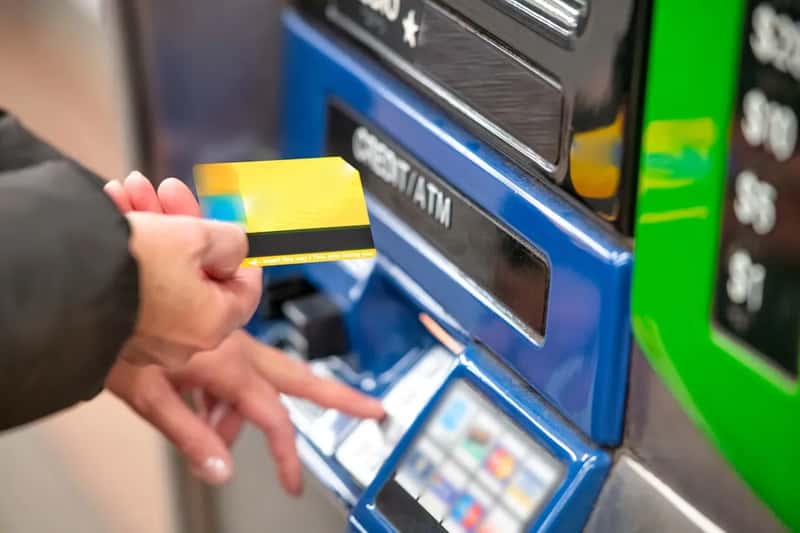
An ATM is often the best way to get local money, since it usually gives a far better rate than exchange kiosks or airport counters[12]. Which machine you pick still matters. One guide suggests using ATMs connected to major banks and avoiding standalone machines in busy tourist areas[12]. These machines can also offer the dollar conversion prompt, so the machine may let you proceed in either currency[5].
Fees can stack up quickly. Withdrawing larger amounts less often can help reduce repeated ATM fees[12], though international ATM fees and foreign transaction fees may still apply[9]. It’s worth asking your bank what it charges before you leave. Some smaller institutions offer out of network fee refunds[13], including certain credit unions.
Assuming Your U.S. Health Coverage Comes Along
The State Department states that U.S. Medicare and Medicaid do not pay for medical care outside the United States[14]. It adds that the U.S. government does not pay medical costs for U.S. citizens traveling abroad[14]. For Medicare, anywhere other than the states, D.C. and U.S. territories counts as outside the U.S.[15] The exceptions are narrow, such as a medical emergency in the U.S. where the closest hospital that can treat you is in Canada or Mexico[16].
Prescriptions are covered by the same rule. Part D won’t cover prescriptions you get outside the United States[17], and buyers at foreign pharmacies should expect to pay the full cost out of pocket[17]. Some Medigap plans do include a foreign travel emergency benefit, though one plan guide describes limits: a $250 deductible, 80% coverage, a $50,000 lifetime maximum, and the emergency must begin within 60 days of the trip[18]. If you have private insurance, ask whether it covers emergency and routine care while abroad[14].
Skipping the Travel Notice to Your Bank
Card issuers have gotten better at spotting fraud, so some travelers assume notices are outdated. One 2026 guide still recommends it, noting that fraud monitoring has improved over the years, but it is still smart to notify your bank and card providers[12]. The payoff is modest but real, since a travel notice can reduce the odds of an unexpected card decline[12].
The same guide suggests you confirm that your cards will work internationally[12] before you go. A notice isn’t a guarantee, so it helps to carry a second card from a different issuer and keep it in a separate spot. It’s also smart to save your issuer’s phone number where you can reach it without your wallet.
Buying Travel Insurance Without Checking the Medical Coverage
Many people buy a policy and assume medical bills are covered. Medicare.gov warns that travel insurance doesn’t necessarily include health insurance, so it’s important to read the conditions or restrictions carefully[15]. Humana makes a similar point, describing travel health insurance as distinct from a simple travel insurance policy, since many don’t include healthcare insurance[19]. The name on the product doesn’t tell you what’s inside.
When your regular plan falls short, the State Department suggests that you consider getting a short-term policy[14]. It also notes that some policies make direct payments to hospitals[14], which can matter when you’d otherwise pay up front. Evacuation is another gap to check. One Medigap guide points out that even with Medigap foreign travel emergency coverage, you may still want travel protection for evacuation and assistance services[16].
Landing With No Local Cash at All
Going fully cashless can backfire on the first day. One 2026 guide points out that you may need cash right away for tips, transportation, or a small purchase before you reach an ATM or your hotel[12]. A short wait at an unfamiliar airport is a bad time to be hunting for a machine.
A balanced approach works better. The guide recommends exchanging a modest amount through your bank before departure and requesting small denominations[12]. Another source notes that many travelers exchange enough to cover initial expenses like transportation, meals, and tips, then rely on cards or ATMs[9]. That amount also keeps you away from airport kiosks.