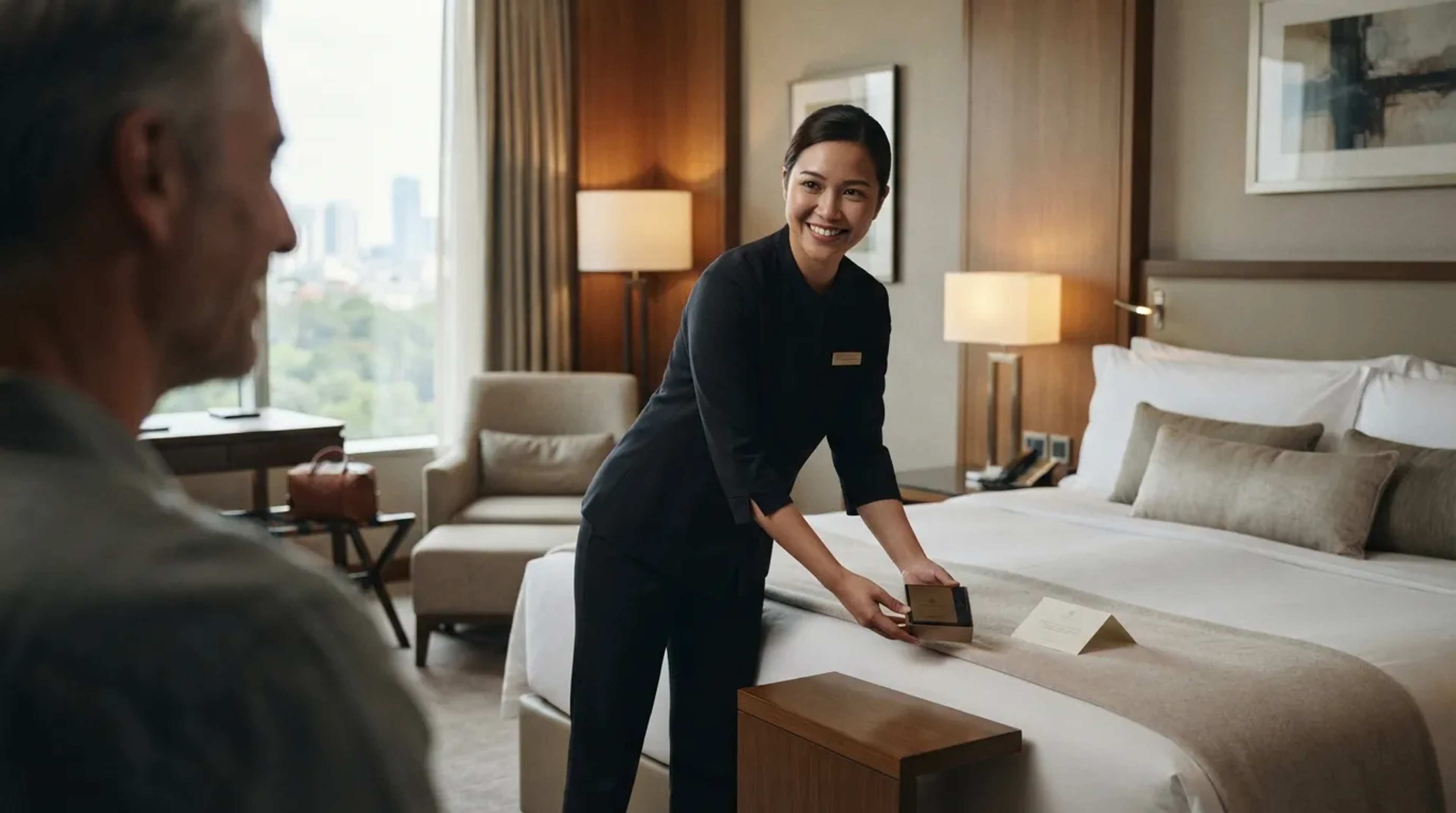
Hotel employees are trained to keep their composure no matter what a guest throws at them, but that professional veneer often hides something more honest underneath. Years of service industry conditioning teach staff to swap frustration for phrasing that sounds gracious on the surface while quietly signaling irritation to anyone who knows the code. If you have ever walked away from a front desk interaction feeling oddly uneasy despite a smile and a “no problem,” there is a good reason for that.
These verbal cues are not rude outbursts. They are small, coded phrases developed over decades of hospitality work, designed to defuse conflict without ever breaking the illusion of five star service. Once you learn to spot them, you will never hear “have a wonderful stay” the same way again.
1. “I completely understand your frustration”

This phrase sounds like empathy, but insiders often use it as a verbal reset button rather than a genuine acknowledgment. It is frequently deployed right before a staff member pivots to explaining why nothing is actually going to change about the situation. Hospitality trainers commonly teach this exact structure as a de-escalation technique, which is part of why it can feel hollow when repeated verbatim.
The tell is in the timing. If it comes immediately followed by a policy explanation rather than an actual solution, the staff member has likely mentally filed you under “difficult guest” already. It is less about validating your feelings and more about controlling the pace of the conversation before it escalates further.
2. “Let me see what I can do”
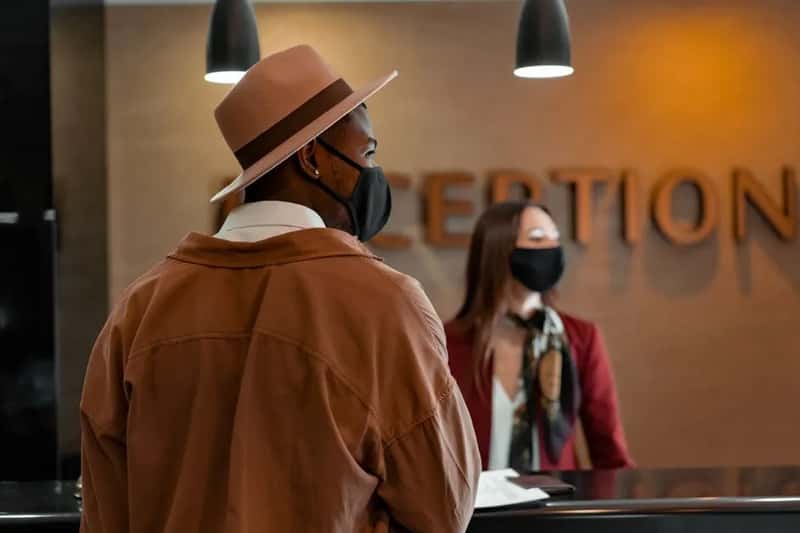
On paper, this sounds like a hopeful offer to bend the rules. In practice, many front desk agents use it as a stalling phrase while they decide whether the guest is worth the extra effort. It buys time, sounds accommodating, and rarely commits to anything specific.
Veteran hotel workers have noted in industry forums and hospitality training materials that this line often precedes a soft no rather than a yes. If the guest has already been short-tempered or condescending, staff may use the phrase simply to end an uncomfortable exchange politely rather than to signal real intent to help.
3. “I’ll make a note of that”

This one sounds administrative and reassuring, as if your complaint is being logged into some important system that guarantees follow-up. Often, it is simply a way to close out a conversation without further debate. The note may exist, but it does not always translate into action.
Hospitality staff sometimes use this phrase when a guest has raised the same issue more than once, essentially signaling that the conversation is over from their end. It is polite, procedural, and occasionally a little dismissive, especially when paired with a quick change of subject afterward.
4. “That’s certainly one way to look at it”

Few phrases in the hospitality lexicon carry as much quiet disagreement as this one. It sounds neutral, even thoughtful, but it is often a diplomatic way of saying the staff member thinks you are wrong without saying so directly. This kind of soft deflection is common in service roles where direct confrontation is discouraged.
Guests who hear this after making an unusual demand or a stretch of a complaint are typically being handled rather than agreed with. The phrase keeps the interaction civil while avoiding validation, which is exactly the point.
5. “I appreciate your patience”

This one gets used constantly, and its meaning shifts depending on delivery and timing. When a guest has waited a reasonable amount of time, it is a genuine thank you. When a guest has been waiting far too long and is visibly annoyed, it becomes a scripted line meant to smooth over a delay rather than apologize for it.
Hospitality customer service training frequently emphasizes gratitude language as a way to maintain guest satisfaction scores, even during service failures. Staff members often lean on this phrase specifically because it sounds appreciative while requiring no admission of fault.
6. “Unfortunately, that’s against our policy”
Policy language is a classic hospitality shield, and it is used constantly across hotel brands worldwide. The word “unfortunately” softens the blow, but it also subtly distances the staff member from any responsibility for the outcome. It suggests regret without actually offering flexibility.
In many cases, policies genuinely do exist for the reasons stated, particularly around safety, liability, or brand standards. Still, staff sometimes invoke this phrase for guests who have already been combative or unreasonable, using policy as a convenient and unchallengeable stopping point.
7. “We value your feedback”
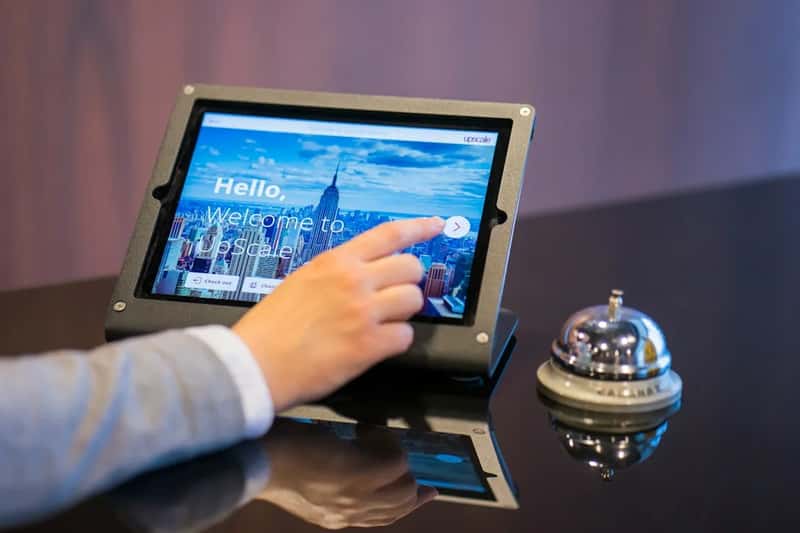
This phrase shows up constantly in post-stay surveys, review responses, and in-person conversations after a complaint. It sounds appreciative, but hospitality professionals often use it as a closing statement rather than an invitation for further discussion. Its real function is to end the conversation gracefully.
Guest experience research shows that hotels are highly attuned to online review scores, since platforms like TripAdvisor and Google directly influence booking decisions. That awareness is part of why staff are trained to respond to complaints with appreciation language, even when the actual issue goes unresolved behind the scenes.
8. “Enjoy the rest of your stay”

This closing line seems like a simple, friendly send-off, and most of the time it is exactly that. However, hospitality workers sometimes use it as a firm, polite signal that the conversation has reached its natural end, especially after a tense exchange. It functions almost like a verbal door closing.
When delivered quickly, with minimal eye contact, or right after a guest has pushed back on a decision, it often means staff are ready to move on rather than continue negotiating. The warmth of the phrase remains intact, even when the sentiment behind it has cooled considerably.
Recognizing these phrases will not necessarily change how hotel staff treat you, but it can change how you interpret the conversation happening beneath the surface. Hospitality work runs on scripted courtesy, and that courtesy is often doing more diplomatic labor than guests realize. The next time a front desk agent smiles and says something that sounds just a little too smooth, it might be worth listening for what is not being said.