Most people pull out their credit card, swipe it, and move on. Simple, right? But here’s the thing – that little piece of plastic you’re casually using to pay for coffee and groceries is very likely carrying a small arsenal of benefits you’ve never once looked at. It’s almost like having a Swiss Army knife and only ever using the tiny, dull blade.
The average cardholder leaves hundreds of dollars in unused perks on the table each year, simply because they never read their benefits guide. That’s money, protection, and convenience just sitting there, completely untouched. Let’s dive in and change that.
1. Purchase Protection: Your Shopping Safety Net
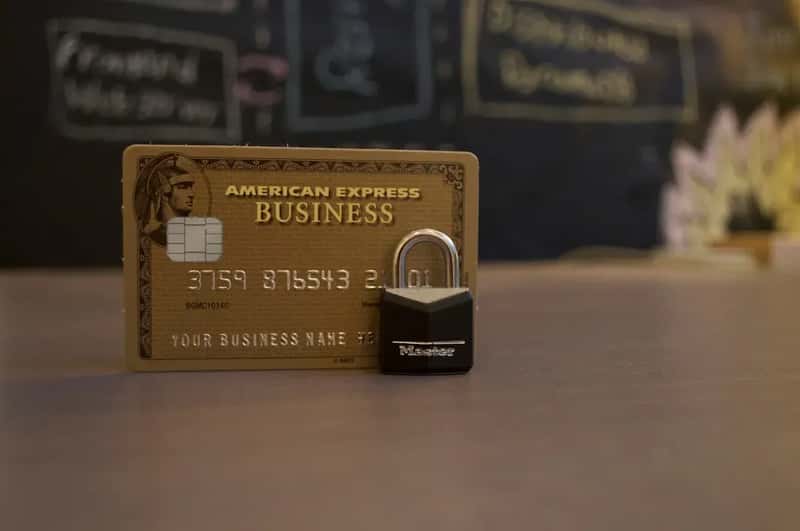
Imagine buying a brand-new laptop, dropping it two weeks later, and getting reimbursed without even involving your home insurance. That’s exactly what purchase protection is designed to do. Many credit cards offer purchase protection, reimbursing cardholders up to a set limit if an eligible item is lost, stolen, or damaged within a certain timeframe, typically 90 days.
Many mid- and high-tier cards automatically protect purchases against damage, theft, or defects, often up to 90 or 120 days after purchase. Honestly, this alone could save you a painful out-of-pocket expense. This credit card perk may also include stolen deliveries, also known as porch piracy.
Perks often go unnoticed, or they require the cardholder to opt in, register, or take some sort of action to qualify. So before anything else, crack open that benefits guide that came with your card. It might surprise you.
2. Extended Warranty Coverage: Free Insurance on Big Purchases

Every time you buy a TV, a refrigerator, or a smartphone and the cashier tries to sell you an extended warranty plan, there’s a good chance your credit card already covers it for free. Credit card extended warranties can extend manufacturer’s warranties automatically and at no additional cost, though you should understand your card’s coverage and exclusions to take advantage of the benefit.
An extended warranty typically adds between 12 and 24 months to the manufacturer’s warranty. For example, the Citi Strata Premier Card adds up to two additional years to most original manufacturer warranties, twice as long as the one-year extension typically offered by other cards.
Most Chase cards will extend eligible U.S. manufacturers’ warranties of three years or less by one additional year, and purchases made using Chase Ultimate Rewards points are also eligible, with coverage up to $10,000 per claim and up to $50,000 per account. That’s not small change. Say no to the store upsell next time.
3. Cell Phone Protection: Stop Paying for Carrier Insurance

Here’s a perk that could literally save you $200 a year right now. Card issuers often market credit cards with generous welcome bonuses or long special financing periods, but bury the details of lesser-known perks, such as cell phone protection. Most cardholders have no idea this even exists.
Some credit cards now offer cell phone protection when you use the card to pay the monthly mobile plan bill, and in many cases this perk will reimburse cardholders for the cost of repairs or replacement up to a certain limit per claim. Cardholders and employees listed on the monthly cellphone bill paid by certain cards receive up to $1,000 per claim in cellphone protection against covered theft or damage, with a maximum of three claims per 12 months with a $100 deductible.
One of the most recommended credit card perks by financial experts is cell phone protection: if you’re paying your cell phone carrier for insurance, you may want to stop, since quite a few cards offer cell phone protection when you pay your monthly cell phone bill with your credit card. The only catch? You have to actually pay your phone bill with that card. Simple, but easy to miss.
4. Travel Insurance You Didn’t Know You Had

Most people book flights and immediately look for travel insurance add-ons. Stop. Before you spend an extra $60 on that, check your card. If you’re looking for the best credit card perks of 2025, it’s time to start thinking beyond points, miles and cash back – credit cards often entice new cardholders with high-value rewards, but sometimes the real long-term value lies not in rewards but in perks and benefits.
Even if you don’t carry a “travel card,” many cashback and everyday cards offer built-in travel protection including trip cancellation insurance that reimburses non-refundable expenses if illness strikes. For example, the Chase Sapphire Reserve offers lost luggage reimbursement of up to $3,000 per passenger for lost or damaged luggage by the carrier.
The most common Chase travel insurance benefits are rental car insurance and trip cancellation or interruption insurance, and some Chase credit cards also offer baggage delay insurance and travel accident insurance, but you need to pay for your travel using your Chase credit card to be eligible. That last point is key. Pay with the right card, or the protection simply doesn’t apply.
5. Price Protection: Get Refunded When Prices Drop

Let’s be real – few feelings are worse than buying something for full price and seeing it go on sale the very next week. Price protection is your revenge. It’s frustrating to buy something only to see it go on sale days later, but price protection helps cardholders make purchases with confidence – if an eligible item is purchased with the card and found advertised for less within a specified timeframe, often 60 days, the card issuer may offer reimbursement up to a specified limit.
The Wells Fargo Visa Signature card offers price protection: any eligible item purchased with the card and then found advertised cheaper elsewhere can have the differential refunded to the card for up to $250 per item and up to $1,000 per year, with reimbursement claims needing to be filed within 2 months of the purchase date.
Price protection is one of the most underrated benefits still available on select cards. It’s worth noting that not every issuer still offers it, and it has been scaled back in recent years. Still, for those whose card includes it, it’s a genuinely powerful tool – especially for big-ticket electronics purchases.
6. Airport Lounge Access and TSA PreCheck Credits

Airports are miserable. Anyone who tells you differently has clearly never been stuck for three hours in a crowded gate area eating a $17 sandwich. This is exactly where your card can quietly transform your experience. Airport lounges can make lingering around an airport worth it – they are great places to wait for your flight instead of crowding with others at the gate, and most lounges offer complimentary snacks and drinks as well as Wi-Fi.
Anyone can snag a membership at an airport lounge, but if you carry the right credit card, you may be able to walk in for free, and premium travel cards often come with airport lounge access that sometimes extends to fellow travelers as well. Access to over 1,300 airport lounges worldwide comes with a complimentary Priority Pass Select membership on certain cards, including access to every Chase Sapphire Lounge with two guests.
On top of that, frequent travelers enroll in TSA PreCheck, a program that lets you use expedited security lanes and streamlined screening at airports nationwide, with the Transportation Security Administration reporting that 99% of TSA PreCheck passengers spend less than 10 minutes waiting to get through security. Many of the best travel credit cards include statement credits to help offset the cost of Global Entry and TSA PreCheck membership. It’s a perk hiding in plain sight.
7. Rental Car Insurance: Skip the Counter Upsell

Every single time you rent a car, the person at the counter will look you in the eye and offer you collision insurance. It can add up to $20 or more per day to your total. Here’s the thing – there’s a good chance you already have coverage through your credit card. Most Visa, Mastercard, and AmEx cards include collision damage waiver coverage automatically, which applies when you decline the rental company’s insurance and pay with your card.
Cards like certain Chase business cards come with purchase protection, primary rental car insurance, roadside assistance, and travel and emergency assistance. Primary rental car coverage is particularly valuable, as it means you don’t even need to go through your personal auto insurance first.
It’s hard to say for sure how much the average person pays in rental car insurance they didn’t need, but it could easily be $50 to $100 or more per trip. The average cardholder leaves $300 worth of credit card credits and benefits unused every year. Rental car coverage is a big part of that quiet, unnecessary expense. Always check your card’s benefits guide before renting.
8. Concierge Services and Exclusive Access

Cards that come with concierge service aren’t hard to come by, but most people don’t take the time to explore the advantages of this hidden credit card perk – Visa, Citi, Amex, and Mastercard all have their own concierge services. Think of it like having a personal assistant on call, completely included in your card membership.
Beyond just travel planning, some of these services unlock genuinely rare experiences. Bank of America credit cards come with access to a program called Museums on Us, a little-known perk that can get you free admission to over 225 cultural institutions during the first weekend of each month, with one free general admission per cardholder.
In some cases, having a particular card can open up access to exclusive events or opportunities reserved for cardholders. According to JD Power’s 2024 Credit Card Satisfaction Study, users who actively engage with secondary card benefits report significantly higher satisfaction scores, largely due to feeling more “valued” by their bank. The perks are there – it’s just a matter of actually using them.
The Bottom Line: Read the Fine Print (Just This Once)

Most of us never open the benefits guide that arrives with a new card. It gets tossed aside, or quietly forgotten in a drawer. But right now, in 2026, almost 81% of adults own a credit card, and the vast majority of them are using it as nothing more than a payment tool, completely unaware of the protections and perks sitting dormant in their wallet.
The real long-term value of a credit card often lies not in its rewards but in its perks and benefits. From protecting your phone to covering your travel insurance to saving you from overpaying for a rental car, the value stacks up quickly when you start paying attention. Think of your credit card less like a plastic payment card and more like a membership with dozens of benefits you’ve never once tried to redeem.
Take twenty minutes this week and actually read your card’s benefits summary. You might find hundreds of dollars in value you didn’t know you had. What perk surprised you the most? Drop it in the comments – chances are, someone else doesn’t know about it either.