Pack your bags, check your passport, triple check your passport again. For most people, the anxious part of travel ends somewhere around the airport security line. For others, the anxiety is the whole trip, and it comes with a clinical name most of us have never heard of.
Psychologists have cataloged an entire universe of specific phobias tied to travel, and some of the terms sound like they were invented for a trivia night rather than a diagnostic manual. They are not jokes. Each one below is a recognized condition that can genuinely reroute someone’s vacation, career, or daily commute.
Hodophobia: the fear of travel itself
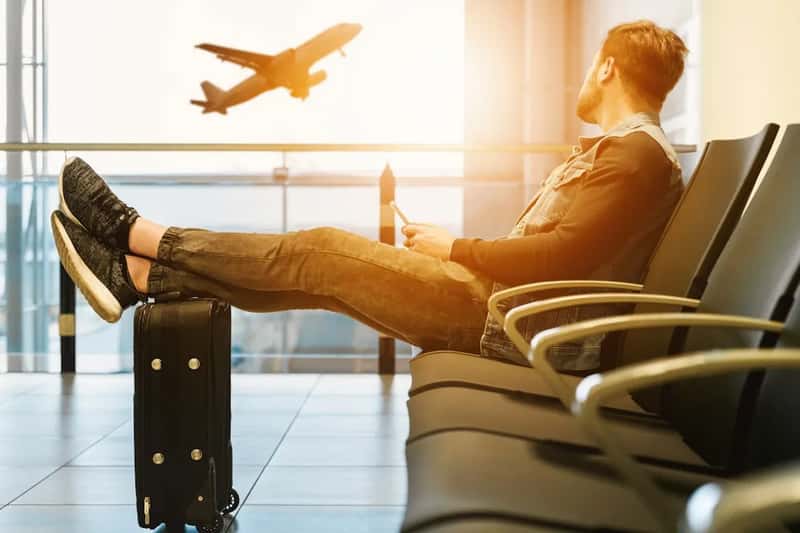
Hodophobia comes from the Greek word for road, and it describes an intense, persistent, and irrational fear of travel or a specific mode of travel[1]. It is not the same as simply disliking airports or getting nervous before a flight. Dictionary.com defines it plainly as an irrational or disproportionate fear of traveling[2], and the condition can attach itself to planes, trains, cars, or ships all at once.
People living with hodophobia often struggle with the practical mechanics of a trip, not just the idea of one. People may have a tough time navigating the airport or cruise terminal, deal with checking their luggage, follow security procedures, and wait patiently in the event of a delay.[3] The physical symptoms can be rough too, including shaking, sweating, crying, gastrointestinal distress and headaches[3]. Some research suggests travel related anxiety touches roughly one in five people at some point in their lives, even if most cases never reach full phobia level.
Gephyrophobia: the fear of crossing bridges
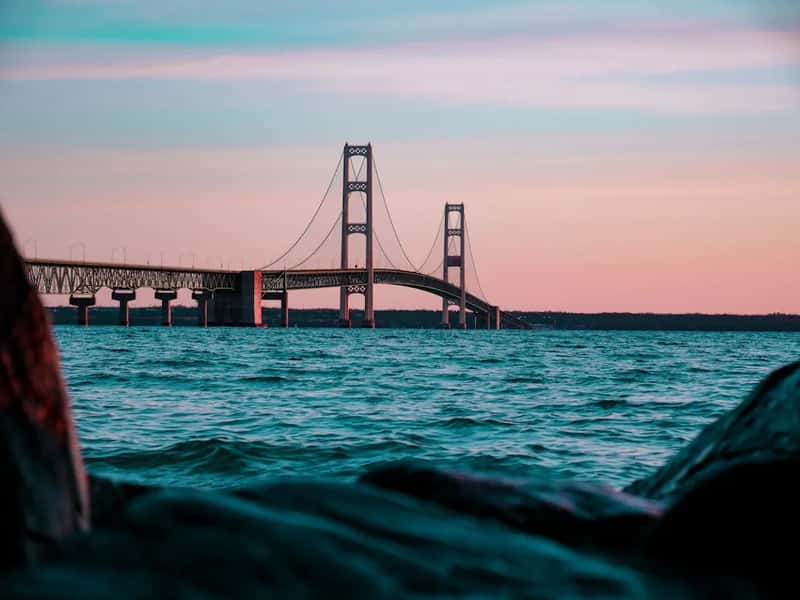
Gephyrophobia is the specific dread of driving over bridges, and it is common enough that several U.S. bridge authorities built entire programs around it. The Mackinac Bridge in Michigan is the best known example, stretching across the Straits of Mackinac with the roadway soaring more than 200 feet over Lake Michigan[4]. That height and length is part of why the bridge draws so much fear from drivers who otherwise handle regular roads without any trouble.
The Mackinac Bridge Authority now runs a driver assistance service where staff will get behind the wheel of a nervous traveler’s own car and drive it across for them. Between 1,200 to 1,400 calls are made every year to the bridge’s Drivers Assistance Program[4], and similar setups have existed at other major crossings. The Maryland Transportation Authority previously offered a similar service for crossing the Chesapeake Bay Bridge[5], and New York’s Tappan Zee Bridge has run a comparable option for decades.
Nomophobia: the fear of losing your phone connection

Nomophobia is short for no mobile phone phobia, and it describes the anxiety that kicks in when someone cannot reach or use their device. The term was coined in 2009 in the UK[6], originally to describe office workers who panicked at the thought of a dead battery, and it has only grown more relevant as travel now depends on phones for boarding passes, maps, translation apps, and hotel bookings. Losing signal in a foreign country can turn a minor inconvenience into a genuine spike of dread for people who score high on nomophobia scales.
The scale of the issue has grown well beyond a niche quirk. A global meta-analysis involving more than 30,000 participants from 18 countries found in 2025 that one in two people suffered from nomophobia[6], which suggests this is now closer to a mainstream travel anxiety than a rare condition. Earlier survey work on teenagers found the numbers even higher, with most of the teens, 77 percent, reporting anxiety when they were without their mobile phones[7].
Trypanophobia: the fear of needles before you even leave home

Trypanophobia rarely gets discussed as a travel phobia, but it belongs on this list because so many international trips require vaccinations first. Clinically, it is defined as the overwhelming, extreme fear of medical procedures that involve needles[8], and it goes well beyond simple discomfort for a meaningful share of adults. People with the condition may avoid getting vaccines, blood draws or intravenous fluids[8] altogether, which becomes a real problem when a destination requires proof of a specific shot before entry.
The scale of needle fear is larger than most people assume. Health researchers commonly cite that 25% of adults have a phobia of needles[9], roughly one in four, and separate CDC linked estimates suggest about 7% of adults avoid immunizations due to their fear[9]. For travelers heading to regions that require yellow fever or other mandatory vaccinations, that fear can quietly become a barrier to the trip itself.
Ochlophobia: the fear of crowds at tourist hotspots
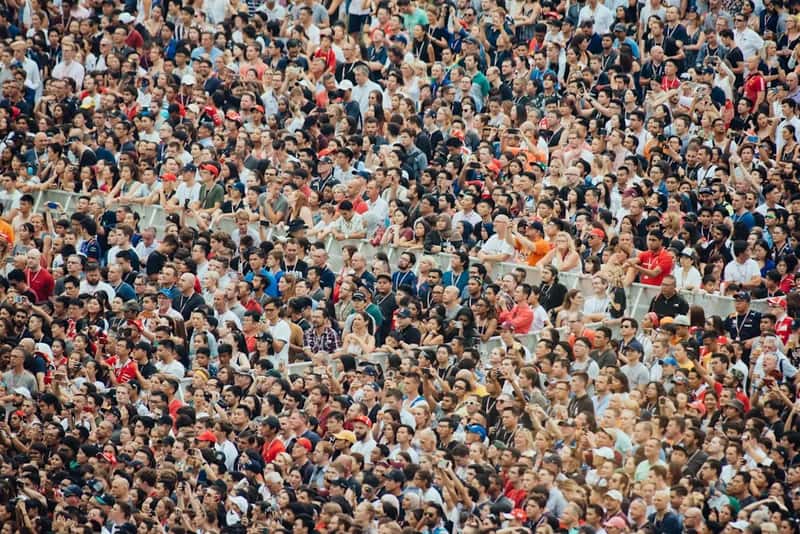
Ochlophobia is the fear of crowds or dense gatherings of people, and it can turn something as simple as a popular museum or a busy train platform into a source of real distress. The fear of crowds is known by different names such as Ochlophobia and Demophobia[10], and all describe roughly the same experience of feeling trapped or overwhelmed inside a mass of strangers. Travel is practically designed to trigger this one, given how many of the world’s most photographed landmarks are also its most congested.
Clinicians often group ochlophobia alongside a more familiar cousin. Enochlophobia is closely related to Agoraphobia, which is the fear of and desire to avoid situations wherein one believes they may be subjected to incapacitation or humiliation[10]. For a traveler with this fear, packed piazzas, holiday markets, or peak season queues at famous sites are not charming photo opportunities. They are genuine triggers that can shorten a trip or reroute an entire itinerary.
Emetophobia: the fear of getting sick far from home
Emetophobia is the fear of vomiting, and while it is not exclusive to travel, it tends to intensify the moment someone boards a plane, boat, or long bus ride. Turbulence, motion sickness, unfamiliar food, and long stretches without easy access to a bathroom all combine to make travel one of the more difficult environments for people who carry this fear. It is a recognized specific phobia in clinical literature, distinct from ordinary squeamishness, and it often develops after a single distressing episode earlier in life.
What makes emetophobia particularly disruptive for travelers is how much it shapes decision making before a trip even begins. Sufferers may avoid street food, skip boat excursions, or refuse certain medications purely because of nausea as a side effect. The anticipatory anxiety, worrying about the possibility of getting sick rather than actually being sick, can be just as exhausting as the physical symptom itself.
Xenoglossophobia: the fear of foreign languages

Xenoglossophobia describes an intense fear or anxiety tied to hearing or having to speak a foreign language. It shows up most clearly in situations where a traveler has to navigate a country where they do not speak the local language fluently, ordering food, asking for directions, or handling an unexpected problem like a missed connection. For most travelers, this shows up as ordinary nervousness, but for those with the full phobia, it can produce genuine panic before a trip that requires any language other than their own.
This phobia often overlaps with broader social anxiety, since the fear is rarely just about words. It is frequently tied to a deeper worry about embarrassment, being misunderstood, or standing out as an obvious outsider. Translation apps have eased some of this burden in recent years, though for people with a genuine phobia, technology tends to reduce the practical difficulty without touching the underlying anxiety.
Nostophobia: the fear of returning home

Nostophobia flips the usual travel anxiety script entirely. Rather than fearing the trip itself, people with this condition experience dread at the idea of going back home once the travel is over. It appears on clinical phobia lists simply as the fear of returning home[11], and it can be tied to reverse culture shock, dissatisfaction with everyday life, or anxiety about resuming responsibilities that were paused during the trip.
This one tends to surface most in long term travelers, expatriates, or people who took an extended trip during a difficult period at home. The closer the return date gets, the more some sufferers report physical symptoms similar to other specific phobias, including restlessness, low mood, and a reluctance to pack or plan the journey back. It is a reminder that fear does not always point toward the unfamiliar. Sometimes it points toward exactly what is supposed to feel safe.
These eight conditions cover a wide range of triggers, from the mechanics of a bridge to the simple act of speaking a different language. What connects all of them is how ordinary the underlying situation actually is. A bridge, a needle, a crowded square, a phone with no signal. None of it sounds frightening on paper, yet for a meaningful number of travelers, each one is capable of turning a routine trip into something to brace for.