Every year, millions of travelers slap a “fragile” sticker on a suitcase and walk away believing it will somehow protect their belongings. It rarely does. Baggage handlers who spend their shifts loading and unloading planes have a very different view of these little stickers, and it’s worth hearing what they actually think before you rely on one for your next trip.
Between automated sorting systems, tight turnaround times, and the sheer volume of bags moving through a modern airport, the reality behind that small red label is far less reassuring than most passengers assume. Here’s what people who handle bags for a living wish every traveler understood.
1. The Sticker Means Nothing to the Machines That Actually Handle Your Bag
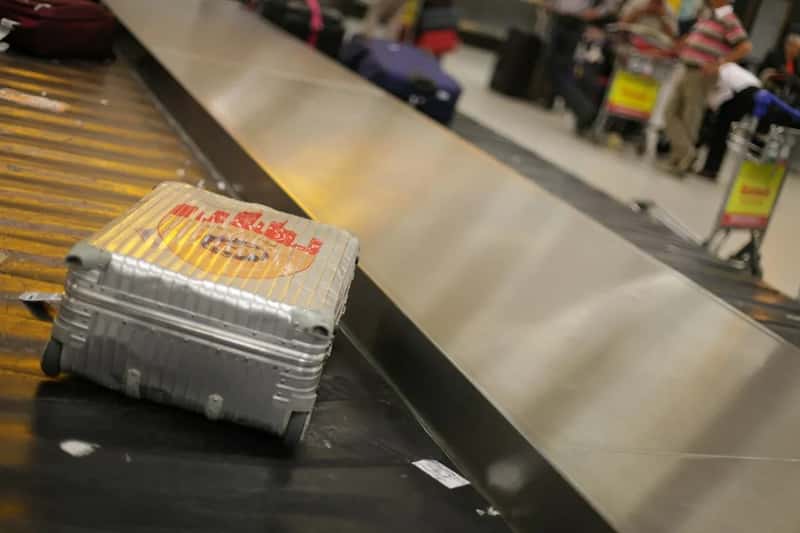
A huge portion of the journey your suitcase takes between check-in and the aircraft happens inside an automated sorting system, not in the hands of a person. Most of the real damage actually happens inside the terminal’s automated sorting system, not out on the ramp with the handlers, and a fragile sticker has zero influence over any automated system since no sensor reads “fragile” and no machine slows down for it.[1] These conveyor networks are built for speed and volume, not gentleness.
Industry insiders describe the process bluntly. One ground crew worker explained that since these machines are mindless, they kick every bag as if it is the heaviest bag that the system can handle, even bags with fragile stickers.[2] If your bag’s biggest enemy is a machine that can’t read, no amount of tape or ink is going to change its behavior.
2. Most Damage Happens Long Before a Human Ever Touches Your Bag
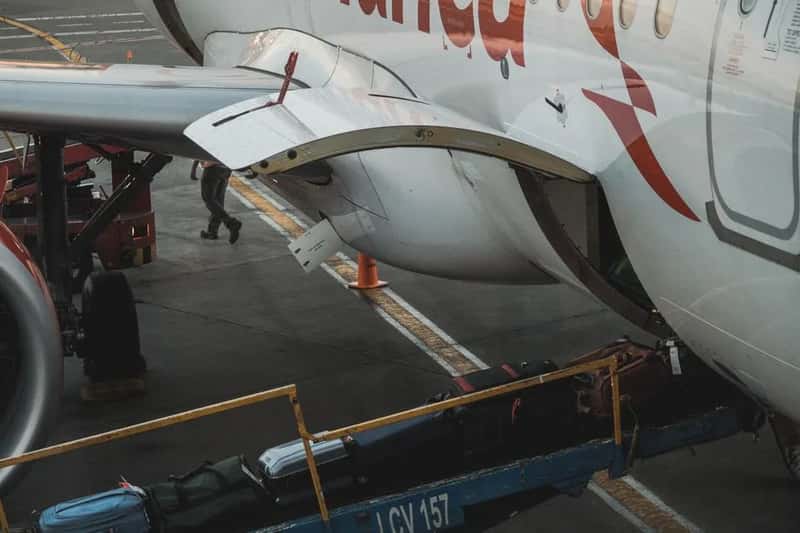
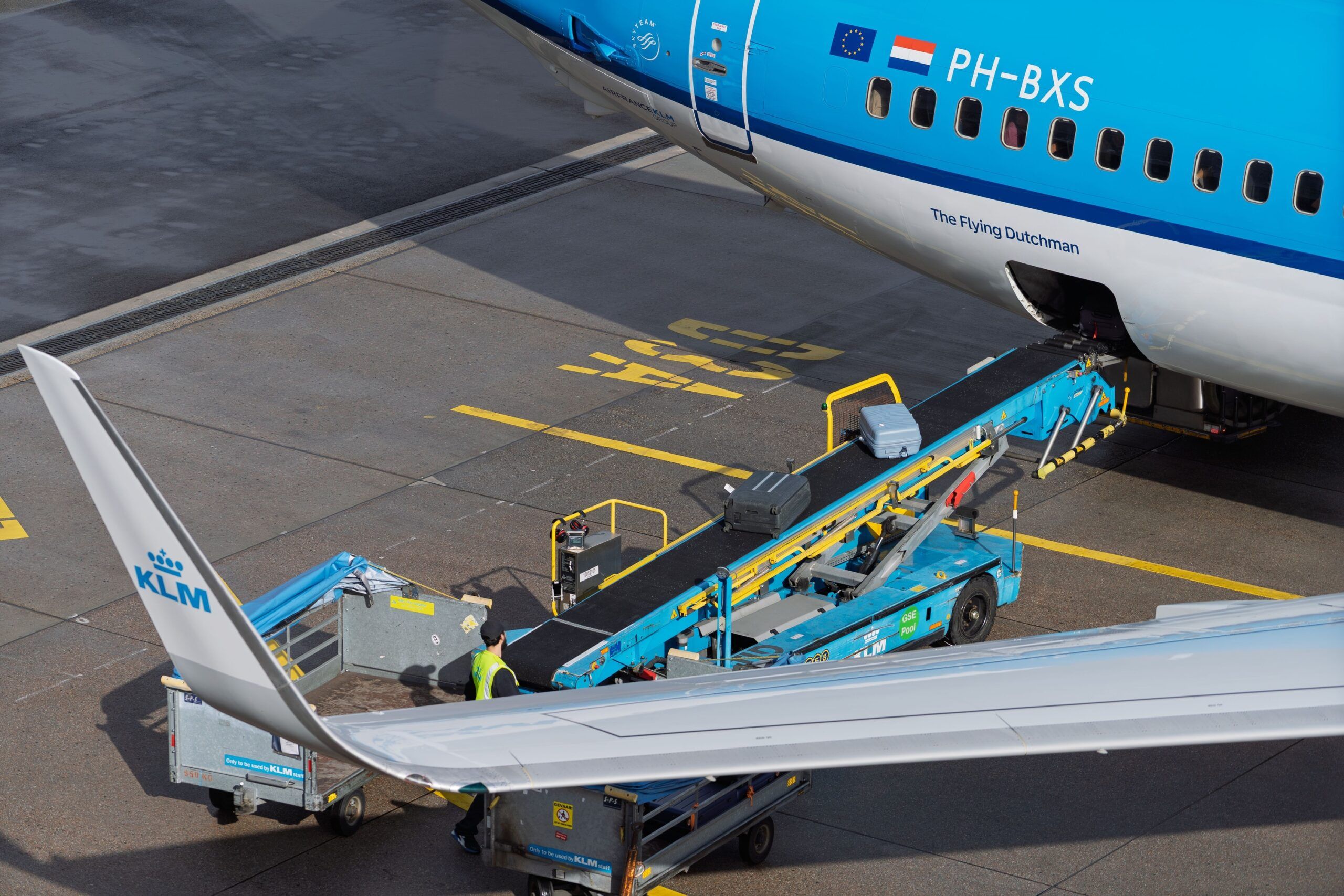
Passengers often picture their suitcase being carelessly tossed by a person on the tarmac, but that’s usually not where the trouble starts. A fragile sticker is better than nothing, but it’s unlikely to get any special treatment, since most of the damage occurs from the automated sorting machinery inside the terminal, not from the baggage handlers out on the ramp unless they drop it.[3] By the time a human handler sees your bag, it may have already survived, or not survived, the rougher part of its journey.
This matters because it reframes where your protection efforts should go. Reinforced corners, hard shells, and secure packing inside the bag do far more good than any exterior label, because they’re working against the part of the system a sticker simply cannot reach or influence.
3. Overused Fake Stickers Have Trained Handlers to Tune Them Out
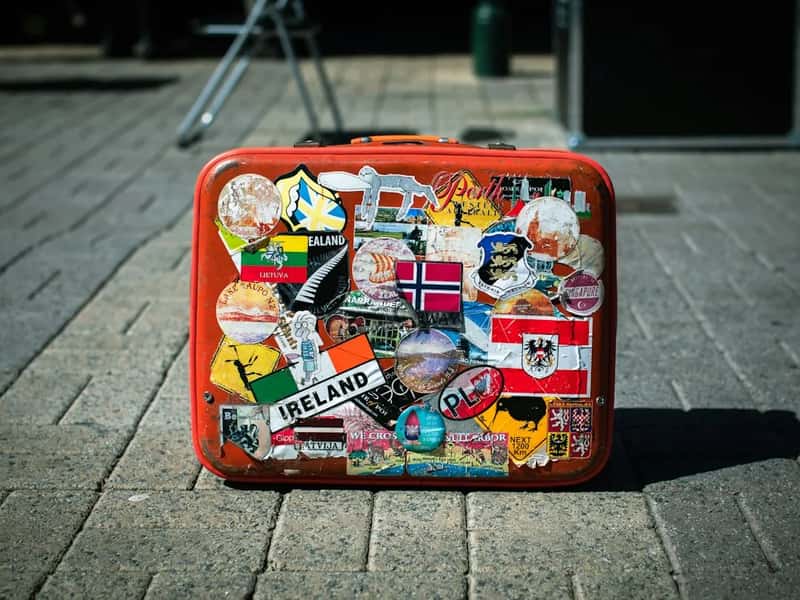
Fragile stickers have become so common, and so frequently slapped on bags that contain nothing breakable, that handlers have largely learned to ignore them. Slapping a fragile sticker on your bag often does nothing, because too many travelers use them for non-fragile items, which makes handlers ignore the label entirely.[4] When a signal loses its meaning through overuse, it stops functioning as a signal at all.
Veteran handlers back this up from years of firsthand experience. One person who worked seven years as a baggage handler said a fragile tag doesn’t mean extra care in their experience, simply because there are too many bags and too little time.[2] Add in the fact that many suitcases still carry stickers from previous trips, and a genuinely fragile bag can easily get lost in the visual noise.
4. An Official Airline Tag Can Carry More Weight Than a DIY Sticker
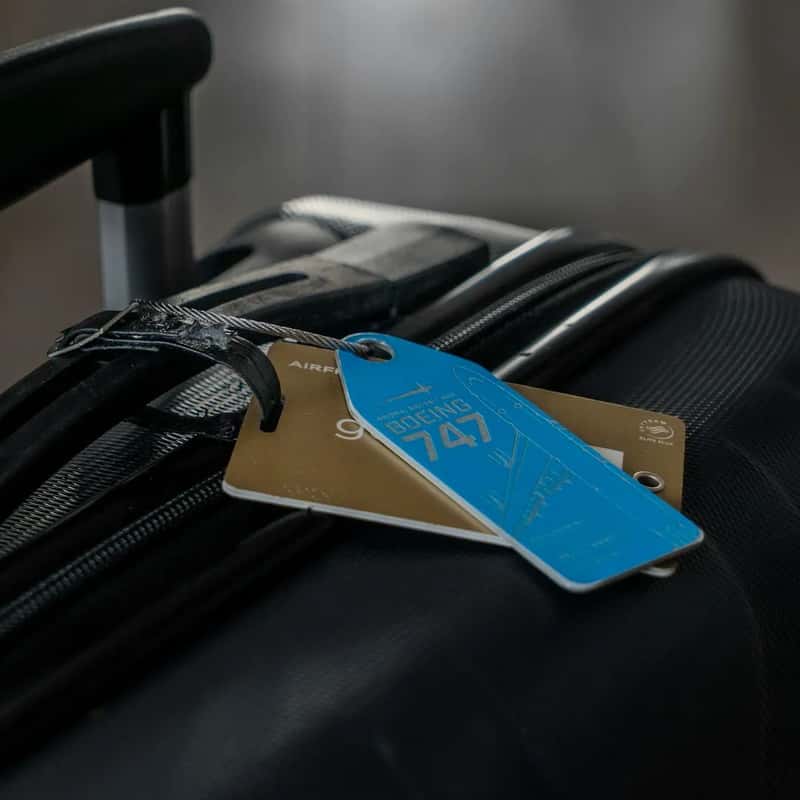
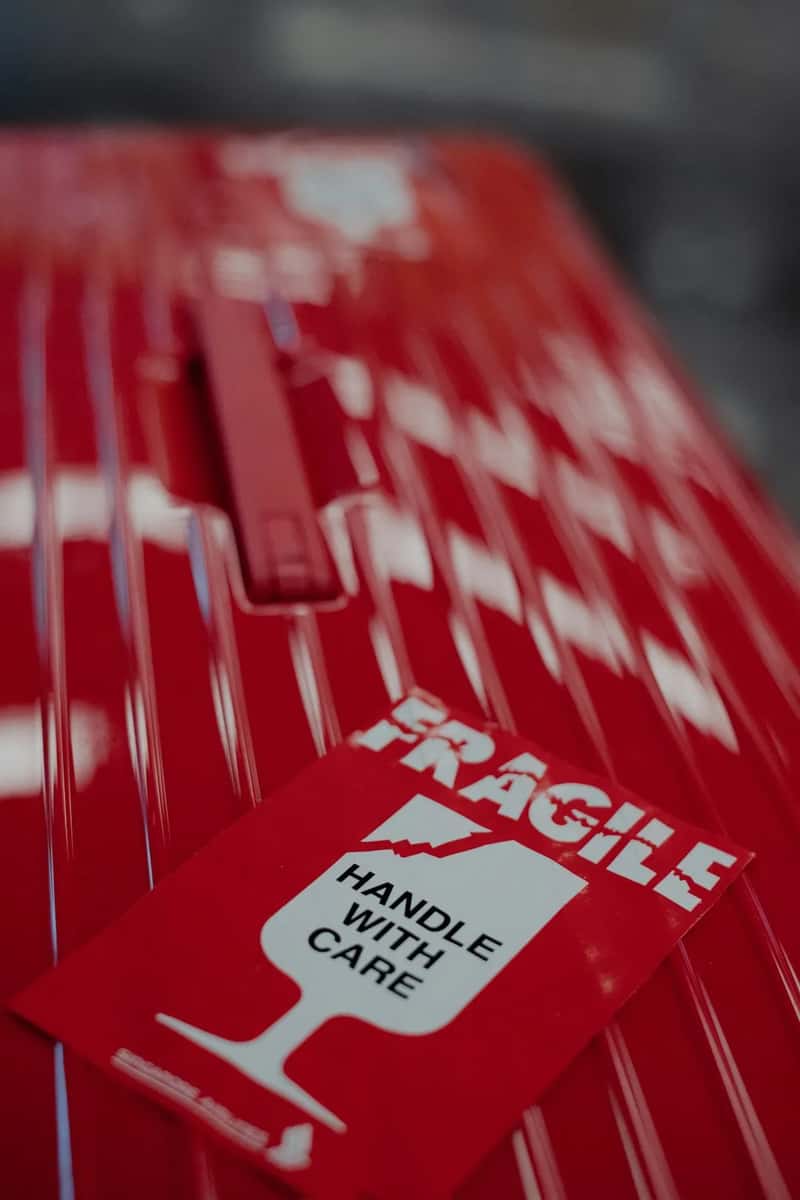
Not every fragile label is treated equally, and there’s a meaningful difference between something you bought online and something issued at the counter. According to travel reporting on the subject, passengers can ask for an official fragile or priority label when checking luggage, since fake handle-with-care stickers bought online won’t carry the same weight, while an official airline-issued fragile tag actually influences how and where a bag gets loaded, and it’s usually free to request at the counter.[1] That distinction is easy to miss for anyone who assumes any sticker is as good as another.
It’s worth asking the agent directly rather than assuming your bag will be flagged automatically. A tag generated by the airline’s own system gets scanned and tracked in a way that a personal sticker never will, giving it at least a chance of influencing handling decisions further down the line.
5. Loose Straps and Unlocked Handles Are a Bigger Threat Than Any Missing Label
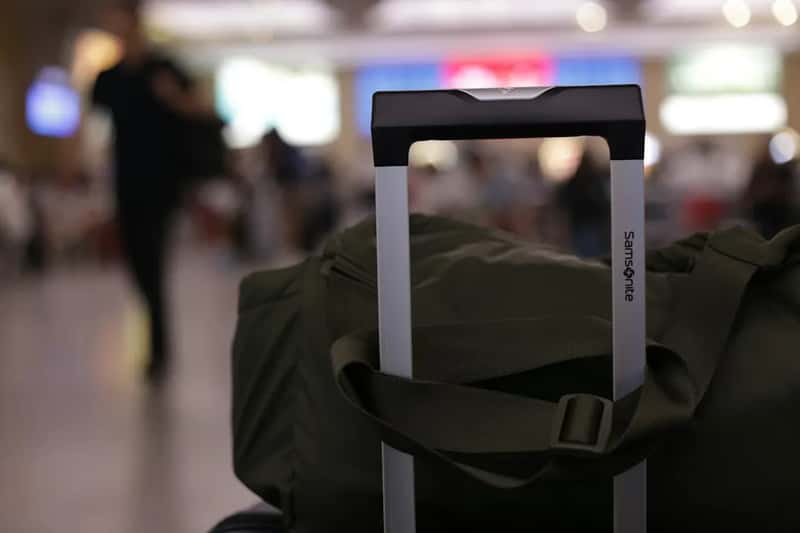
Handlers consistently point out that a bag’s own design flaws cause more damage than the absence of a fragile sticker ever could. Handlers will tell you the sticker isn’t your bag’s biggest enemy, but rather your bag’s own design features, so it helps to fold in or secure any dangling straps or handles because they act like bait for airport conveyor belts.[1] A strap that catches on machinery can cause damage no amount of fragile labeling would ever prevent.
Retracting handles matters just as much. Travelers are advised to always retract and lock the handle fully before checking in, since a loose one can be used as a lever, bending the internal metal rods.[1] Other handlers have described bags with loose ends getting caught in the belt, which can tear off straps, zippers, or handles[5] in ways that have nothing to do with how the bag was labeled.
6. Certain Items Get Extra Care Automatically, Sticker or Not
Some categories of baggage receive gentler handling regardless of what’s written on them, simply because of their shape or the risk they represent. One student pilot who also works ground crew noted that if they get a guitar case, they are often more gentle, but that’s really about it.[2] Recognizable, awkwardly shaped items tend to trigger a natural instinct for caution that a small paper sticker can’t replicate.
This pattern shows up across multiple accounts from the industry. Specific luggage such as televisions, musical instruments, strollers, or wheelchairs are treated with more care.[6] Similarly, animals and dangerous goods are handled with extra care, and sometimes instruments too.[2] If you’re checking something genuinely delicate, choosing a case that visually signals its contents may do more than any sticker.
7. Calling a Bag “Fragile” Can Sometimes Work Against You Later
Here’s something few travelers consider: the word “fragile” on your bag can complicate a compensation claim if something does go wrong. Airlines routinely build exclusions into their contracts of carriage. Airlines often exclude liability for certain categories of items, such as fragile items, electronics, cash, perishable items, and other valuables, and these exclusions are typically listed in the airlines’ contracts of carriage.[7] In other words, labeling something as fragile can sometimes give an airline grounds to deny a claim rather than encourage gentler handling.
That doesn’t mean travelers are without protection. Under current federal rules, the US Department of Transportation requires airlines to compensate up to $4,700 per passenger for lost, delayed, or damaged baggage on domestic flights, a limit set by federal regulation 14 CFR Part 254 that was last updated on January 22, 2025.[8] Still, it’s smart to know that a fragile sticker isn’t just ineffective at preventing damage, it may also shape how a future claim gets handled.
8. What’s Inside the Bag Matters More Than What’s Written on the Outside
Ultimately, most handlers agree that packing strategy beats labeling every time. A baggage handler with over a decade of experience put it plainly, noting most baggage handlers do not care about your fragile sticker[9], and that in most cases, a sticker will not make a difference no matter its size. That candid admission, from someone who watches this play out daily, says a lot about where travelers should focus their energy instead.
The advice from those inside the industry is consistent: protect what’s inside rather than relying on what’s printed outside. Handlers plainly advise, “Please don’t pack anything breakable” without solid protection.[2] A rigid case, snug internal padding, and separating fragile items from heavy ones will do more for your belongings than any label ever could, precisely because it doesn’t depend on a human noticing, a machine reading, or a system caring.
None of this means fragile stickers are entirely useless, they simply aren’t the safeguard most travelers imagine them to be. The real protection comes from choosing a well-built bag, securing loose straps and handles, packing breakables with real cushioning, and understanding your rights if something does go wrong along the way. Airports move too fast, and handle too many bags, for a small sticker to change much on its own. Treat it as a minor extra step rather than a guarantee, and put your real effort into how you pack rather than what you write on the outside.