Repeat cruisers walk onto a ship with a certain swagger. They know where the good coffee is, they’ve already downloaded the app, and they can find the atrium without glancing at a deck map. That confidence is earned, but cruise directors and the crews who work alongside them will tell you that experience can sometimes work against a passenger just as easily as it helps them.
Veteran cruisers occasionally coast on habits that made sense five or ten years ago, only to find that ships, loyalty programs, and even basic logistics have shifted underneath them. Here are eight things the people running the show wish their returning guests kept in mind.
1. Your Loyalty Tier Isn’t Worth What It Used to Be

Loyalty status feels like a badge of honor, but the value behind that badge has been quietly shifting across the industry. The three metrics that matter in 2026 are the threshold to reach the top tier, the real-world value of the benefits at that tier, and the saturation rate, meaning how many fellow passengers hold the same status on any given sailing.[1] On some ships, so many guests now carry mid-tier status that the “exclusive” perks feel anything but.
2. No Two Ships Share the Exact Same Layout

Sailing the same cruise line multiple times can trick passengers into thinking every ship in the fleet is basically identical. It isn’t. Cruise ships are large, and each one is designed differently, so it’s easy to miss out on great spots like quiet lounges, specialty coffee bars, or even a library or observation deck.[3] A sister ship might have the same general brand feel, but the specialty restaurant that used to be on deck 5 could now sit two decks up, on the opposite side.
Cruise directors regularly field questions from returning guests who confidently walk the wrong direction looking for a venue that’s been relocated or doesn’t exist on that particular ship. Taking a few minutes to familiarize yourself with the deck plan through the cruise line’s app, and exploring the ship on the first day, saves time later and helps you make the most of the onboard amenities.[3] Even loyal fans of a brand benefit from treating each new ship like it’s their first time aboard.
3. Specialty Dining Still Books Up Fast, Even for Regulars

There’s a common assumption among seasoned cruisers that they can wing it on dining because they’ve “done this before.” That confidence often backfires. First-timers often assume they can walk up to the steakhouse or sushi spot whenever the mood strikes, but regulars know the good reservation slots vanish within the first day or two, especially on shorter sailings packed with repeat cruisers who know the drill.[4]
The irony is that experienced cruisers are often the ones creating the competition for those same tables. Cruisers sometimes assume the dining staff will figure out what they like over the course of the week, when in reality the ones who speak up early get an entirely different level of meal, starting with a single conversation on night one.[5] Cruise directors say the smartest returning guests still book their specialty dining the moment their online planner opens, rather than relying on muscle memory from a previous sailing.
4. The Muster Drill Isn’t Optional, No Matter How Many Cruises You’ve Taken
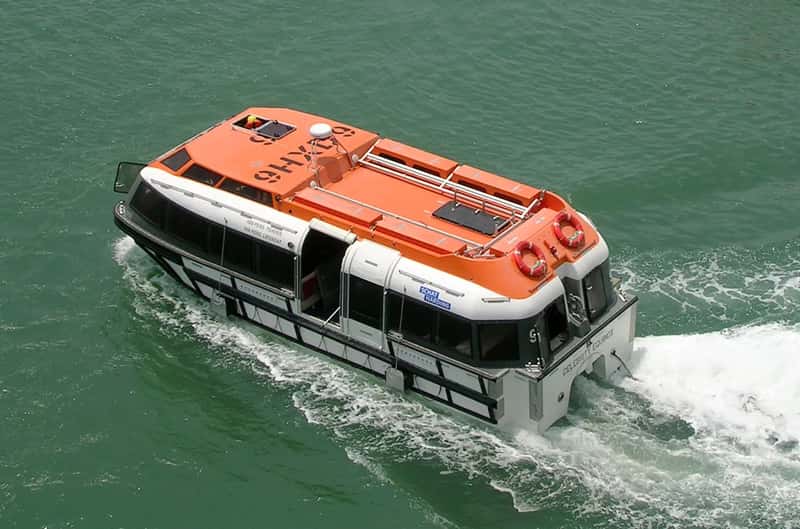
Few things frustrate a cruise director more than a returning passenger who skips or half-heartedly attends the safety briefing because they’ve “seen it a hundred times.” International maritime safety regulations require every passenger, regardless of loyalty tier or sailing history, to complete a muster drill before the ship gets underway. Crew members are trained to check IDs at each station, and a missed drill can delay departure for the entire ship.
Veteran cruisers sometimes treat the drill as background noise, chatting through the safety officer’s instructions or arriving late because they assume the process moves at a predictable pace. Cruise directors would rather returning guests set the example for first-timers instead of modeling the exact behavior that slows everyone down. A few extra minutes of patience at the start of the cruise is a small price for a smoother, faster process for the whole ship.
5. Loyalty Perks Rarely Activate on Their Own

Many repeat cruisers assume that simply booking a cruise automatically applies every benefit tied to their status. That’s often not the case anymore, especially as programs modernize their booking systems. Newer loyalty structures increasingly reward guests who take a few deliberate steps rather than those who passively expect credit to appear.
Carnival’s own guidance around its new rewards structure makes the point directly: booking directly with the cruise line helps ensure full credit, and linking all passengers in a booking helps maximize household earning.[6] Using onboard purchases strategically can also help guests hit higher reward thresholds.[6] Cruise directors say the guests who get the most value are the ones who check their loyalty dashboard before sailing rather than assuming everything syncs automatically.
6. Familiarity Doesn’t Excuse Bad Onboard Habits

A handful of veteran-cruiser behaviors have become notorious among crew, and chair hogging tops the list. Reserving deck chairs that never actually get used creates a ripple effect across the pool deck, with families circling for shade while a chair sits untouched, forcing staff to intervene repeatedly throughout the day. Grabbing a chair when you’re ready to use it, rather than hours in advance, saves everyone the hassle.[7]
Experienced cruisers also tend to fall into predictable patterns crew members can set their watch by. Avoiding herd mentality, which is largely determined by time of day and whether it’s a sea day or port day, means steering clear of the onboard venues that the majority of passengers default to at certain times, so you avoid crowded spaces, service delays, and long lines.[8] Cruise directors notice when a returning guest breaks these patterns instead of reinforcing them, and it tends to make the whole ship run a little smoother.
7. Chasing Status Isn’t Always the Smartest Way to Book

It’s tempting to stick with one cruise line purely to climb the loyalty ladder, but that strategy doesn’t always pay off the way passengers expect. Entry-level tiers at most lines are largely cosmetic, offering a welcome letter, slightly earlier check-in, and a pin, so it’s worth remembering not to book with a single line purely to reach these tiers.[9] For guests who cruise once or twice a year across different lines, the better approach is to focus on itinerary, price, and ship quality rather than structuring sailings around loyalty tiers, since the early tiers of every program deliver minimal practical value.[9]
There’s also a lesser-known workaround that cruise directors sometimes mention to curious repeat guests: status matching. The MSC Voyagers Club status match has long been considered the most generous in the cruise world, and MSC remains the only major cruise line offering a permanent, year-round status match from nearly any loyalty program.[10] For someone with meaningful status on one line, transferring part of that recognition elsewhere can sometimes unlock more value than years of additional sailing ever would.
8. Being Recognized Doesn’t Mean Kindness Becomes Optional

Cruise directors and their teams genuinely do keep track of returning guests, and it happens more deliberately than most passengers realize. Guests who’ve sailed the same line multiple times often get greeted by name within the first two days, because someone on the entertainment team has reviewed the passenger manifest ahead of time, flagging loyalty members and repeat names, with older repeat cruisers flagged more often simply because loyalty tiers skew heavily toward them.[11] That kind of personal attention is a genuine perk of loyalty, not an accident.
Still, being recognized isn’t a license to demand more or treat staff differently than a first-time cruiser would. Crew members don’t set the prices and don’t sail the ship, they’re not paid particularly well, yet they work hard for every single passenger while being expected to stay friendly the whole time, and being kind and considerate in return goes a long way toward a smoother cruise.[12] Cruise directors consistently say the guests who get the warmest treatment aren’t necessarily the ones with the most cruise days logged. They’re the ones who remain gracious whether it’s their first sailing or their fiftieth.
None of this diminishes the real value of cruising again and again with a line you trust. Familiarity still counts for something, and returning passengers genuinely do get treated a bit differently by the crews who remember them. Still, the ships change, the programs change, and the small habits that go unnoticed by first-timers get noticed fast by staff when a regular repeats them.
The takeaway from cruise directors isn’t complicated. Stay a little curious, book a little early, and treat every crew member the way you did on your very first sailing. That combination, more than any loyalty pin or tier badge, is what actually earns the best treatment onboard.