Something has shifted in how Europeans think about an American vacation. For decades, cities like New York and Los Angeles were bucket-list staples for travelers from London, Paris, Berlin, and Rome. That confidence has cracked in recent years, and the numbers back it up. French hotel group Accor SA warned that forward bookings from Europe to the US this summer are down 25%, as travelers that feel put off by President Donald Trump’s border clampdown divert to other locations.[1]
The reasons vary from place to place, but a pattern has emerged. Some European travelers worry about immigration enforcement at the border, others about gun violence, and a growing number simply feel unwelcome amid political tension. The World Travel and Tourism Council projected that the United States will lose twelve-point-five billion dollars in international visitor spending in 2025, making it the only country out of one hundred and eighty-four economies analyzed that will see a decline that year.[2] Here are eight specific American destinations where that hesitation shows up most clearly.
1. Minneapolis, Minnesota
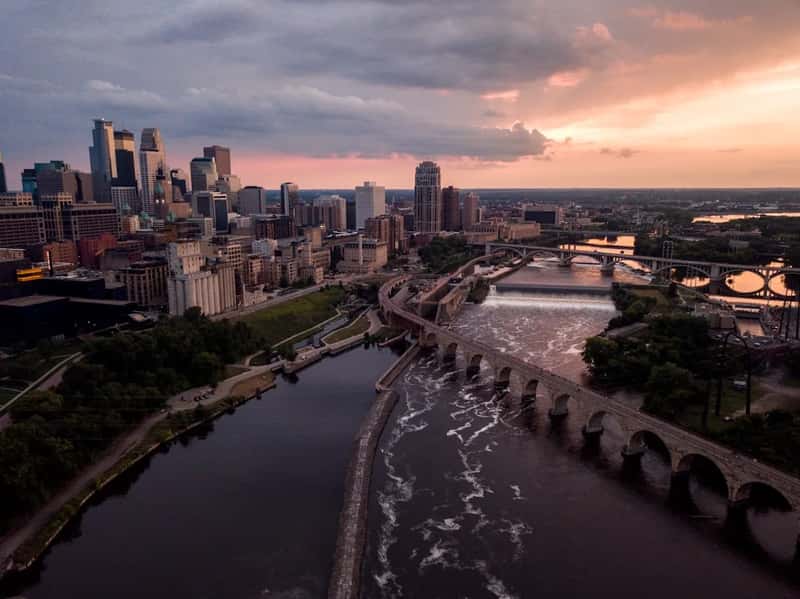
Minneapolis has become an unexpected flashpoint in the European travel conversation, and it happened fast. The level of international concern reached a breaking point following two specific fatalities in Minneapolis, Minnesota, involving Alex Pretti, a 37-year-old intensive care nurse and U.S. citizen, and Renée Good.[3] Both cases involved federal agents and quickly became symbols of something bigger than a local news story.
These incidents have been widely publicized across European media, creating a narrative of “unpredictable federal force,” and video evidence that often contradicted initial government statements has led to a profound loss of trust among potential visitors.[3] For a city that usually markets itself around lakes, museums, and a walkable downtown, that kind of coverage is hard to shake off, especially when it keeps circulating on European television and social feeds months after the events themselves.
2. Chicago, Illinois
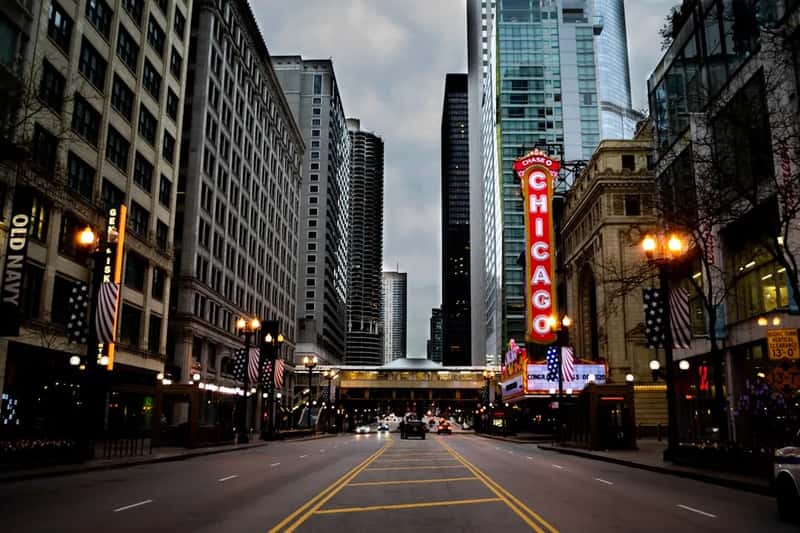
Chicago’s reputation problem isn’t new, but it hasn’t gone away either. Visitors researching the city online quickly run into headlines about shootings, and that perception sticks even when crime statistics fluctuate year to year. A drive-by shooting in the city’s River North nightlife district in July 2025, which killed four people and injured fourteen others outside a nightclub[4], made international news and reinforced exactly the fears that keep some travelers away.
The concern is not hypothetical for the people actually visiting. In interviews with tourists near Chicago’s Cultural Center, one visitor originally from India but living in Berlin described feeling so uneasy that her family was so anxious about violence during her vacation to the U.S. that she planned to “only visit downtown and the Indian area.”[5] That kind of self-imposed restriction, sticking to a few “safe” blocks instead of exploring freely, is common among wary European visitors to the city.
3. Los Angeles, California
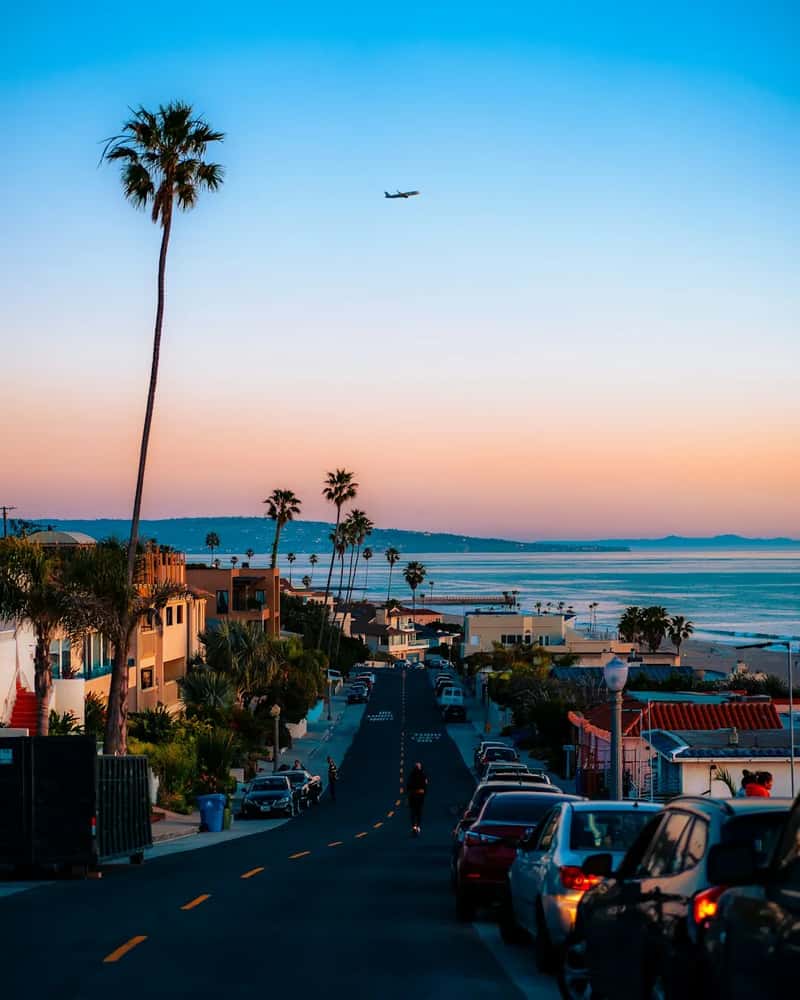
Los Angeles remains one of the most recognizable American cities in the world, yet it’s also one of the ones losing European visitors fastest. Industry reporting ahead of the 2026 FIFA World Cup flagged the city specifically as vulnerable to the downturn. Major cities like New York, Los Angeles, Miami, and San Francisco are all affected by this trend, since these cities host a wide range of attractions, events, and cultural experiences that typically draw large numbers of European tourists.[6]
Part of the hesitation ties back to widely covered federal immigration operations in the region over the past year, which have made international headlines and left some travelers unsure what a routine encounter with law enforcement might look like. Even visitors with no connection to those operations report feeling more cautious about crowds, checkpoints, and unplanned encounters with authorities than they did a few years ago, a shift that tourism boards in the region are still trying to counter.
4. The U.S.-Mexico Border Region (San Diego and Tijuana Crossings)
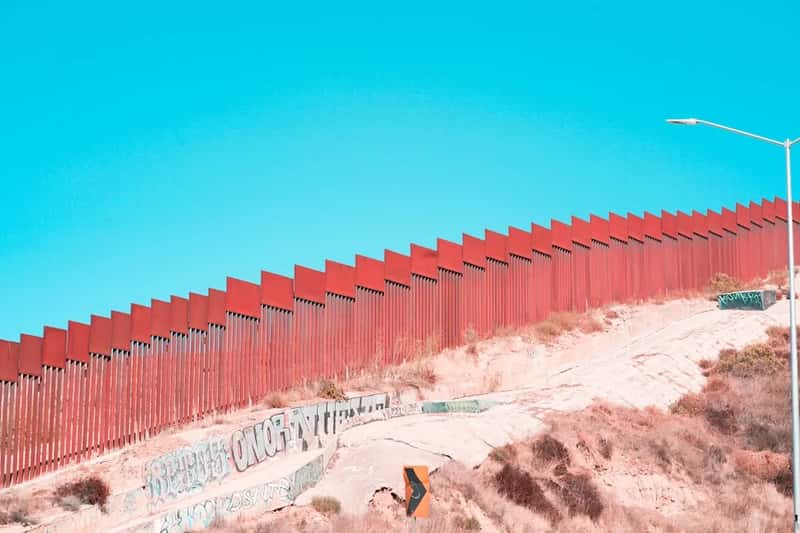
Few places illustrate the new anxiety better than the border crossings around San Diego. This is where some of the most alarming stories involving European travelers actually took place. Three European tourists, Jessica Brösche, Lucas Sielaff, and Becky Burke, were detained for weeks before being deported after attempting to cross the border into San Diego, according to reporting at the time.[7] All three travelers believed they were following entry rules and said they remained unclear why they were detained.[7]
Those cases weren’t isolated incidents; they triggered formal government responses. Britain and Germany updated their travel advisories for the United States after a British tourist was detained trying to enter the U.S. at the Tijuana border, marking the third such case since the administration cracked down on border crossings.[7] For backpackers and budget travelers who might otherwise cross overland between California and Mexico as part of a longer trip, that border zone has become something to plan around carefully rather than treat casually.
5. Miami, Florida
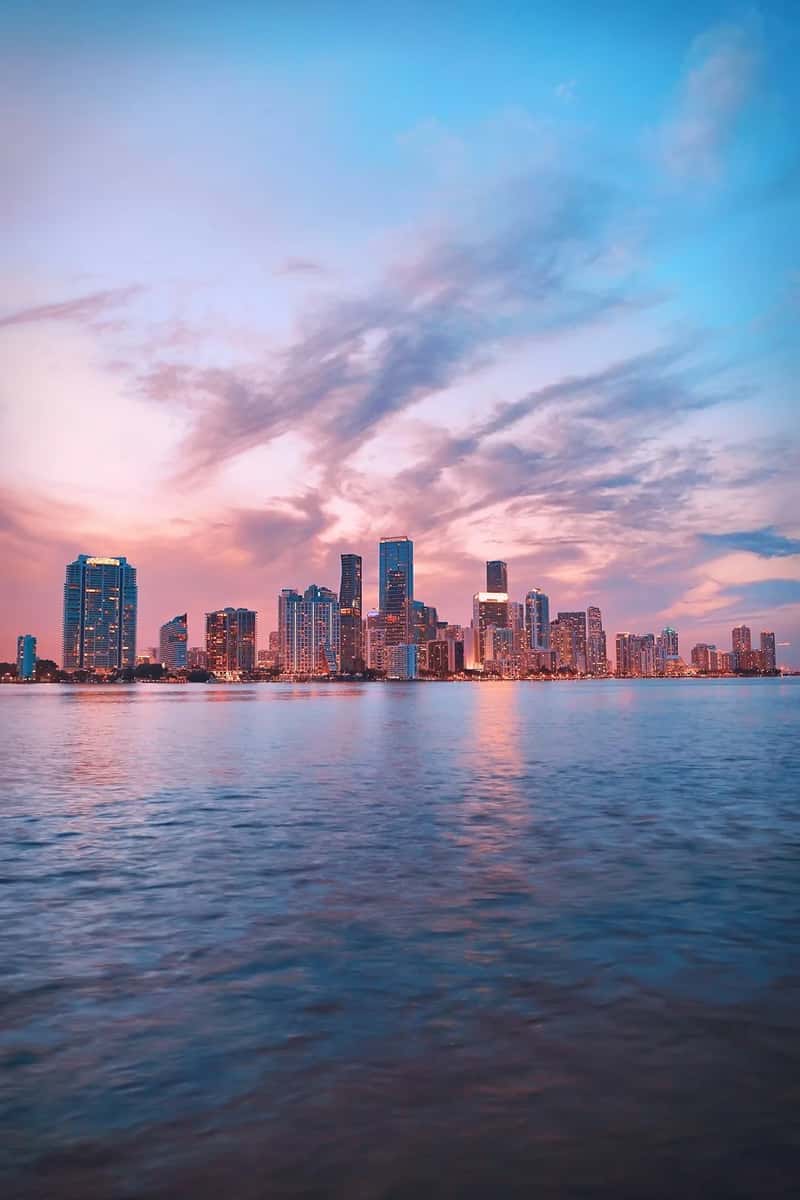
Miami’s troubles are a mix of old and new. The city has long dealt with a reputation for spring break excess and periodic crime headlines, but now it’s also caught in the broader European pullback. Miami, along with New York, Los Angeles, San Francisco, and Chicago, is feeling the effects as tourists from London, Paris, Berlin, and Rome pull back amid rising travel costs and economic uncertainties.[6]
Weather adds another layer of worry for visitors planning ahead. Coastal regions face seasonal considerations, with hurricane season beginning June 1 along the Atlantic and Gulf coasts, and the National Hurricane Centre predicting above-average storm activity for summer 2026.[8] For a European traveler booking a beach trip months in advance, that combination of storm risk and general unease about the broader political climate makes Miami feel like a bigger gamble than it once did.
6. Washington, D.C.
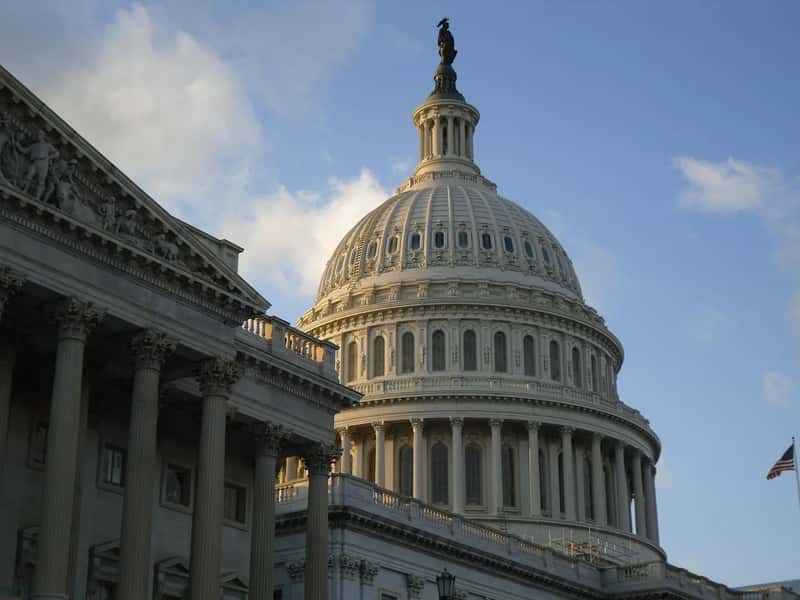
The nation’s capital carries a strange duality for European visitors. It’s packed with free museums and iconic monuments, yet it’s also the epicenter of the political tension driving so much of the current hesitation. Petty crime adds a practical concern on top of that political unease. Petty theft and pickpocketing occur frequently in high-traffic areas including Times Square, Hollywood Boulevard, and the National Mall in Washington DC, and police recommend visitors secure valuables and remain aware of surroundings in crowded tourist zones.[8]
Beyond pickpocketing, D.C. has seen its share of large public demonstrations in recent years, some of which have drawn international news coverage. For a traveler trying to plan a relaxed few days seeing the Smithsonian and the Capitol, the possibility of walking into an unplanned protest or heightened security posture is enough to make some Europeans reconsider the itinerary altogether.
7. El Paso, Texas
El Paso occupies a specific and painful place in the European travel conversation because of the 2019 mass shooting that killed dozens of people, several of them Mexican nationals, at a Walmart near the border. That tragedy still shapes how the city is perceived abroad. In its aftermath, Amnesty International urged travelers to the US to be “extra vigilant at all times and be wary of the ubiquity of firearms among the population,” specifically advising people to avoid places where large numbers of people gather, including shopping malls.[9]
Layer on top of that the fact that El Paso sits directly on one of the busiest and most heavily scrutinized stretches of the U.S.-Mexico border, and it becomes a place where two separate European fears, gun violence and immigration enforcement, overlap in a single destination. For travelers who might otherwise be curious about the borderlands and their unique blend of Texan and Mexican culture, that overlap is often enough to steer the itinerary elsewhere.
8. New York City
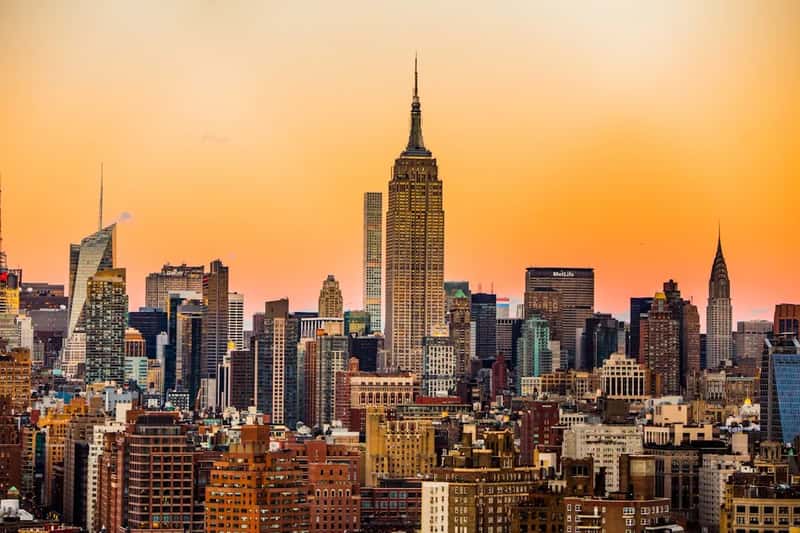
New York is the most surprising entry on this list simply because of its scale and global reputation as a must-see city. Even so, it hasn’t been immune to the broader European pullback. This decline in visitors from European countries could have a significant impact on U.S. tourism, especially in cities that rely heavily on European tourism for economic growth, and major cities like New York, Los Angeles, Miami, and San Francisco are all affected by this trend.[6]
The city’s day-to-day safety record for tourists is actually fairly stable, with violent crime rates in major US tourist destinations remaining stable compared to 2025 figures according to FBI preliminary data, and New York City reporting a 3.2% decrease in tourist-targeted incidents during the first quarter of 2026.[8] Still, the persistent drumbeat of border detention stories and the broader sense of political unpredictability has been enough to make some first-time European visitors delay a New York trip they’d normally have booked without a second thought.
None of this means Americans have stopped welcoming visitors, or that these cities have become unsafe overnight. What’s changed is the perception gap, fueled by high-profile incidents, shifting travel advisories from countries like Germany, the UK, Denmark, Ireland, and Finland, and a political climate that feels less predictable to outsiders than it used to. For European travelers weighing a U.S. trip in the months ahead, the smart move isn’t necessarily avoidance. It’s simply going in informed, checking current advisories, carrying the right documentation, and staying aware of local conditions rather than relying on outdated assumptions about any single city.