Every family seems to have had its own version of the same ritual: pack the car in July, drive to the same lake house or beach town, and repeat the trip almost exactly the following summer. For decades, that pattern felt less like a choice and more like an unwritten rule of American life.
Lately, though, the rhythm has shifted. Between changing budgets, new technology, and a general appetite for flexibility, several long-standing vacation habits are quietly fading. Here is a closer look at eight of them.
The one big two-week summer trip
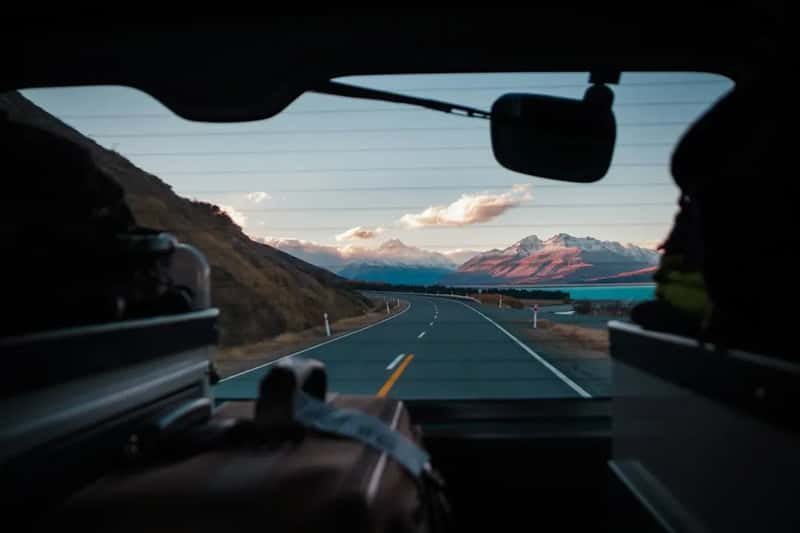
For generations, the American vacation model revolved around a single, lengthy getaway each summer, often the only real break from work all year. That pattern is loosening. Summer travel is leaning toward short road trips, upgraded staycations, outdoor resets, and event-led weekends, as travelers cut hassle, watch costs, and choose escapes that feel worthwhile.[1]
Instead of saving everything for one marathon trip, more households are spreading smaller getaways across the year. Deloitte’s 2026 Summer Travel Survey found that most planned summer travel still happens in July, but the season is stretching further into September, with post-Labor Day trips rising from just 12% in 2022 to 20% in 2026.[2] The single, sacred two-week vacation is turning into a series of shorter, more frequent breaks.
Hiring a travel agent to plan everything
Walking into a storefront travel agency to book a full itinerary, flights, hotel, and excursions, used to be standard practice. That habit has largely moved online, and increasingly, it is moving toward artificial intelligence instead of a human planner at all. Most Americans, about 72%, now prefer to make their travel arrangements online, and nearly 58% prefer online travel agencies to book their trips.[3]
The shift is not just about going digital, it is about who or what is doing the planning. Search engines, once dominant in trip research, dropped from 51% in late 2024 to 36% by the second half of 2025, while generative AI platforms surged from 6% to 15% over the same period.[4] Traditional agencies still exist, but for many travelers, the phone in their pocket has replaced the person behind the desk.
Sticking to the Memorial Day to Labor Day window

Summer vacation used to have strict boundaries, starting at Memorial Day and ending, without exception, at Labor Day. That calendar discipline is breaking down as remote work, flexible school schedules, and a desire to avoid peak crowds push trips into the shoulder months. Early fall in particular has become a quiet favorite for travelers hoping to dodge both the heat and the highest prices.
The number of trips taking place after Labor Day increased from 12% in 2022 to 20% in 2026[2], a meaningful jump in just a few years. What was once considered off-season is now simply another part of the travel calendar. The rigid start-and-stop dates that defined summer for so long are becoming more of a guideline than a rule.
Carrying paper maps and printed guidebooks

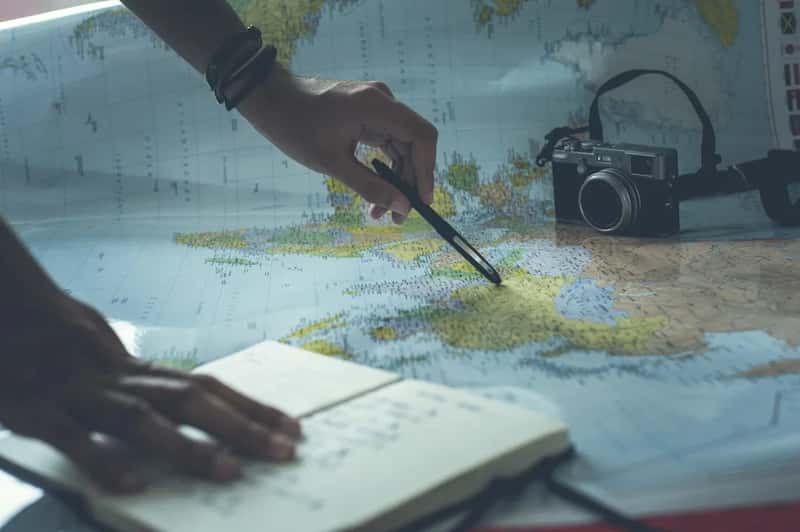
There was a time when no road trip left the driveway without a folded paper map jammed into the glove compartment, or a dog-eared guidebook tucked into a suitcase. That physical planning ritual has almost entirely given way to digital tools, and now those tools are getting smarter. According to IMG’s 2026 Travel Outlook Survey of over 1,000 travelers, roughly one in three respondents say they are likely to use AI tools such as ChatGPT, Gemini, or Copilot to help plan travel in 2026.[5]
The change is generational but not limited to the young. In fact, 58% of U.S. millennials have used AI for trip planning, compared to 45% of Gen Z and just 11% of baby boomers.[4] A folded map showing coffee rings and pen marks from years of trips has largely been replaced by an app that reroutes itself the moment traffic changes.
Sending postcards from the road

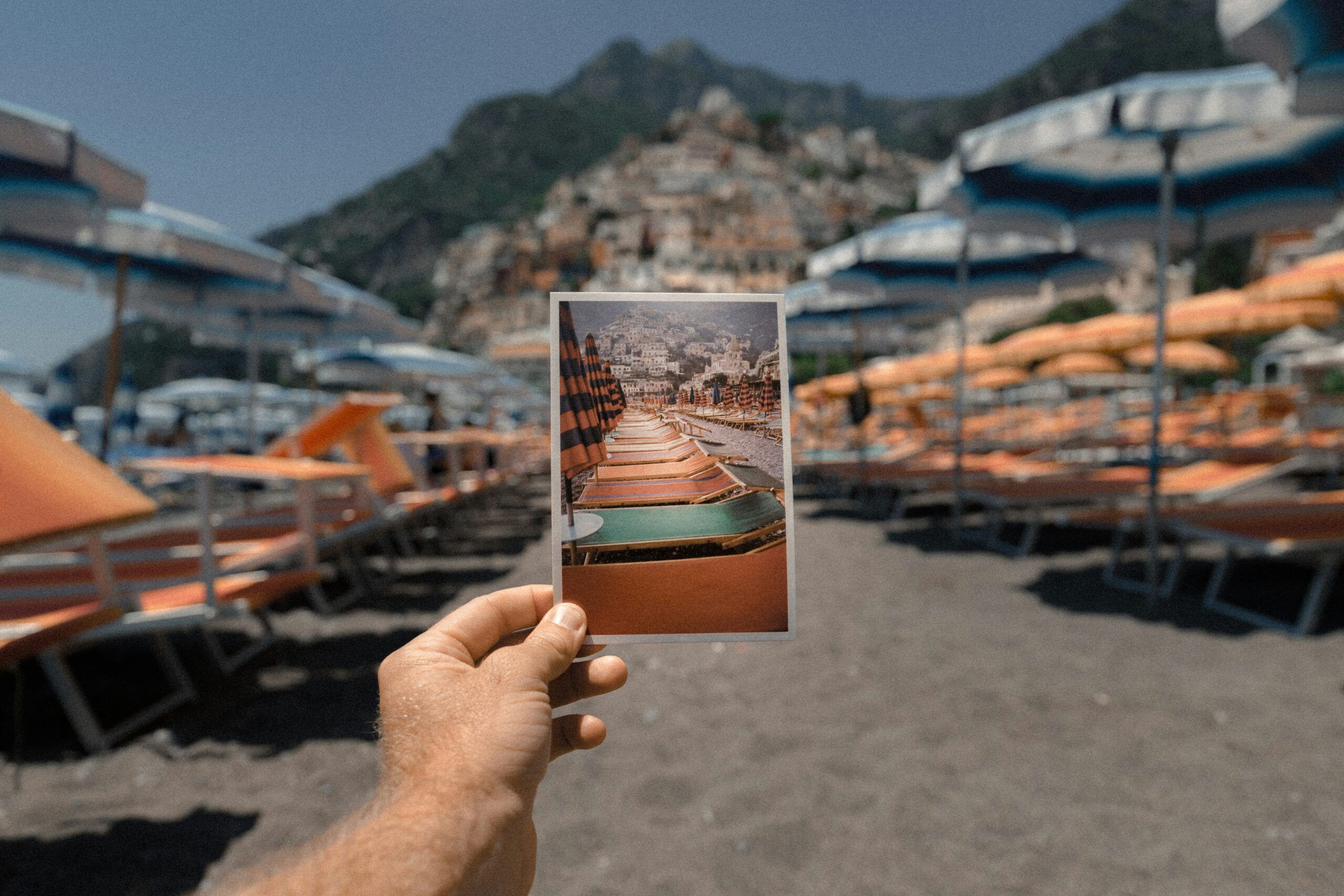
The postcard rack at a gas station or gift shop used to be a near-automatic stop on any family trip. Writing a few lines to grandparents or friends back home, then dropping the card in a mailbox before heading to the next stop, was simply part of how a vacation was documented and shared. That habit has largely disappeared as instant photo sharing took its place.
Sharing a moment from a trip today usually means a quick photo sent through a messaging app or posted to social media, often before the moment has even fully passed. The postcard’s slow, physical journey through the mail cannot compete with a message that arrives in seconds. It is a small loss, but one that changes the texture of how people stay connected while traveling.
Exchanging cash and carrying traveler’s checks

Before a big trip, especially one abroad, a stop at the bank to pick up traveler’s checks or exchange currency used to be a required errand. That entire step has been quietly phased out for most travelers, replaced by debit and credit cards that handle currency conversion automatically, along with apps that let people pay or withdraw cash almost anywhere. The specialized pre-trip cash routine has simply become unnecessary for the vast majority of destinations.
This shift ties into a broader move toward convenience-driven travel tools. Booking, paying, and managing money on a trip now largely happens through the same phone used to plan the itinerary in the first place. The paper checks and stacks of foreign bills that once filled a travel wallet have mostly given way to a single card and a banking app.
Filling photo albums with printed vacation pictures

Disposable cameras, rolls of film dropped off for developing, and thick photo albums displayed on a living room shelf used to be the standard way families preserved a trip. That tradition has faded almost completely with the rise of smartphone cameras and cloud storage. Photos are now taken by the hundreds, stored digitally, and rarely printed at all.
Where a family once waited days to see how their vacation photos turned out, images are now reviewed and shared instantly. The physical album, with its handwritten captions and slightly faded prints, has become more of a nostalgic keepsake than an active practice. Most vacation memories today live on a phone or in a cloud account rather than on a shelf.
Booking a fixed, all-inclusive package with a set itinerary

All-inclusive resort packages with a predetermined schedule, meals, activities, and excursions all mapped out in advance, used to represent the easiest and most popular way to vacation without much personal planning. That rigid structure is losing ground to a preference for flexibility and personalization. American vacationers in 2026 are trading packed itineraries for extended stays and deeper engagement with local culture.[6]
This slower approach favors fewer stops and more time in each place rather than a checklist of pre-scheduled activities. The approach prioritizes cultural immersion, local dining, and walkable or car-free environments, with many travelers finding the slower pace more restorative.[6] The fixed package tour has not vanished entirely, but it is no longer the default choice it once was for travelers seeking a hands-off vacation.
These shifts do not mean Americans have stopped valuing time away from home, quite the opposite. What has changed is the shape that time takes. Shorter trips, digital tools, flexible calendars, and personalized itineraries have replaced many of the fixed rituals that once defined a typical vacation. The suitcase still gets packed each year, but what goes into it, and how the trip gets planned, looks noticeably different than it did even a decade ago.