South America covers rainforest, high Andean cities, Caribbean coastline and temperate wine country. Health risks change a lot from one itinerary to the next. A week in Santiago asks very little of your immune system, while a trip down the Amazon asks quite a bit more.
The CDC keeps country pages, travel health notices and the 2026 edition of its Yellow Book for this reason. Here are eight items from that guidance, with the reasoning behind each. Check the CDC page for your exact route before you book anything.
1. Yellow Fever Vaccine
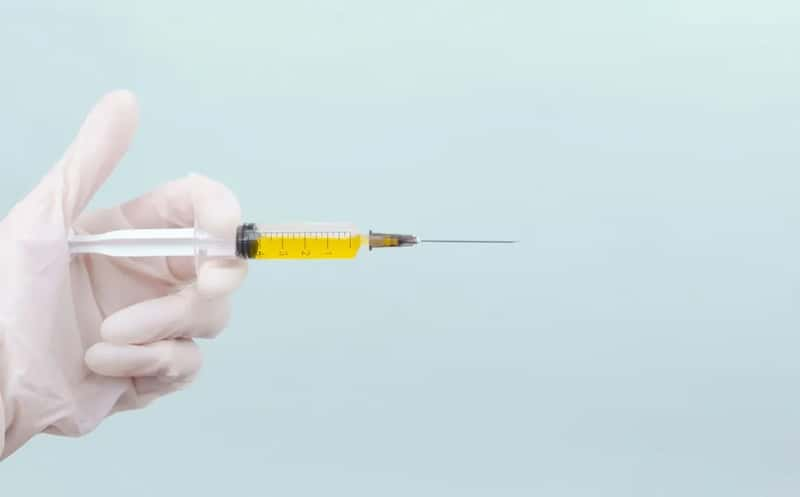
The CDC recommends yellow fever vaccine for people aged 9 months or older who are traveling to or living in at-risk areas of South America and Africa.[1] Apart from Chile and most of Argentina, all of South America now carries a yellow fever vaccine recommendation.[2] The agency also posted a Level 2 notice because cases rose and spread to newly affected areas of Bolivia, Colombia, and Peru.[2]
Travelers to areas where vaccination is recommended should get the shot at least 10 days before travel.[3] A single dose is considered adequate for most travelers.[4] A booster may be given to people whose last dose was at least 10 years ago and who will be in a higher risk setting.[3] Book early, because not every provider carries the vaccine.[3]
2. Hepatitis A Vaccine
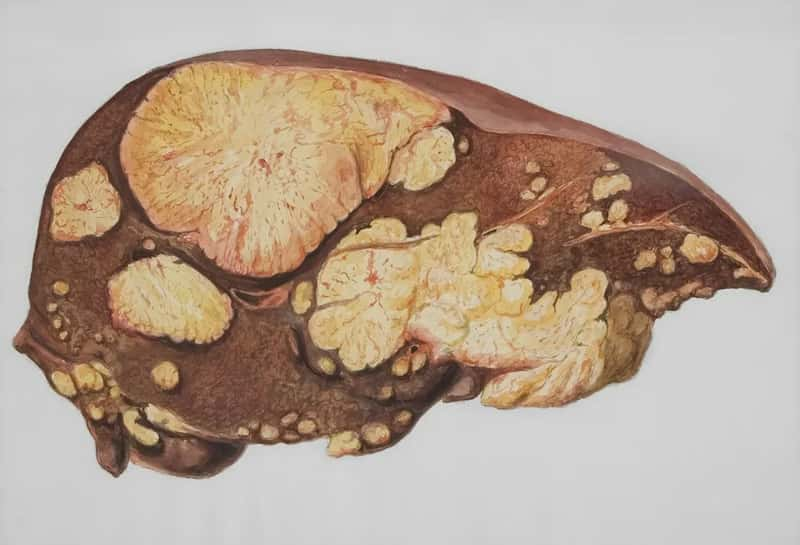
Hepatitis A spreads through contaminated food and water. For Brazil, the CDC says the vaccine is recommended for unvaccinated travelers one year old or older.[5] Infants 6 to 11 months old should also be vaccinated.[5]
One travel health summary notes that the risk is present across the continent[6], and that the CDC recommends the vaccine for travelers to most South American countries. Street food, ice and salads all count as exposure. The shot is easy to schedule, and the Yellow Book has a full chapter on dosing for clinicians.
3. Typhoid Vaccine
Typhoid is another food and water illness, and the CDC doesn’t tell every traveler to get vaccinated. For Brazil it advises considering the vaccine if you might travel to areas with poor sanitation and unsafe water, including rural areas, stay a month or more, or visit friends or relatives.[5] The same page adds that the vaccine isn’t fully effective.
That means careful eating and drinking still matter after you’ve had the shot. If you’re also taking doxycycline for malaria, there’s a timing rule. The oral typhoid vaccine Ty21a should be finished at least 24 hours before a dose of doxycycline.[7] Your clinician can sort out the order.
4. Measles, Mumps and Rubella (MMR) Vaccine
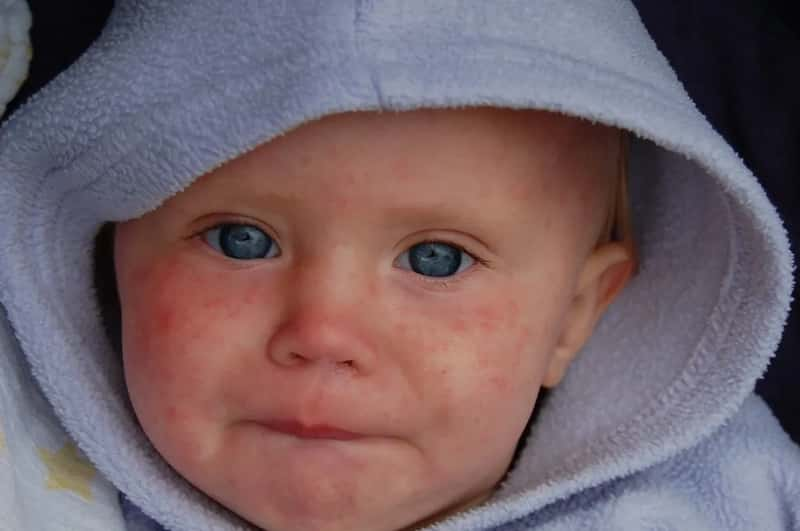
The CDC says all international travelers should be fully vaccinated against measles with the MMR vaccine.[8] This applies to every destination, not only South America. A Level 1 notice reflects the fact that measles cases are rising in many countries around the world.[9]
Timing matters. You’re at risk if you haven’t been fully vaccinated at least two weeks before departure, or haven’t had measles before.[9] The CDC also recommends an early dose for infants aged 6 to 11 months.[9] If you can’t find your vaccination records, ask your doctor what to do before you leave.
5. Malaria Prevention Medicine
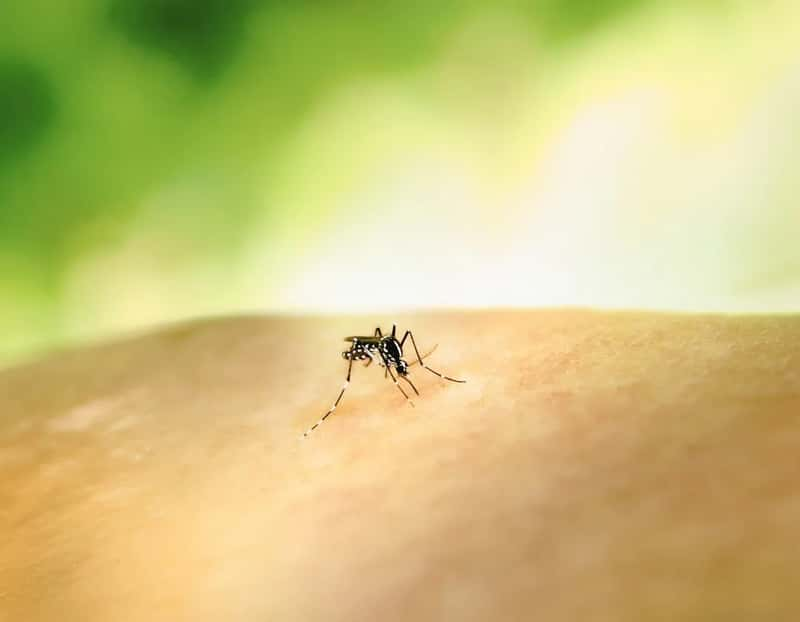
Malaria isn’t a risk everywhere on the continent. In Brazil, the CDC says travelers going to certain areas should take prescription medicine to prevent malaria.[5] In Colombia, there’s no malaria transmission in Bogotá, Cartagena or Medellín.[10] Your route decides whether you need medication at all.
The recommended drugs for Brazil include atovaquone and proguanil, doxycycline, mefloquine and tafenoquine.[5] The best choice depends on your health history and where you’re going, so talk to your doctor about which medication to take.[10] In places with only sporadic cases, the CDC recommends mosquito avoidance alone, with no medication.[7]
6. Rabies Awareness and Possible Pre-Trip Vaccination
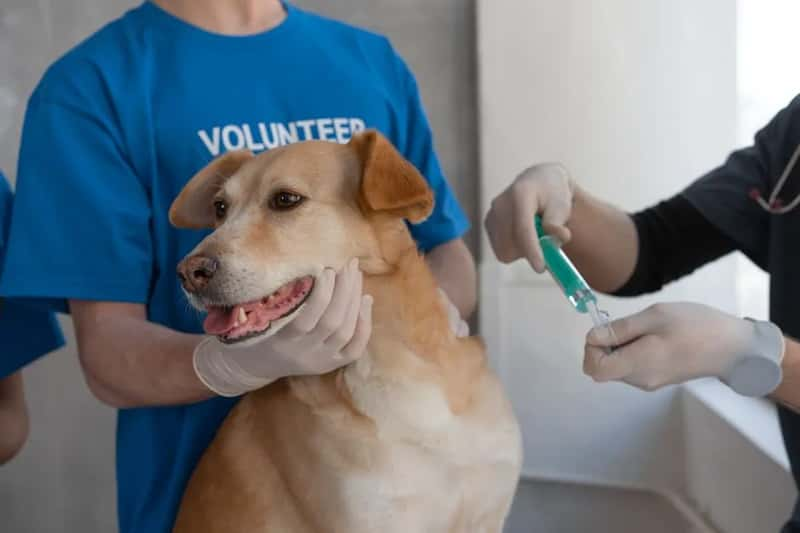
Rabies is present across much of South America. The CDC notes that infected dogs are sometimes found in Brazil, and that the disease is common in some wildlife and bats.[5] Colombia has a similar profile, with rabid dogs sometimes found and rabies also present in bats.[10]
The CDC suggests weighing two questions before getting a vaccine in advance. Will you do work or recreation that raises your exposure to possibly rabid animals, and might you struggle to get prompt treatment after a bite?[10] Cavers, wildlife volunteers and remote trekkers are the obvious cases. In Brazil, rabies vaccines are typically available through most of the country[5], but that’s less certain in remote areas. Any bite or scratch from an animal needs medical attention quickly.
7. Mosquito and Insect Bite Protection
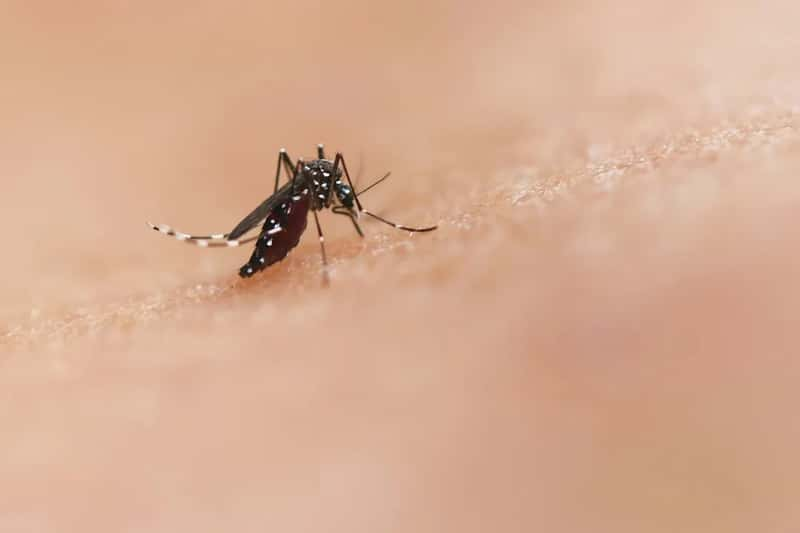
No vaccine covers dengue for the typical traveler, so bite prevention carries a lot of weight. Dengue is a risk all year in many parts of the world, with outbreaks commonly every two to five years.[8] A CDC notice listed Colombia, Guyana and Bolivia among the affected countries.
Oropouche is the other one to know. A CDC notice named Brazil, Peru, Cuba and Panama[8] and said the virus spreads mainly through the bites of infected midges and mosquitoes.[8] Its symptoms resemble dengue, including headache, fever, muscle aches and stiff joints.[11] The CDC also advises pregnant travelers to discuss the risks with a clinician. In yellow fever areas, travelers should take steps to prevent mosquito bites[12] too.
8. Routine Vaccines and a Pre-Trip Health Check
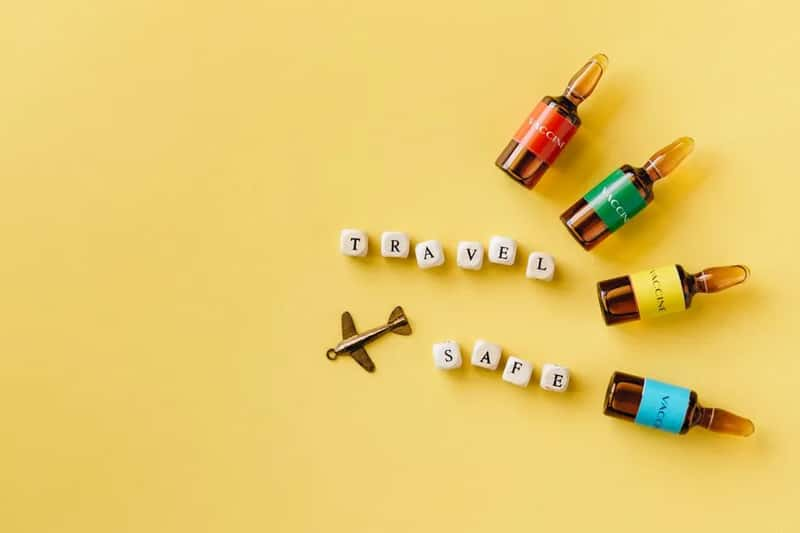
Your regular shots count as travel preparation. For Brazil, one clinic network summarizing CDC and WHO guidance lists a long set of vaccines, including hepatitis B, influenza, COVID-19 and Tdap, which covers tetanus, diphtheria and pertussis.[13] Which of these you need depends on your age, your history and what you’ll be doing.
Advice also changes over time. The CDC says the Yellow Book may change as travel medicine and disease patterns evolve[14], and the yellow fever notice only appeared in April 2025. Check your destination page and see a clinician well ahead of departure. If you get a fever during your trip or within a month of coming home, see a doctor and tell them exactly where you traveled.[6]