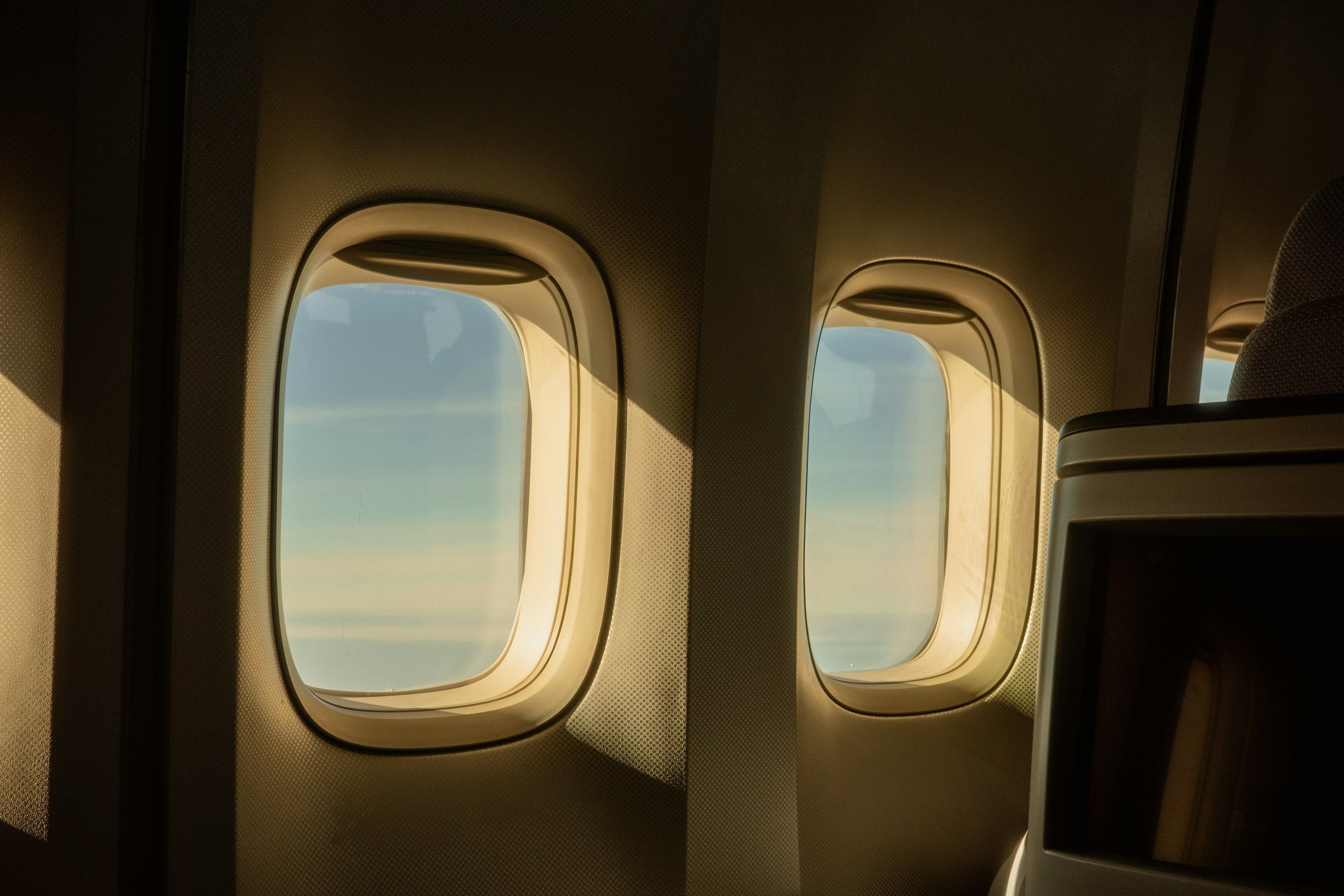
It’s one of the smallest requests you’ll hear on a plane. Somewhere between the seatbelt check and the tray table reminder, a crew member walks down the aisle and asks you to lift your window shade. Most people do it without a second thought, and a few grumble about the glare.
The request is more deliberate than it sounds. Flight attendants, pilots and aviation analysts have explained the reasoning many times, and it’s tied to what happens in the first seconds of an emergency.
Crew Need a Clear View of the Outside
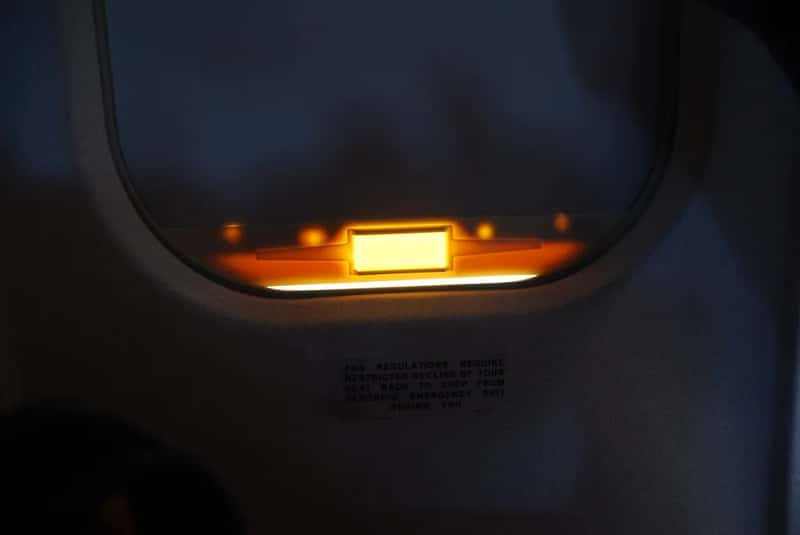
A flight attendant who creates content as A Traveling Treat explains that crew need to see what’s happening outside during takeoff and landing in case something goes wrong. Open shades let crew and passengers spot hazards like fire or debris and judge which side of the aircraft is safest to evacuate from.[1]
She also says open shades are part of the crew’s safety scan routine[1]. Most passengers never realize they’re being asked to join that scan.
Takeoff and Landing Are the Riskiest Moments
Airline travel is very safe overall, yet the chance of being in a crash is greatest during takeoff and landing[2]. The aircraft is close to the ground, so pilots have less time to react if something goes wrong[2].
A widely repeated statistic says the landing phase takes up about one percent of flight time yet accounts for more than a third of fatal accidents. That’s why the request applies to these windows of time and not to the whole flight. Shades usually only need to be open for taxiing, takeoff and landing.[3]
Checking Outside Before Opening an Exit
An evacuation isn’t just about getting people moving. Someone has to decide which exits are safe to use. A Flight Safety Foundation representative explained to Condé Nast Traveler that you don’t want to send someone out an exit on a wing if the engine on that side is still running or on fire[4].
The flight attendants’ union at United made a similar point. When everyone can see outside, crew can quickly evaluate the engines, wings and any obstruction before starting an evacuation[5]. Closed shades take that information away.
Your Eyes Need Time to Adjust
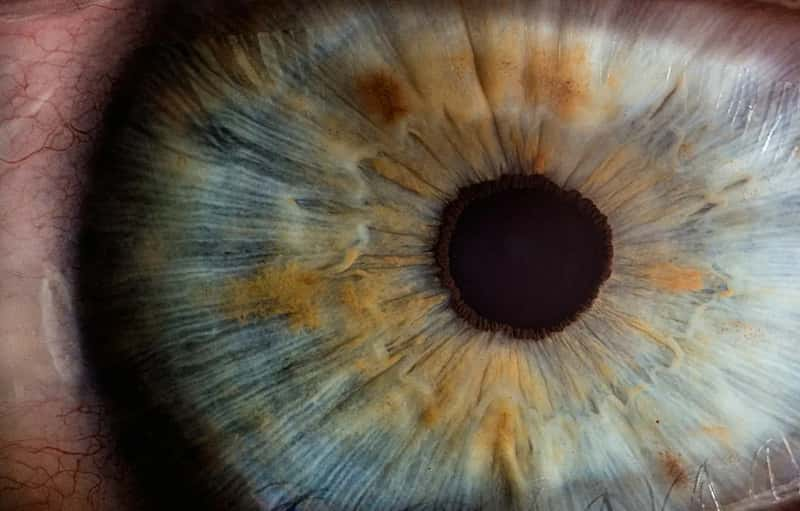
This is the reason most people haven’t heard. Moving between bright and dark conditions isn’t instant, and it can take up to ten seconds for eyes to adjust from light to dark and the reverse[6]. In an emergency, that’s a long time to spend half blind.
Open shades keep your eyes matched to the conditions outside. If you have to evacuate at night with the shades up, your eyes are already adjusted to the darkness.[7] The same logic explains why cabin lights are dimmed at night for takeoff and landing.
The Ninety Second Clock
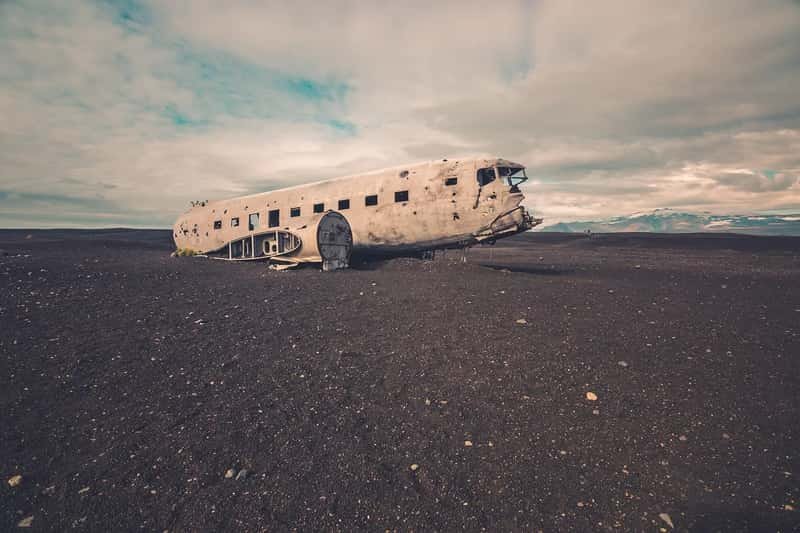
Aircraft certification standards are built around a tight evacuation window. Carriers are expected to be evacuated within ninety seconds or less[4]. That leaves very little room for fumbling with a shade or waiting for vision to adapt.
Seen that way, the shade is one item on a longer preparation checklist. Upright seats, stowed tray tables and bags kept under seats all keep aisles and seat rows clear for a possible evacuation.[4] Each small step saves a few seconds.
Firefighters Look In Through the Same Windows
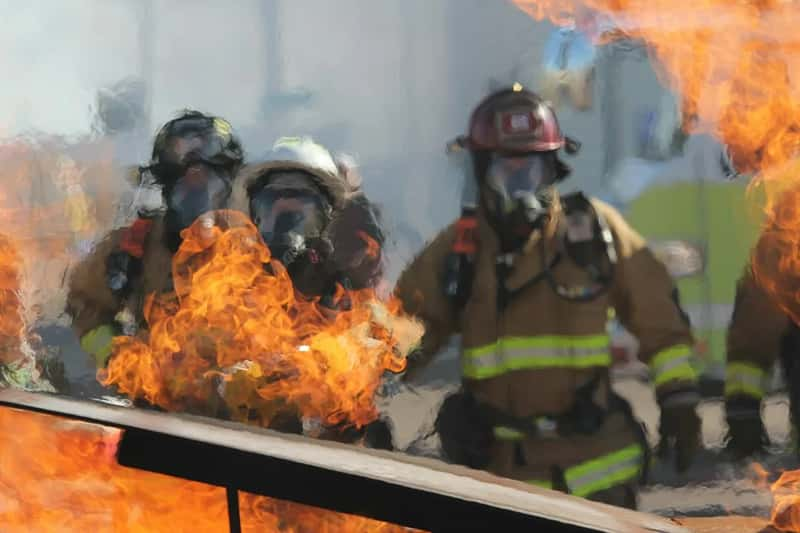
The benefit isn’t only for people on board. Amsterdam’s Schiphol Airport noted in a 2018 release that the fire service can see smoke or fire in the cabin before entering when the shades are open[8].
The flight attendants’ union at United makes the same point from the crew side. Smoke or fire inside the cabin may not be visible to emergency services from outside with the shades closed.[5] Responders arriving on the scene get a faster read on what they’re walking into.
Exit Row Windows Get Special Treatment
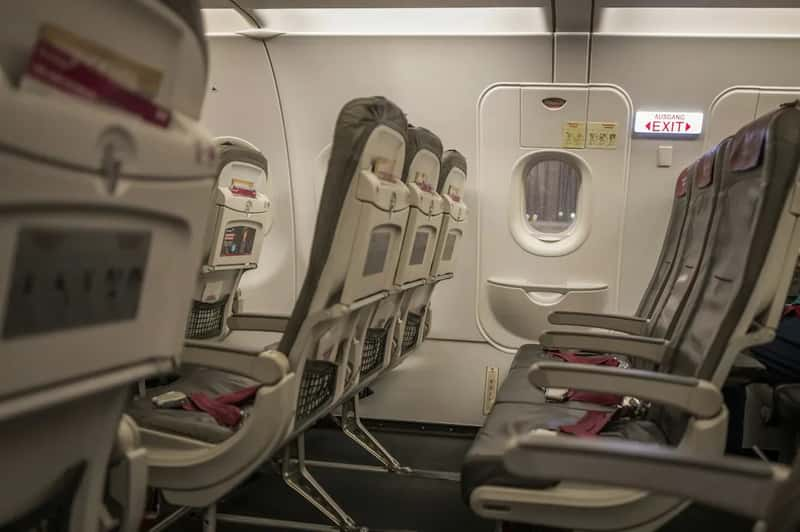
If you’re sitting at an emergency exit, the rule gets stricter. A.Traveling Treat says the shade has to be open for takeoff and landing in an exit row, and it isn’t optional[1]. Many airlines treat these windows differently from the rest of the cabin.
AFAR reports that most airlines make sure exit row shades are open for takeoff and landing regardless of their policy for regular rows[9]. On some regional jets, there may be no shade on the exit row window at all, which gives the flight attendant a clean line of sight[9].
It’s Airline Policy, Not a Federal Rule
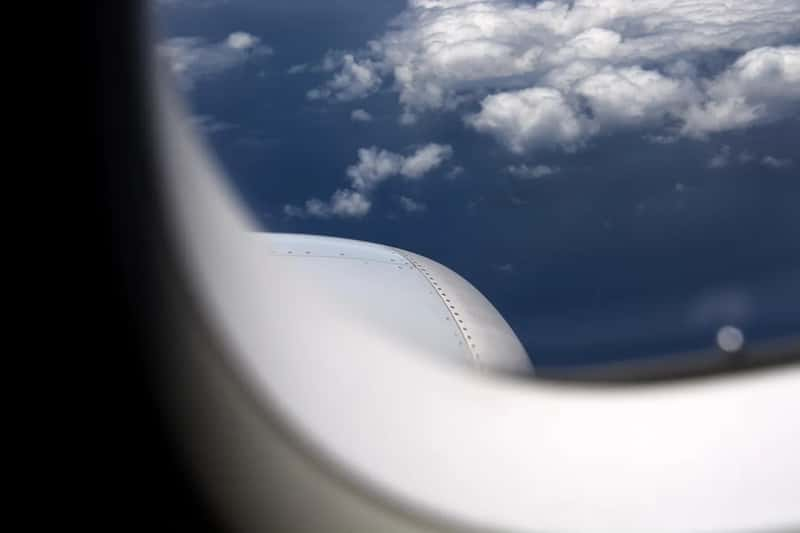
You might assume the FAA requires open shades. Aviation expert Kivanc Avrenli of Syracuse University told Newsweek the practice isn’t mandated by law, and the FAA leaves it to individual airlines to enforce[10]. He added that it is recommended in cabin crew training manuals[10].
Airline approaches vary. United told AFAR it still encourages but does not require window shades to be open[9]. A HuffPost report from October 2025 notes that flight attendants may ask passengers, especially those in exit rows, to keep them up during takeoff, landing or other critical moments[7].
Why Shades Sometimes Go Down Again
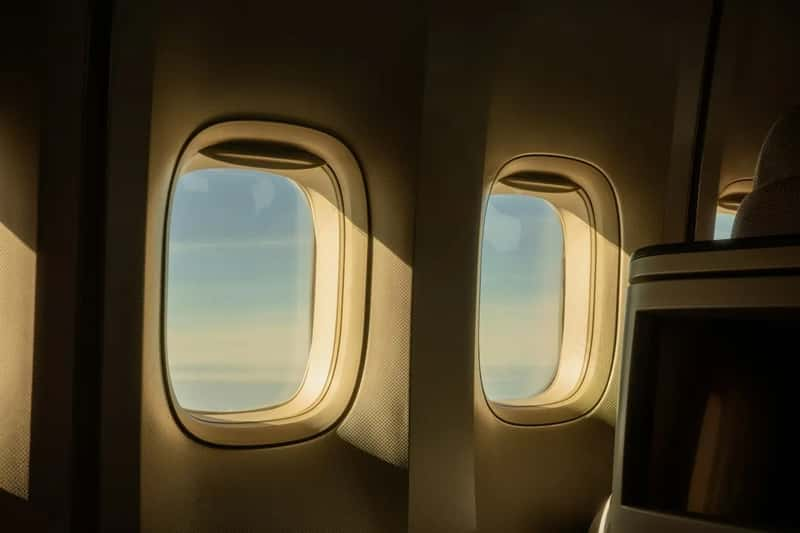
Crew will also ask you to close shades at certain times, and it’s not a contradiction. On overnight flights, Treat says crew often ask passengers to close them before landing because the plane is usually flying into the sunrise, and bright light can wake everyone too early[1].
On hot days there’s another practical reason. A flight attendant on Reddit explained that closing shades after landing is common practice[8], because a parked cabin takes a long time to cool for the next departure. These requests have nothing to do with safety.
What to Do When the Crew Asks
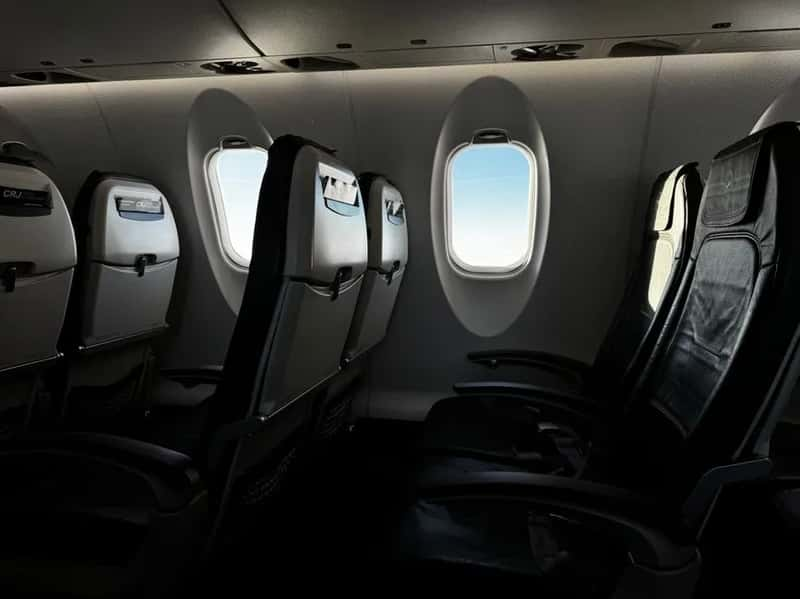
Raise the shade when asked, and don’t bother arguing about it. One Travel + Leisure piece notes that if a flight attendant asks you to open or close your shade at any time, it’s in your best interest to comply[2]. The same article reports that the FAA can impose civil penalties for ignoring crew instructions, with a figure of up to $13,910 cited.
If you spot something odd while looking out, such as smoke near an engine, tell a crew member right away. AirHelp points out that passengers might notice something the crew can’t, and should report it immediately[3].