Your first cruise usually starts with a number that looks reasonable on the booking screen and ends with a final bill that feels like it belongs to someone else. That gap between the advertised fare and the real cost of a week at sea trips up nearly every new cruiser, not because anyone is trying to hide anything, but because the pricing structure on ships is genuinely unlike anything else in travel.
Most of these surprises are avoidable once you know where they hide. Below are nine of the most common missteps first-timers make, along with the practical fixes that seasoned cruisers use to keep their vacation budget close to what they actually planned to spend.
1. Not budgeting for automatic gratuities

Many first-time cruisers treat the fare they paid as close to the total cost, then get a mild shock when a daily service charge shows up on their onboard account. This is not a hidden fee exactly, but it is rarely front and center during the booking process. Cruise gratuities are an automatic daily service charge of roughly $14 to $25 per person per day, added to your onboard account to compensate the crew who look after you.[1]
The rates vary by line and cabin type, and they have been climbing. Automatic gratuity rates run around $18.50 a day on Royal Caribbean, $16 a day on Carnival, and $20 a day on Norwegian, among others.[2] Suite guests typically pay more since they receive more one on one service, and prepaying before you sail locks in the current rate rather than whatever it climbs to later.
2. Buying the wrong drink package (or one at all)

Beverage packages are marketed as a way to simplify your bill, but they can just as easily inflate it if you are not a heavy drinker. Royal Caribbean’s Deluxe Beverage Package runs $70 to $100 a day, with recent prices as high as $125, while its lighter Royal Refreshment package runs $29 to $40 per person per day.[3] On Carnival, the numbers look similar: the Cheers all-inclusive drink package costs $82.54 per person per day if bought before your cruise, or $88.44 per day if purchased onboard.[4]
Before buying, do the simple math. At $82.54 per day pre-purchased, you break even with about 5 to 6 alcoholic drinks a day on average, at $12 to $15 each.[4] If that sounds like more drinking than your actual vacation habits, paying as you go is almost certainly cheaper. Also check the fine print: if one adult buys the package, every adult in the stateroom typically must buy it too, with no exceptions.[5]
3. Assuming Wi-Fi is cheap, fast, or necessary

Cruise internet has improved dramatically with the fleetwide rollout of Starlink, but the pricing has climbed right along with the speed. Streaming-tier Wi-Fi for a family of four on a week-long cruise now lands in the $800 to $1,400 range,[6] which is a meaningful chunk of the total vacation cost and easy to overlook while booking. Even for a couple, Wi-Fi typically runs $20 to $35 per device a day on most lines, and a week can easily top $400.[7]
The fix is to be honest about what you actually need. If you just want to check messages and post the occasional photo, a basic or social tier is usually enough, and downloading maps, shows, and boarding documents before you leave home cuts your dependence on the ship’s connection considerably. Sharing one login among family members instead of buying individual device plans is another easy way to trim the bill.
4. Booking every excursion through the cruise line
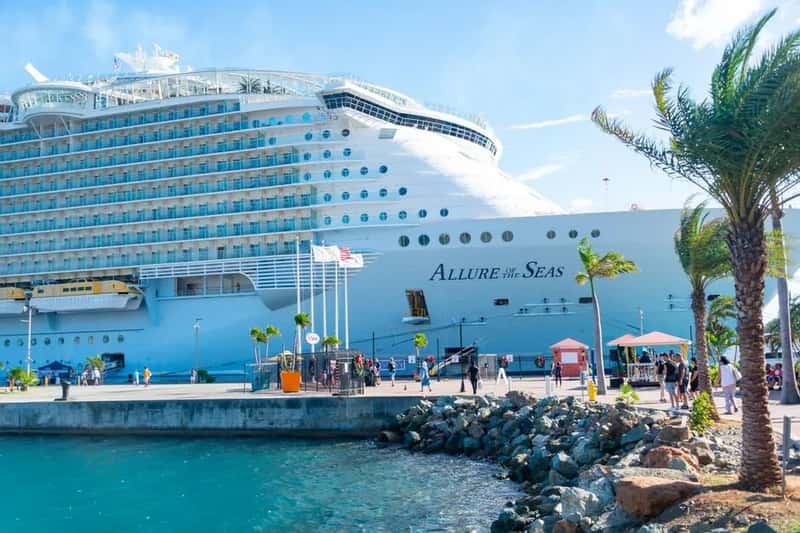
Shore excursions sold through the cruise line are convenient and come with a safety net, but that convenience carries a real price tag. Independent tours are usually 30 to 50 percent cheaper than the same activity booked through the ship, though cruise line excursions guarantee the ship will wait if your tour runs late.[8]
For popular, easy to reach ports, an independent local operator booked in advance often delivers the same experience for noticeably less money. Reserve the ship’s own excursions for tighter itineraries or remote ports where missing the “all aboard” time would be a genuine problem, and go independent everywhere else.
5. Skipping travel insurance to save a little upfront

It is tempting to skip insurance on a trip that already feels expensive, but this is one of the few line items where the math clearly favors buying it. A medical emergency at sea or in a foreign port can cost fifty thousand dollars or more for evacuation alone, and insurance typically costs only 5 to 10 percent of the total trip cost.[8]
Regular health insurance frequently does not cover care received on a ship or in a foreign port, and trip interruption coverage can also reimburse you if illness, weather, or a family emergency forces you to cancel or cut the cruise short. Compare a few policies rather than accepting the first one the cruise line offers at checkout, since independent providers often price the same coverage lower.
6. Overpacking and paying for laundry mistakes
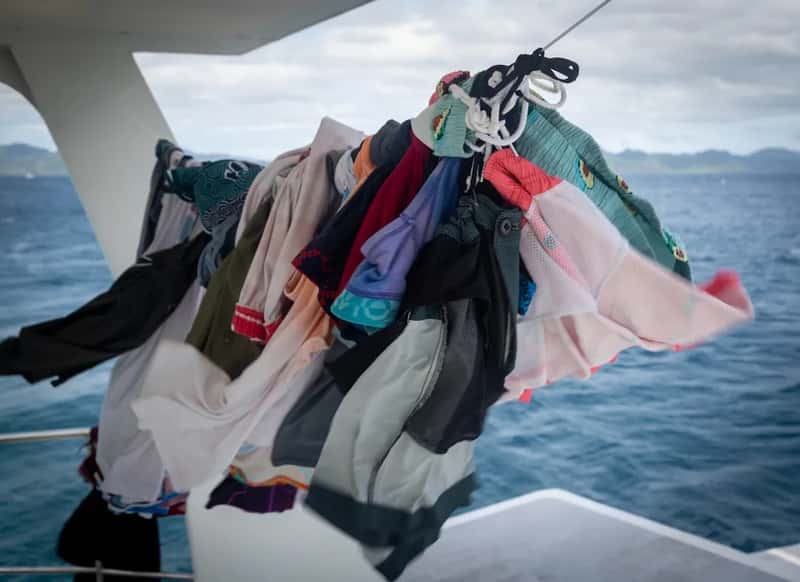
First-timers often pack as if they are moving into the cabin permanently, then discover how small cruise ship closets and bathrooms really are. Overpacking also increases the odds of forgetting the items that actually matter, like formal night attire or medication, while adding unnecessary hassle at embarkation and disembarkation.
Laundry is the other side of this coin. Many lines charge per garment for wash and fold service, and those charges add up fast on a longer sailing, so packing a few versatile outfits and doing a midweek sink wash of essentials is often cheaper than either overpacking or paying full-price laundry fees for a week’s worth of clothes.
7. Ignoring the value packages that bundle add-ons together
Cruise lines increasingly sell bundles that combine drinks, Wi-Fi, and shore excursion credits into one price, and first-time cruisers often miss these because they are buying each item separately out of habit. Carnival’s Essentials Value Package costs $50 per passenger per day and includes a zero proof beverage package, the Value WiFi plan, and pre-cruise discounts on shore excursions and specialty dining.[9]
Compared with buying the pieces individually, the regular pre-cruise price for the same drink package alone is about $36 per passenger per day, with the Value WiFi Plan costing $23.80 per passenger per day on top of that,[9] so the bundle can represent real savings if you would have bought both anyway. The key is only bundling what you would genuinely use. Paying for a package that includes a specialty dining credit you never redeem is not a bargain, it is just a different way to overspend.
8. Not checking what daily gratuities do and do not cover

Even cruisers who budget for the daily service charge often assume it covers everything, including bar tabs and spa treatments. It usually does not. On Celebrity, for instance, a 20 percent gratuity is automatically added to all beverages, mini bar purchases, spa, and salon services, on top of the standard daily charge.[10]
This same layered structure shows up across most major lines, where a service charge of 18 to 20 percent gets tacked onto drink packages, specialty dining, and treatments separately from the flat daily fee. Reviewing your onboard folio partway through the cruise, rather than waiting until the last night, makes it much easier to catch these charges before they pile up into an unpleasant surprise at checkout.
9. Underestimating port day and embarkation day food and transport costs

New cruisers often assume that because meals are included onboard, port days come with no extra food costs, which usually is not true once you are wandering a foreign city for six hours. Taxis, snacks, bottled water, and the occasional impulse lunch onshore add up quickly, especially in destinations where the ship docks far from the town center and a shuttle or taxi becomes necessary rather than optional.
The same applies to embarkation day, when many first-timers arrive early, cannot board yet, and end up paying for an overpriced meal or parking near the terminal simply because they did not plan for the gap. Researching each port’s layout beforehand, packing a few snacks and a reusable water bottle, and knowing whether a free shuttle exists between the ship and town can turn what feels like a string of small unavoidable costs into a manageable, mostly predictable part of the budget.
None of these nine mistakes are unusual, and most experienced cruisers made at least a few of them the first time they sailed. The pattern behind all of them is the same: cruise pricing separates the base fare from almost everything else, and the total cost only becomes clear once you understand which extras are worth paying for and which ones you can skip or replace with a cheaper alternative.
Reading the fine print on gratuities, drink packages, Wi-Fi tiers, and shore excursions before you sail, rather than during the cruise itself, is really the whole strategy. A little research at the booking stage tends to save far more than any onboard bundle or last-minute deal ever will.