There’s a version of flying that most people never experience, not because it costs more, but because almost nobody thinks to ask. Cabin crews spend entire shifts fielding requests, and the ones who ask politely, at the right moment, tend to walk away with small comforts the rest of the cabin never notices.
None of this involves bending safety rules or breaking airline policy. It’s more about knowing what’s already sitting in the galley, waiting for someone to speak up.
1. A second pass with the snack basket
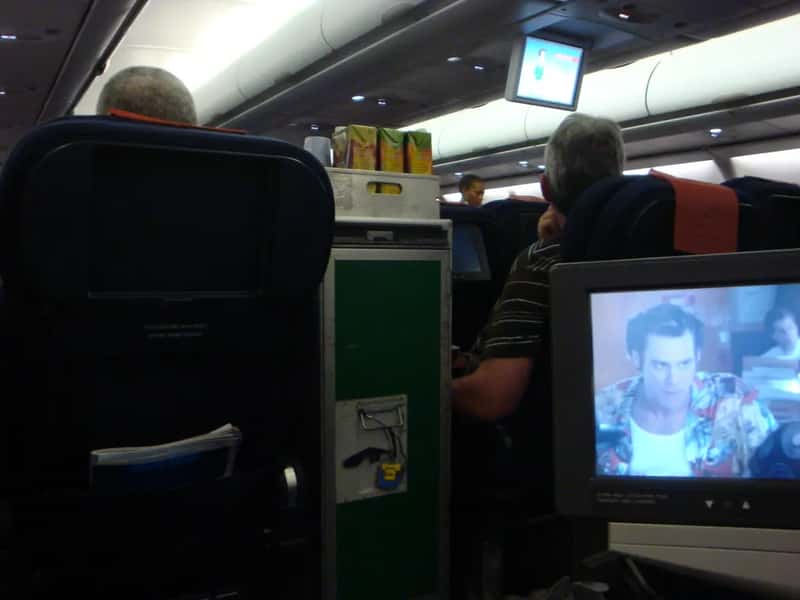
The snack cart usually makes one trip down the aisle, and once it’s gone, most passengers assume that’s it. That’s rarely the whole story. Snack baskets usually only make one trip down the aisle, but that doesn’t mean the pretzels are gone, since crews typically keep extra stock in the galley for people who missed the first round or want seconds.[1]
The trick is timing. Politely flagging down a flight attendant after the cart has passed almost always works, especially on longer flights, and etiquette experts consider it a reasonable request as long as you’re not pressing the call button the second the cart turns the corner.[1] A little patience goes a long way here.
2. A little breathing room after boarding
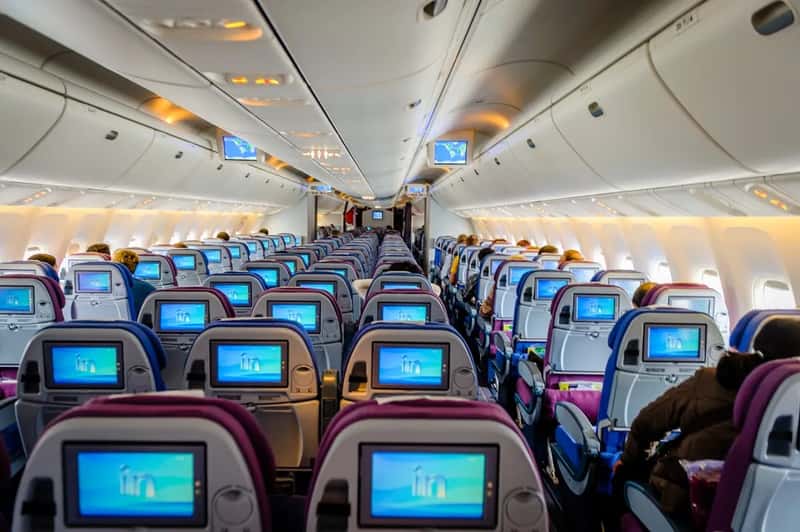
On flights that clearly didn’t fill up, there’s often a quiet window right after the doors close when crew members are willing to help passengers spread out. Crews would almost always rather see passengers comfortable than sitting shoulder-to-shoulder in a half-empty cabin.[1]
Timing matters more than people realize. Asking too early, before boarding fully wraps, usually gets a “let’s wait and see,” while asking right after the door closes, when the seat map is final, tends to get the best results.[1] Wait for that window, and the odds shift in your favor.
3. A seat swap to sit with family or friends
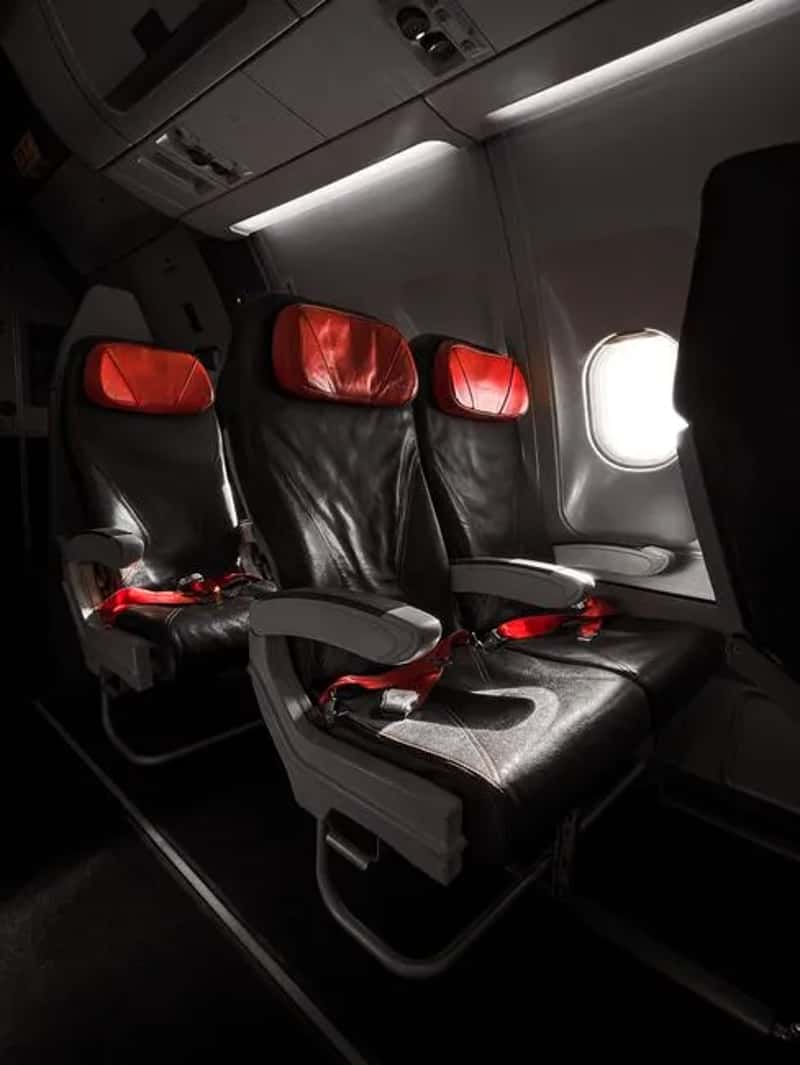
Split-up families are one of the most common headaches crews deal with, and also one of the easiest to fix if someone simply asks. One of the most frequent asks flight attendants receive comes from passengers hoping to switch seats, and many simply wish to sit closer to family or friends.[1]
It’s not guaranteed, especially on a full flight, but crews generally try to make it work when there’s flexibility in the seat map. Seat-swap requests are among the most common things crews hear on every single flight.[1] A calm, direct ask beats waiting anxiously and hoping someone notices.
4. An extra blanket or pillow on long-haul routes
Long-haul aircraft typically carry more bedding than gets handed out during the first cabin walk-through. Long-haul flights often carry more blankets and pillows than get distributed on the first pass.[1] That leftover stock doesn’t advertise itself.
If the cabin felt chilly or you dozed off before the first pass came around, it’s worth asking later in the flight rather than assuming supplies ran out. Crews generally keep a small reserve tucked away for exactly this situation. It costs nothing to ask, and the answer is usually yes.
5. A full can of soda instead of a half-filled cup
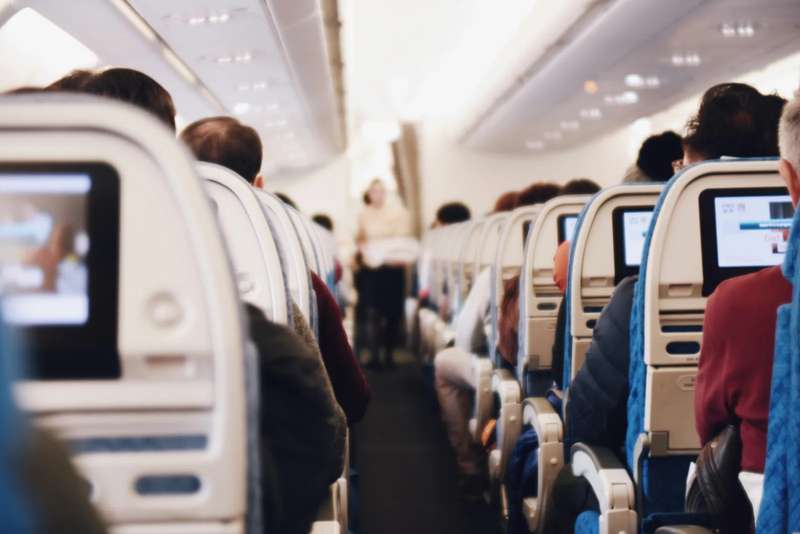
Anyone who has watched a flight attendant pour soda from a can into a tiny plastic cup knows the fizz rarely cooperates. Rather than fighting that battle repeatedly, many crew members will simply hand over the whole can if a passenger asks directly. Rather than fight the fizz cup by cup, many will simply give you the entire can if you ask, which saves time for everyone and has quietly become one of the more useful tricks seasoned flyers pass along.[2]
It’s a small thing, but it saves a return trip down the aisle for both the passenger and the crew member. On longer flights especially, it’s one less interruption for everyone involved.
6. Activity kits or small toys for kids
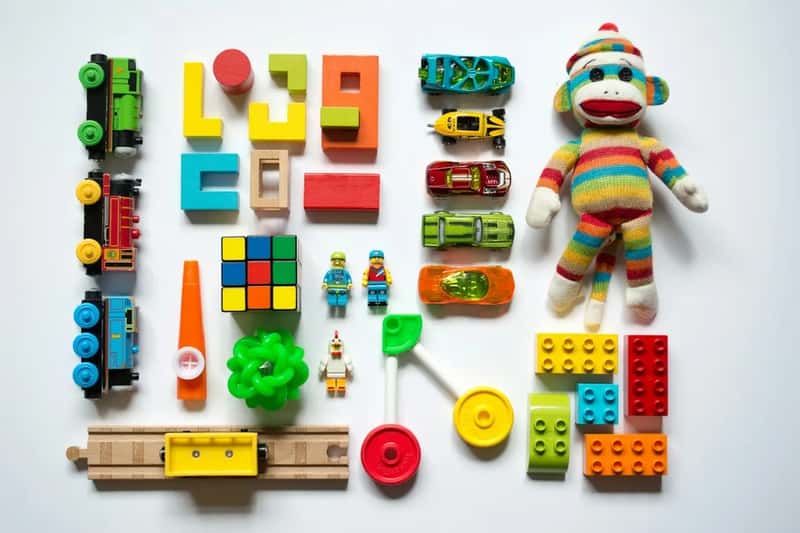
Traveling with young children gets easier when crews step in with distraction tools that aren’t always advertised. Toys are a fun freebie, distributed as part of some airlines’ award-winning service, though on other carriers you often need to ask the flight attendant whether their children’s travel kit is available.[3]
Policies vary quite a bit by airline, so what’s automatic on one carrier might require a simple question on another. It rarely hurts to ask when boarding with a restless toddler in tow. Crews tend to appreciate parents who ask early rather than mid-meltdown.
7. Free Wi-Fi through loyalty accounts
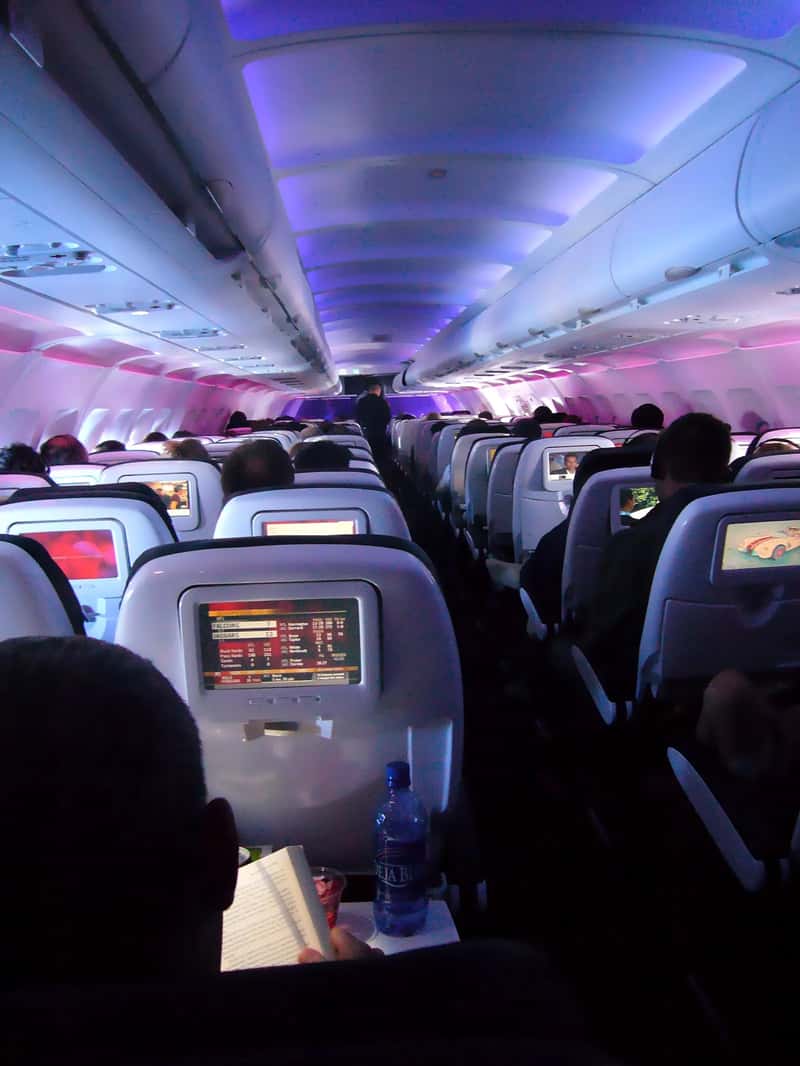
Not every passenger realizes that internet access on some airlines is tied to loyalty program membership rather than a flat fee. Free Wi-Fi is slowly becoming a perk on many major airlines once you create an online account with the company, and JetBlue offers fast, free Wi-Fi across every plane while Delta offers complimentary internet to SkyMiles members.[3]
Crew members can sometimes point passengers toward the right sign-up screen or explain why a connection isn’t working as expected. It’s less about a hidden favor and more about knowing the fine print most people skip past. A quick question before takeoff can save frustration later.
8. Small comfort items tucked away in the galley
Beyond drinks and snacks, most galleys carry a modest stash of practical extras that rarely get mentioned unless someone asks. Depending on the airline, small but useful miscellaneous items may be available to passengers upon request, tailored to common in-flight needs, such as pens, writing paper, plastic bags, and over-the-counter pain relievers for minor discomforts like headaches.[3]
These aren’t secrets exactly, just items that don’t come up unless a passenger has a specific need. A headache, a leaky snack wrapper, or a form that needs filling out mid-flight are all reasonable moments to ask. Crews generally keep these on hand precisely because passengers do ask.
9. A small gesture for a birthday or celebration

Mentioning a special occasion won’t get anyone bumped to business class, no matter what social media suggests. Mentioning a birthday or anniversary doesn’t automatically get you a free upgrade, no matter what social media says, and airlines rarely bump passengers to a better cabin just because they’re celebrating something.[4]
Still, sharing the news casually often leads somewhere pleasant, just on a smaller scale. It’s not nothing, either, since broadcasting happy news to the crew tends to lead to small good things even when a full upgrade isn’t in the cards, and the realistic outcome is typically a free dessert-level gesture rather than a seat change.[4] Passengers who mention it warmly, without expecting anything, tend to be the ones who actually get something extra.
None of these nine things require insider connections or a lucky flight. They mostly come down to knowing what’s realistic, asking at a sensible moment, and treating the request as a small favor rather than an entitlement. Crews notice the difference, and it tends to show in how they respond.