Ask a few chilangos, as people from Mexico City are known, what visitors tend to misjudge, and the answers come quickly. Most aren’t complaints. They’re small things that spoil an otherwise good trip.
Some of the mistakes come from packing, some from money, and some from assumptions about the city that don’t quite fit. Here are nine that come up again and again, with recent guides and reporting to back them up.
Assuming the Weather Will Be Hot
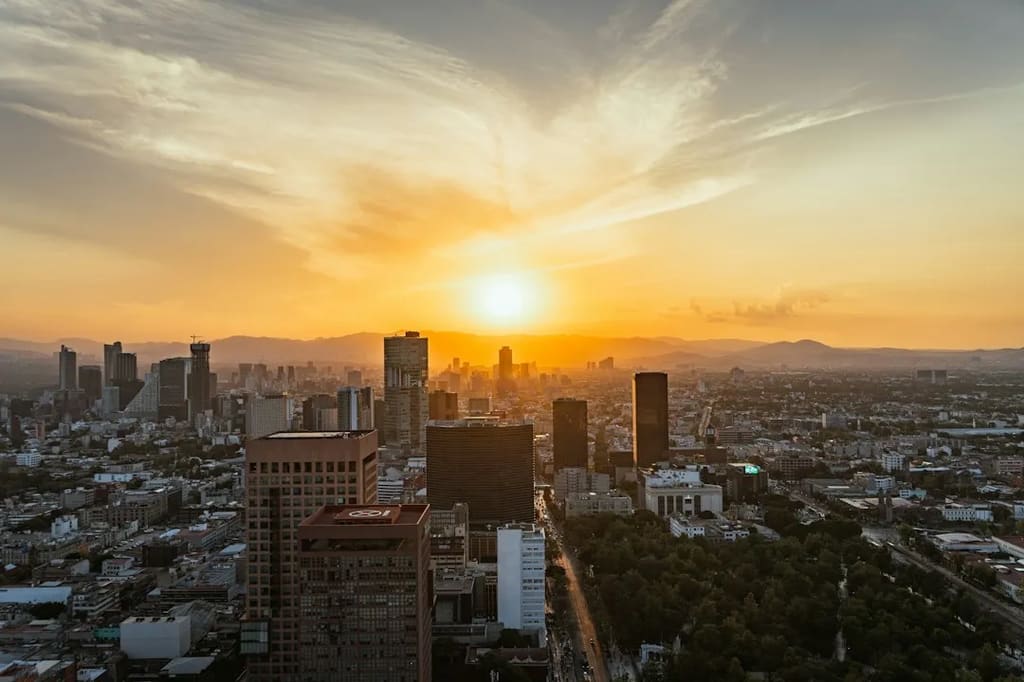
Many visitors pack for the beach and expect the whole country to feel like Cancún. Mexico City has a subtropical highland climate with rather mild weather throughout the day.[1] Summer nights are cool, and winter temperatures can drop to freezing.[2]
Rain is the other surprise. The rainy season mostly arrives in the afternoon and leaves by evening.[3] From July to October, mornings suit most activities, but afternoon rain is likely.[4] A light jacket and something waterproof will serve you better than a third pair of shorts.
Brushing Off the Altitude
The city sits at about 2,240 meters, or roughly 7,350 feet. That’s higher than any capital in Europe and higher than every major city in the United States and Canada.[3] Locals notice the visitors who cram a huge itinerary into day one and then wonder why the stairs feel like a workout.
Most travelers need 24 to 72 hours to adjust.[5] Some visitors get headaches, breathlessness on stairs, fatigue, and disrupted sleep in the first day or two.[6] Advice includes drinking plenty of water, avoiding alcohol, and limiting intense exercise early on.[5] One guide estimates that a beer at this elevation hits more like a beer and a half at sea level.[6]
Believing the Scary Headlines or Ignoring Common Sense
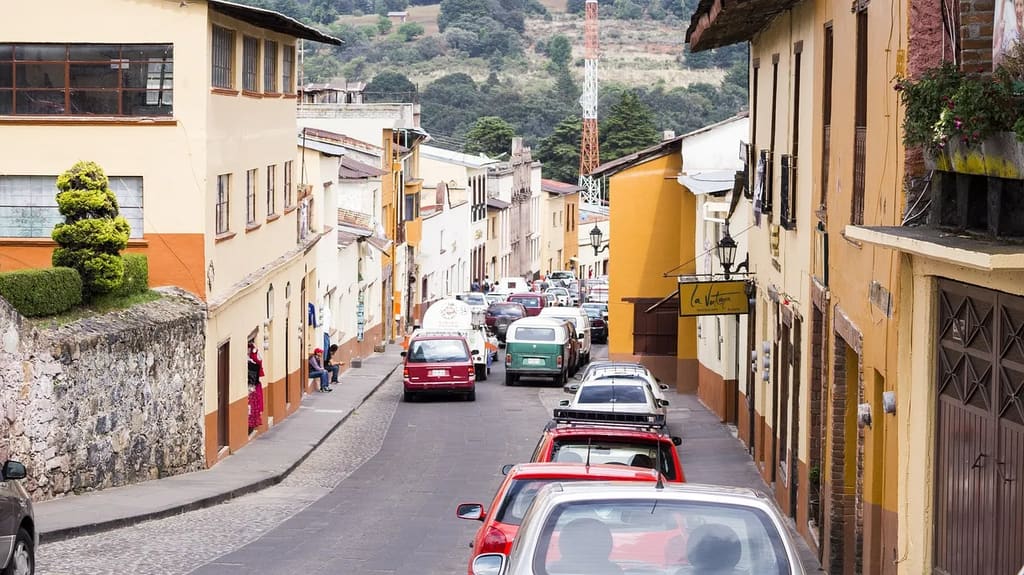
Locals tend to push back on both extremes. Some neighborhoods are less safe than others, but they’re easy to avoid.[4] A guide from a travel site that has been through it suggests checking the neighborhood before setting off, rather than following Google Maps blindly.[7]
The scams are fairly specific. Some tourists have been approached by people posing as plainclothes police, though real officers generally don’t stop tourists at random and demand cash.[8] At the airport, the advice is to avoid unsolicited rides and use authorised transport or a prebooked transfer.[7] A ride share app offers a transparent flat fare.[8]
Getting Tipping Slightly Wrong
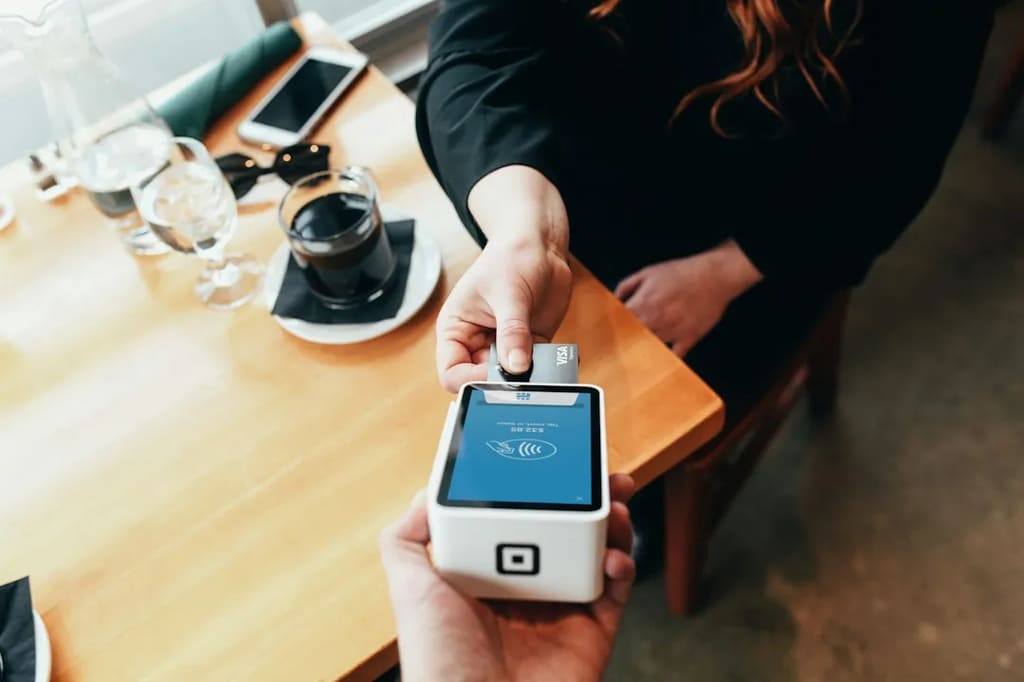
Tipping, or la propina, confuses plenty of visitors. It isn’t legally mandatory in Mexico.[9] Still, the custom is strong: ten to fifteen per cent in restaurants, with fifteen per cent now the norm in upscale Mexico City restaurants.[10] At a taquería or a fonda, ten per cent or rounding up is normal.[10]
Check the receipt first. If it says propina incluida or servicio incluido, the tip is already on the bill.[10] Guides disagree on cards. One advises paying by card and leaving the propina in pesos, since a card tip may not reach the server.[10] Another notes that many restaurants ask whether you want to add a tip and then enter the amount you name into the terminal.[9]
Showing Up With the Wrong Kind of Money
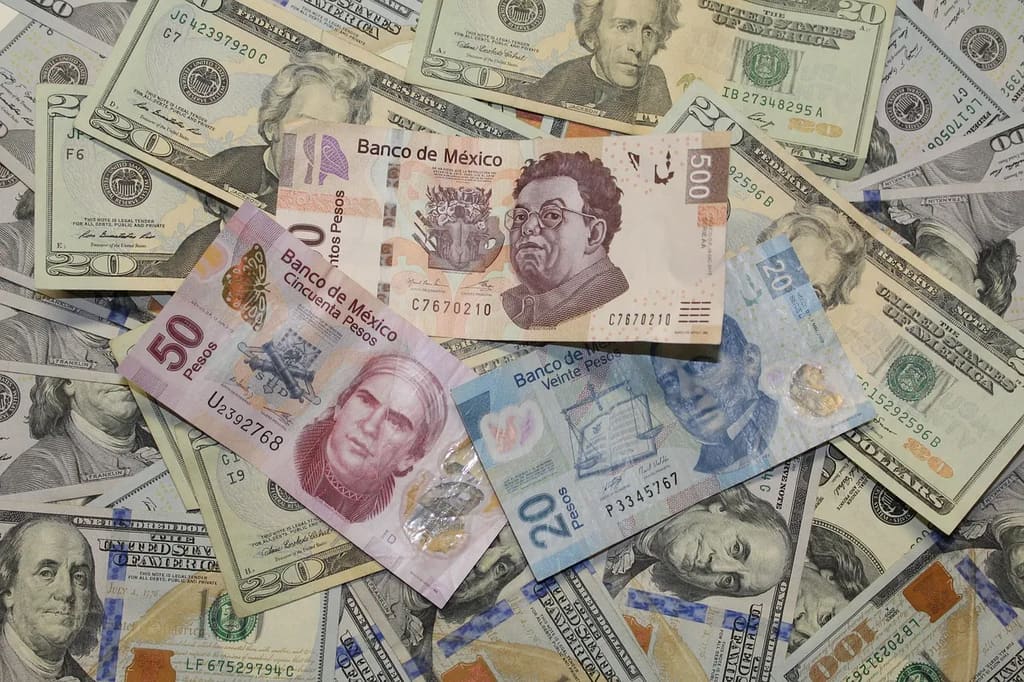
Dollars aren’t the local currency, and locals say so plainly. Traveler advice from residents notes that markets often won’t take cards, and the city doesn’t accept USD.[11] That surprises more people than you’d think.
Denominations matter too. One listed mistake is carrying only large bills of pesos.[1] The 10 peso coin is described as the workhorse of tipping in the capital.[12] Cards work at most restaurants and hotels in major cities, though tipping is still overwhelmingly cash.[13] For cash, withdraw a small amount from a bank ATM rather than a random machine.[7]
Fearing Street Food and Underestimating the Salsa
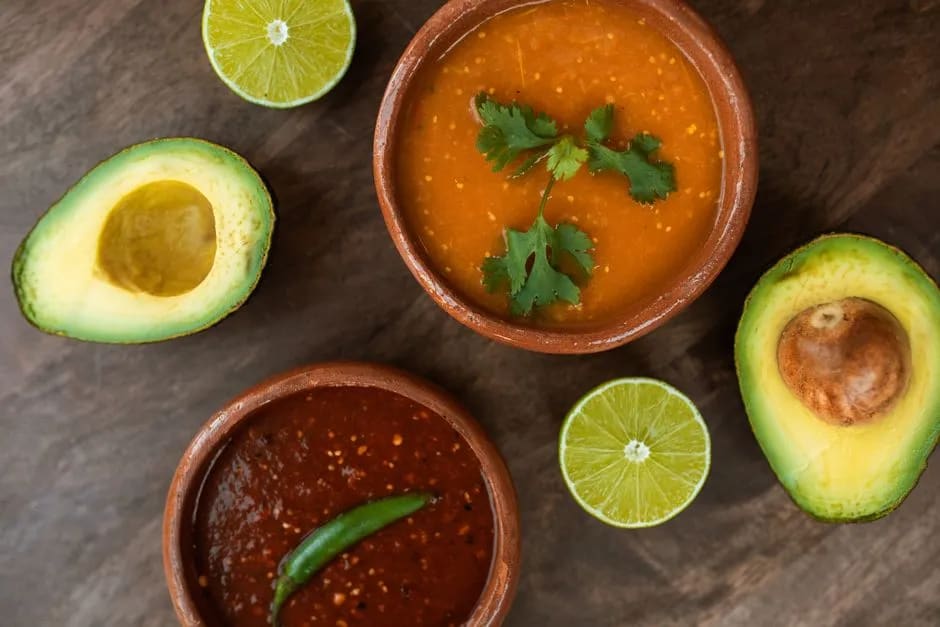
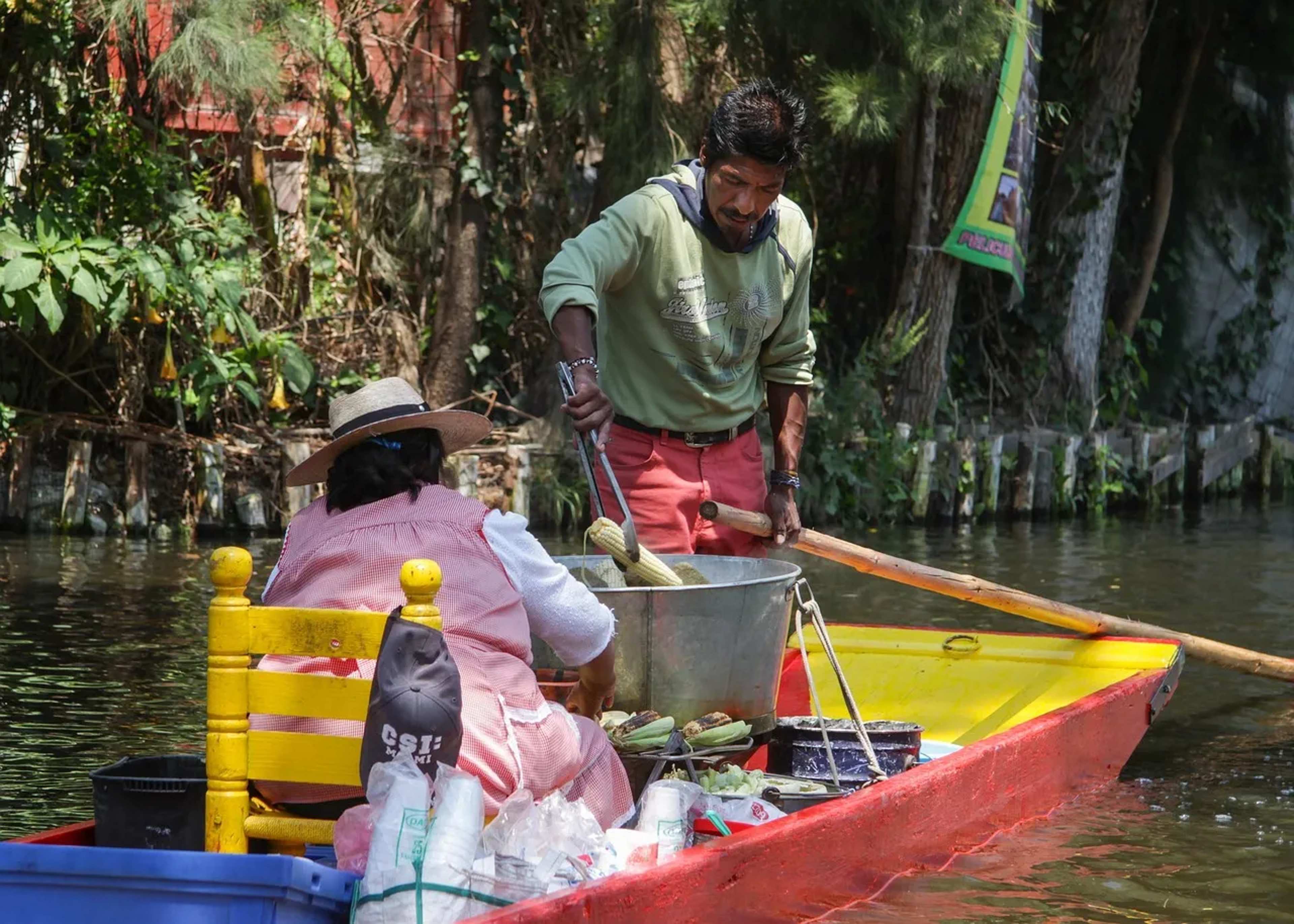
Avoiding street stalls out of worry is a common regret. One travel magazine calls fear of street food among the biggest trip killers in Mexico City.[14] A language school guide points out that people often assume the dirty street or hands are the risk.[4] It adds that the only potentially risky item is the sauce.[4]
Heat is the other trap. Hotels.com lists underestimating spiciness levels[1] as a classic mistake, and it also flags mistaking Tex Mex for authentic Mexican food.[1] Locals also warn against overdoing it. Trying everything in one day can bring on Montezuma’s revenge.[11] Pace yourself across several meals instead.
Eating and Scheduling on Home Time
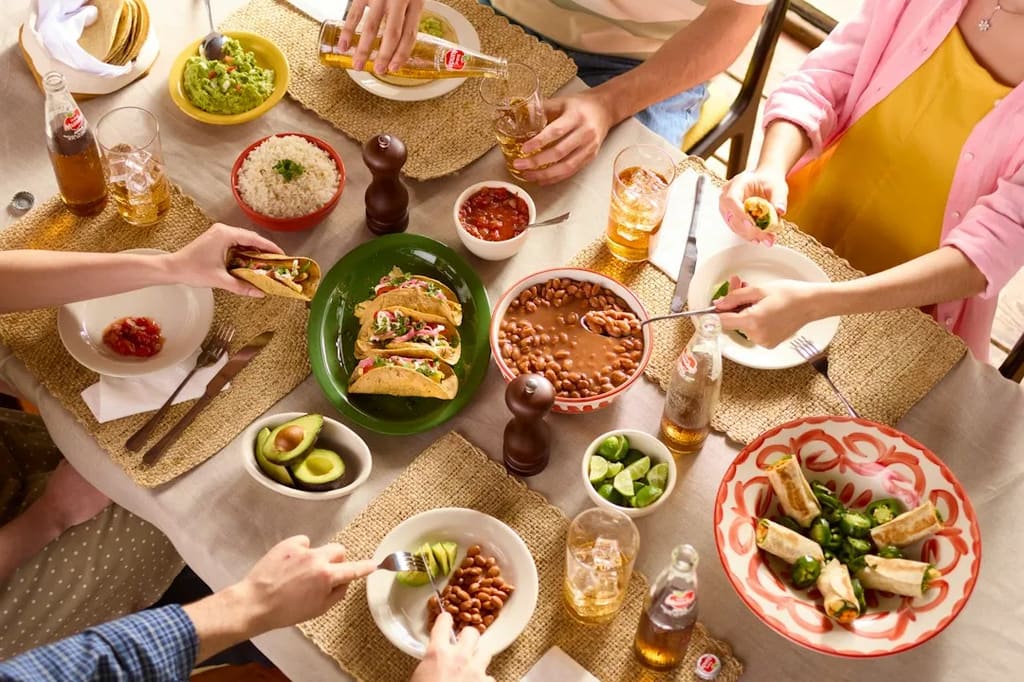
Dinner is later than many visitors expect. Restaurants fill from 8:30 p.m. onward, so arriving at 6:30 p.m. marks you immediately.[15] Lunch is the main meal, and dinner comes much later than in the U.S.[16]
Related Stories From Travelbinger

Distances and traffic cause their own trouble. One guide says overpacking an itinerary is a mistake because distances and traffic are easy to underestimate.[7] Planning each half day around one area is the suggested fix.[7] The metro is no escape during rush hour, since la hora pico is complicated even for entering the subway.[17]
Treating Two Neighborhoods as the Whole City
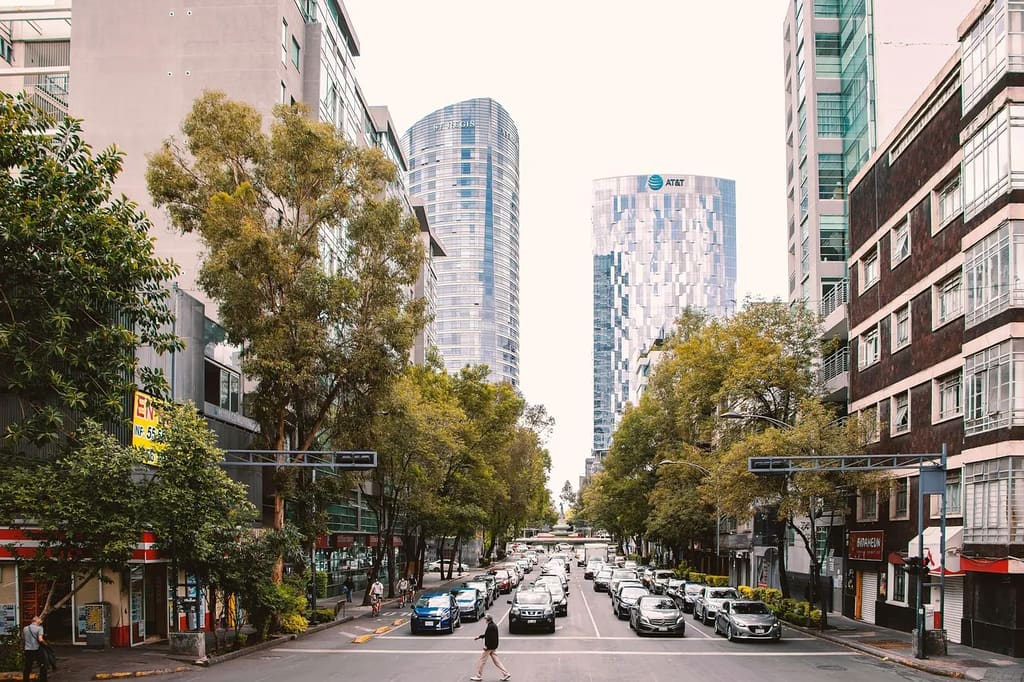
Roma and Condesa get most of the attention. A local writer observes that for some tourists, the Mexico City they love is limited to a handful of neighborhoods.[18] Travel guides suggest comparing Roma Norte, Condesa and Polanco before automatically booking Downtown.[7] The city is far bigger than any short list.
Those two neighborhoods also became a flashpoint. On July 4, 2025, hundreds protested gentrification and mass tourism, and a small number began smashing storefronts and harassing foreigners.[19] President Claudia Sheinbaum said the protest was marked by xenophobia.[20] One organizing group said it was completely against physical violence and denied that the protests were xenophobic.[21] Mayor Clara Brugada later announced a plan to stop landlords raising rents above inflation.[20]
Mixing Up Cinco de Mayo and Expecting English Everywhere
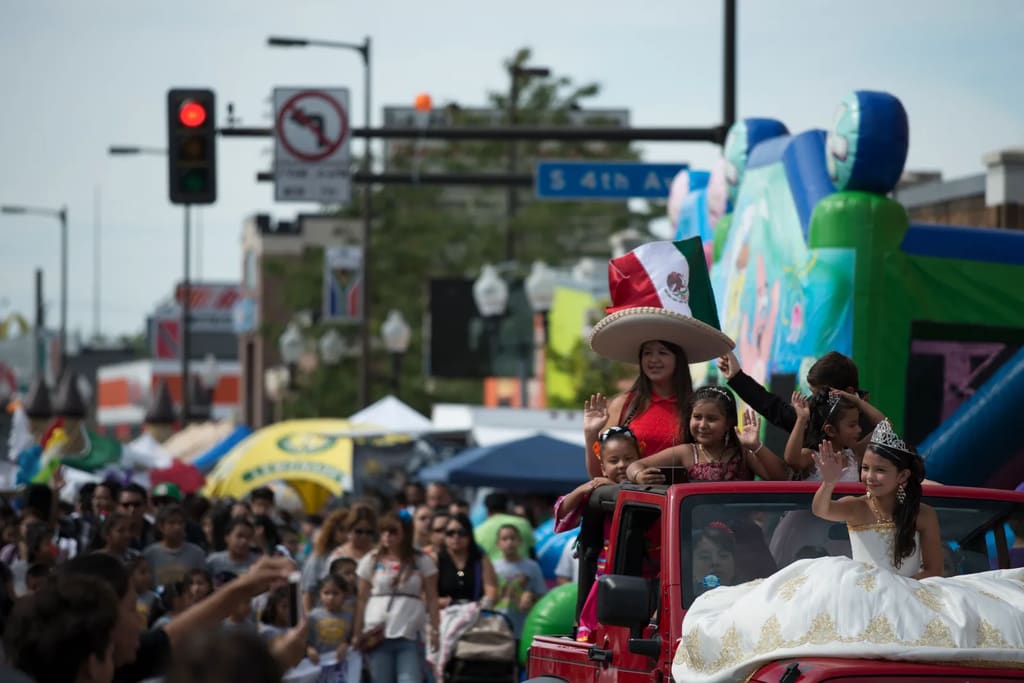
Many foreigners treat Cinco de Mayo as Mexico’s big national party. It’s a regional commemoration of an 1862 battle, not widely celebrated in Mexico, and almost unknown as a holiday in Mexico City.[15] Independence Day is September 16, one of the most important days on the national calendar.[15]
Language is the other common slip. English is available in hotels, major tourist sites and upscale restaurants in cities like Mexico City.[15] Yet assuming it’s available everywhere, and making no attempt at Spanish, is among the most common ways visitors show a lack of interest.[15] A few basic greetings go a long way, since saying a few things in Spanish suggests you care about Mexican culture and connecting with locals.[4]