Travel is supposed to feel like freedom, yet for a lot of people it does the opposite. The moment control shifts to someone else, a pilot, a driver, a tour guide, a border agent, anxiety can creep in fast. Understanding which specific moments tend to set this off makes it easier to prepare for them, or at least stop feeling blindsided when they happen.
Psychologists who study anxiety often point out that the fear isn’t really about the situation itself. It’s about the feeling of having no way to influence the outcome. Below are nine common travel scenarios where that dynamic shows up again and again.
1. Turbulence during a flight

Turbulence is one of the most universally reported triggers for travel anxiety, and it makes sense why. You’re strapped into a seat thousands of feet in the air, the plane is shaking, and there is nothing you personally can do about it. That combination of physical helplessness and unpredictability hits directly at the core of control-related fear.
Aviation experts consistently note that turbulence, while uncomfortable, is rarely dangerous to modern aircraft, which are engineered to withstand far more stress than passengers experience. Still, knowing the statistics doesn’t always calm the nervous system in the moment. For many travelers, the unpredictability of when it will happen and how long it will last is what makes it so unsettling.
2. Being a passenger on winding mountain roads

Sitting in the passenger seat while someone else navigates sharp switchbacks or narrow cliffside roads can trigger a very specific kind of dread. Unlike driving yourself, you have no steering wheel, no brake pedal, and no direct way to react to what’s ahead. Popular mountain routes in places like the Andes, the Alps, or parts of Southeast Asia are frequently cited by travelers as anxiety-inducing precisely because of this loss of agency.
The fear here often intensifies when the driver is unfamiliar, whether that’s a taxi operator abroad or a tour bus driver whose skill level is unknown. Travelers sometimes describe gripping the seat or avoiding looking out the window entirely. It’s less about the actual danger level of the road and more about not being the one in charge of the vehicle.
3. Getting stuck in immigration or customs lines
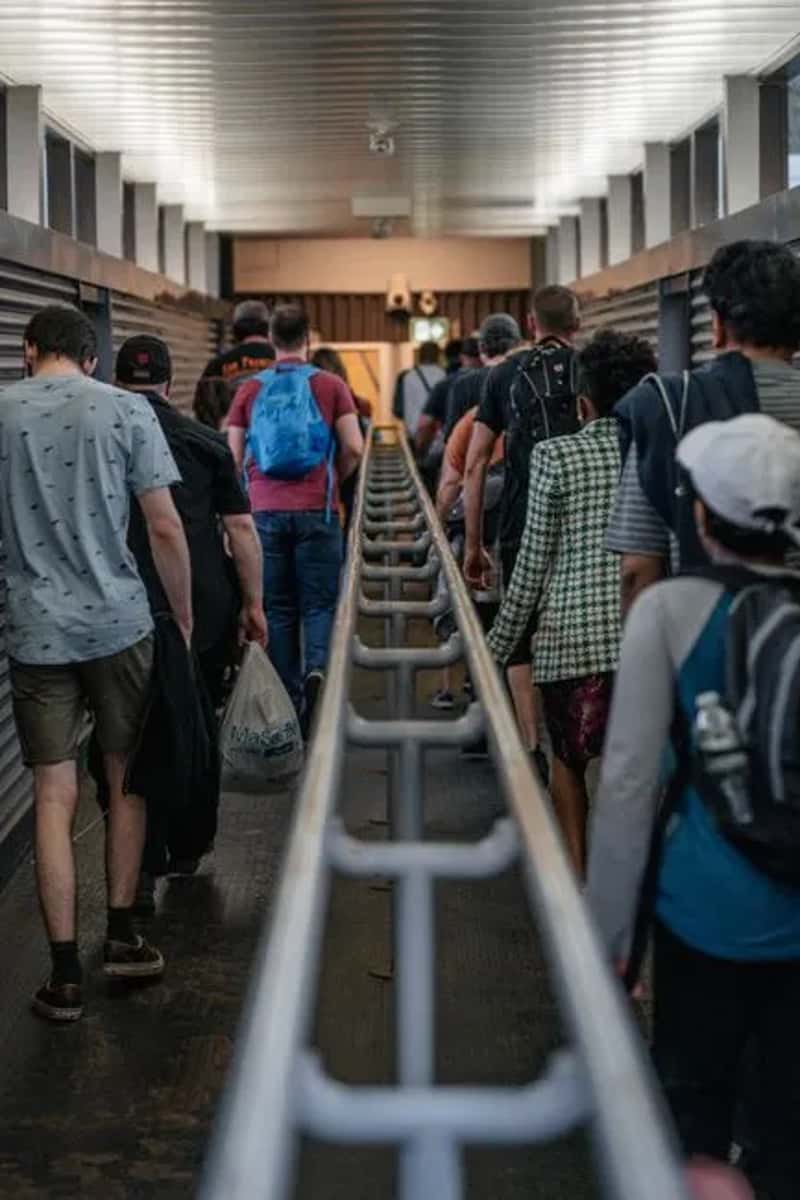
Standing in an immigration line in a foreign country, unsure how long the wait will take or whether paperwork is in order, is a classic control-loss scenario. Travelers can’t speed up the process, can’t argue with procedure, and often can’t even get clear information about what’s happening or why there’s a delay. This kind of ambiguous, open-ended waiting is known to spike anxiety more than situations where the timeline is at least predictable.
Language barriers can make this worse, since travelers may not fully understand instructions being given or questions being asked. Even people who are generally calm and organized can feel a jolt of unease here, simply because the entire process is dictated by someone else’s rules, pace, and mood.
4. Flight delays and cancellations with no clear timeline
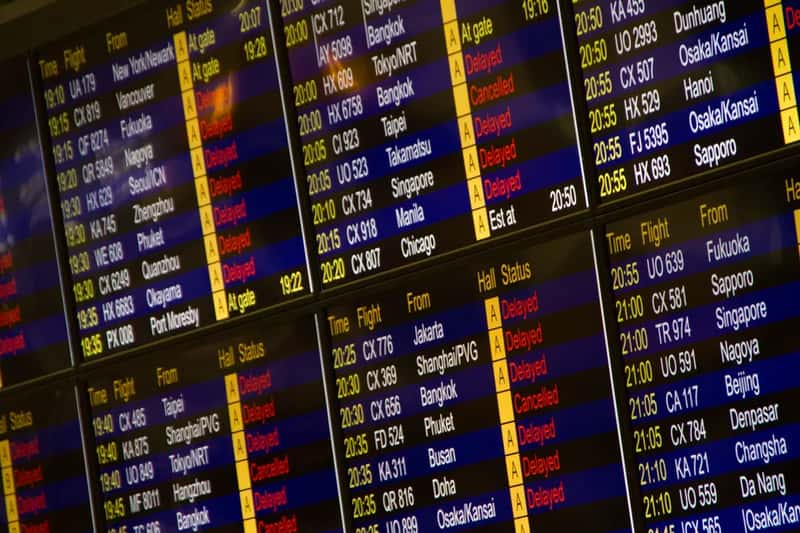
A delayed flight is frustrating on its own, but it becomes genuinely anxiety-provoking when there’s no estimated time of departure and no clear explanation. Airlines don’t always communicate proactively, leaving passengers to stare at departure boards that simply say “delayed” for hours at a time. This uncertainty, more than the delay itself, is often what drives people toward frustration or panic.
Airline disruptions became a heavily discussed issue in 2024 and 2025, with widespread cancellations tied to weather events, air traffic control staffing shortages, and technical outages affecting major carriers. Travelers stuck in these situations often report feeling powerless not just over the delay, but over rebooking, missed connections, and cascading effects on hotels or other reservations. The lack of a fixed timeline turns a manageable inconvenience into a genuine trigger for control-related anxiety.
5. Riding in unfamiliar or unregulated taxis abroad
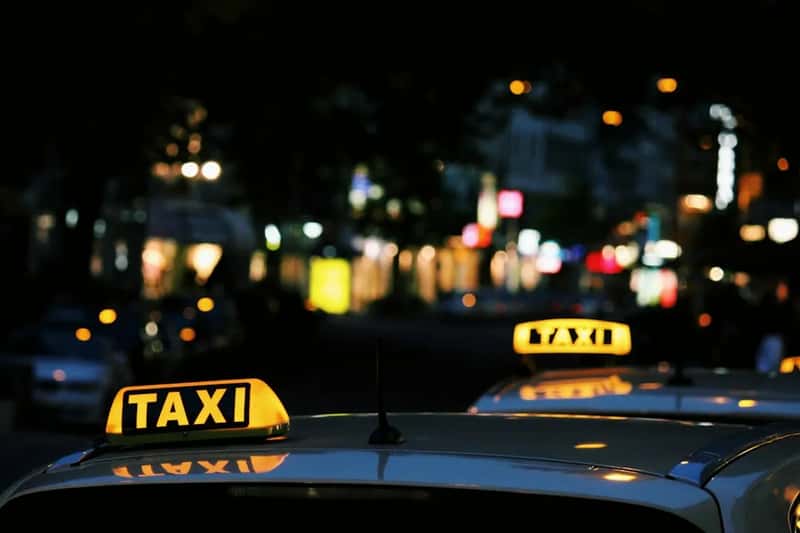
Getting into a taxi in a country where regulations, licensing, or safety standards are unclear can bring on a distinct kind of vigilance. Travelers often don’t know the route being taken, can’t verify the driver’s credentials, and may not speak the local language well enough to ask questions. This lack of verifiable information is a direct hit to the sense of control that many people rely on to feel safe.
Ride-hailing apps have helped reduce some of this anxiety in major cities by adding driver ratings, GPS tracking, and fare transparency. However, in smaller towns or regions where these apps aren’t available, travelers are often left negotiating fares and trusting strangers with limited information. The unpredictability of not knowing exactly where you’re going or how the ride will unfold is enough to trigger real unease for many people.
6. Being on a boat or ferry in open water
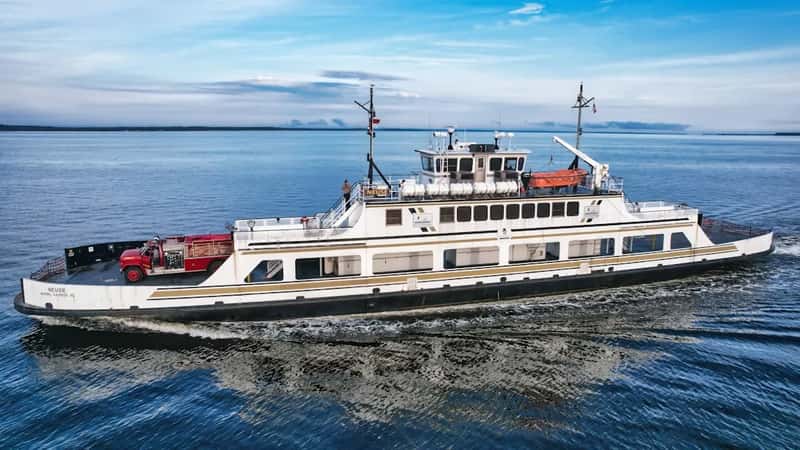
Water travel introduces its own layer of control-related fear, particularly when the vessel is small, the water is choppy, or the trip crosses open ocean rather than a calm bay. Unlike a car, there’s no pulling over, and unlike a plane, there’s no smooth cruising altitude above the weather. Passengers are entirely dependent on the crew, the vessel’s condition, and the sea itself.
Ferry incidents, even when rare, tend to receive significant news coverage, which can amplify existing anxieties for travelers researching a route beforehand. The sensation of a boat rocking unpredictably, combined with limited visibility of what’s happening mechanically, mirrors the same helplessness reported in turbulence-related fear. Many travelers say the anxiety peaks not during rough water itself, but in the anticipation of it while checking forecasts beforehand.
7. Losing a passport or essential documents overseas
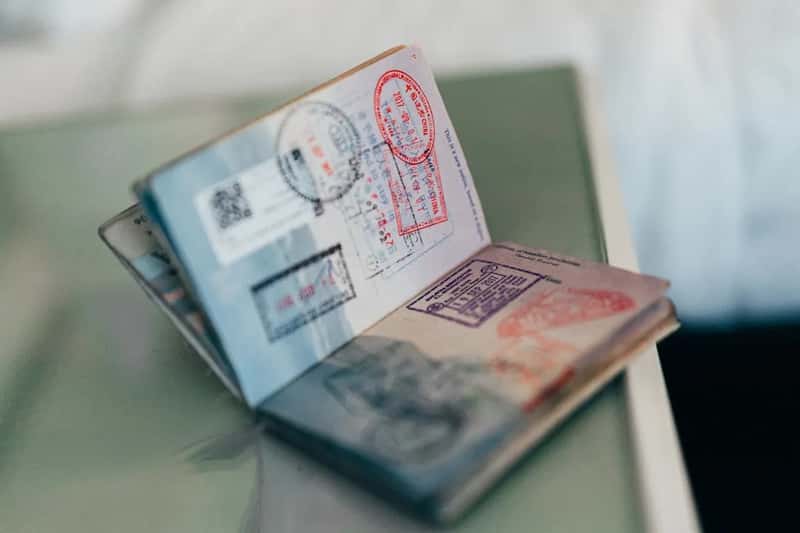
Realizing a passport, ID, or critical travel document is missing while abroad can trigger a sharp, immediate spike in anxiety. Suddenly, basic freedoms like crossing a border, checking into a hotel, or boarding a return flight are no longer guaranteed. The process of replacing documents typically involves embassies, appointments, and paperwork that unfolds on a timeline the traveler doesn’t control.
The U.S. State Department and similar agencies in other countries have streamlined emergency passport services in recent years, with some embassies now offering expedited same-day or next-day replacements in urgent cases. Even with these improvements, the gap between realizing something is lost and having it resolved is often filled with intense uncertainty. Travelers describe this scenario as one of the few moments where the loss of control feels tied to something with real, tangible consequences.
8. Navigating a foreign transit system without local language skills
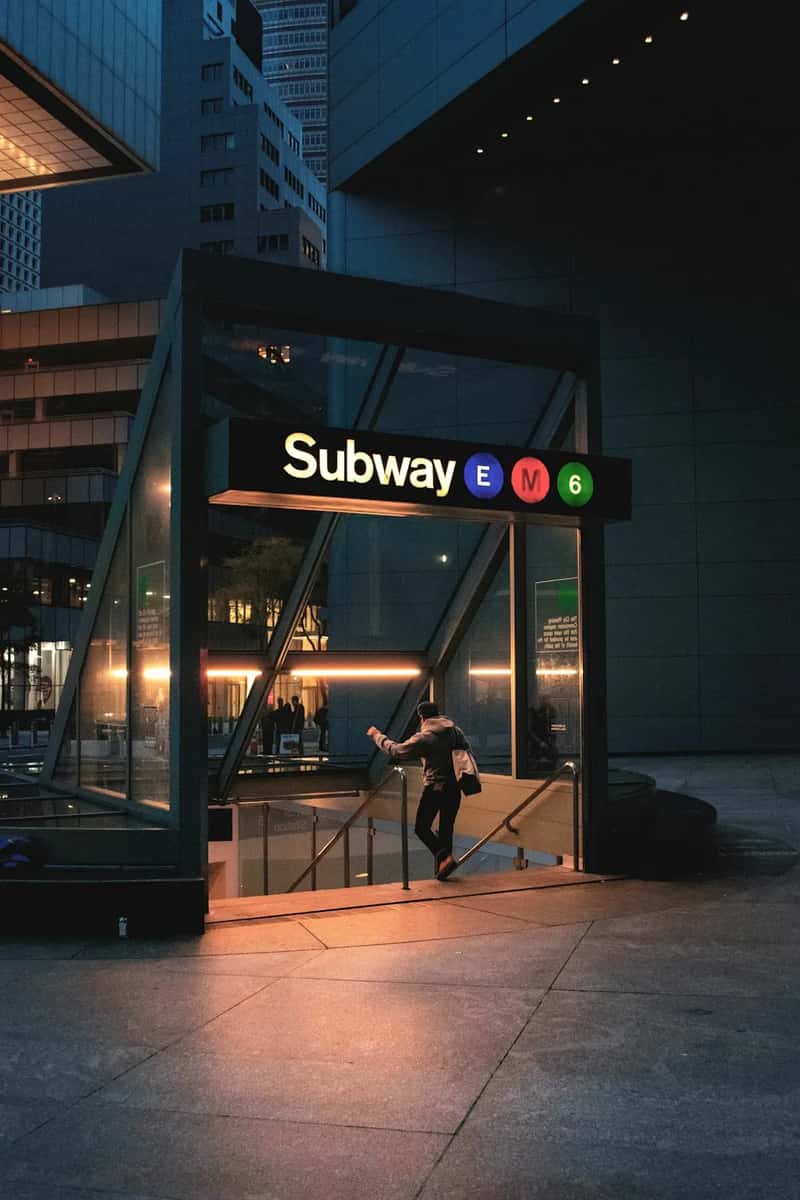
Trying to figure out subway maps, bus schedules, or train platforms in a country where signage isn’t in a familiar language can quietly build anxiety over the course of a trip. Small misunderstandings, boarding the wrong train or missing an announced platform change, can snowball into bigger disruptions. Travelers often can’t ask clarifying questions easily, which removes a normal coping mechanism people use to regain a sense of control.
Cities like Tokyo, Seoul, and Bangkok have made significant efforts to add multilingual signage and digital translation tools at major transit hubs in recent years, easing some of this pressure. Even so, smaller stations or less-touristed routes often lack these accommodations. The cumulative effect of constantly double-checking directions and hoping for the best can wear down even confident travelers.
9. Group tours with rigid schedules and unfamiliar guides

Joining a group tour means handing over control of the itinerary, pace, and daily decisions to a guide who is essentially a stranger. For travelers used to independent decision-making, this shift can feel surprisingly uncomfortable, even when the tour is well-organized. There’s often little room to deviate, ask for extra time somewhere, or skip an activity that feels overwhelming.
This dynamic is especially pronounced on tightly scheduled multi-country tours, where missing a departure time can mean being left behind entirely. Some travelers report feeling a low hum of anxiety throughout these trips, driven not by any single bad experience but by the constant awareness that they’re not the one setting the pace. It’s a reminder that control-related fear doesn’t always show up dramatically. Sometimes it’s just a quiet, persistent unease running in the background of an otherwise enjoyable trip.