Every year, the debate over which country actually treats its workers best gets a little more data behind it. The latest edition of Remote’s Global Life-Work Balance Index, which continues to shape the 2026 conversation on where people work fewer hours and live fuller lives, has done exactly that. It weighs paid leave, healthcare access, wages, safety, and happiness to produce a single score out of 100 for sixty of the world’s largest economies.
The results won’t shock anyone who’s followed these rankings before, but the details are worth a closer look. Europe still dominates the upper half of the table, though a couple of familiar non-European names hold their ground too. Here’s how the eight highest scorers broke down and what actually earned them their spots.
1. New Zealand

New Zealand held onto the top spot for a third consecutive year, and it wasn’t particularly close. New Zealand performed well across each category, with a score of 86.87, and workers there enjoyed 32 days of paid leave, six months of fully paid maternity leave, and one of the world’s highest minimum wages at $16.42 an hour. That combination of generous time off and solid pay is rare enough on its own.
What really sets New Zealand apart, though, is the cultural attitude behind the policy. The unique Kiwi culture strikes a sweet spot between productive and relaxed, and the “clock-off culture” is real, with people finishing work and heading straight for the bush or the beach. It’s less about legislation forcing balance and more about a workplace norm that simply expects people to log off and live their lives.
2. Ireland

Ireland has settled comfortably into second place, and the numbers back up why. Ireland scored 81.17 points, coming in second place overall. A relatively high minimum wage paired with strong social protections keeps it well ahead of most of the pack.
Safety and community also factor heavily into Ireland’s appeal. Along with Austria, Ireland is considered the safest country to live and work in of all those analyzed, and it scores well across the board with a relatively high minimum wage and a generous maternity leave policy, offering 26 weeks off at 70 percent of income. That mix of security and support gives workers real breathing room outside the office.
3. Belgium
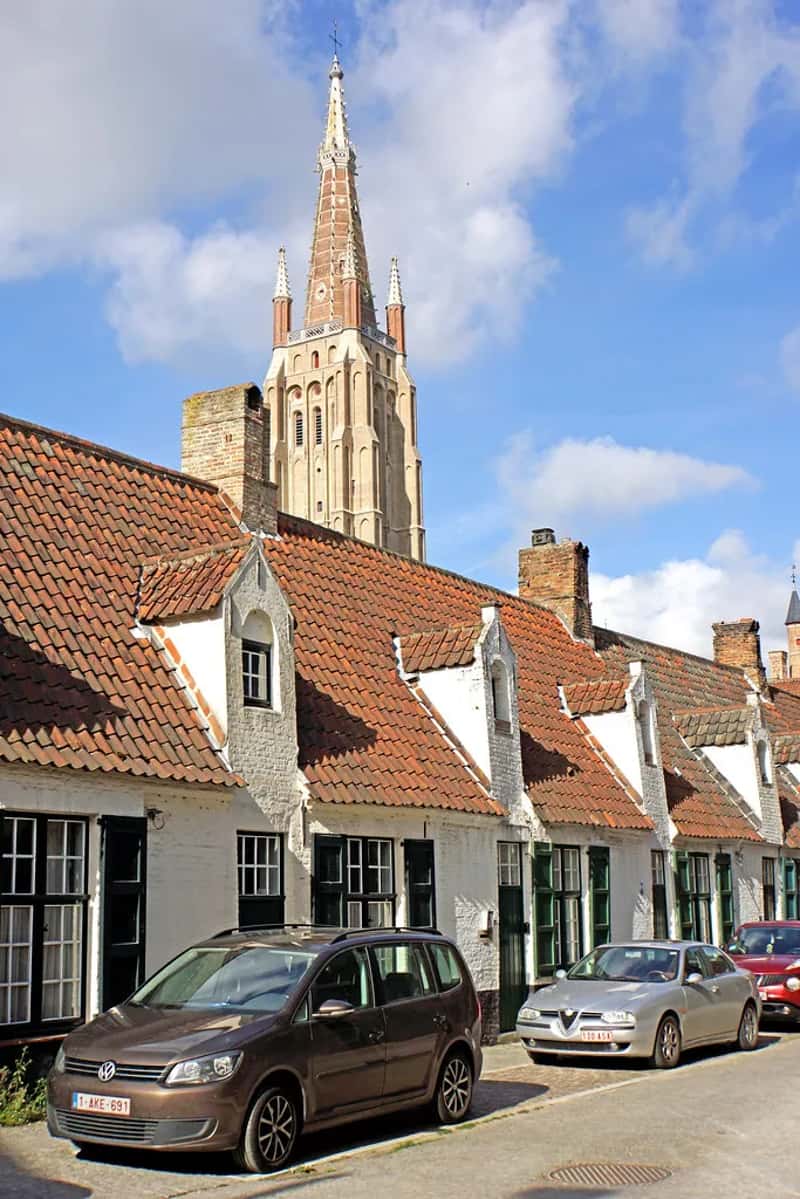
Belgium claimed third place again, cementing a run that’s now spanned multiple years. Belgium has one of the highest minimum wages in Europe, topped only by the United Kingdom and Germany. That wage floor, paired with dependable benefits, gives the country a strong foundation.
Belgians also don’t spend an excessive number of hours at their desks. Belgium scores well across metrics including statutory sick pay and maternity payment rate, with a happiness rating among the highest in Europe at 6.91 out of 10, and Belgians work relatively short working weeks of 34.1 hours on average. Shorter weeks and solid pay tend to add up to happier employees, and the survey data reflects that.
4. Germany
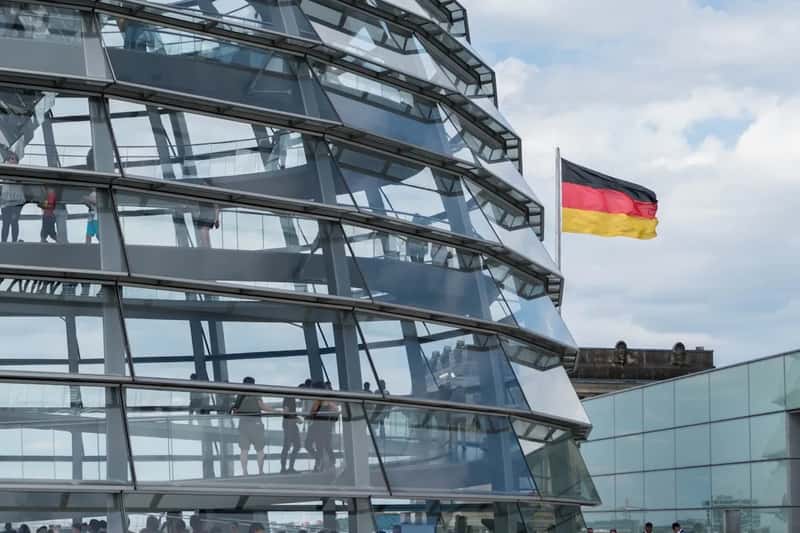
Germany climbed into fourth place this year, shedding some of the old stereotypes about rigid overwork along the way. Germany came in fourth with 74.65 points, and Norway rounded out the top five with 74.20 points. The rise wasn’t accidental either.
Several concrete policy shifts pushed Germany higher on the list. It was the high number of statutory holiday days, generally between 25 and 30, pay for maternity leave, a mixed statutory and private healthcare system, and comparatively low average weekly working hours of 33.2 hours that propelled Germany to the fourth spot, and employees facing serious illness are entitled to up to six weeks of sick leave with full pay. That’s a level of protection few other economies of Germany’s size can match.
5. Norway

Norway edged into fifth place, and parental leave is a big part of the story. Of the top five countries, employees in Norway are given the highest number of statutory holidays, 35 days per year, plus 12 public holidays. Few countries come close to that level of guaranteed time off.
Norway’s rise this year was also tied to specific legislative changes. The improvement was mainly due to an extension of parental leave options, with Norway having the most generous parental leave policy of all countries studied, and at 32.6 hours, Norway has one of the shortest work weeks in Europe on average. Shorter hours combined with expanded family leave made a real, measurable difference in the score.
6. Denmark
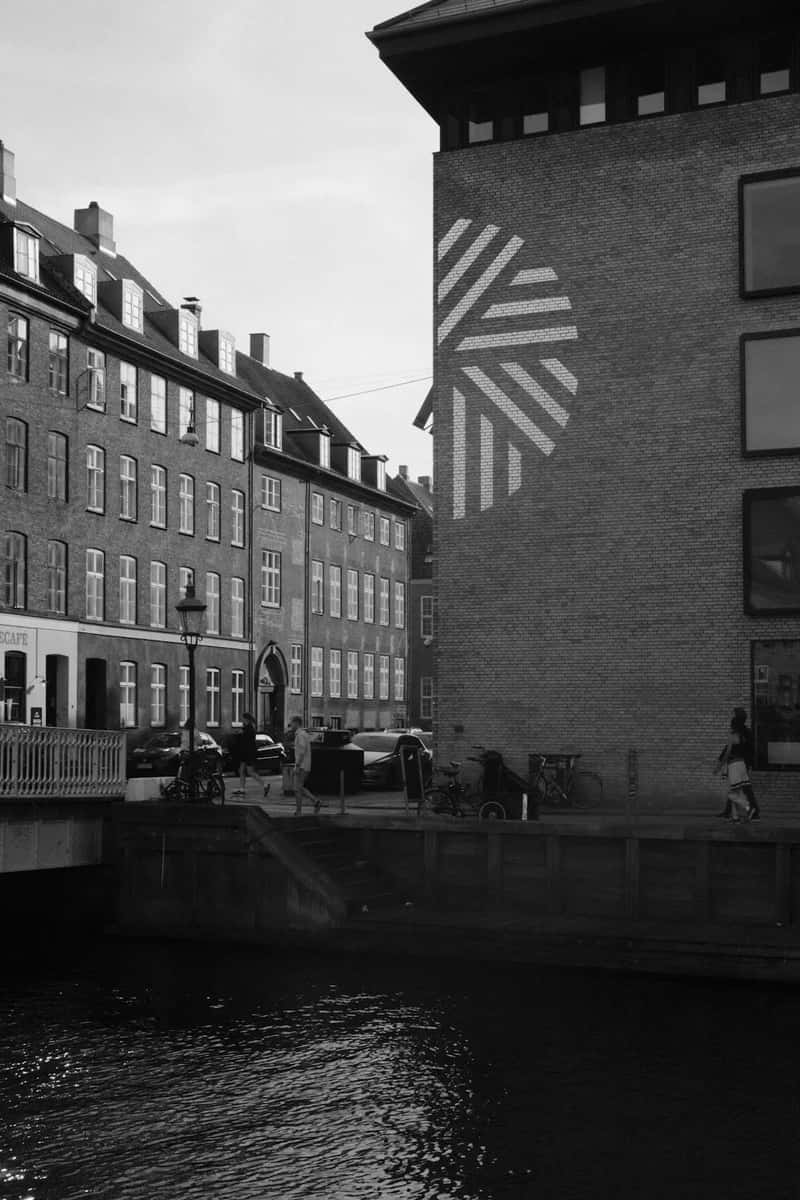
Denmark rounded out the top half of the table, and its reputation for a healthy personal-professional divide holds up under scrutiny. Denmark’s overall index score was 73.76, and the Danes have long been associated with a harmonious personal-professional divide. That balance shows up consistently across multiple happiness surveys, not just this one.
Denmark’s working hours and safety record also stand out. Denmark has one of the shortest average working weeks at 32.5 hours and is considered one of the safest and most LGBTQ+-friendly countries. Fewer hours logged each week, paired with a strong safety net, tends to translate directly into more usable free time.
7. Canada

Canada is the lone country from the Americas to break into the top ten, let alone the top eight, and that alone says something about the regional gap. Canada may have fallen two places this year, but it remains the only country in the Americas to feature in the top ten for life-work balance. A universal healthcare system and competitive wages help explain the staying power.
Canada’s appeal isn’t just about policy on paper either. All citizens and permanent residents receive universal healthcare, and a strong employment market welcomes foreign workers. That accessibility, combined with steady labor demand, keeps Canada firmly ahead of the rest of North America on this particular measure.
8. Australia

Australia rounds out the top eight, and wages are a major part of why it holds its place. Australia offers a world-leading minimum wage of $18.12, though its maternity leave offerings are less generous than its European counterparts. High pay compensates for some gaps elsewhere in the benefits structure.
Lifestyle factors matter here too, not just the numbers on a leave policy chart. Australia is known for stunning landscapes, laid-back culture, and a favorable year-round climate, with many states enjoying more than 3,000 hours of sunshine a year. It’s a reminder that climate and culture can carry real weight alongside statutory benefits when people are weighing where balance actually feels lived, not just legislated.
The bigger picture behind the rankings

The pattern across this year’s top eight is hard to miss. Seven of the ten highest scorers overall come from Europe, and the countries that do best share a common thread: mandated paid leave, capped working hours, and healthcare that doesn’t depend on employment status. By contrast, the United States sits 59th out of 60, scoring just 31.17.
That gap isn’t about wealth. It’s about policy choices, and this year’s index makes that distinction about as clear as a single ranking can.