Hotel bars have a certain charm. The lighting is soft, the stools are comfortable, and the happy hour menu promises a deal that feels almost too good to pass up. But after years of working the floor in hotel restaurants, I’ve learned that not every discounted item deserves a spot on your table. Some dishes just don’t hold up once the kitchen shifts into happy hour mode, and knowing which ones to avoid can save you from a disappointing bite and a wasted tab.
The truth is, happy hour menus are built around volume and speed, not always around the kitchen’s best work. Certain items get prepped hours in advance, sit under heat lamps, or rely on ingredients that were portioned for the dinner rush and repurposed for the discount crowd. Here’s what I’ve seen go wrong most often, and why I steer regulars away from these five picks.
1. The Seafood Tower
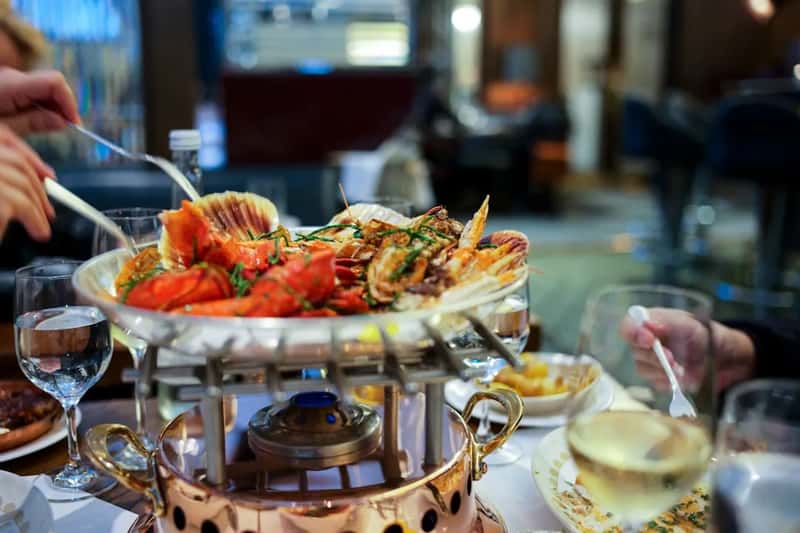
Raw bar items are the first thing I warn people about when the happy hour menu drops the price on a seafood tower. Oysters, shrimp, and crab need to be shucked and plated close to service, but during a discounted rush, kitchens often pre-shuck and store items longer than they should to keep up with orders. That extra sitting time affects texture and, more importantly, freshness, which matters a lot with raw shellfish.
Hotel restaurants also tend to source their raw bar ingredients for dinner service, meaning the happy hour version is frequently leftover inventory from the previous day’s delivery. I’ve watched line cooks scramble to plate towers quickly when a big group orders three at once, and corners get cut on presentation and ice rotation. If you want oysters, order them at full price during a slower window when the kitchen isn’t rushing.
2. Pre-Made Sushi Rolls
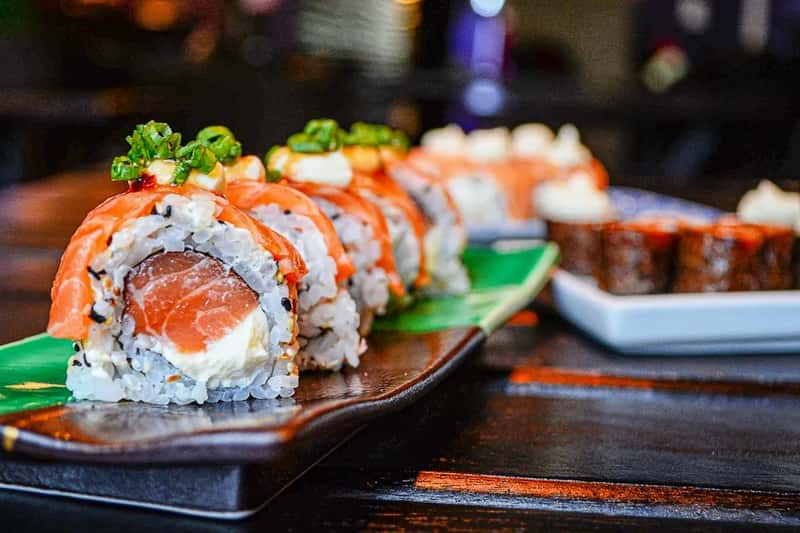
Hotel bars that offer sushi during happy hour almost always have it prepped well before the discount window opens. Rice loses its texture within a couple of hours at room temperature, and rolls that sit in a cooler for that long start to taste noticeably different from fresh-cut sushi. I’ve seen the same tray of California rolls get portioned out for hours because the sushi chef clocks out before the evening rush even starts.
The volume-based pricing structure of happy hour just doesn’t match how sushi is meant to be served. A good sushi program requires someone actively cutting and rolling in real time, and most hotel kitchens don’t staff for that during discount hours. If sushi is on your must-order list, save it for dinner service when a dedicated sushi chef is actually working the station.
3. Fried Appetizer Samplers
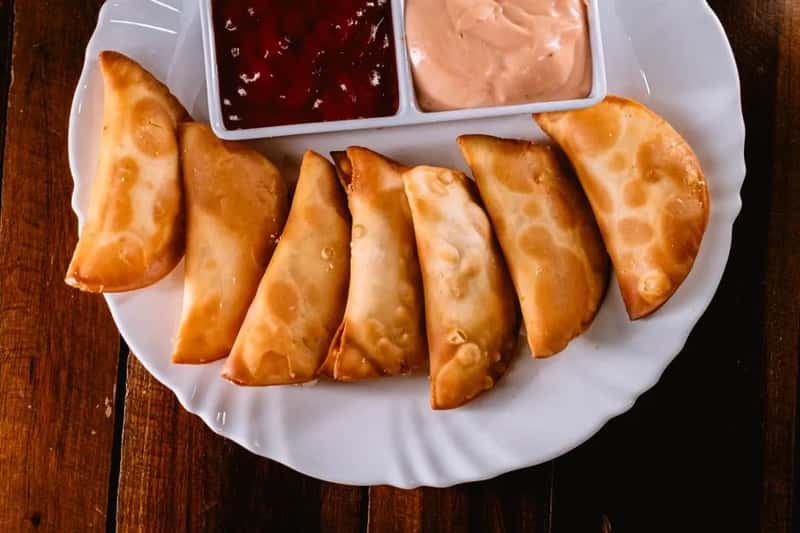
Combo platters with wings, mozzarella sticks, and fried pickles look appealing on a happy hour menu, but they’re often the first items to get batch-cooked and held under a heat lamp. Fryer oil that’s been used for hours starts to degrade, and food held too long turns soggy or develops that stale, reheated taste. I’ve personally sent back baskets to the kitchen because they came out lukewarm from sitting too long during a busy stretch.
These samplers are also popular precisely because they’re cheap to produce, which means kitchens sometimes stretch batches further than they should. The high turnover during happy hour makes it tempting for cooks to prep in bulk rather than cook to order. If you’re craving something fried, a single item made fresh will almost always beat the combo platter that’s been sitting under a warming lamp.
4. House Muddled Cocktails
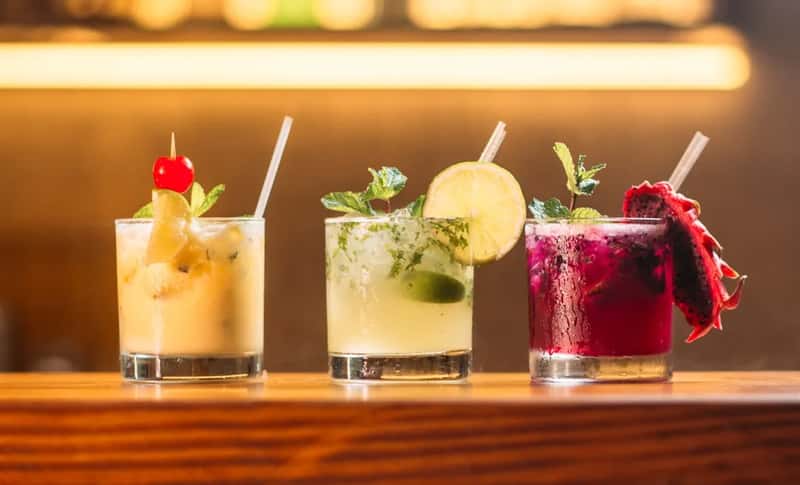
Specialty cocktails that rely on muddled fruit or fresh herbs are a gamble during happy hour rushes. Bartenders often pre-muddle large batches of citrus, mint, or berries at the start of a shift to speed up service, and those mixtures oxidize and lose their brightness within an hour or two. I’ve tasted the difference myself between a mojito made fresh and one poured from a pre-batched syrup that’s been sitting since the shift started.
The fast pace of happy hour also means bartenders are less likely to double-strain or garnish with the same care they would during a slower dinner service. Simple pours like wine, beer, or classic spirits on the rocks tend to hold up much better under pressure. If a cocktail depends on fresh ingredients for its flavor, it’s worth asking how recently it was prepped before ordering.
5. Discounted Steak Bites or Sliders
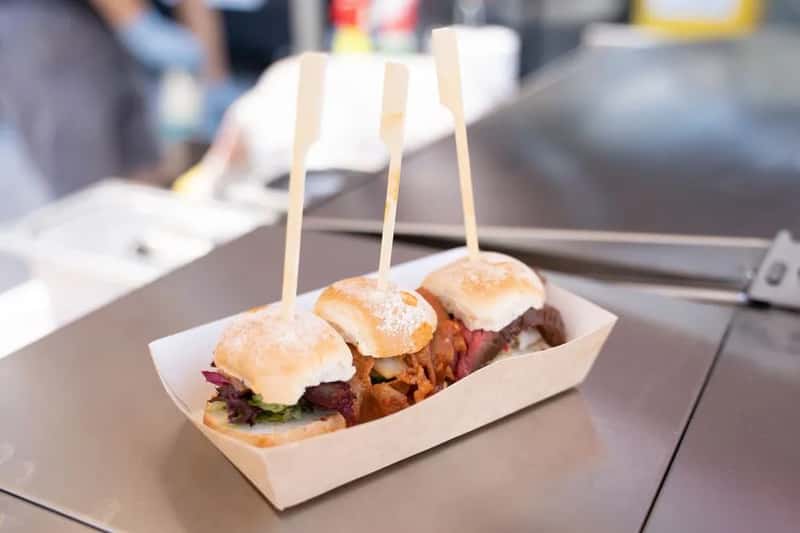
Steak bites and sliders often show up on happy hour menus because they’re an easy way to move lower-grade cuts of beef at a lower price point. Kitchens frequently use trim or off-cuts from the dinner menu’s premium steaks, which means the texture and flavor won’t match what’s advertised on the full-price entrée. I’ve watched line cooks pull from a bin of pre-cut beef scraps specifically designated for the happy hour slider special.
These items are also more likely to be overcooked in bulk to keep up with rapid ordering, since consistency matters less when the price point is already discounted. A well-seared steak needs individual attention, and that’s hard to maintain when a kitchen is firing multiple orders at once during a busy happy hour. If steak is what you’re after, it’s generally safer to order from the regular dinner menu where portion control and cook time get more attention.
What to Order Instead
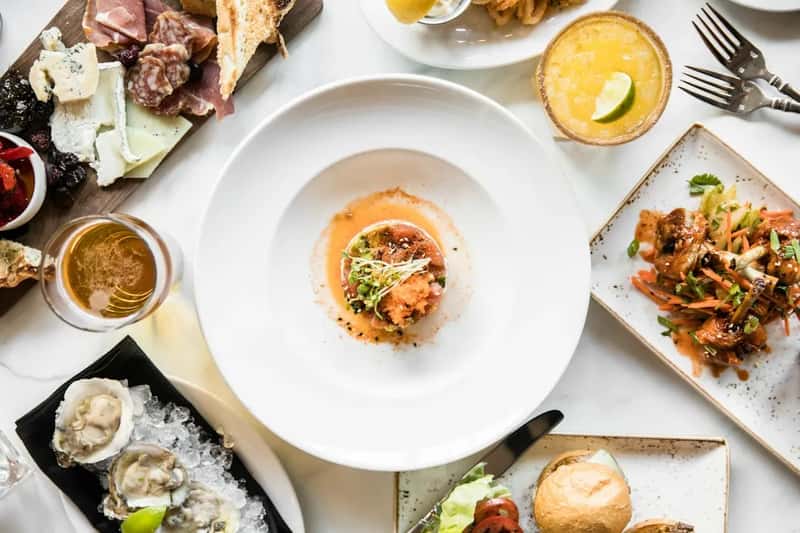
Happy hour isn’t a total minefield. Simple, high-turnover items like flatbreads, fresh salads, or classic bar snacks such as pretzels and hummus tend to hold up well because they don’t rely on delicate prep work or long holding times. Beer, wine, and straightforward spirit pours are also safe bets since they don’t degrade the way fresh-muddled cocktails do.
The best strategy is to ask your server what’s made fresh versus what’s batch-prepped, since most servers will give you an honest answer if you ask directly. Timing matters too. Ordering closer to when happy hour starts, rather than toward the end of the rush, usually means fresher ingredients and less strain on the kitchen.