When the water drops, a boat built to carry medicine to remote villages can end up stuck in mud. In the Brazilian Amazon, the people who rely on these visits feel the effect first, because a clinic that cannot reach its patients offers little help. Reporting from Rio Branco, the capital of Acre state, Mongabay described how shrinking rivers are turning the routes of a yearly healthcare flotilla into obstacles ([1]).
A Morning of Hand-Carried Supplies
Each day starts with a logistics puzzle. The riverine healthcare crew unloads boxes and coolers from the boat into a canoe, then into a smaller canoe, and finally passes them along by hand from the water to dry land. A staff member standing in mud up to the shin hands each load to the next person, who carries it uphill to the spot where the medical outpost is being set up.
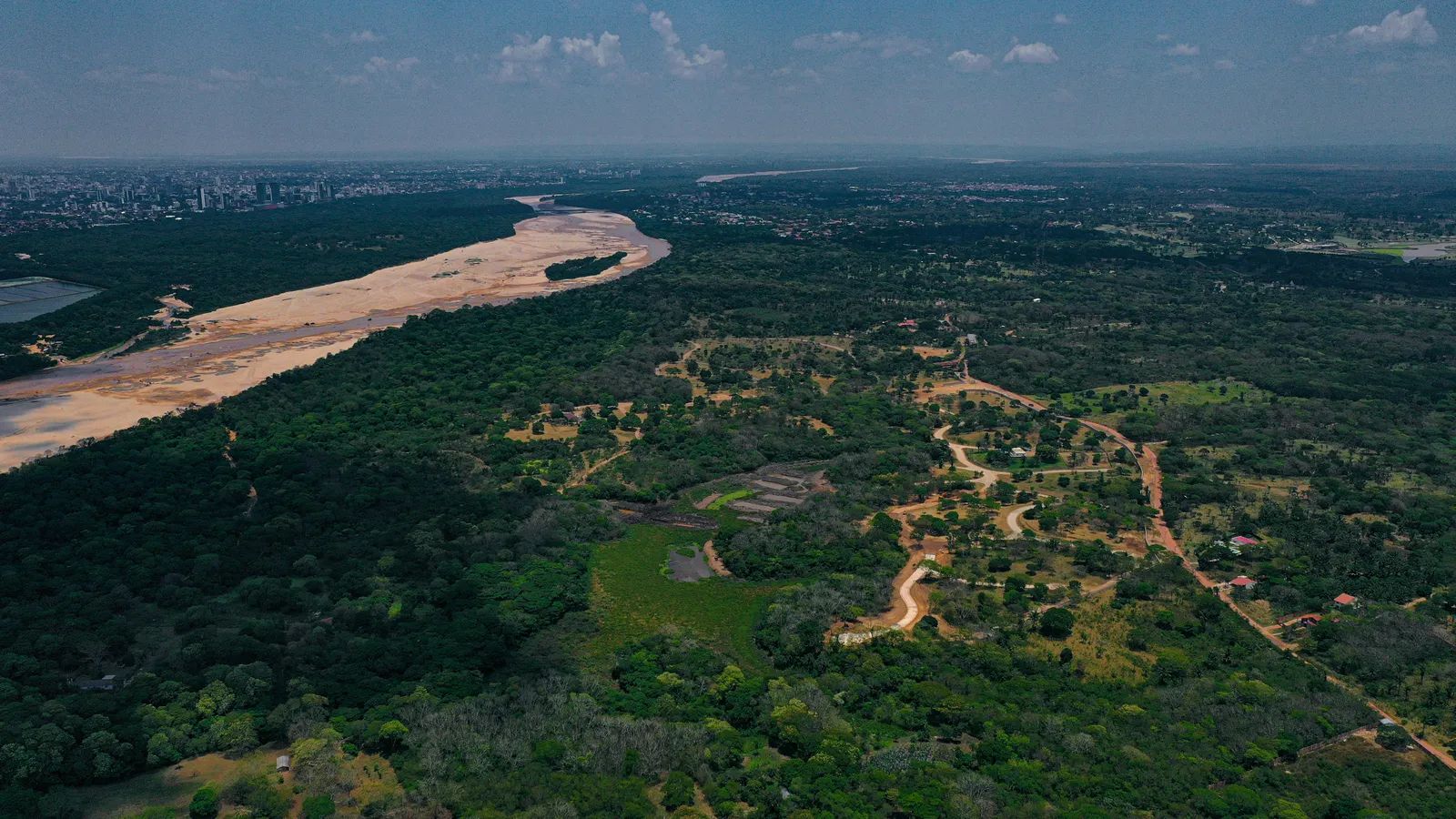
The annual trip sails along the Riozinho do Rôla, bringing doctors, nurses, dentists and community health agents to the riverine population of Rio Branco’s rural area. Barro Alto, where the fleet is docked, is the first stop. Nurse Alexandra Fernandes, who oversaw this year’s edition, told Mongabay that the region presents “technical and operational challenges” that are specific to it.
When Floods Isolate and Drought Strands
Water has long defined access in these communities. During wintertime floods, some riverside villages such as Barro Alto stay cut off for months, which makes a visiting clinic a lifeline. The source describes these periods as a time when waterborne medical attention becomes essential.
The problem now runs in the opposite direction. Climate change is bringing more severe dry seasons, and channels that once connected people to care are shrinking. In places, the water is giving way to mud, so the same routes that once carried patients and supplies are becoming barriers.
Mongabay cited the November bulletin of the Drought and Immobility Risk in the Amazon Basin report, which describes river levels across the Brazilian Amazon as below or far below average. Those readings point to a wider pattern rather than a single bad season.
Who Feels the Strain
The disruption reaches several groups at once:
- Riverside families who depend on the flotilla for routine and urgent care
- Doctors, nurses and dentists who must travel by canoe to reach patients
- Community health agents who coordinate visits along the channels
For households on these rivers, a stranded route can turn a simple decision into a hard one. Traveling to the clinic may mean crossing ground or water that is no longer safe, while staying home may mean going without care. The reporting does not spell out how often families face that choice, but the logic of the drying rivers makes the trade-off difficult to avoid.
Related Stories From Travelbinger

What Remains Unknown
The available reporting shows the strain on this year’s flotilla, but it does not detail how many visits were affected or how the crew plans to adjust its schedule as the dry season continues. Those answers will shape whether floating clinics can keep reaching the communities that depend on them.
For now, the picture is clear enough. In the Amazon, a river is more than a route to a clinic. When it runs low, the clinic itself may be the thing that stops moving.