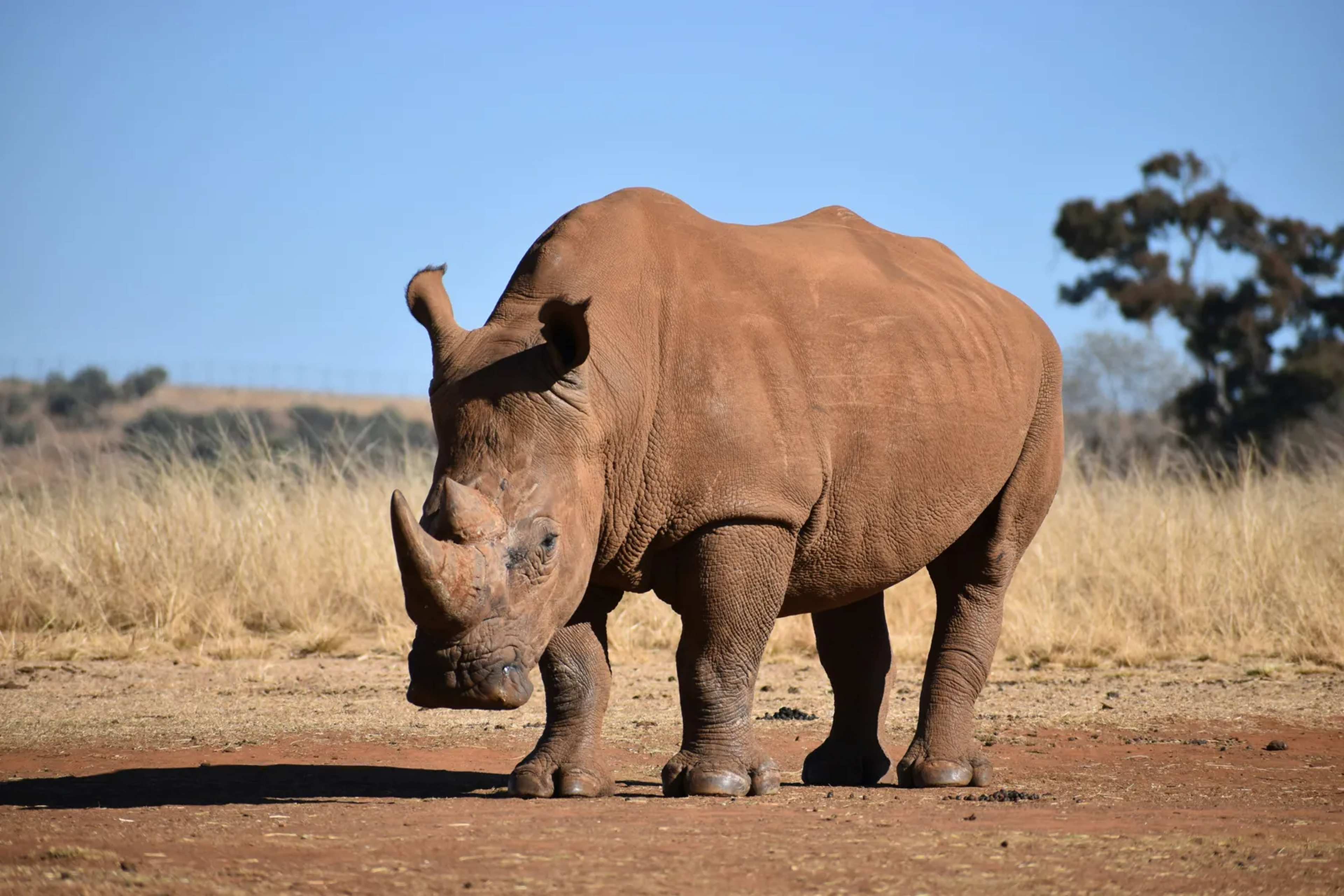
A federal court handed down probation and fines to a married couple from Anaheim, California, after they admitted helping move payments for wildlife parts across the Pacific. Linh Luu and Kevin Le processed more than $51,000 in transactions tied to shipments that included rhino horn and puma bones between 2019 and 2021. The case highlights how ordinary financial facilitators can sustain illegal trade in protected species even when they never handle the animals themselves.
The October 23 Sentencing
Luu and Le each received three years of probation and a $10,000 fine after pleading guilty to Lacey Act violations. The couple had served as payment processors for a Vietnam-based contact who arranged imports of American black bear gall bladders and puma bones while sending lion teeth, rhino horn fragments, and a tiger pelt back to the United States. All of the species involved fall under strict international controls through the CITES treaty, and several are also protected under the U.S. Endangered Species Act.
Details of the Payment Scheme
Court records show the pair handled $51,100 in transfers over roughly twenty months. They met an undercover federal agent in a California parking lot in December 2020 and accepted $12,000 in cash as a down payment for a piece of rhino horn. During that meeting they also discussed methods to avoid standard banking oversight. The horn itself later arrived in Oregon hidden inside what appeared to be ordinary household décor.
Enforcement Focus on Financial Networks
Federal prosecutors emphasized that targeting money handlers is a key tactic against wildlife crime. Scott Bradford, the U.S. attorney involved, noted that such trafficking endangers vulnerable species and supports broader criminal enterprises. Dismantling the payment layer, officials said, disrupts the flow of funds that keeps these networks operating across borders.
Practical Outcomes and Next Steps
The probation terms require the couple to comply with federal oversight for three years while paying the assessed fines. No jail time was imposed. The case illustrates how enforcement agencies continue to use undercover operations to identify facilitators who might otherwise remain in the background of international smuggling routes.