Banff and Jasper sit a few hours apart on the same mountain chain, and most first time visitors end up choosing between them. The two parks are run by the same agency, Parks Canada, and the advice below leans on its official guidance and recent reporting from 2025 and 2026. No individual ranger is quoted here.
The differences are real, and some of them changed after the 2024 wildfire in Jasper and the new shuttle rules around Moraine Lake. Here is how the two parks compare on the things that actually shape a trip.
Crowds and Overall Scale
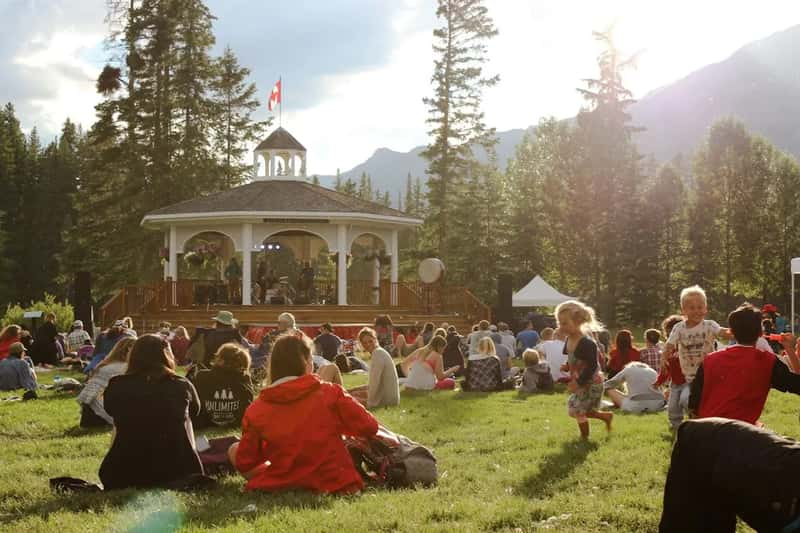
Banff is the most visited national park in Canada, with well over 4 million visitors a year, while Jasper comes second with about half as many.[1] That gap shows up at roadside pullouts, trailheads and restaurant tables in July and August.
Jasper’s numbers have been unusual lately. In the fiscal year of the fire, April 2024 to March 2025, Jasper recorded 1,142,080 park visits, about half the year before.[2] Parks Canada data shows this year’s visitation matches last year’s and sits within five per cent of 2023 levels before the fire.[3] So the quiet reputation still holds, though it’s narrowing.
Jasper After the 2024 Wildfire
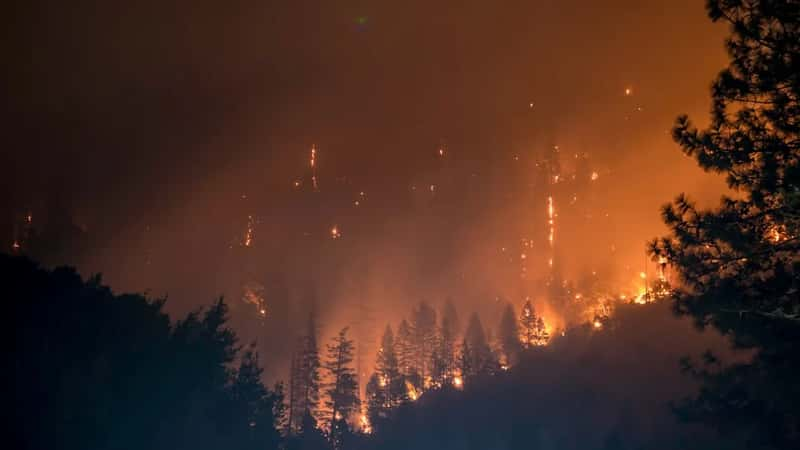
The fire is the biggest factor for anyone considering Jasper in 2026. The wildfire that reached the town on 24 July 2024 destroyed 358 of its 1,113 structures, and Parks Canada says 70 per cent were saved, including all critical infrastructure.[2] Rebuilding is still under way.
For visitors, the news is mostly good. Parks Canada says the majority of Jasper National Park is now open, with recovery work continuing in a small number of locations.[4] Valley of the Five Lakes reopened for the 2026 summer season after extensive trail work.[3] Check the agency’s interactive What’s Open map before you go, since closures can change.
What Is Still Closed in Jasper
Two well known stops remain off limits this year. Maligne Canyon will stay closed for the 2026 season while Parks Canada assesses conditions and plans extensive rehabilitation.[3] Edith Cavell Road also remains closed through the 2026 visitor season.[5]
Camping is tighter than it used to be. About a quarter of frontcountry campsites are still closed, and the Wabasso, Whirlpool Group and Marmot Meadows Group campgrounds are shut for full rebuilds.[3] If a specific canyon walk or campground is central to your plan, confirm its status first.
Wildlife Viewing
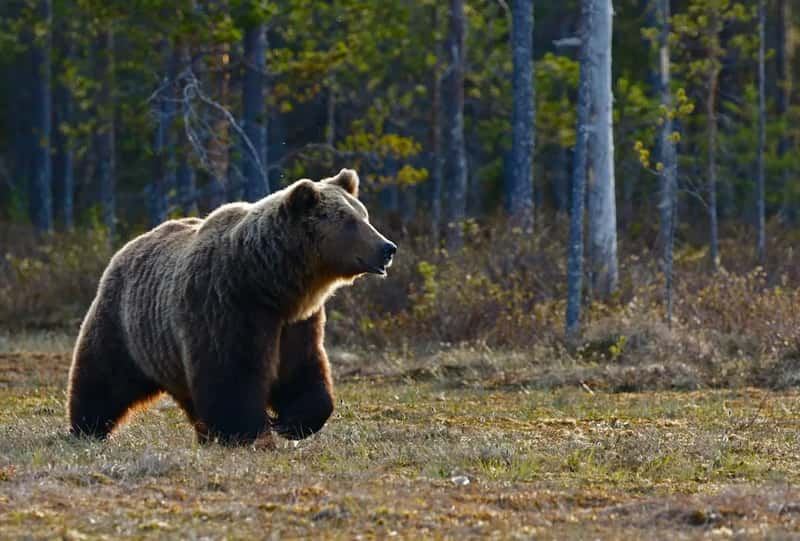
Both parks hold the same headline animals, including bears, elk, wolves and bighorn sheep. Jasper is home to 53 mammal species, among them black and grizzly bears, wolves, wolverines, moose and lynx.[9] Many travel writers give Jasper the edge for sightings, partly because there are fewer people around.
Banff is far from empty of wildlife, though. One 2026 comparison says both parks are excellent, with Jasper holding a slight edge, and that Banff has reliable viewing along the Bow Valley Parkway.[10] Those rankings are opinion rather than counts, so treat them as a tendency. Whichever park you choose, keep a safe distance from every animal.
Dark Skies and Stargazing
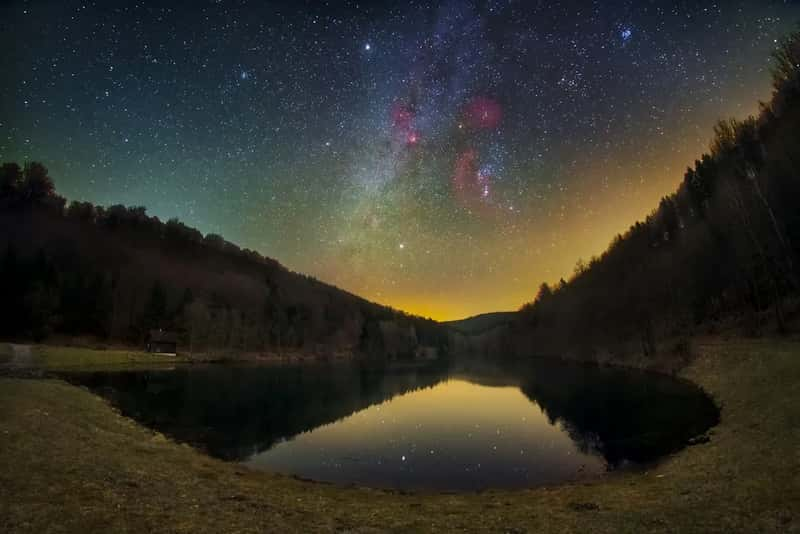
This is one category where Jasper has a clear, official advantage. The Royal Astronomical Society of Canada named Jasper a Dark Sky Preserve in 2011, and it is the second largest in the world.[9] Banff’s townsite, by comparison, creates light pollution that limits stargazing opportunities.[11]
Timing matters if the night sky is your priority. Jasper hosts an annual Dark Sky Festival in late September and October, with telescope viewing and constellation talks.[10] Pyramid Island, Maligne Lake and Old Fort Point are often suggested as places to look up.
The Towns and Where You Sleep
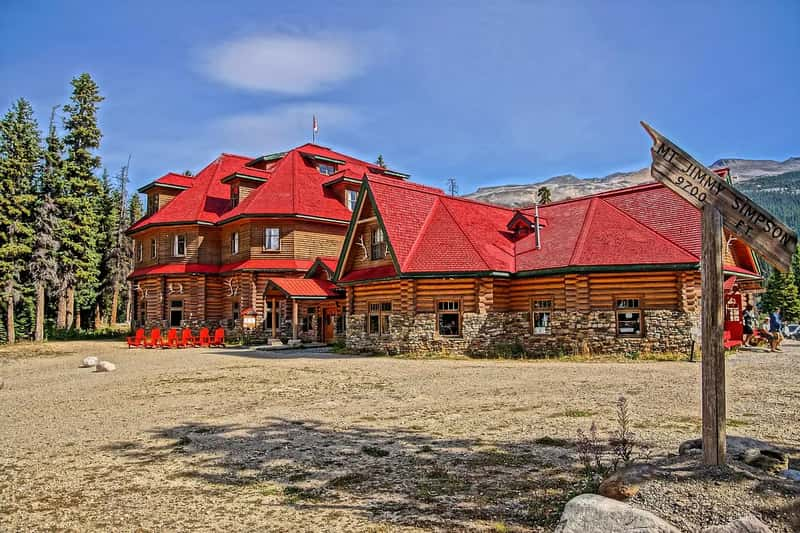
The two townsites feel different. Jasper is the more laid back town, with far fewer people, while Banff has a higher end, glitzy feel.[1] Banff also has the livelier nightlife, in case evenings out matter to you.
Lodging in Jasper still needs early booking. Hotel capacity is lower than before the fire.[12] Even so, more than 25 hotels are operating, including the Fairmont Jasper Park Lodge.[13] Frontcountry camping reservations for July and August stayed near capacity.[3]
Passes, Fees and Costs
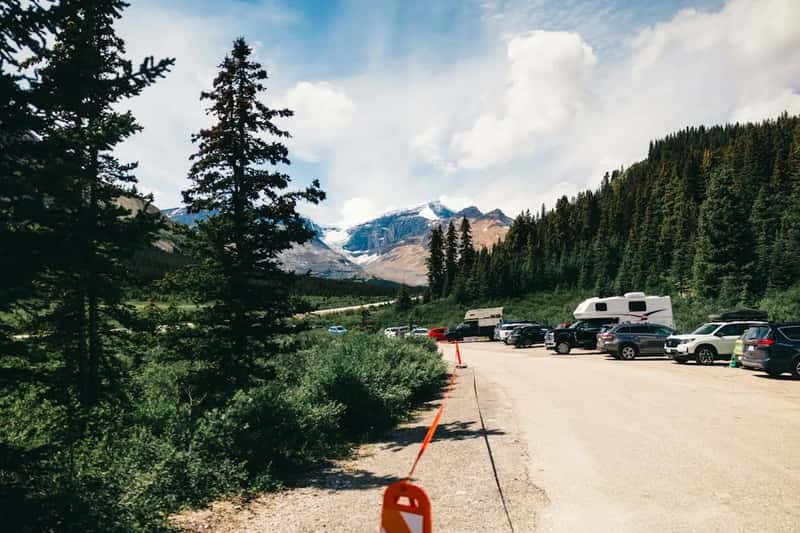
Park entry is simpler than it looks. A single Discovery Pass covers Banff and Jasper, so you can visit one in the morning and the other in the afternoon.[14] In 2026 the adult pass is $83.50, the senior pass $71.50 and the family or group pass $167.50, valid for twelve months.[15]
Whether it pays off depends on trip length. Seven adult daily passes cost $85.75, against $83.50 for one Discovery Pass.[16] This summer, Parks Canada admission was free from June 19 to September 7 under the Canada Strong Pass.[16] Regular admission resumed September 8.[8] Shuttle tickets, parking, camping and gondola rides are billed separately.
Matching the Park to Your Trip
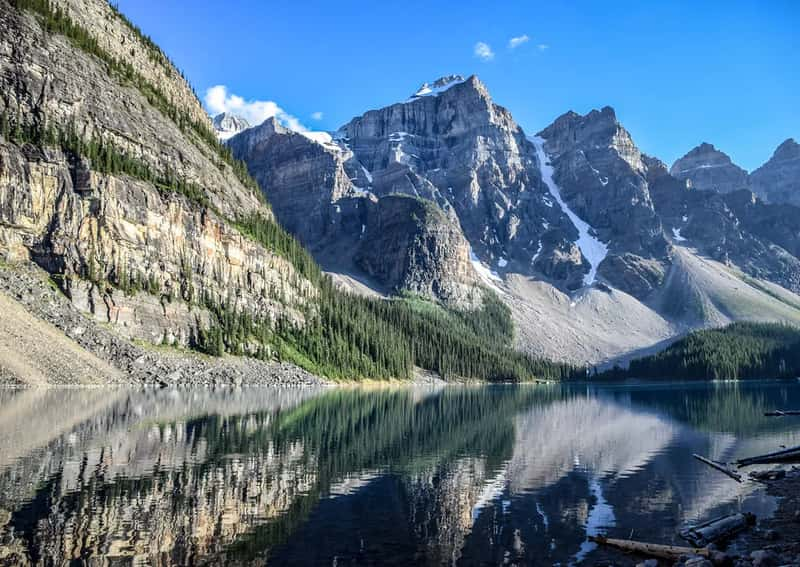
Banff suits shorter stays and first visits. It packs Lake Louise, Moraine Lake and a lively town into a compact area, and one guide suggests Banff for first time visitors with three or more days.[10] It also has more ski terrain, so it’s the usual pick for a winter holiday focused on the slopes.
Jasper rewards people who want space, wildlife and dark skies. In winter, one local guide says Jasper feels like a ghost town compared to Banff.[1] If you have a week or more, the same guide recommends covering both parks.[10] Link them by driving the Icefields Parkway, and carry a Discovery Pass.