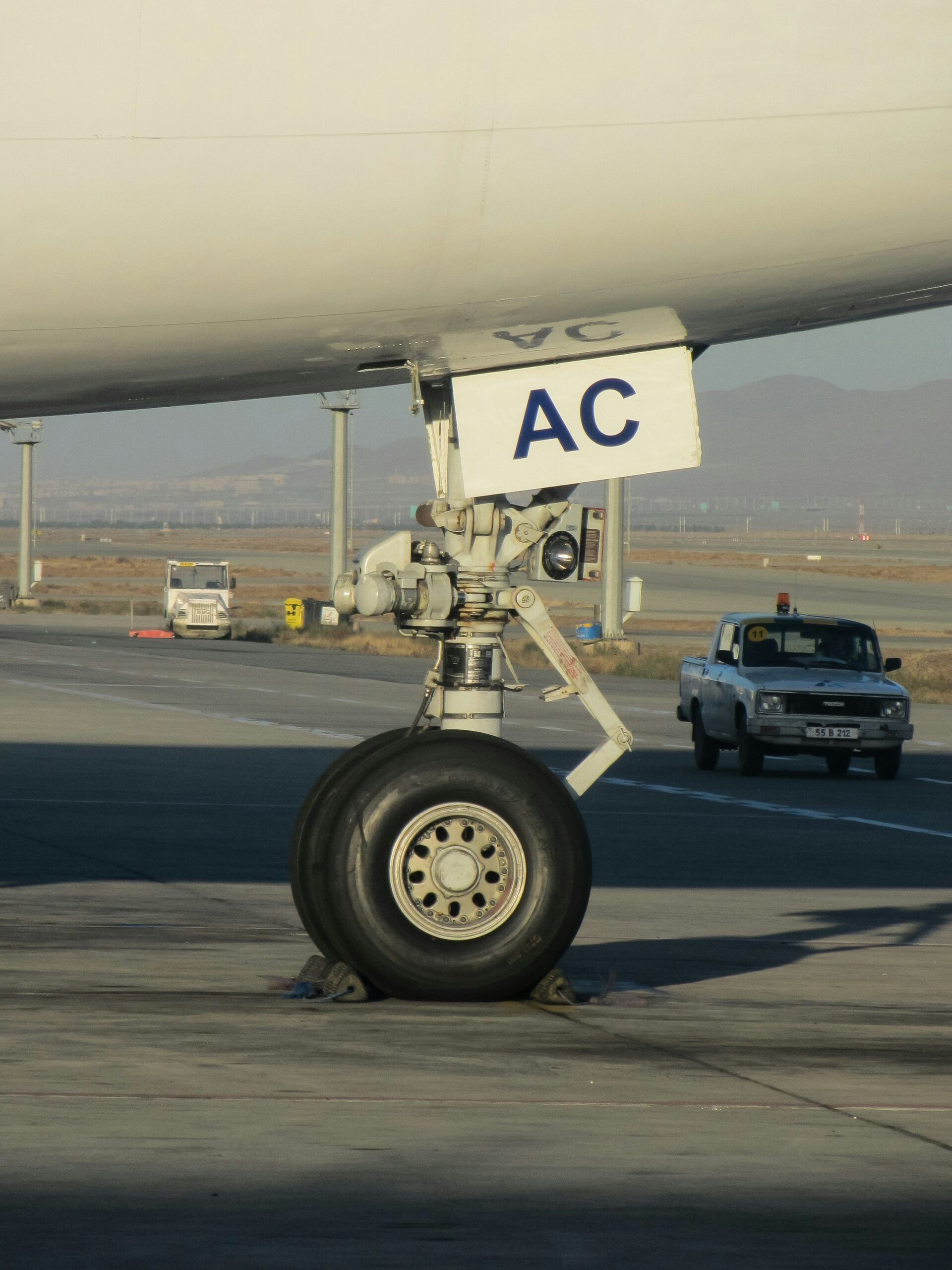
Long before the boarding announcement crackles over the terminal speakers, a quiet, highly choreographed routine is already underway out on the tarmac. Ground crew, mechanics, and flight crew move around the aircraft in a sequence that has been refined over decades of aviation experience, checking everything from tire pressure to hidden ice on the wings. Most passengers never see this work, yet it is arguably the most important part of the entire journey.
These inspections are not a formality. They exist because aviation history is full of hard lessons about what happens when a single step gets skipped. Understanding what actually happens before you climb the jet bridge can turn a routine flight delay into something you appreciate rather than resent.
1. The Full Exterior Walk-Around
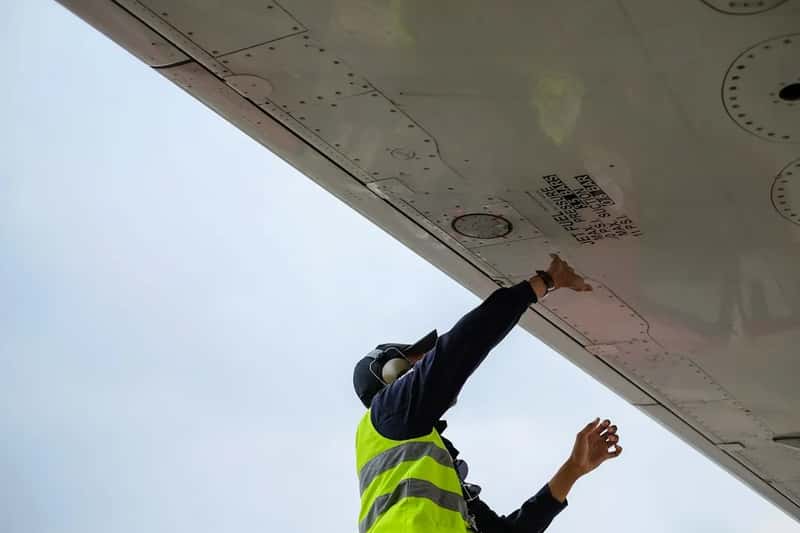
Every pre-flight routine starts with a simple but rigorous idea: look at the whole aircraft before touching anything else. A pre-flight inspection is usually done by giving a once over to the entire aircraft and actively looking out for visible problems such as flat or damaged tires, bent or damaged wings, fuselage, or gear struts.[1] It sounds almost too basic to matter, yet this first sweep often catches the most obvious red flags before anyone digs deeper.
Nothing on the outside of the plane gets a free pass during this stage. The fuselage, hull, tail, empennage, and wings are checked for structural damage, deterioration, corrosion, leaks, and signs of stress, with nothing on the exterior getting a pass.[2] Even something as minor as slight skin buckling can be enough to stop a flight in its tracks, because small anomalies on an aircraft’s surface can sometimes point to much bigger structural issues underneath.
2. Fuselage and Skin Damage Inspection

Once the general walk-around is complete, attention shifts to a closer look at the aircraft’s skin. Crews are trained to spot the difference between cosmetic wear, like faded paint or minor scuffing, and something that could compromise the structure. Even a small area of skin buckling is enough to ground a flight immediately.[2] That threshold might sound extreme to an outsider, but it reflects how unforgiving metal fatigue and pressurization stress can be over thousands of flight cycles.
This stage is also where inspectors document everything they find, no matter how minor it seems in isolation. A pre-flight checklist can be used for documentation purposes to show trends and common issues, and a pattern of repeated minor squawks on the same system is often the early warning sign of a major failure that experienced maintenance crews are trained to spot before it becomes serious.[2] A scratch today might be nothing, but three similar scratches in the same spot over a few weeks tell a different story entirely.
3. Landing Gear, Tires, and Brakes
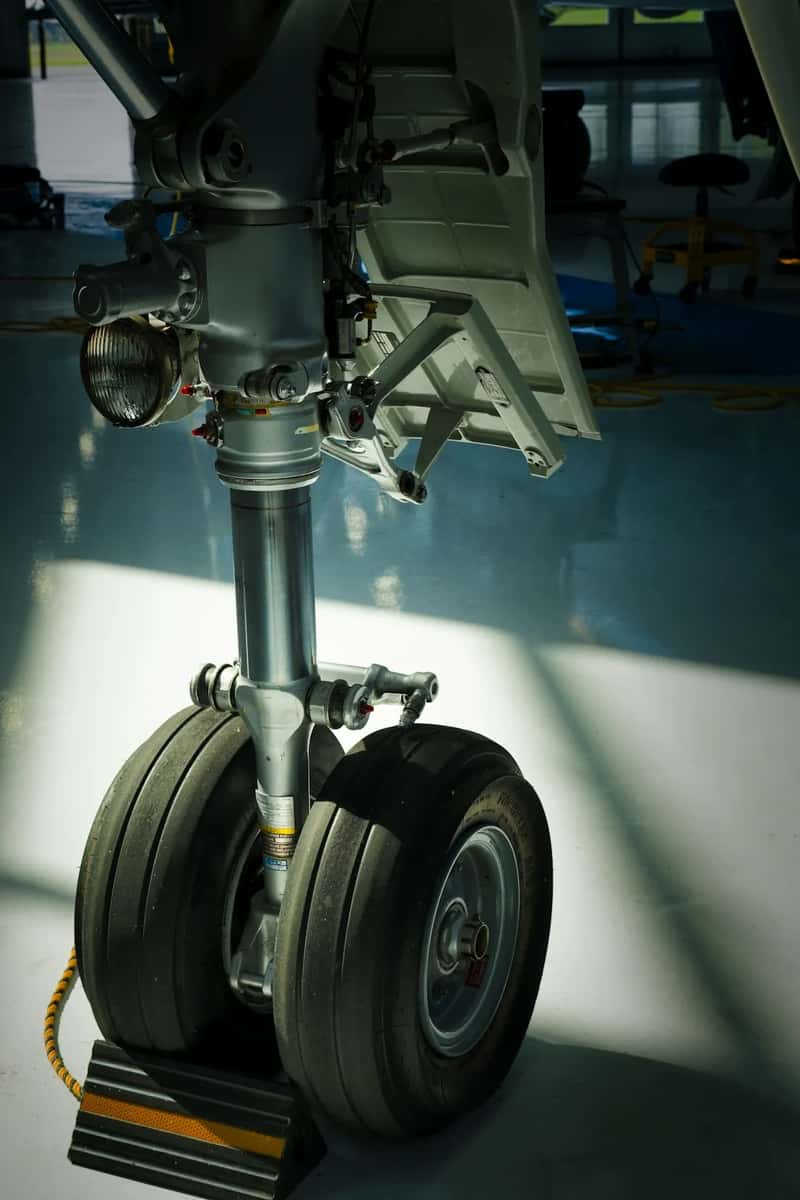
The landing gear takes an enormous amount of punishment during every takeoff and landing, which is why it gets such focused attention during ground checks. Inspectors look at tire tread wear, check for cuts or bulges in the rubber, and examine the struts for proper extension and any sign of hydraulic fluid leaking where it shouldn’t be. Brake wear indicators are also checked, since these components need to perform flawlessly on every single landing regardless of runway conditions.
Ground crew also pay close attention to the area immediately surrounding the wheels, since debris caught in a tire well or brake assembly can cause problems that aren’t visible until the aircraft is already moving. This is one of the reasons ramp areas are kept as clean as possible, since even a small stray object near the landing gear can turn into a serious hazard once the wheels start spinning at high speed.
4. Engine and Fan Blade Checks
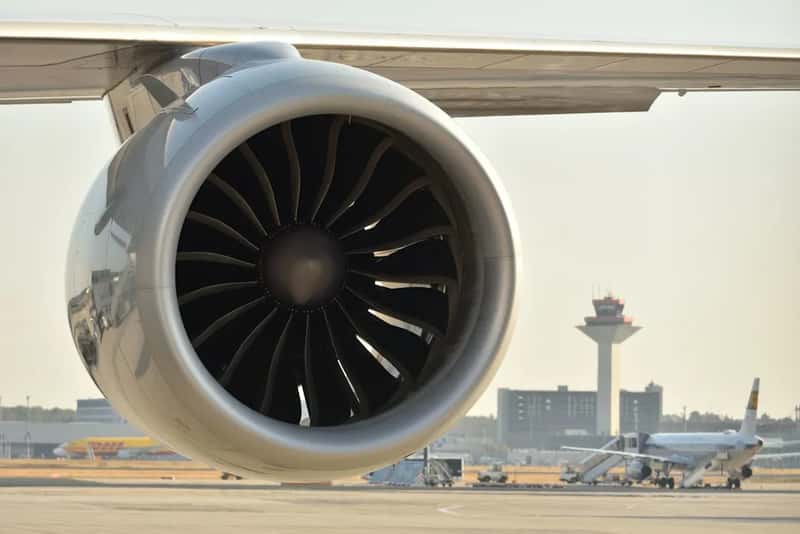
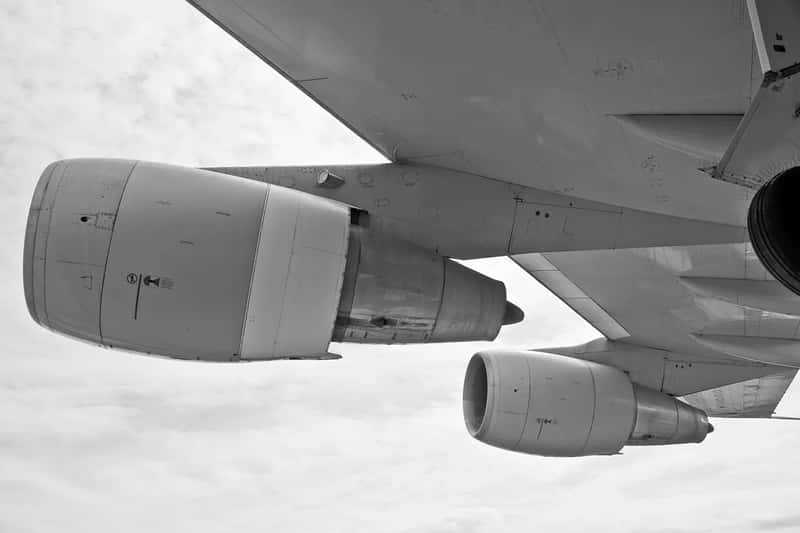
Modern jet engines are engineering marvels, but they’re also remarkably sensitive to foreign objects and ice. The preflight inspection of the engine which pilots conduct focuses on the hatches, probes, sensors, fan blades, and the spinner.[3] Fan blades in particular receive close scrutiny because they spin at extraordinary speeds and any imperfection can create dangerous vibration once the engine is running.
The fan blades are precision components, and damage to them is taken extremely seriously. The front fan blades are what starts the process of air being sucked into the engine and are finely balanced pieces of engineering, and any damage to one of these from a bird or large stone could result in significant engine vibration which could lead to further engine problems.[3] Crews also verify that all hatches on the engine are closed as part of the pre-flight check[3], since an open panel during taxi or takeoff can create serious airflow disruption.
5. Pitot Tubes, Static Ports, and Sensors
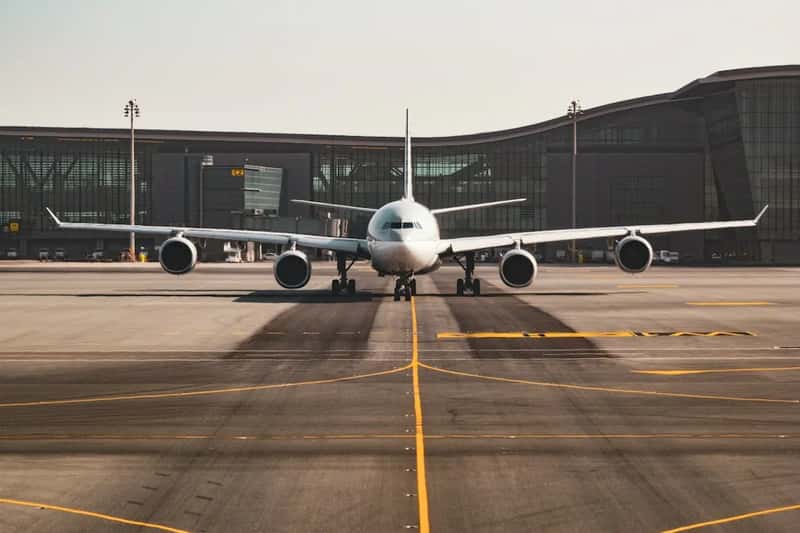
Some of the smallest components on an aircraft carry an outsized responsibility. Pitot tubes measure airspeed, and if they’re blocked by ice, insects, or debris, the pilots lose one of their most critical instruments right when they need it most. Pitot tube covers exist specifically to prevent insects or debris from entering the airspeed sensors[4] while the aircraft sits on the ground between flights.
Removing these covers, along with any other protective gear installed during downtime, is such a critical step that airlines build entire checklist systems around it. Ground crew keep a checklist of remove-before-flight items, and some checklists require the ribbon or tag to be attached to the checklist to verify it has actually been removed.[4] This might sound like excessive caution, but aviation history shows why the extra step matters. Non-removal of a labelled part has caused airplane crashes, including the crash of Aeroperú Flight 603.[4]
6. Wing Surfaces and Ice Detection
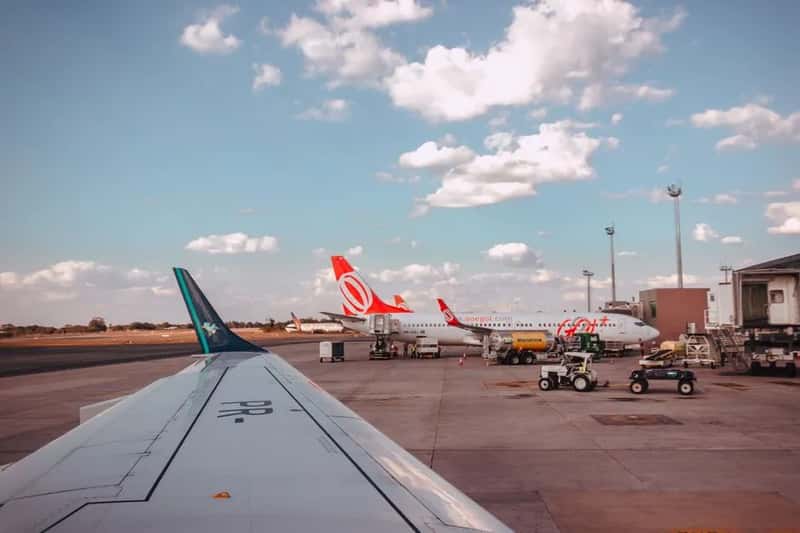
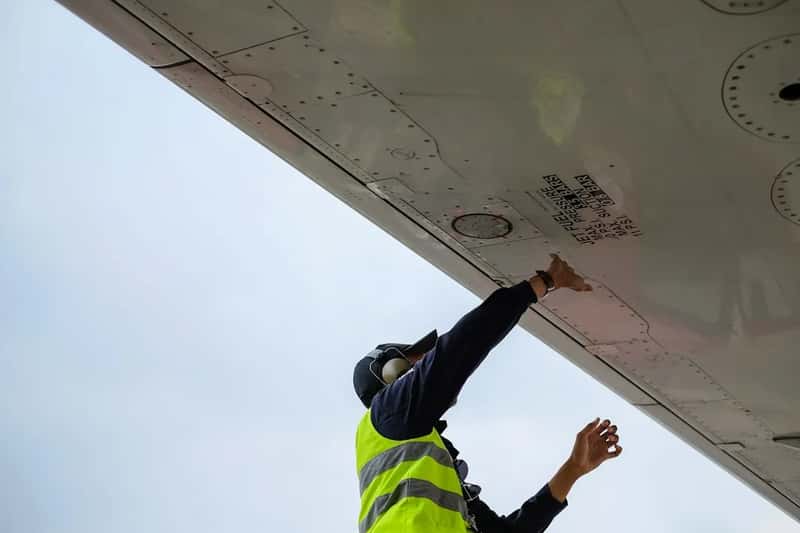
Wings look simple from a distance, but pilots and ground crew examine them with surprising precision, especially in cold or humid conditions. Frost or ice on a wing’s upper surface can disrupt airflow in ways that seriously affect lift, which is why crews sometimes physically touch the wing surface or check specific reference markers built into the aircraft’s design.
Some aircraft even have printed indicators specifically for this purpose. During one documented walkaround with a Virgin Atlantic captain, the pilot explained a marking system used to detect icing. Starting underneath the wing, the pilot pointed at letters on a panel, explaining that being able to read those letters confirms there’s no icing issue on the underside of the wing, since aircraft sometimes arrive with thin ice or develop frost from cold fuel in the tanks.[5] It’s a simple visual trick, but it reflects how much thought goes into even the smallest inspection details.
7. Cabin Sweep for Safety and Security

While ground crew handle the exterior, cabin crew are running their own version of a pre-flight check inside the aircraft. This isn’t just tidying up between flights, it’s a genuine security and safety procedure. The very first thing cabin crew do when boarding is walk through the cabin and scan the area in a circular motion to check that all areas are safe and secure and nothing has been left behind, including underneath seats, in seat pockets, and inside overhead lockers.[6]
This sweep also covers equipment that passengers rarely think about but that absolutely must be present and functional. Cabin crew are also looking for any damage to the cabin, such as a seat that doesn’t sit upright, or missing items such as seatbelts or passenger life jackets, since these items are sometimes stolen.[6] It’s an unglamorous job, but it’s one of the last lines of defense before doors close for departure.
8. Fluid Levels, Fuel, and Contamination Checks
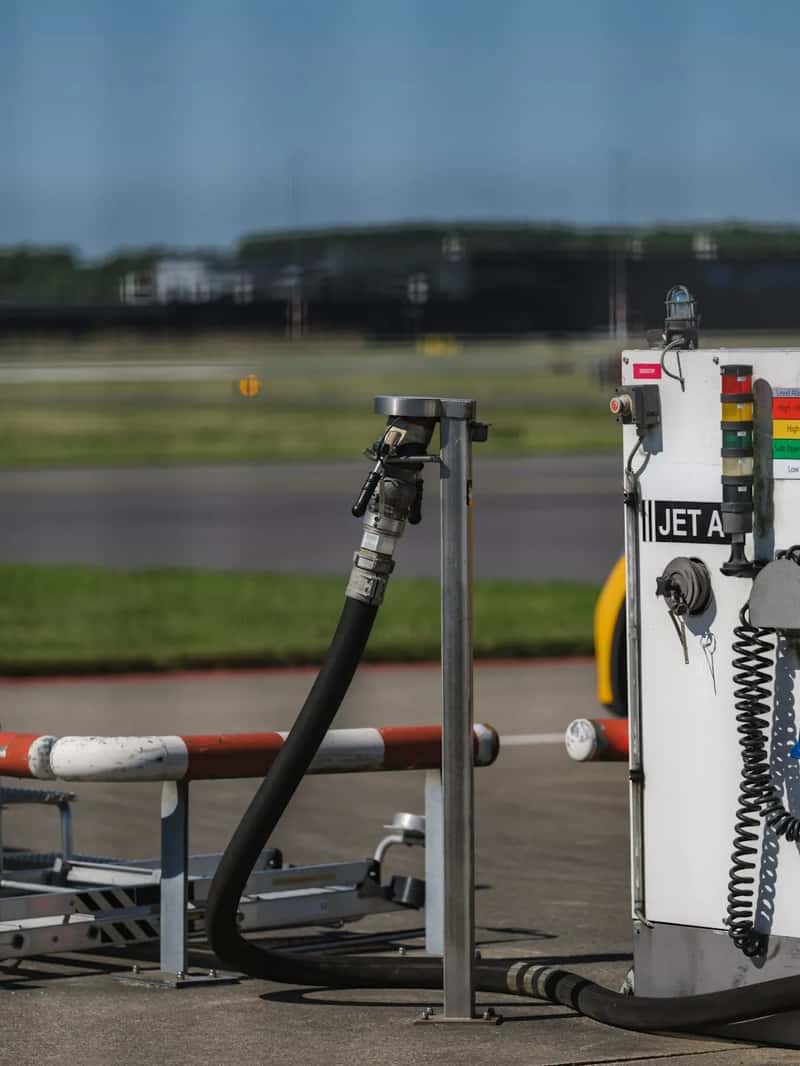
Fuel and hydraulic fluid checks happen early in the inspection sequence, often before the aircraft has even been moved for the day. On smaller aircraft, this can involve physically sampling the fuel to check for water or debris contamination that may have settled overnight. Before flight, when an aircraft is cold and dark, meaning all engines have been shut down and cooled and all systems turned off, the first thing checked is fuel, since the aircraft hasn’t been in motion for a while and any contamination would have settled at the bottom of the tank, making it perfect for taking a sample.[7]
On commercial aircraft, this process is scaled up considerably but follows the same underlying logic. Ground staff verify that fuel quantities match the flight plan, check for any visible leaks around fuel lines and access panels, and confirm hydraulic fluid levels are within range for the control surfaces and landing gear systems that depend on them. Any inconsistency here gets flagged immediately rather than left for a later inspection.
9. Foreign Object Debris (FOD) Sweeps
Ramp areas might look like open pavement to a passenger glancing out a window, but to ground crew they’re a constant hazard zone. Loose bolts, luggage tags, broken pavement fragments, and even small tools left behind during maintenance can all cause serious damage if they get pulled into an engine or lodged in a tire. FOD includes a wide range of material, including loose hardware, pavement fragments, catering supplies, building materials, rocks, sand, pieces of luggage, and even wildlife, especially insects which can obstruct unprotected pitot tubes or static vents.[8]
The financial stakes behind this are larger than most travelers would guess. Boeing estimates that FOD costs the aviation industry four billion dollars annually, with damage including aircraft engine failures, punctured tires, and debris lodged in critical mechanisms.[9] Because of this, airports run structured FOD prevention programs. A strong FOD program includes tool control, where every wrench, socket, and drill bit used during maintenance is logged out and back in so nothing gets left behind, with the same accountability applied to hardware like bolts and washers.[10]
10. The Final Pilot Walk-Around
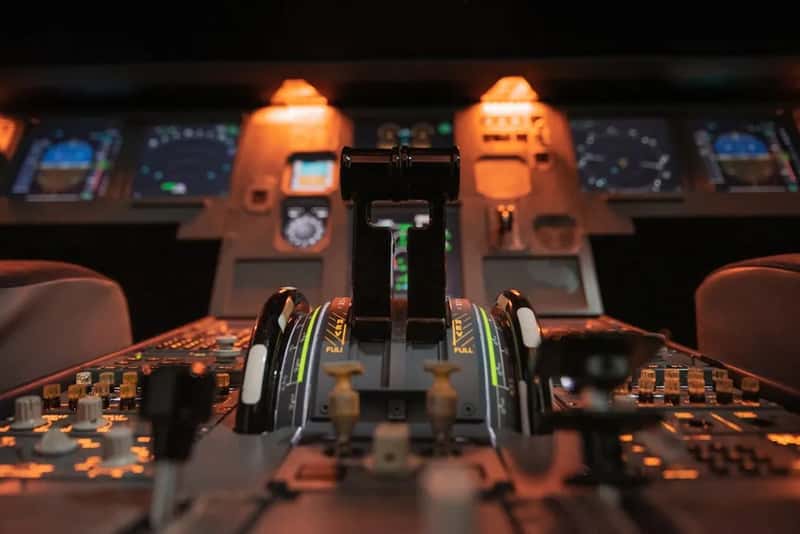
Even after ground crew and maintenance teams have signed off on their portion of the inspection, pilots still perform their own exterior check before departure. This isn’t redundant paperwork, it’s a genuinely independent verification. At this point in the preflight checks, a final inspection of the plane is conducted by the pilots during a full walk around, which is the final chance for operators to check for anything out of order before the plane takes off.[11]
This last set of eyes matters more than it might seem, since different people notice different things. During this phase, pilots occasionally find items that have been missed by maintenance crews, which could certainly cause problems later on.[11] It typically takes around ten minutes and happens rain or shine. This is roughly a ten-minute pre-flight exterior check performed by a first officer or captain, done before every single flight in good weather and bad.[5]
Why the Paper Trail Matters As Much As the Physical Check
Perhaps the least visible part of this entire process is also the most decisive one: the documentation. Every finding during a walk-around, no matter how minor, gets logged and tracked over time. Any discrepancies or findings during the daily inspection are documented and addressed before the aircraft is cleared for the next flight.[2] This record becomes the institutional memory of the aircraft, capturing patterns that a single inspection could never reveal on its own.
In many respects, this logbook carries more authority than any single physical inspection. The physical checks are thorough, but it’s this paper trail, the accumulated record of every finding, every repair, every sign-off, that is the true last line of defense before boarding, since the walk-around finds problems while the logbook decides whether the plane actually flies.[2] An aircraft with a spotless logbook and a clean walk-around is about as safe as modern engineering and human diligence can make it.
The Regulatory Backbone Behind Every Check
None of this happens informally or by tradition alone. Pre-flight inspections are governed by strict regulatory frameworks that leave little room for shortcuts. The FAA generally defines preflight inspections as a thorough and systematic visual and functional examination of an aircraft to ensure it’s in airworthy condition for safe operation before each flight.[12] Similar standards exist internationally through bodies like ICAO, which shape how airlines around the world structure their own procedures.
For scheduled commercial carriers, these requirements aren’t optional guidelines, they’re legal obligations. Federal Aviation Regulations explicitly require each certificate holder to provide an approved cockpit check procedure for each type of aircraft, and these procedures must include each item necessary for flight crewmembers to check for safety before starting engines, taking off, or landing, designed so that no crewmember needs to rely on memory alone.[13] That last detail matters enormously, since even highly experienced professionals can overlook something under time pressure or fatigue if a checklist isn’t there to catch it.