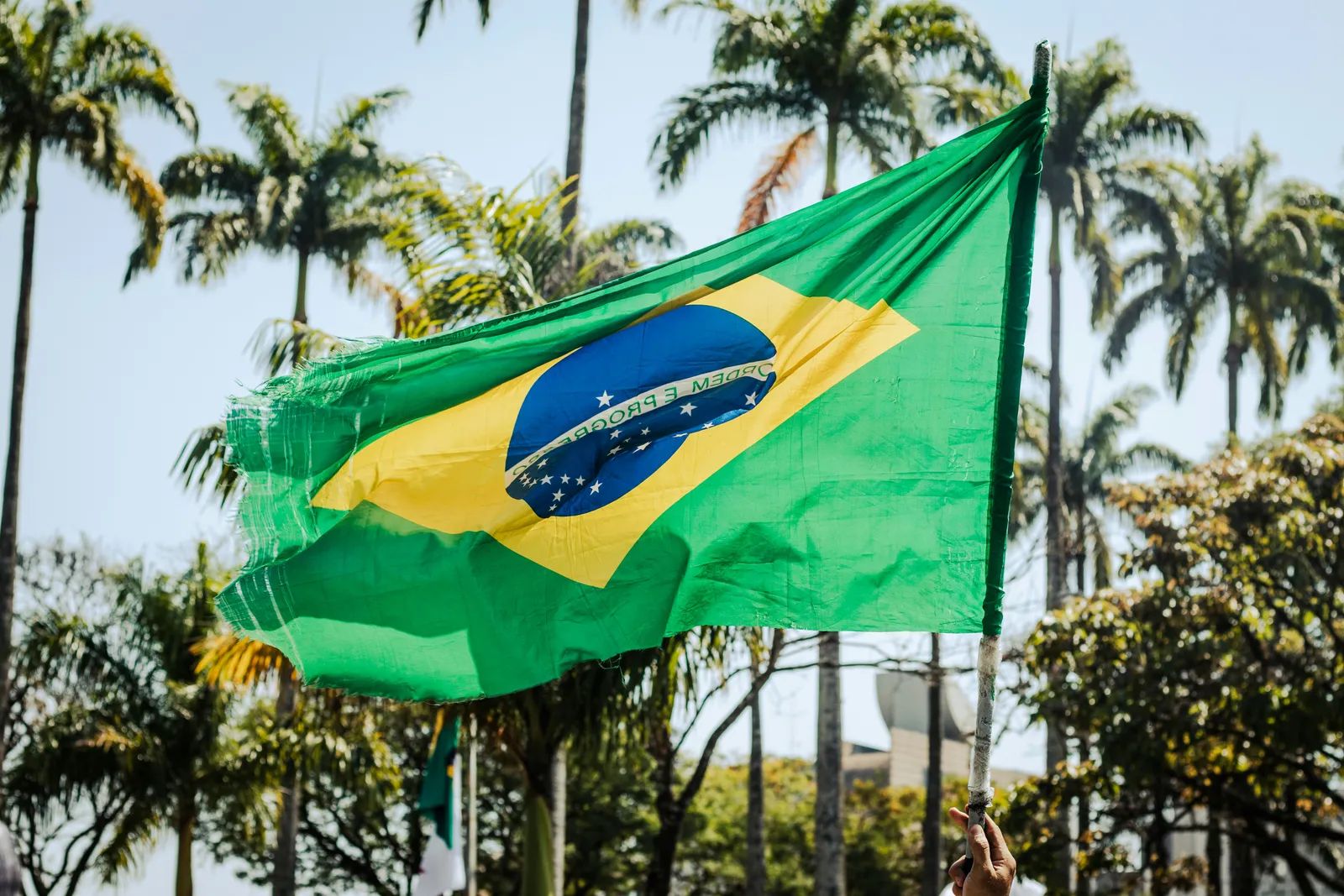
The Amazon rainforest faces a pivotal moment as political shifts across South America raise concerns about its future protection. In Brazil, home to more than 60 percent of the vast ecosystem, voters head to the polls in October with the potential to install a new administration by January 2027. Polls show the race between incumbent Luiz Inácio Lula da Silva and challenger Flávio Bolsonaro remains tight. ([1])
Regional Political Changes Already Underway
Four other Amazonian nations have recently elected leaders who prioritize agribusiness and mining expansion. Peru, Colombia, Bolivia, and Ecuador now operate under administrations that place less emphasis on environmental safeguards. These developments have already altered the balance of conservation efforts across borders.
Venezuela adds another layer of uncertainty. Although nominally socialist, the country faces external economic pressures that could accelerate resource extraction. New deals for oil production and mining stand to affect forested areas within its portion of the Amazon basin.
Brazil’s Decisive Role in the Outcome
Brazil holds the largest share of the rainforest, making its election the most consequential single event for the biome. Flávio Bolsonaro, son of former president Jair Bolsonaro, has positioned himself to revive earlier approaches that favored development over strict protections. The elder Bolsonaro remains barred from office following his conviction related to an attempted coup.
Analysts note that even modest policy reversals could compound existing challenges. Deforestation rates have proven difficult to control despite ongoing enforcement efforts. A change in leadership could accelerate pressures from agriculture and extractive industries.
Expert Concerns Over Future Governance
Specialists tracking the region warn that coordinated right-leaning leadership across multiple countries would cover up to 95 percent of the Amazon. This scenario would test international conservation agreements and local enforcement mechanisms alike. Márcio Astrini of the Climate Observatory has observed that combating deforestation remains arduous even under administrations with stronger environmental commitments.
The timeline adds urgency. Any transition in January 2027 would coincide with ongoing global discussions on climate targets and biodiversity protection. Stakeholders ranging from indigenous communities to international observers are monitoring the Brazilian contest closely.
What Comes Next for the Rainforest
Key developments to watch include shifts in enforcement priorities, new permitting for mining and agriculture, and cross-border coordination on environmental rules. Local economies tied to sustainable practices could face direct competition from expanded industrial activity.
The outcome will shape access and conditions for the rainforest in the years ahead. Travelers and conservation advocates alike have a stake in how these political choices unfold.