

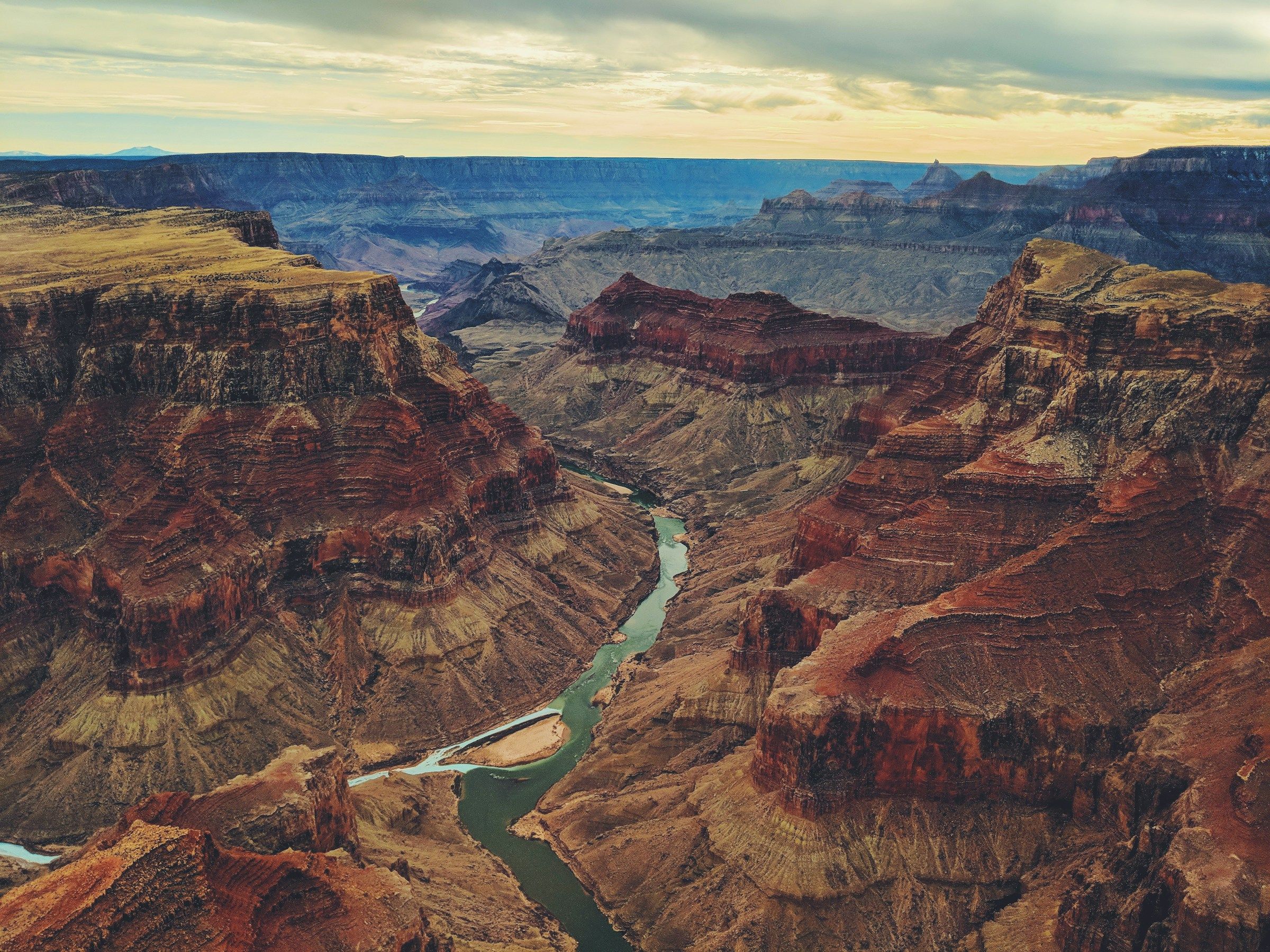
The first mile below the South Rim feels like a gift. The trail drops away, the views open up, and your legs hardly notice the work. Plenty of people take a few photos, keep walking, and tell themselves they’ll turn back soon.
Park rangers hear some version of that story every summer, usually from someone sitting in shade with a medic nearby. The details change from one hiker to the next, but the pattern behind the emergencies is remarkably consistent.
The Mistake Rangers See Again and Again
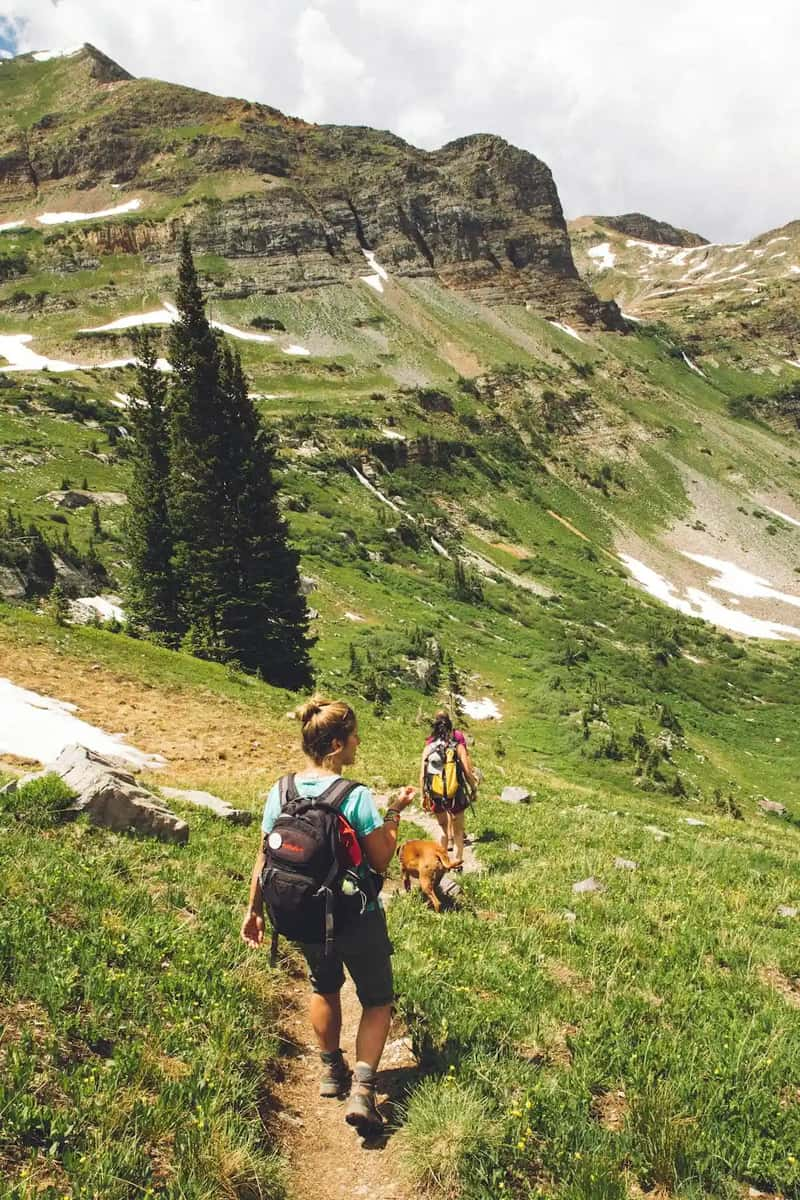
The mistake is simple. Hikers go down too far, too late in the day, without a real plan for the climb back out. The National Park Service says plainly that every year, scores of unprepared hikers, lured by initially easy downhill hiking, experience severe illness, injury, or death[1].
Nothing about this mistake looks dramatic when it happens. It’s a slow drift of “just one more switchback” that ends with a hiker stuck on a steep, exposed trail with little water and no energy left.
Why the Trail Down Feels So Easy
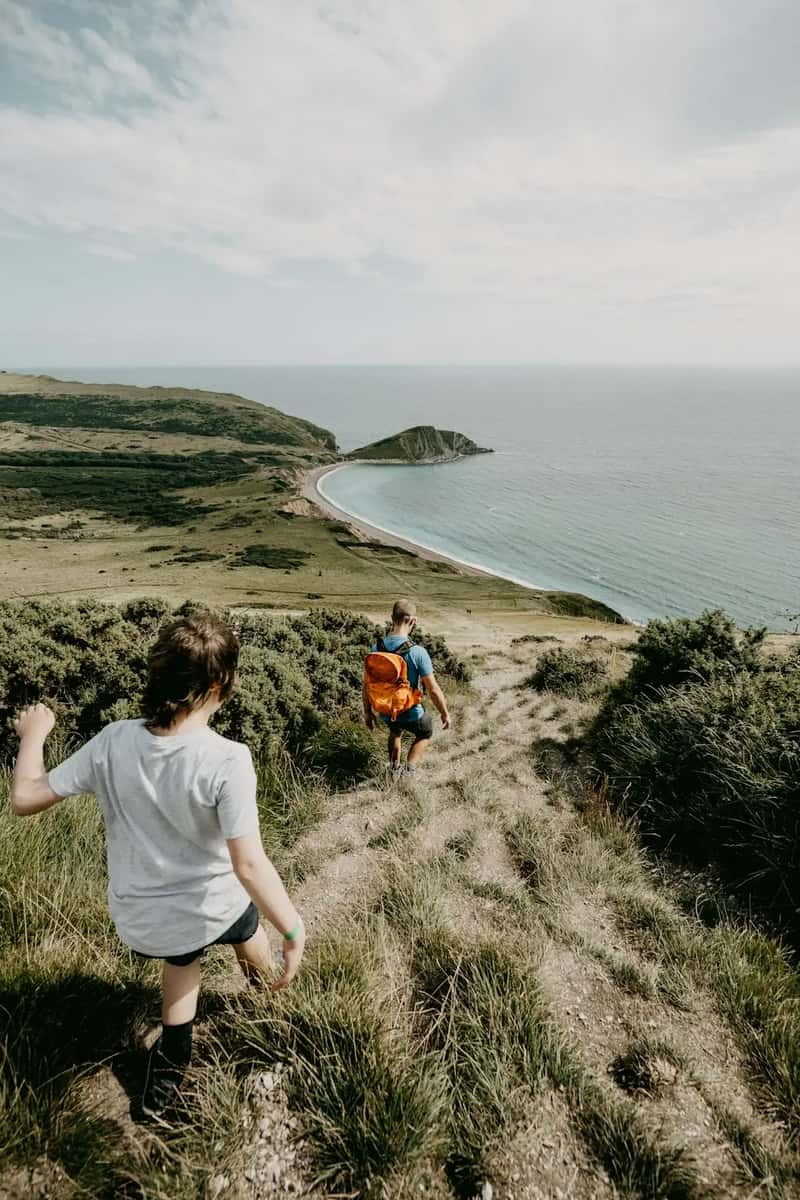
Every trail into the canyon starts with a descent. The park’s own social media team has pointed out that this can lull hikers into a false sense of security, because they don’t feel exerted and assume they can keep going until they feel ready to head back[2].
Your body also isn’t truly resting on the way down. Downhill effort punishes joints and muscles, which sets hikers up for a harder climb out[3]. By the time the trail turns upward, your legs may already be spent.
The Math of the Climb Out
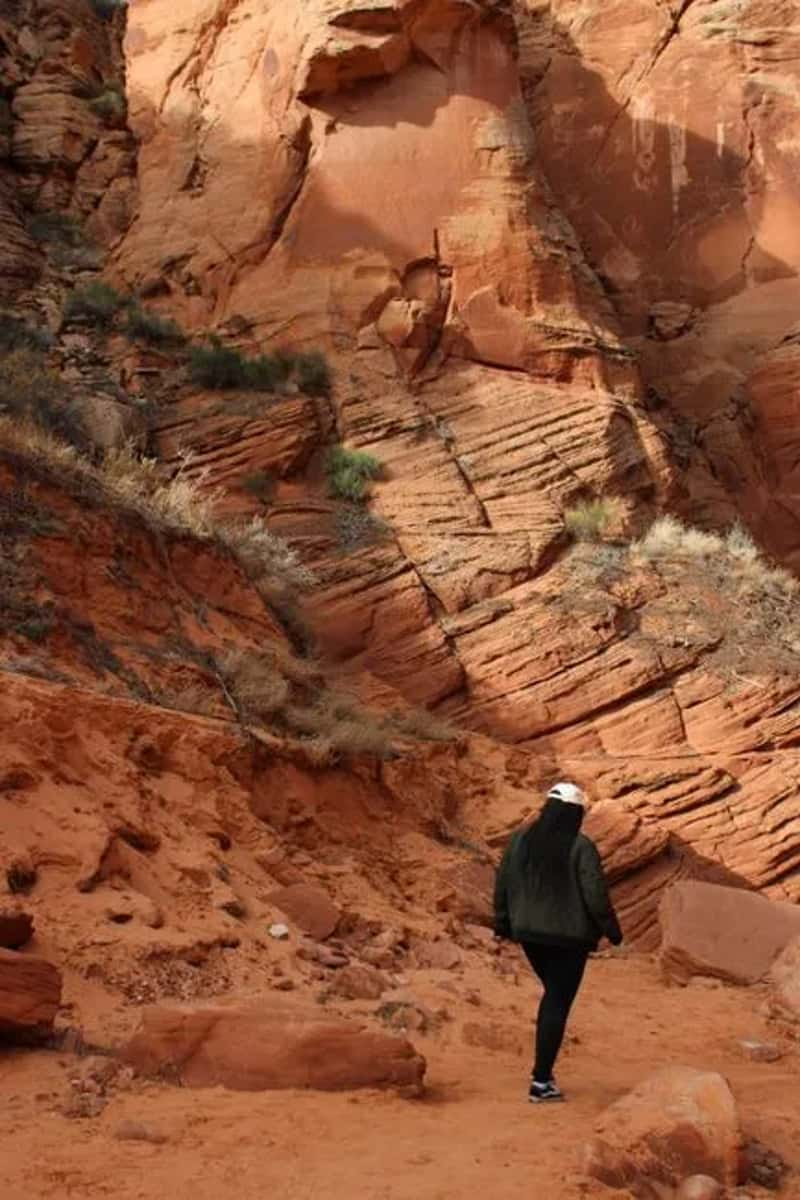
The park’s rule of thumb is that the trip back up takes about twice as long as the trip down. The NPS says this holds regardless of individual fitness, age, or stride length[4]. So if it took you two hours to reach a point, plan for about four hours to return.
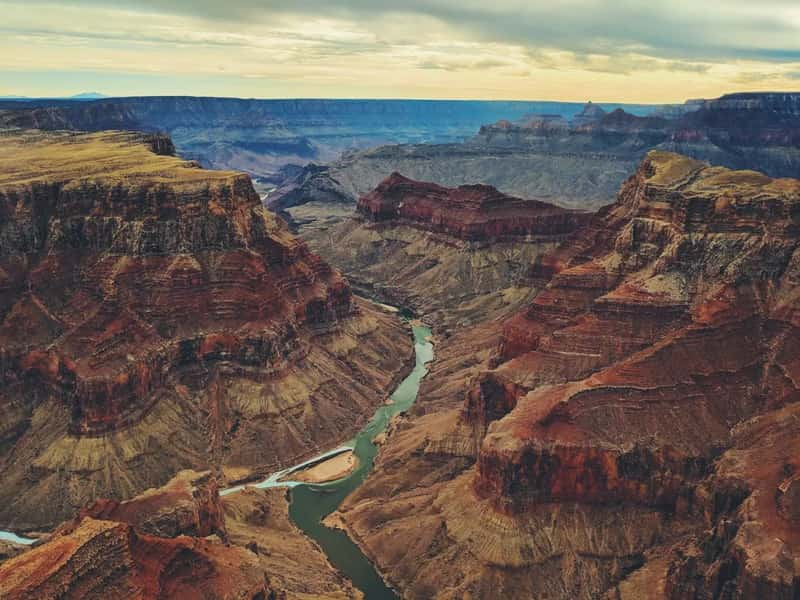
The scale matters too. A hike from the rim to the river involves an elevation change of roughly 5,000 feet each way[5], and the park doesn’t recommend doing it as a single day outing. That’s a long way to climb when you’re tired.
What Summer Heat Really Looks Like Below the Rim
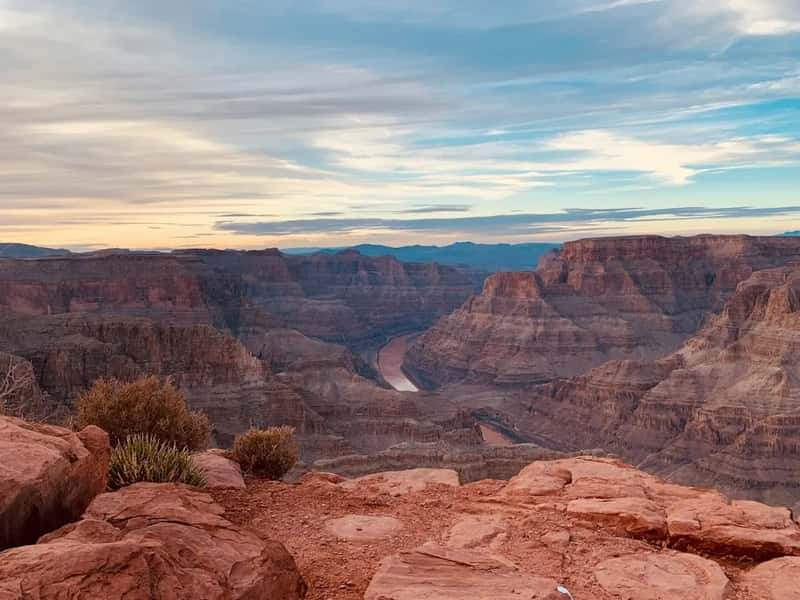
The canyon gets hotter as you descend. A park search and rescue coordinator has described the bottom as comparable to Phoenix, averaging over 105 degrees Fahrenheit during summer[6]. Official park warnings say temperatures can exceed 109 F in the shade during midday hours[7].
That’s why the NPS asks hikers to stay off inner canyon trails between 10 a.m. and 4 p.m. in summer. Its reasoning is that most heat related illnesses involve hikers who are on the trail between those hours[8].
June 2026 and the Cost of Misjudging the Canyon
The risk was very real this past summer. The park reported that a 72 year old man died on the South Kaibab Trail on June 12, and a man aged 67 and a woman aged 68 appeared to have died of heat illness on the North Kaibab Trail on June 16[7]. Investigations into the deaths were still ongoing when the park announced them.
The 2026 incidents followed a similar warning the year before. In July 2025, officials received a report of an unresponsive hiker on the South Kaibab Trail below Cedar Ridge[9], and the man, who was 67, later died. Both trails are popular, well maintained, and open to the sun.
A Busy Year for Rescuers
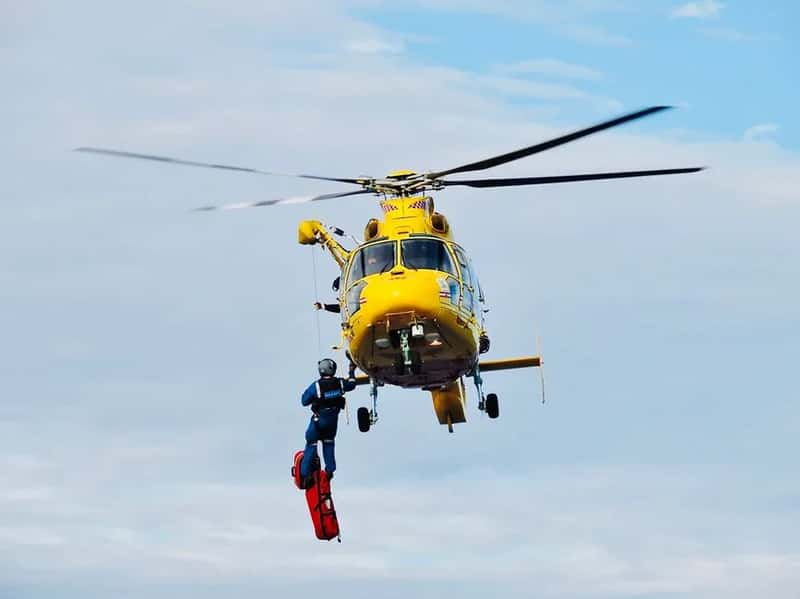
Summer is when the park’s rescue crews are stretched thinnest. In a late May 2025 stretch, lifesaving personnel flew into the canyon by helicopter thirteen times in seven days[10]. A park supervisor noted that medevacs are typical in summer, and some stretches average one or two a day[10].
The park’s 2025 statistics list 848 emergency medical service incidents, 232 search and rescue incidents, and eleven fatalities[11]. Preventive patrols were busy as well, with 444 hiker assists and 18,400 preventive actions[12]. Many of those were conversations that probably kept a bad day from becoming an emergency.
Drinking Too Much Is a Real Risk Too

Heat exhaustion isn’t the only thing that sends hikers to medical care. The NPS warns that overhydration leads to hyponatremia, where electrolytes drop dangerously low, causing nausea and confusion, and it can be fatal[13]. Its guidance is to drink when you’re thirsty and stop when you feel quenched.
The tricky part is that the condition can look like ordinary heat exhaustion. The park describes it as an illness that mimics early heat exhaustion, treated by stopping water, eating salty foods, and resting in shade[1]. That’s why rangers stress balancing fluids with food, not just drinking more.
Food, Salt, and Fuel for the Climb
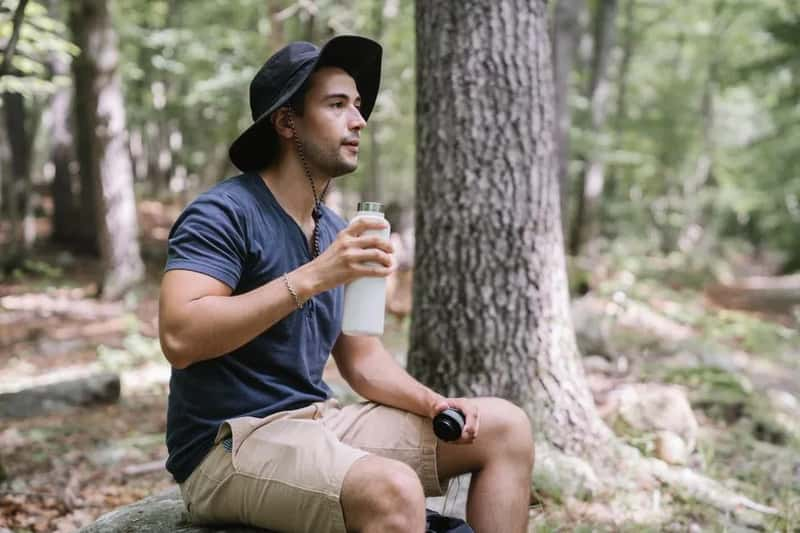
The NPS tells summer hikers to treat food as seriously as water. It advises that consuming twice as many calories as during normal exercise is realistic for summer canyon hikes[14]. Salty snacks like pretzels, crackers, and chips are the preferred choice.
Fluid loss climbs sharply on the way out. The park’s hiking FAQ says that fluid and electrolyte loss can exceed two quarts per hour when hiking uphill in direct sunlight at the hottest time of day[4]. Carrying plain water plus an electrolyte mix is the park’s standard recommendation.
Setting a Turnaround Before You Start
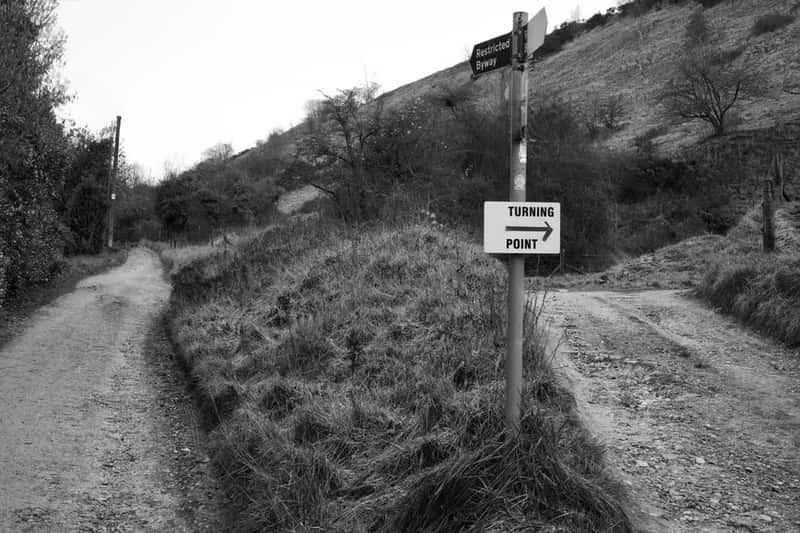
The fix is as unglamorous as the mistake. Pick a turnaround point at the trailhead, based on time and not on how good you feel. The NPS puts it this way for hikers: stay together, follow your plan, and remember that turning around may be your best decision[15].
Training helps as well. One outdoor medicine source recommends adding downhill hiking to your routine four to six weeks before a Grand Canyon trip[3], which prepares your legs for the descent. Start early, since the park’s guidance is to avoid the midday window altogether.
Before You Step Off the Rim
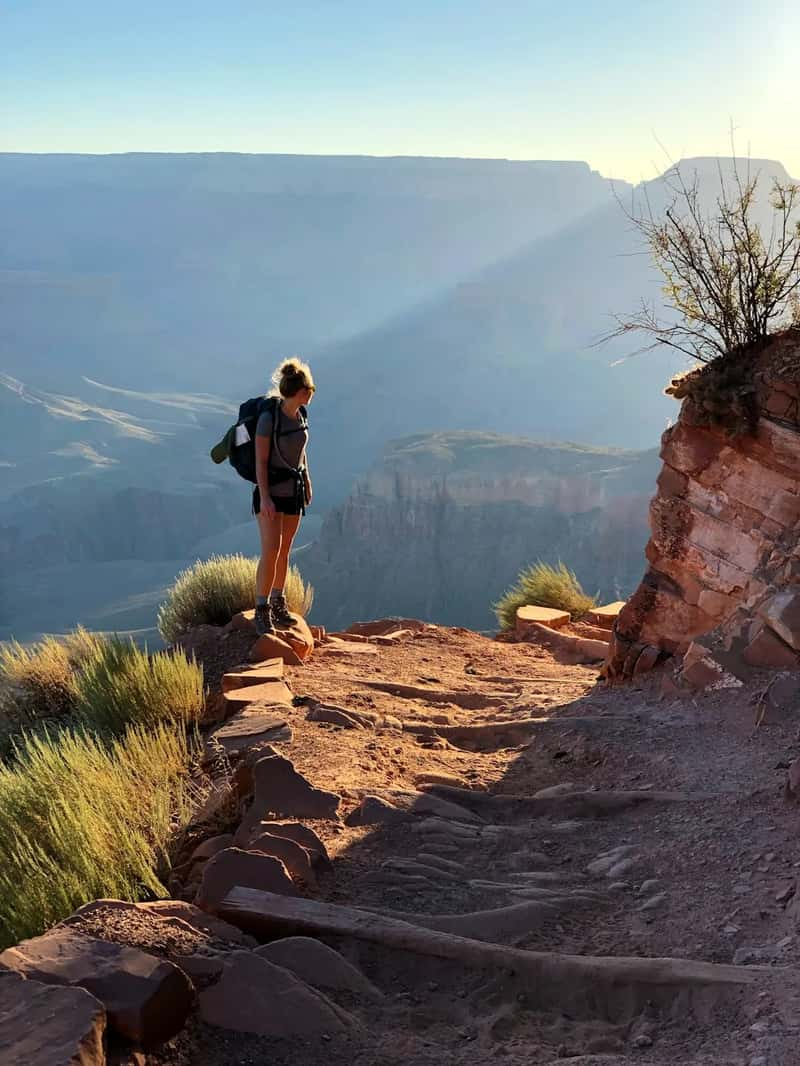
A few practical checks cover most of what rangers ask. Carry salty snacks, electrolyte mix, and at least two liters of water[13], and check trail conditions and water availability before you go. If you overheat near a creek, the park suggests lying in the water up to your chest for up to sixty seconds[13] to cool down.
Keep in mind that help can take time to arrive. The NPS notes that assistance may be delayed in summer because of limited staff, the number of rescue calls, and limited helicopter flying capability during extreme heat or bad weather[8]. Plan to get yourself back to the rim, and turn around while you still have plenty left in the tank.