Most people click through the seat map at booking like it’s a formality. Pick whatever’s open, hit continue, move on. Yet where you sit in economy can change how much room you have, how well you sleep, and how quickly you get off at the other end.
Airlines know this, which is why more of them now charge to choose. Here’s a look at which economy seats tend to earn their reputation, what the trade offs are, and where the 2026 fee rules fit in.
Exit Rows Offer the Most Legroom
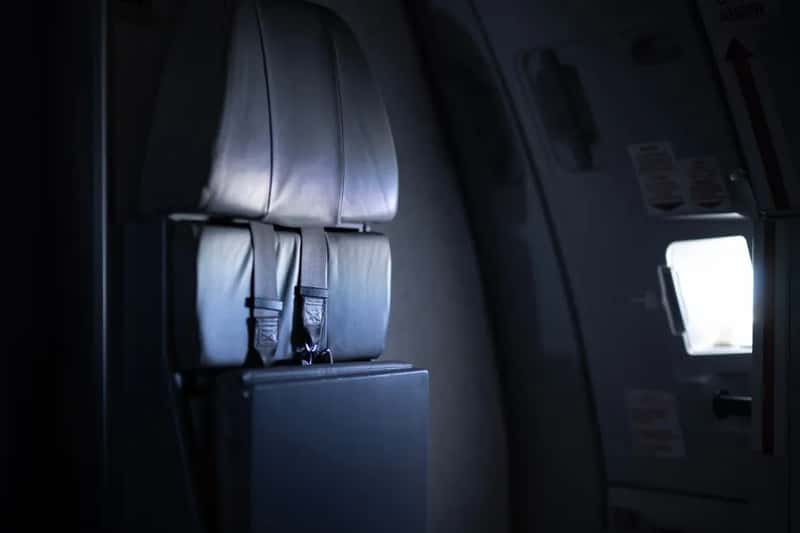
If space is your priority, exit rows are the usual answer. They typically offer 34 to 38 inches of pitch, versus the standard 30 to 31 inches.[1] That extra stretch is noticeable on anything longer than a short hop.
There are catches, though. Some exit row seats can’t recline, and some are narrower because the tray table folds out of the armrest.[2] The row in front of an exit has its own issue, since those seats often offer little to no recline.[3] Check the specific seat map before you commit.
Bulkhead Seats Are Roomier but Not Perfect
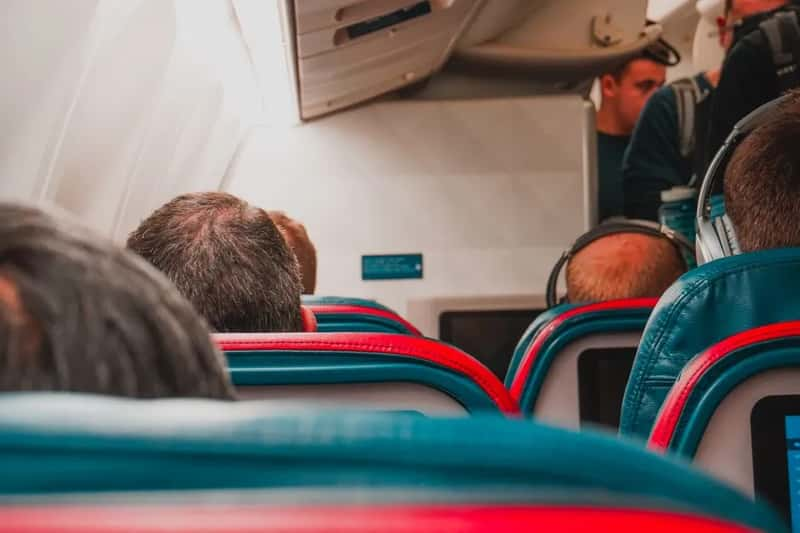
The first row of a cabin has nothing in front of it, so it looks like an easy win. Sometimes it is. Some bulkhead seats can actually feel tighter, because you can’t slide your feet under a seat in front.[2]
Noise is the other factor. Babies usually end up in the bulkhead rows,[2] so light sleepers may want to look elsewhere. For parents travelling with an infant, though, that same row is often the practical choice.
Aisle Seats Near the Wing Feel Steadier
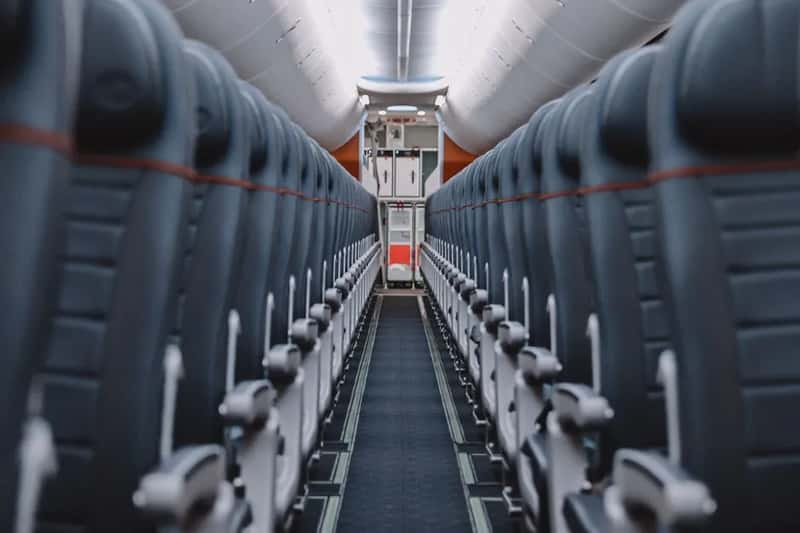
Nervous about turbulence? Sit over the wing. That area is close to the plane’s center of gravity, so it feels more stable than the back or the nose.[4]
Pairing the wing with an aisle seat adds some convenience. You get quicker access to the restroom, and it’s easier to flag a flight attendant during a bumpy stretch.[4] It’s a sensible middle path if you don’t want to pay for extra legroom.
Aisle Seats Near the Back Are a Crew Favorite
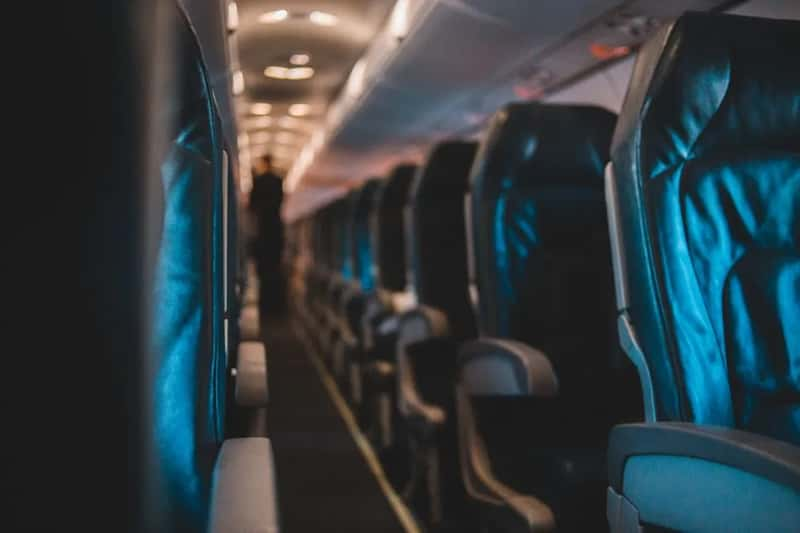
One long haul strategy comes up often. Choose an aisle seat about four or five rows from the back.[6] You get direct aisle access and enough distance from the toilets and galleys.[6]
There’s a bonus. Airlines often fill planes from the front, so on a flight that isn’t full you might end up with a whole row to yourself.[6] Cabin crew often recommend these seats as some of the best on the plane.[6]
Center Block Aisles Reduce the Climb Over Traffic
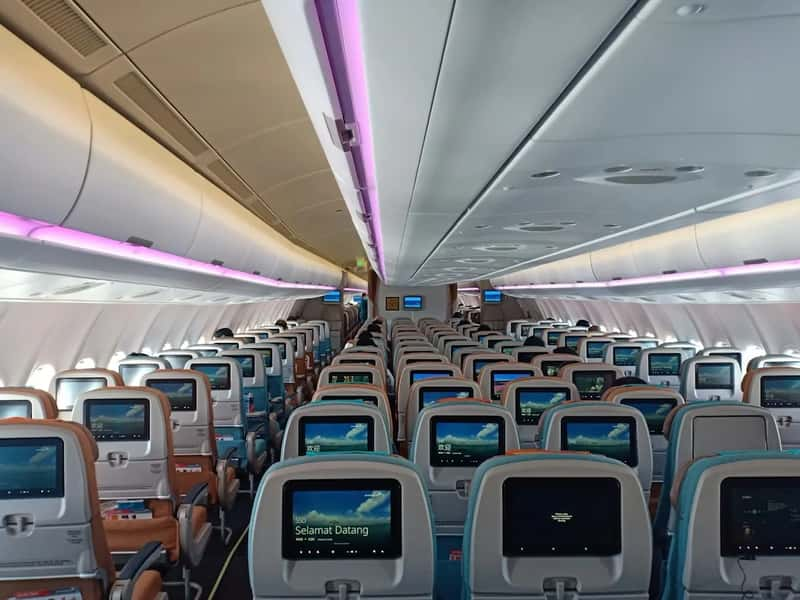
On wide body aircraft, the center section deserves a look. If you like an aisle, one in the middle section is almost always better, because the seats beside you fill last and fewer people climb over you.[2] A window seat on the side blocks puts you in the path of more traffic.
The aircraft itself shapes your comfort as well. Industry leaders say the plane model matters more than the airline, since manufacturers determine how many seats fit across each row.[5] One travel writer prefers the Airbus A330 for its 2 4 2 economy layout.[7]
Sitting Near the Front Speeds Up Your Exit
If you have a tight connection, the front of economy has an obvious advantage. With little time between flights, sitting as far forward as you can means quicker disembarkation.[6] Shaving even ten minutes off your exit can matter when a gate is far away.
The front is also quieter. You’re far from the rear galley and lavatories, which are two of the loudest non engine noise sources on any flight.[1] It’s a trade for the extra fees that forward seats sometimes carry.
The Safety Question for Rear Seats
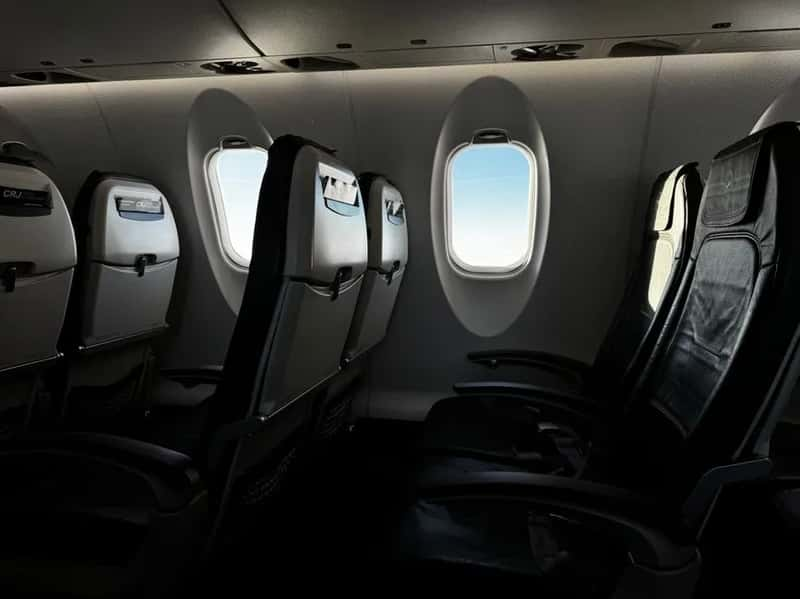
You’ve probably heard the back of the plane is safest. There’s data behind that idea, but it comes with caveats. Time’s analysis of accidents found a fatality rate of 32 percent in the back third, against 39 percent in the middle third and 38 percent in the front third.[8] An NTSB review of 20 crashes since 1971 found those at the back had a 69 percent chance of staying alive, versus 49 percent at the front.[9]
Experts are quick to add context. Your chances depend less on where you sit and more on the circumstances of the crash,[8] and the FAA and other safety experts say there is no safest seat.[8] Not all aviation experts agree that the rear is always safest.[10] Treat it as a small tiebreaker, not a reason to choose.
Why Choosing Your Seat Costs More in 2026
Picking a seat has become a real line item. American changed its Basic Economy rules for tickets bought on or after May 18, 2026,[11] and elites now pay too if they want to choose a seat on those fares.[12] United’s Basic Economy selection typically starts at $15 per flight, and Preferred Seating starts at $24 on standard Economy tickets.[11]
If you skip the fee, you’re leaving the result to the airline. American will assign you a seat for free at check in.[11] Delta had the lowest main cabin seat selection fees in 2026, averaging $24.99,[13] and fees are usually based on flight distance and demand.[13] A modest fee can be worth it to avoid a middle seat.
Seats to Skip Before You Confirm
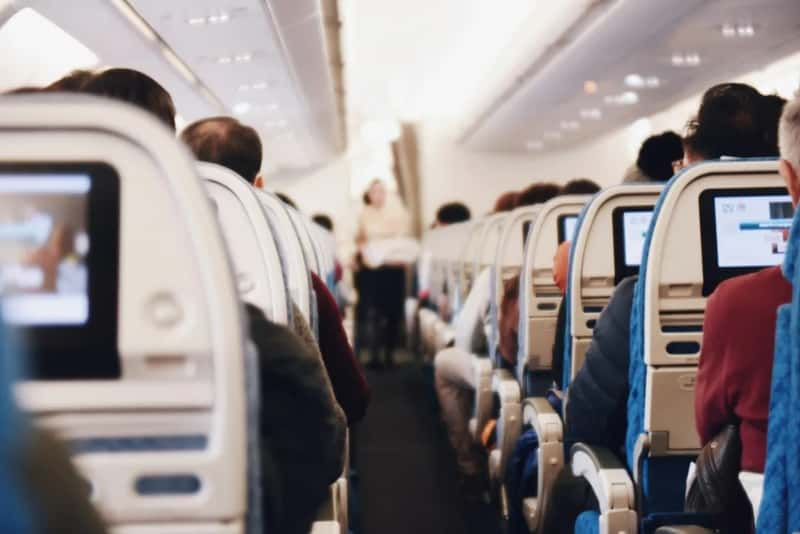
Some spots are worth steering around. Avoid anything near a lavatory.[2] The noisiest area is the last three rows, especially aisle seats near the rear lavatory.[1]
The very last row and the row ahead of an exit also give you little recline. Choose a fare that includes seat selection if you can. JetBlue offers the most standard economy legroom among US airlines, at 32 to 33 inches of pitch without paying extra.[1]