Most people think a long flight begins when the wheels leave the ground. Frequent long-haul flyers know it’s usually decided before the wheels come up. The twenty minutes between boarding and that first chime are when comfort is won or lost.
Once the cabin lights dim and the aisle fills with carts, your options shrink fast. Regulars use this window on purpose, in a quiet, set order that most of the cabin never notices. Some steps look a little obsessive, and one has nothing to do with comfort at all. Here’s what they actually do, and why it works.
#14 – They Wipe Down Their Own Space
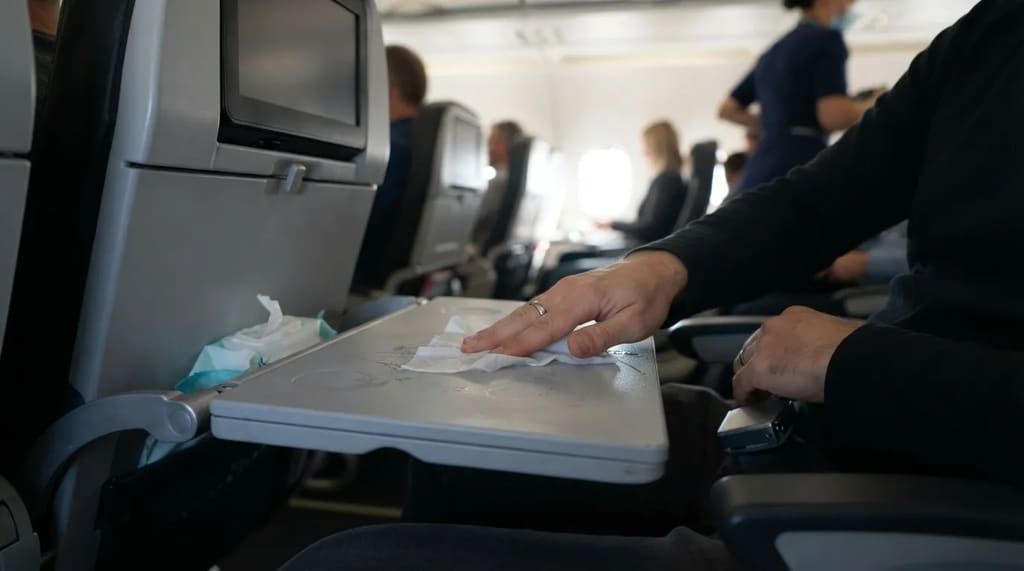
Regulars treat the tray table like a shared desk, not a private one. Passengers before you have touched it, and crews turn planes around fast. So many keep a few sanitizing wipes in an easy-to-reach pocket.
They go over the tray table, armrests, seat-belt buckle and the screen or remote. It takes about a minute.
No one can promise a wipe makes you healthier. The point is control: you start the flight knowing your space is as clean as you can make it.
- Check your airline’s rules on what you can bring.
- Skip anything that leaves a sticky residue on screens.
Some travelers call this overkill and say a flight is no dirtier than a coffee shop. Fair enough. But regulars point out that a coffee shop doesn’t hold you for fourteen hours.
That minute is nothing compared to what the sharpest flyers check next, at #13…
#13 – They Test Everything That Can Break
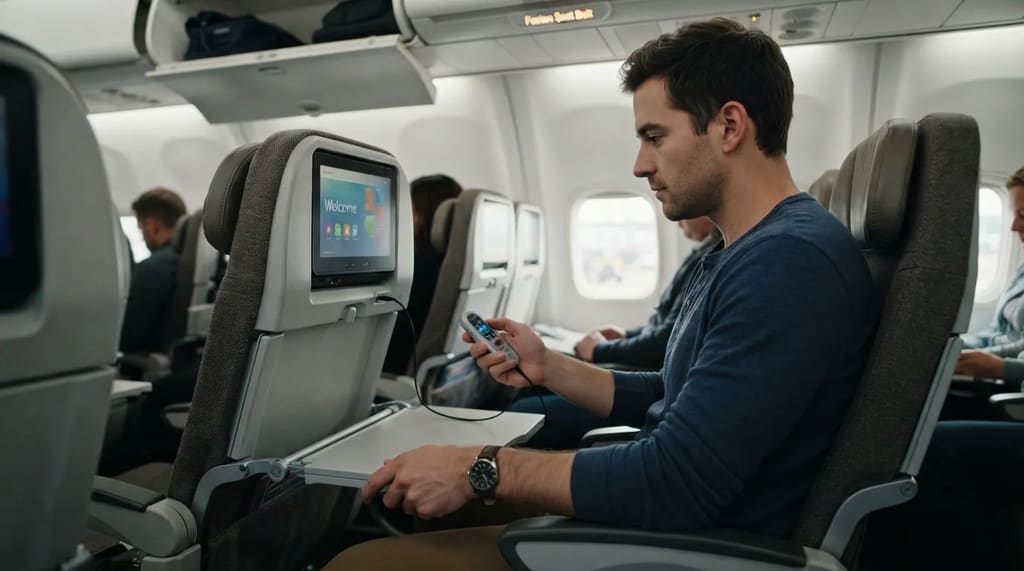
A broken seat is a problem you can only fix before takeoff. Regulars recline the seat, check the headrest, and test the tray and the footrest. They also turn on the screen and plug in their headphones.
If something is wrong, they tell a flight attendant right away. Before the doors close, the crew may be able to move you. Once the flight is full and in the air, it’s often too late.
A dead screen on a long overnight flight is a real misery, and it’s a common complaint. Crews can sometimes reset a system, but only if they know early.
- Test the seat controls.
- Test the screen and the power outlet.
Next comes a step most people do far too late, at #12…
#12 – They Pull Out Their “In-Flight Kit” First
Once your bag goes into the overhead bin, you can’t easily get to it. Regulars know this, so they unpack before they stow anything.
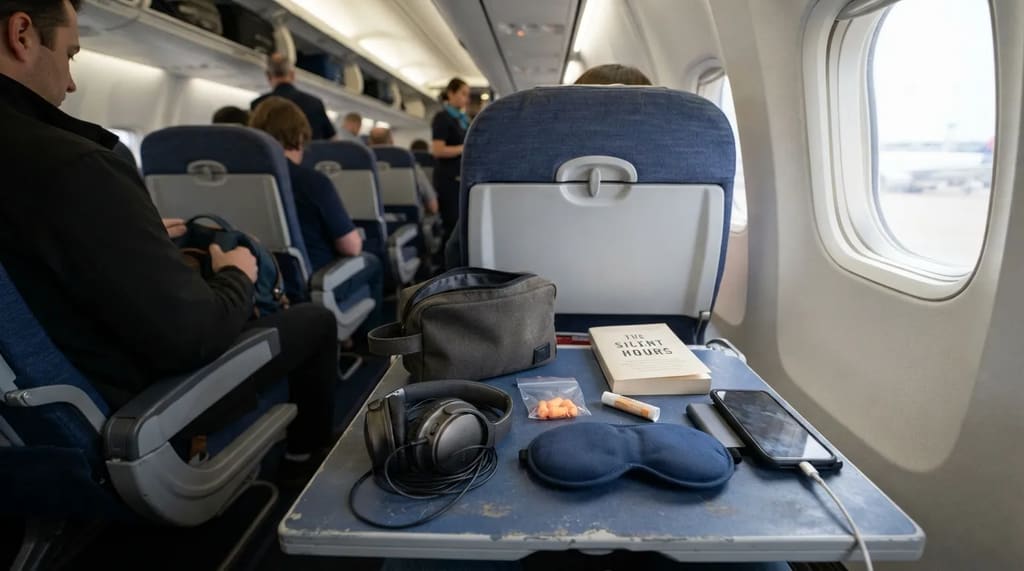
They take out what they’ll want for the next several hours:
- Headphones, eye mask and earplugs
- Charger, medication, lip balm and a book
All of it goes into the seat pocket or a small pouch under the seat in front. Nothing important stays in the bin.
You’ve seen the people standing in the aisle mid-flight with the bin open, digging around. They’re usually looking for something they forgot. Regulars rarely have that problem, and they never have to ask the sleeping passenger beside them to move.
But the next habit has nothing to do with comfort. It’s about survival, at #11…
#11 – They Count the Rows to the Nearest Exits
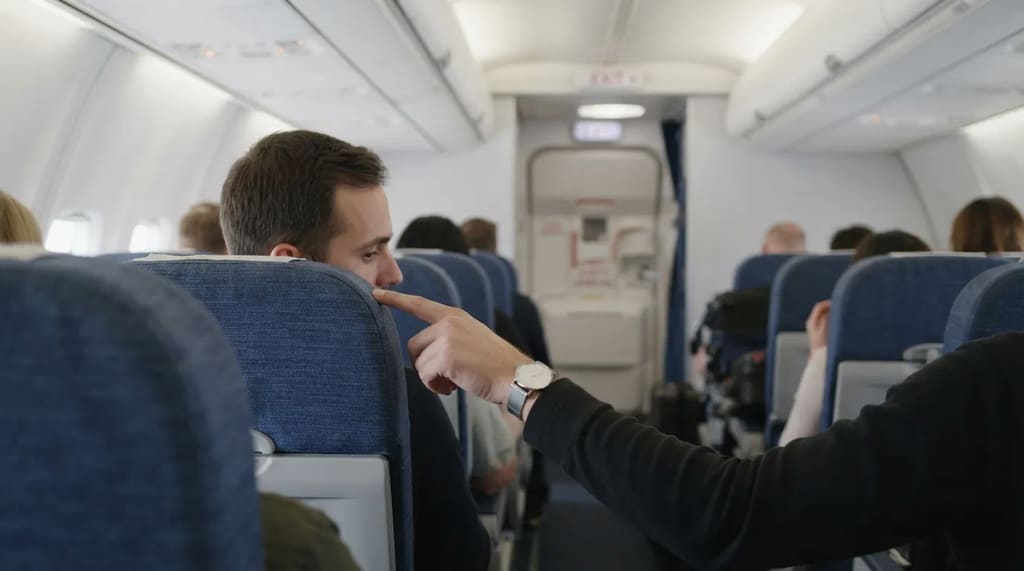
Most passengers have never looked for the exit behind them. Regulars do it before the plane moves.
They find the closest exit, then count the seat rows between themselves and it. Some also check the exit behind them, because the nearest door may not be the one in front.1 2
The counting matters because in an emergency the cabin can be dark or filled with smoke. You may have to find your way by touch, and a number is easier to hold onto than a vague idea.
Worth Knowing
Many frequent flyers also watch the safety briefing, even though they’ve seen it dozens of times. Aircraft types differ, and so do the details.2
Some say the briefing is background noise nobody needs. Safety experts generally argue the opposite, and it’s hard to dispute.
The next habit is about timing, and it’s one you’ll wish you’d thought of, at #10…
#10 – They Use the Bathroom Before They Board
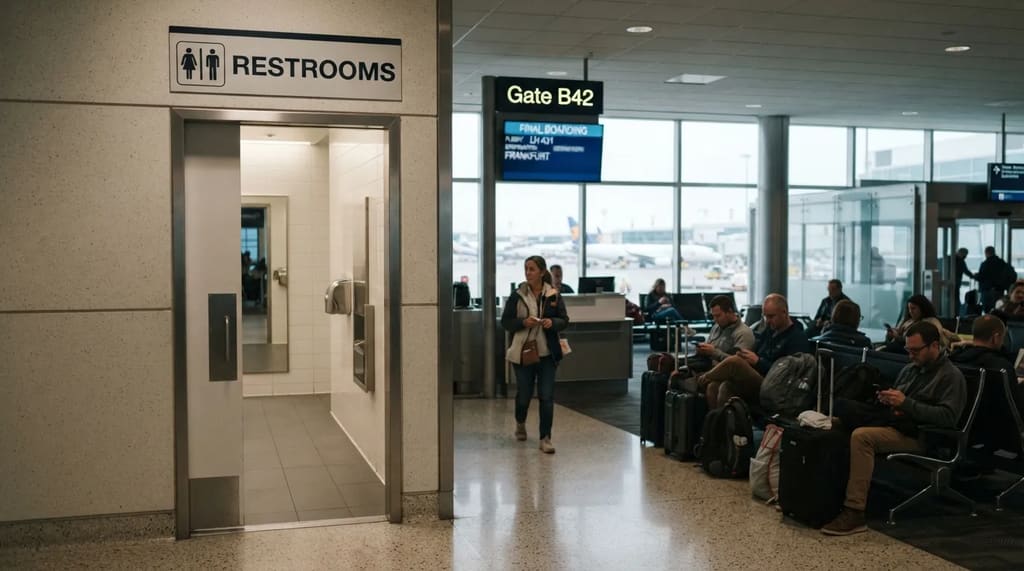
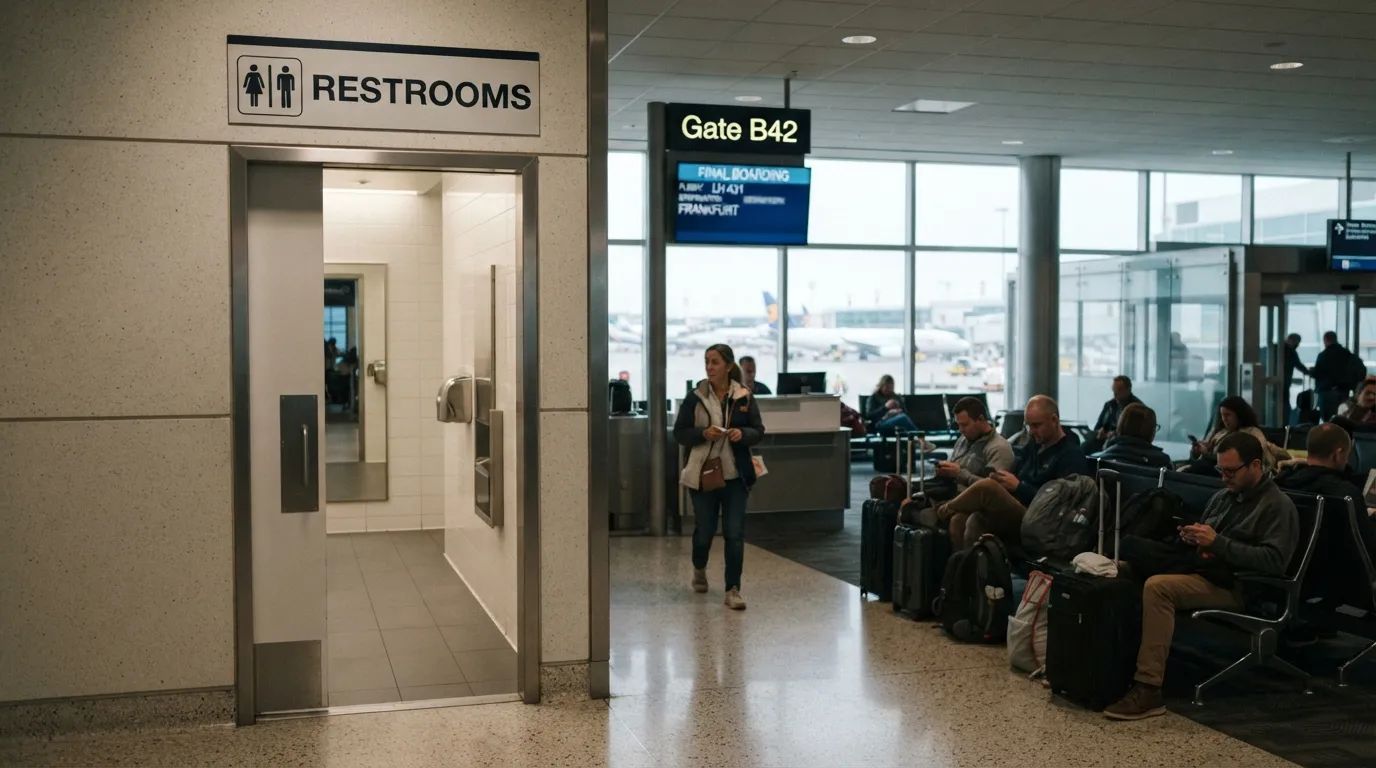
The best time to use the restroom on a long flight is usually before you’re on it. Regulars go at the gate.
Once the doors close, you can’t get up during taxi and takeoff. After the sign goes off, a line often forms at once, because everyone has been waiting.
A pre-boarding visit means you can settle in and hold off for a while. You also won’t be fighting a line while the crew sets up the first service.
- Go at the gate, not on the plane.
- Go again just before final boarding if you can.
What regulars put in their bodies matters even more than when they go, as you’ll see at #9…
#9 – They Plan Their Water and Skip the Early Cocktail
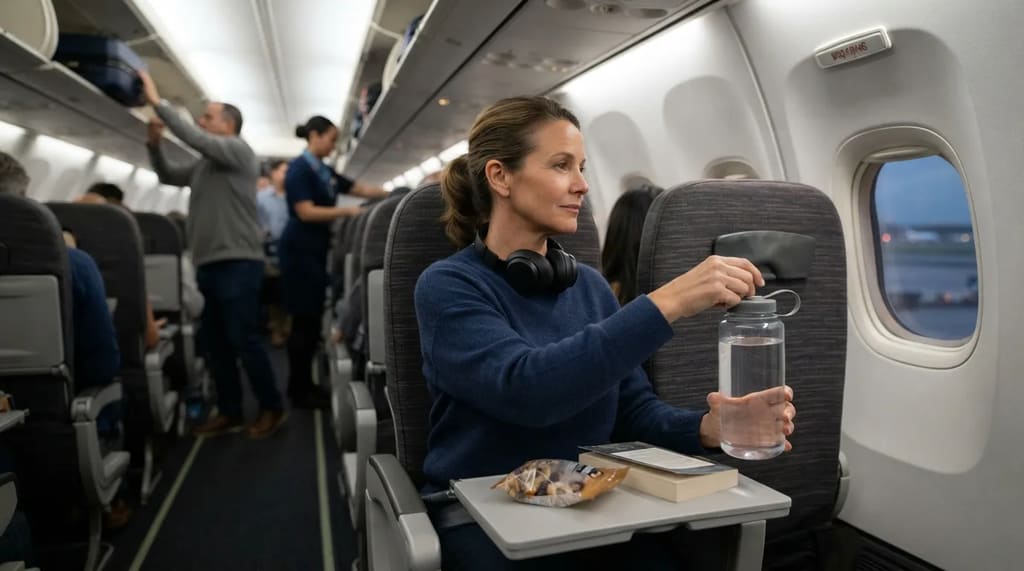
Cabin air is dry, and most people don’t realize how much it wears on them. Regulars treat hydration as a plan, not an afterthought.
Many carry an empty bottle through security and fill it at a fountain near the gate. That way they have water from the moment they sit down, without waiting for the cart.
They also tend to go easy on alcohol and caffeine early on. Both can work against you on a long flight, especially if you want to sleep.
Some regulars call the free drinks on international flights a trap for the unwary. Others enjoy one and don’t mind. Either way, the experienced ones make that choice on purpose.
But there’s a piece of gear that may matter more than the water, at #8…
#8 – They Put On Compression Socks Before Boarding
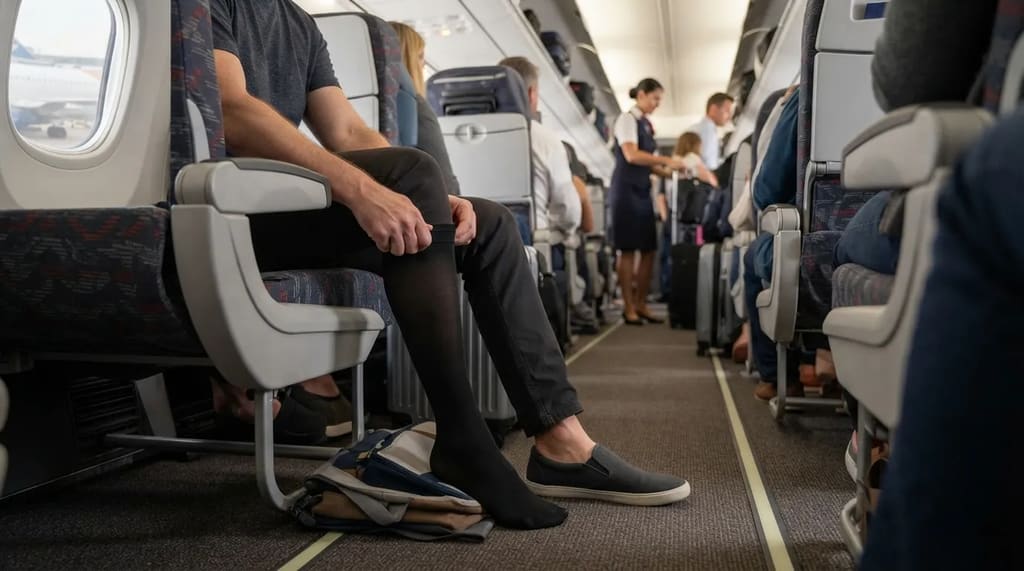
Sitting still for hours is hard on your legs. Many regulars wear compression socks or stockings, and they put them on early.
The reason is simple. Swelling in the legs and feet is common on long flights. Reviews of the research suggest compression stockings can help reduce swelling and lower the risk of blood clots in travelers on long trips.3
Anyone with a medical condition should ask a doctor first. Fit matters, and the wrong pair can do more harm than good.
- Put them on before your legs swell.
- Wear slip-on shoes you can loosen later.
Some travelers find them uncomfortable and skip them. That’s a personal call, but a growing number of regulars won’t fly without them.
The next item has nothing to do with your body, at #7…
#7 – They Download Everything Before the Doors Close
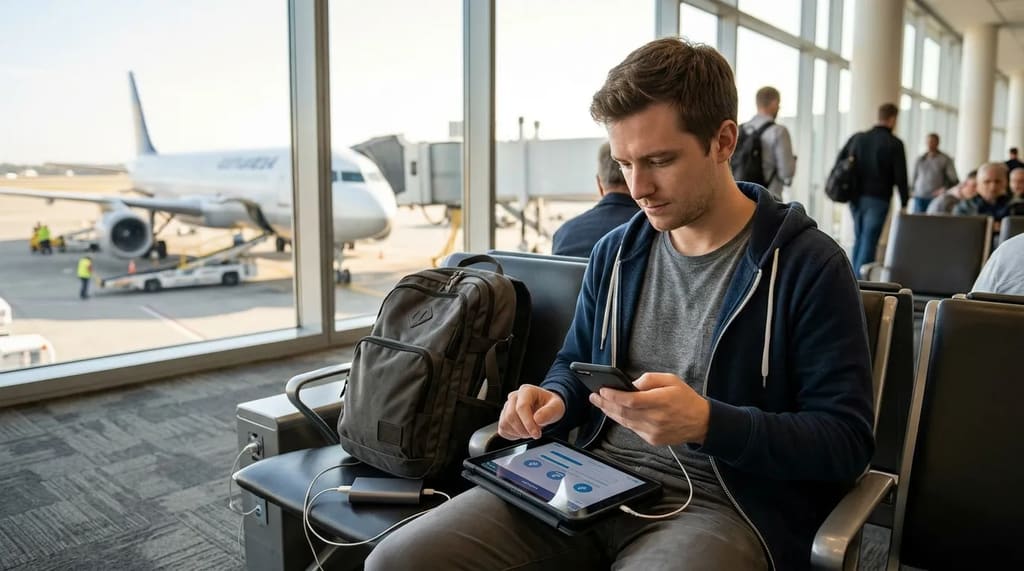
Regulars never count on the in-flight entertainment, or on the Wi-Fi. They load their own.
Movies, shows, podcasts, music, maps and books all get downloaded at home or at the gate. Airport Wi-Fi is usually far better than anything at 35,000 feet, and it’s often free.
They also charge their devices before boarding. Cabin power outlets can fail, and some airlines limit what you can use in flight. Power banks in particular are subject to airline rules, so check yours before you leave.
Fast Facts
- Spare lithium batteries and power banks belong in your carry-on, never in checked bags.4 5
- Most airlines cap power banks at 100 watt-hours unless they approve a larger one, and the usual ceiling is 160 Wh.4
- Some airlines now restrict using a power bank during the flight itself.
- Download at the gate, then charge to full before boarding.
When the crew says to switch to airplane mode, they do. Rules differ by airline and country, and the crew’s instructions come first.
A dead battery on a long flight is one of the most avoidable problems there is. Regulars simply don’t take the chance.
But there’s one adjustment they make that people often laugh at, at #6…
#6 – They Reset Their Clocks to Destination Time
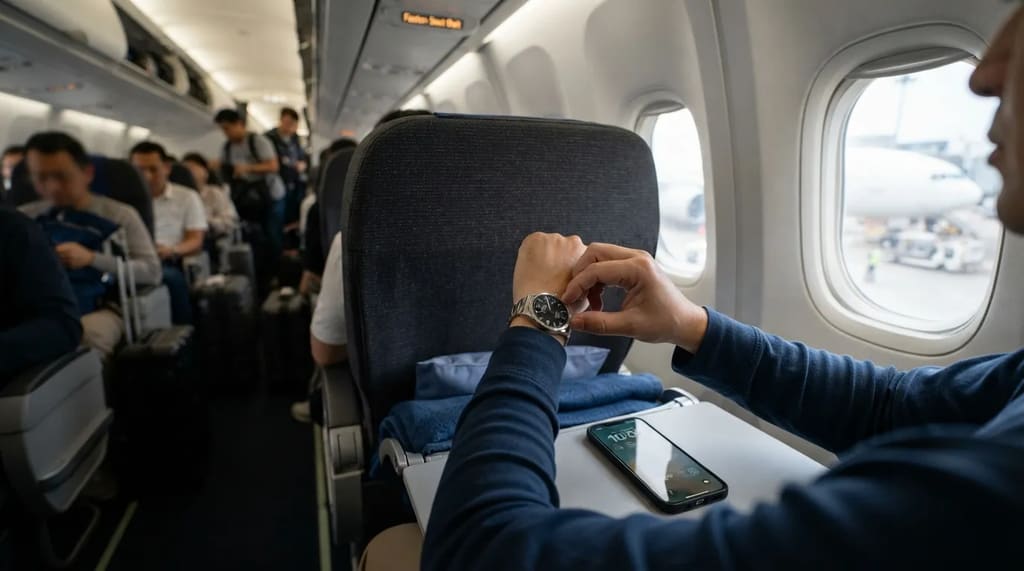
Your body clock doesn’t change when your watch does, but your head does. Regulars switch their phone and watch to destination time as soon as they sit down.
It helps them plan. They can see at a glance whether it’s morning or night where they’re going, and they decide when to eat and sleep with that in mind.
Many travel writers and sleep experts suggest this as a way to ease into a new time zone. It’s no magic cure for jet lag, and nobody should claim it is.
- Change the clock at boarding, not on landing.
- Plan sleep around the local night, where you can.
But a good plan means little if the crew doesn’t know about it, as you’ll see at #5…
#5 – They Tell the Crew Their Plan Early
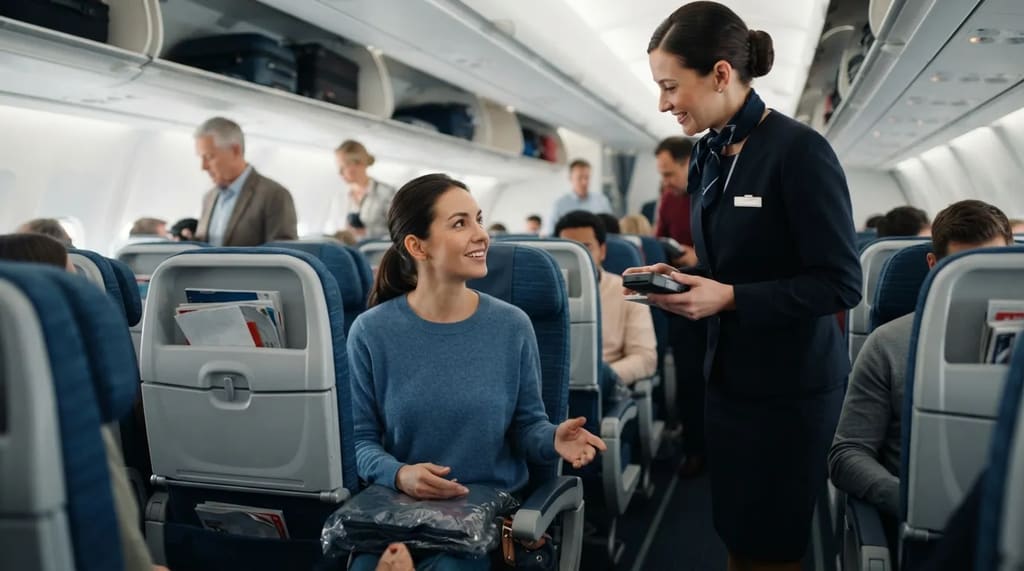
Flight attendants can only work around what they know. Regulars say a quick word at the start saves hours of trouble later.
If they plan to sleep through the first meal, they say so. On many long-haul flights, the crew will set aside a meal or serve it later on request, though it depends on the airline.
They also mention any dietary needs and ask where the blankets and pillows are. Special meals are normally ordered in advance, but a polite question never hurts.
A short, friendly chat at the beginning can change how the crew treats you for the next ten hours. It’s not a trick. It’s just good manners with a practical upside.
But what about the people sitting right next to you? That’s #4…
#4 – They Talk to Their Seatmates First
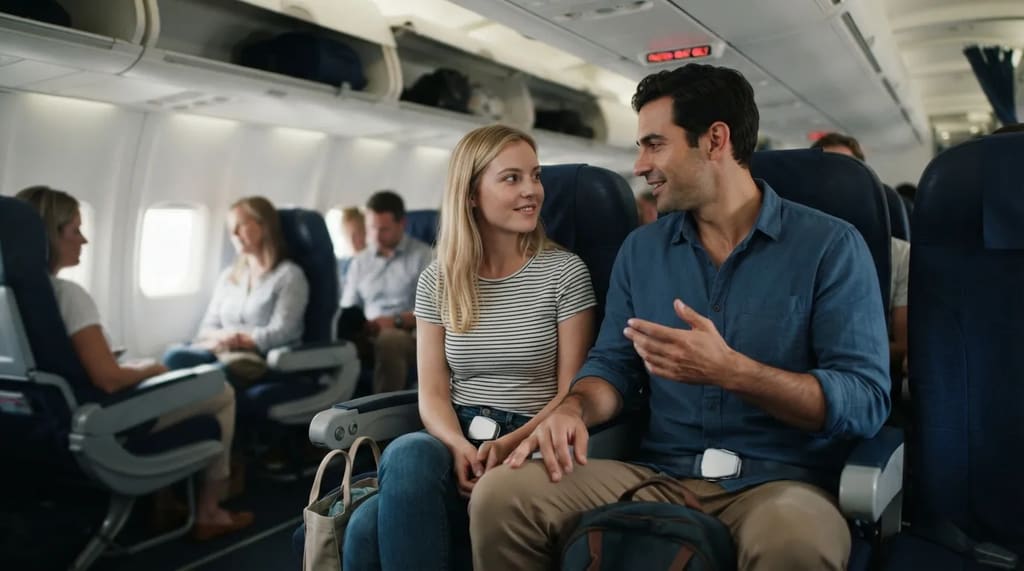
Regulars settle the awkward questions before they come up. They say hello and make a quick, friendly arrangement.
If they have the aisle seat, they tell the window passenger it’s fine to ask them to move. If they have the window, they say they may get up a couple of times and thank their neighbors in advance.
It takes ten seconds. It also removes the guilt of waking someone at 3 a.m.
- Be clear, polite and brief.
- Don’t pressure anyone into a long chat.
Some say the window seat is the worst for a long flight, since you’re stuck behind two other people. Others swear by it for sleeping against the wall. Regulars rarely argue about it. They just make sure everyone knows the plan.
Related Stories From Travelbinger

Quick Compare
- Aisle: Easy to get up and stretch, but you’ll get bumped by carts and passing elbows.
- Window: A wall to lean on and a shade you control, but every trip out means asking two people to move.
- Middle: Rarely anyone’s first pick, which is exactly why a friendly hello matters most here.
Still, even a good relationship with your neighbors won’t keep you warm, as #3 shows…
#3 – They Grab the Blanket and Adjust the Vent
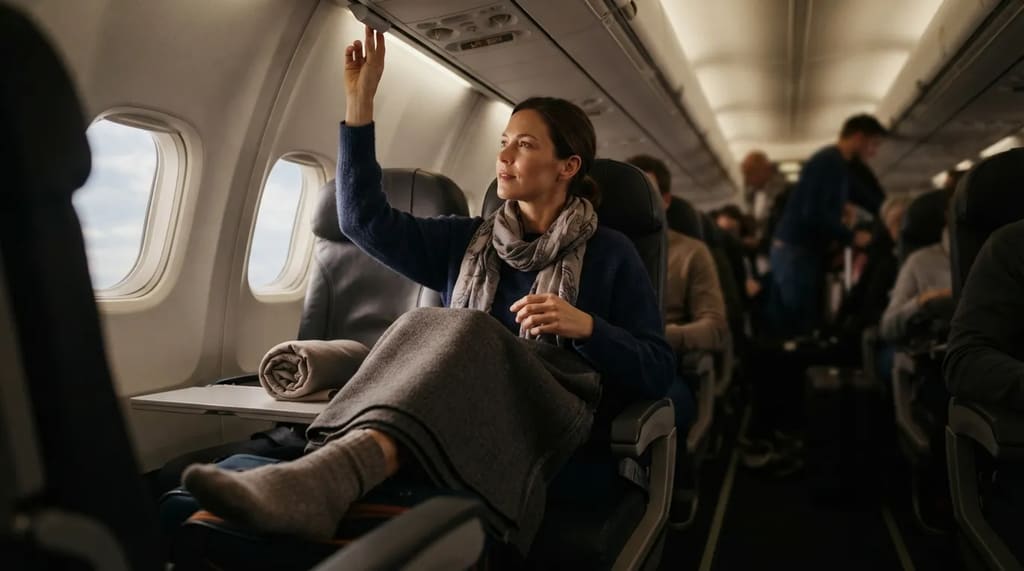
Cabins often get colder as the flight goes on, and the blankets can run out. Regulars get theirs early.
They check for a pillow and blanket on the seat as they board. If there isn’t one, they ask before the cabin gets busy. They also set the overhead vent to a gentle flow, aimed away from their face.
Many also wear layers, such as a light sweater, a scarf and warm socks. A scarf can serve as a blanket, a pillow or a shield from the light.
Not every airline provides blankets on every flight, so regulars carry a back-up. It seems unnecessary right up until you’re cold.
But the trick at #2 is one most passengers get wrong, and it can cost you your sleep…
#2 – They Buckle the Belt Over the Blanket
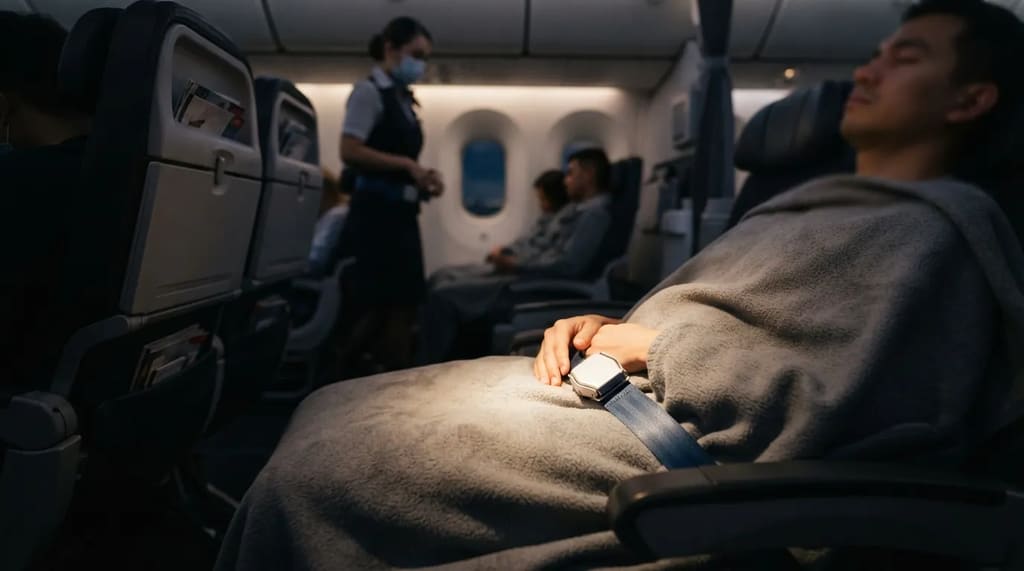
The belt should be visible, not hidden under the blanket. Regulars know the crew may need to check it without waking you.
Flight attendants often advise this. If turbulence comes and the crew can see your belt is fastened, they can walk on by. If it’s buried, they may have to wake you to check.
So regulars fasten the belt snugly across their hips, then lay the blanket on top. That small step makes a real difference to how well you sleep.
Most also keep the belt fastened whenever they’re seated, even when the sign is off. Sudden turbulence can happen with no warning, and a loose belt won’t help you then.6
But the one thing the most seasoned flyers do before the sign goes off may surprise you, at #1…
#1 – They Make a Plan for the Whole Flight
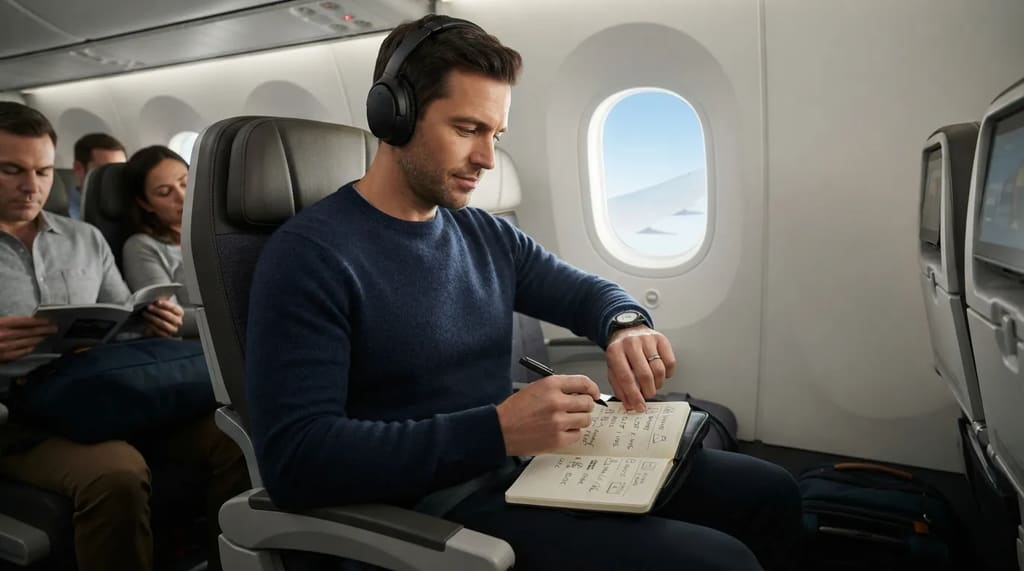
The best long-haul flyers decide what the next ten hours will look like before the first chime. Everything else on this list supports it.
They choose when to eat and when to sleep. They also decide when to get up and stretch. Health agencies advise moving around regularly on long trips, and regulars often set a reminder on their watch or phone.
A simple plan might be: meal, a movie, sleep, a walk, then a light snack before landing. It doesn’t have to be exact. It just has to exist.
- Pick your sleep window.
- Set a reminder to walk the aisle.
Most people drift through a long flight. Regulars run theirs like a schedule, and they arrive in better shape for it.
Long-haul regulars don’t have secret powers. They have a routine built around the first twenty minutes, while the space is still yours to control.
None of it costs much, but all of it takes some thought. Most passengers wait for the flight to happen to them. Regulars decide how it will go, and they’ve usually done it before you’ve found your seat.
- FAA Passenger Evacuations: https://www.faa.gov/evacuations
- FAA Flying Safe Tips: https://www.faa.gov/travelers/fly_safe
- CDC Travel Blood Clot Risk: https://www.cdc.gov/blood-clots/risk-factors/travel.html
- FAA Airline Passengers and Batteries: https://www.faa.gov/hazmat/packsafe/airline-passengers-and-batteries
- FAA Lithium Batteries in Baggage: https://www.faa.gov/newsroom/lithium-batteries-baggage
- ATSB Turbulence Fact Sheet: https://www.atsb.gov.au/sites/default/files/2023-04/AR-2008-034%20Turbulence%20FactSheet_v2.pdf