Most people assume that stretching a modest paycheck into a full life abroad is a fantasy left over from old backpacker forums. Rents climb everywhere, inflation has touched nearly every corner of the globe, and the idea of living comfortably on $500 a month sounds like something out of a decade-old blog post. Yet in a handful of countries, that number still buys real housing, real food, and a real routine, not just a hostel bunk and instant noodles.
The catch is that it takes the right country, the right city, and a willingness to live more like a local than a tourist. Three places in particular still make the math work in 2026, each for slightly different reasons tied to currency, geography, and local pricing structures.
What $500 a month actually buys in 2026

Before naming names, it helps to understand what this budget realistically covers. A $500 monthly figure generally means a modest one-room apartment or a shared house, cooking most meals at home using local ingredients, and getting around by public transport, motorbike, or on foot rather than by private car. It does not usually include private international health insurance, flights home, or the occasional splurge at a Western-style restaurant, which locals in these markets treat as an occasional luxury rather than a daily habit.
It also depends heavily on lifestyle choices that sound small but add up fast. Someone who insists on imported cheese, air conditioning running all day, and frequent taxis will blow past $500 quickly in any of these countries. Someone willing to eat what is sold at the local market and live a few streets back from the tourist strip can often come in under budget, with room left for the occasional treat.
Vietnam: where the dong stretches further than almost anywhere else
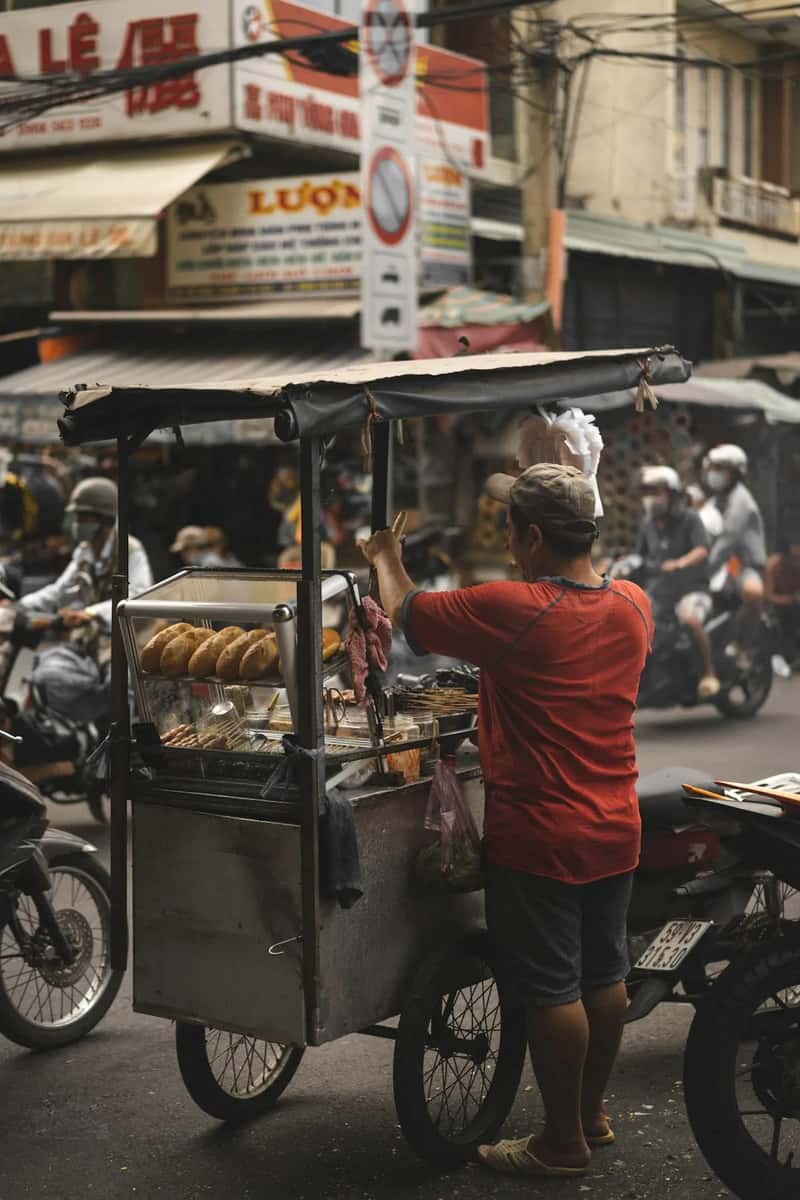
Vietnam remains one of the clearest examples of a country where a modest income goes a long way. Many Westerners who live in Hanoi and Ho Chi Minh City get by spending around $500 per month, but it’s a no-frills lifestyle. Outside the two biggest cities, in places like Da Nang, Hoi An, and Nha Trang, that same amount tends to stretch even further, since prices will be much less away from the country’s commercial centers.
The daily numbers explain why. Two people can enjoy a full local-style meal of rice or noodles, meat, vegetables, and a couple of draft beers for less than $5. Rent is similarly forgiving, with a spacious one-bedroom apartment in a prime Saigon or Hanoi location often running around 10 to 12 million dong, roughly $380 to $456 a month, and considerably less in smaller cities. Add cheap street transport and a coffee culture built around a few thousand dong a cup, and a careful $500 budget covers the essentials without much drama, though it does mean skipping the imported-beer bars and Western brunch spots that expats on bigger budgets tend to favor.
Egypt: ancient history meets modern-day affordability
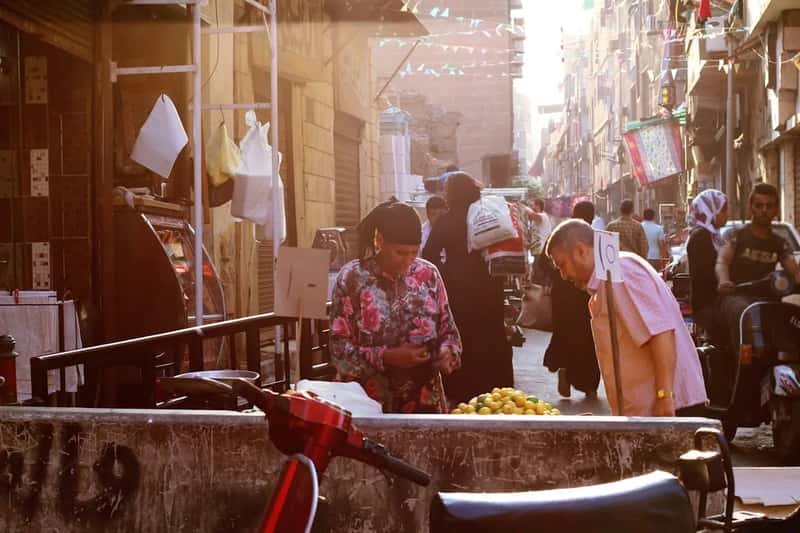
Egypt offers a different flavor of budget living, built around a currency that has depreciated sharply against the dollar in recent years, which makes everyday costs feel remarkably low for anyone earning in hard currency. A monthly income of $500 to $800 is usually enough for comfortable living, with rent ranging from $150 to $500 depending on the location and apartment size. In a city like Cairo, a one-bedroom apartment in the center runs roughly USD 250 to 450 per month, compared to USD 2,400 to 3,500 in New York City.
Food is where the savings really show. Basic groceries and local dining stay cheap by almost any global standard, and even in the capital, overall living costs sit far below the global median, with one recent breakdown putting Cairo at about $516 per month, while overall living costs in Egypt run 66% below the global median of $1,343. Coastal towns like Damietta go even lower, and away from the tourist-heavy compounds of Cairo and the Red Sea resorts, $500 covers rent, groceries, transport, and the occasional trip to see the Pyramids or a Nile felucca ride without much strain.
Indonesia: skip Bali and the math changes completely

Indonesia gets tricky because Bali, the island most people picture when they hear the country’s name, has quietly priced itself out of the $500 conversation. A single expat in Bali now typically needs somewhere between $1,800 to $2,500 per month to live comfortably, driven up by years of digital nomad demand pushing rents higher in hotspots like Canggu and Seminyak. That is a very different country from the one budget travelers remember.
Step outside Bali, though, and the picture flips. In Jakarta’s outer neighborhoods or in smaller provincial towns, a one-bedroom apartment typically runs USD 200 to 400 per month once you relocate away from the urban core, and eastern cities such as Makassar and Manado are generally more affordable still compared with the cities of Java and Bali. Local food stalls, cheap motorbike transport, and modest housing outside the tourist bubble bring a genuinely comfortable monthly budget down close to that $500 mark, particularly for anyone who treats Bali as a place to visit rather than a place to live.
The trade-offs nobody puts on the postcard

None of this comes free of compromise, and it is worth being honest about what a $500 budget actually asks of someone. It generally means giving up private health insurance in favor of paying out of pocket for routine care, skipping most flights home, and living further from the polished, English-friendly expat enclaves that show up in glossy relocation blogs. It also means currency risk works both ways, since a weaker local currency that makes life cheap today can shift with little warning.
There is also a difference between visiting on this budget for a few months and building a real, sustainable life on it for years. Visa renewals, occasional medical needs, and the simple cost of flying somewhere for a change of scenery all sit outside the core $500, and anyone serious about this lifestyle should keep a separate cushion for those surprises. Still, for people willing to live simply and locally, Vietnam, Egypt, and parts of Indonesia remain three of the clearest proof points that a modest income can still buy a full, comfortable life abroad in 2026.
Final thoughts
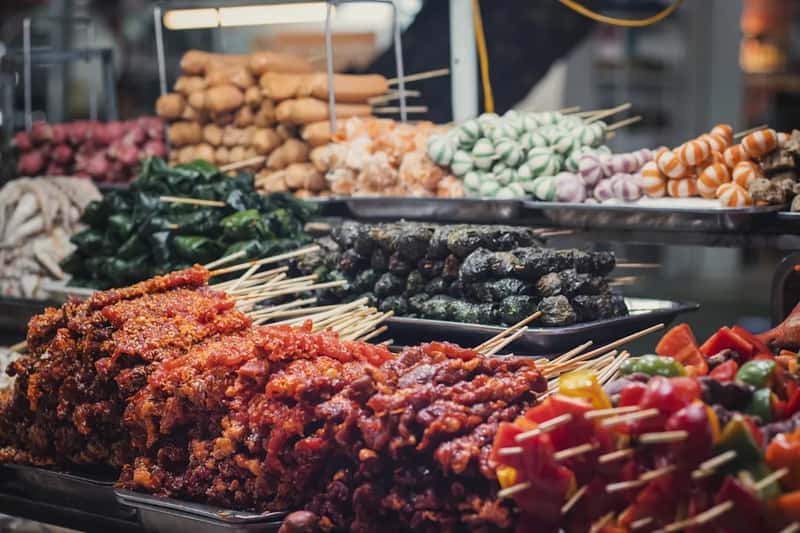
The $500 lifestyle is not about deprivation so much as recalibration, trading imported comforts for local rhythms and letting go of the assumption that a good life requires a big budget. Vietnam’s street food economy, Egypt’s currency-driven affordability, and Indonesia’s quieter towns beyond Bali all show that low cost and low quality are not the same thing. For anyone tired of watching rent swallow their paycheck at home, these three countries are a reminder that geography still matters, and that sometimes the smartest financial move is simply choosing where to live.