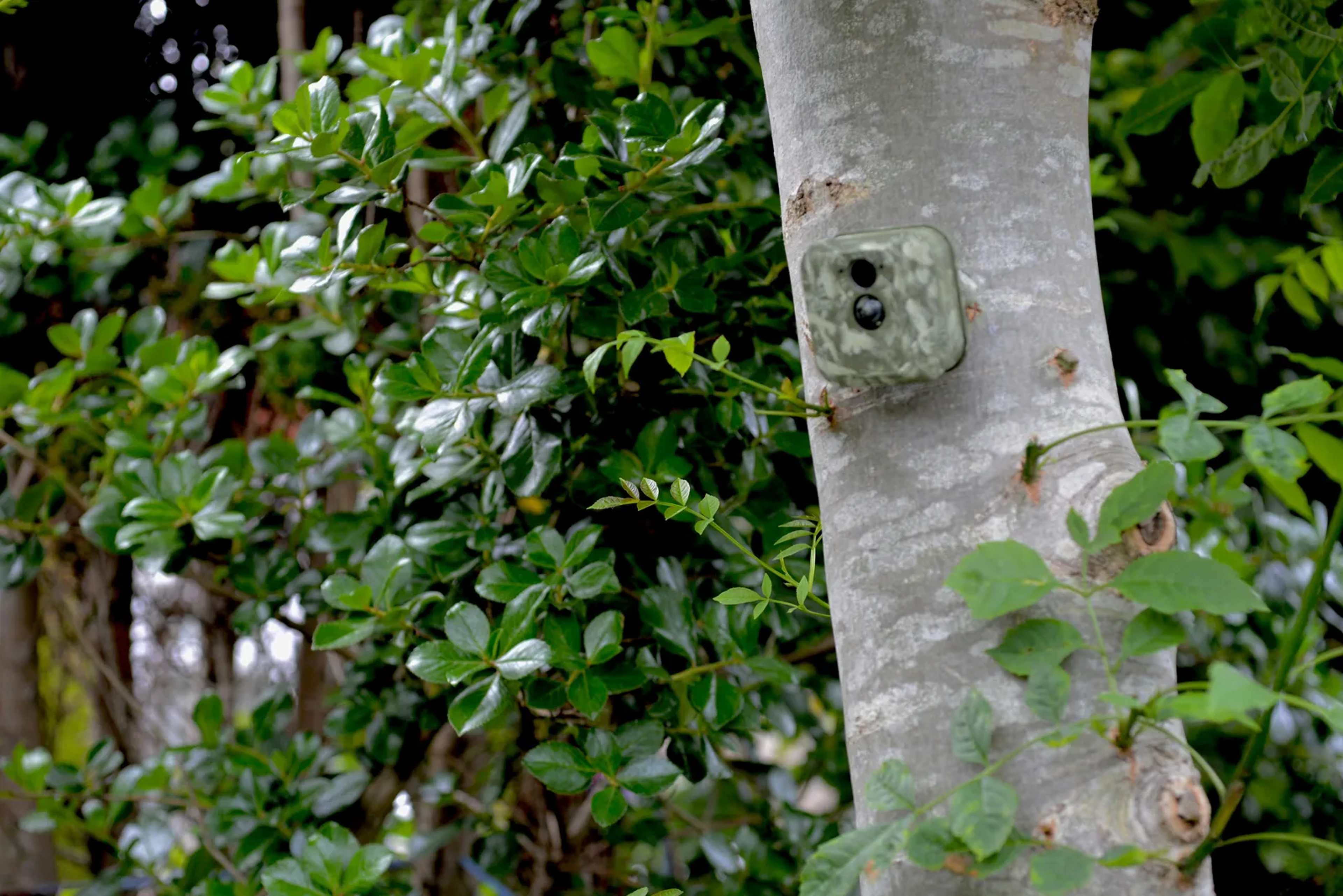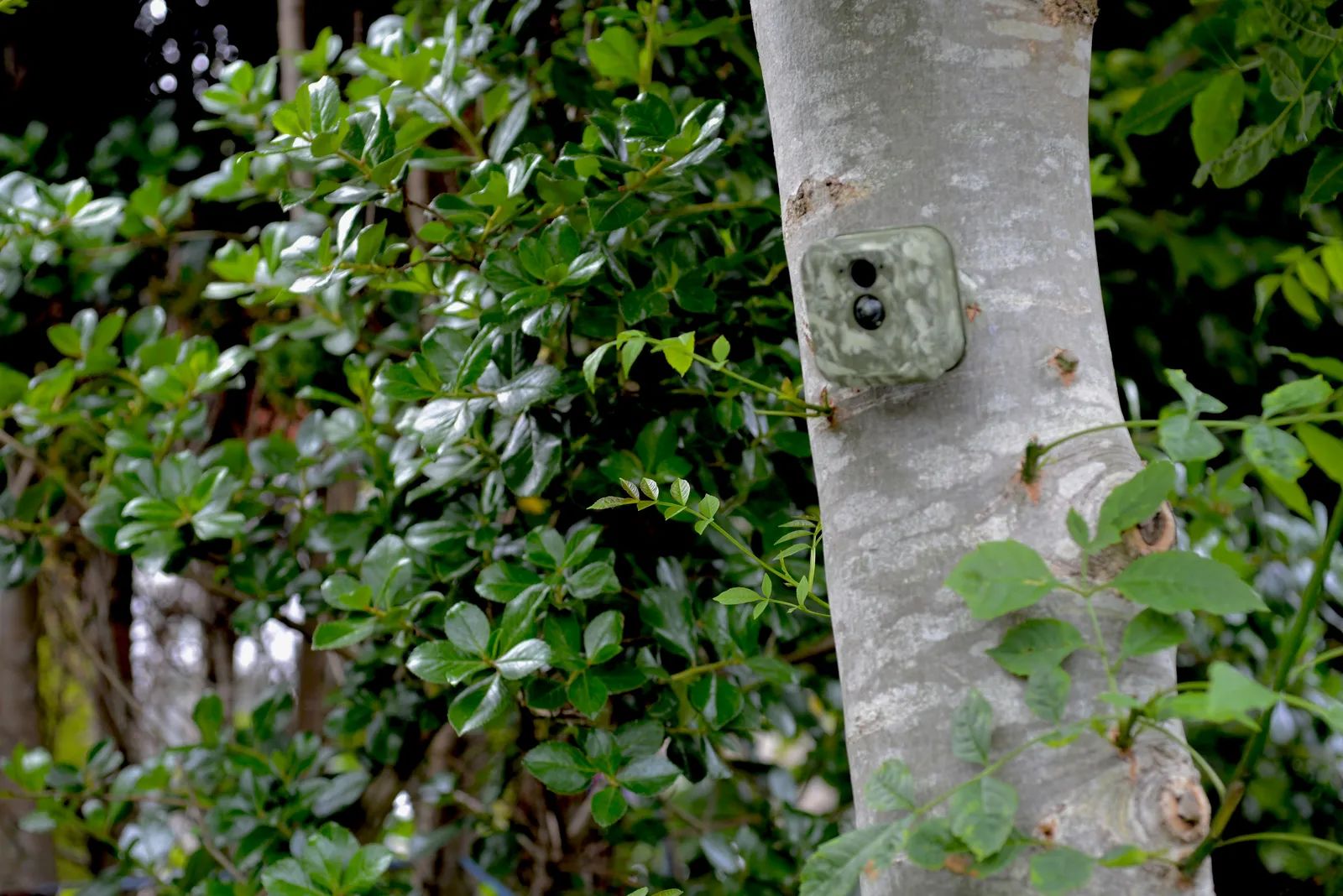
A long-term camera trap study has recorded a wide range of wildlife in the Annamite Mountains, a forested range that runs through Laos, Vietnam and Cambodia, according to a report from Mongabay ([1]). The results arrive at a delicate moment. Hunting and tree loss are pressing on the forests, and conservationists are working to shape a protection plan before more habitat is lost.
A Range That Few Have Seen Up Close
The Annamites stretch about 1,100 kilometers from Laos and Vietnam into the northeast of Cambodia, and much of that forest has never been systematically surveyed ([1]). Fauna & Flora, the conservation group that led a 2025 camera survey, describes the range as a place where many species occur nowhere else on Earth. Its nickname, the “Amazon of Asia,” reflects that abundance rather than any comparison of scale.
Researchers have said they expect the mountains to hold species that science has not yet described. That expectation is part of what makes the cameras valuable. Each new image adds to a baseline that did not exist before, even in places where people have lived for generations.
The region’s history with science also shows how recently its wildlife has come to light. The Annamite striped rabbit was not formally recorded by science until 1996, when Laotian market stalls displayed specimens that drew attention to it.
What the Cameras Recorded
The 2025 survey logged a mix of mammals and birds, several of them threatened or rarely seen in the wild.
- Asian elephants, including a juvenile filmed in Virachey National Park in Cambodia ([2])
- Clouded leopards and dholes, both considered threatened ([3])
- Marbled cats, captured on camera in Pu Mat National Park in Vietnam ([2])
- Stump-tailed macaques and grey peacock-pheasants, among the more elusive residents ([4])
Camera traps also reveal behavior that is hard to observe any other way. The 2025 work was designed to show how animals use trails, water sources and salt licks, and how they respond to nearby settlements. Those details matter because they guide where protection will do the most good.
What the evidence shows so far
The cameras confirm that a broad range of threatened animals still live across several national parks and reserves. They capture only the animals that pass the lenses, so they cannot provide a full census. The number of undescribed species in the range also remains unknown.
Pressures Closing In
An estimated 12 million snares were set across protected areas in Cambodia, Laos and Vietnam, based on a 2020 report from WWF. Wire snares are indiscriminate, so they catch deer, pigs and cats alike, which is why conservationists consider them one of the greatest risks to wildlife in the region ([5]).
Snaring is not the only concern. Data from the long-term survey points to habitat encroachment and fragmentation as major threats, and snaring can drain animal populations quickly even in forests that still look intact from the outside ([4]). Because the Annamites are also home to many people, the boundary between wildlife and village life is thin.
Some signs are encouraging. Anh Quang Hoa Nguyen, of WWF-Vietnam, described the decline in snaring as a “promising first sign” that conservation action is having an effect ([5]). Even so, a single positive sign does not settle the matter.
A Plan Still Taking Shape
Conservationists are now using these images to make the case for stronger protection. Officials and researchers view the results as evidence that the forests are worth defending, not simply as a catalog of rare animals. The next steps are likely to involve decisions about where protection is needed most and how local communities fit into those plans.
For readers, the story offers a rare look at a landscape that remains largely unexplored. The cameras have shown what is still there. The open question is whether planning moves quickly enough to keep it that way.