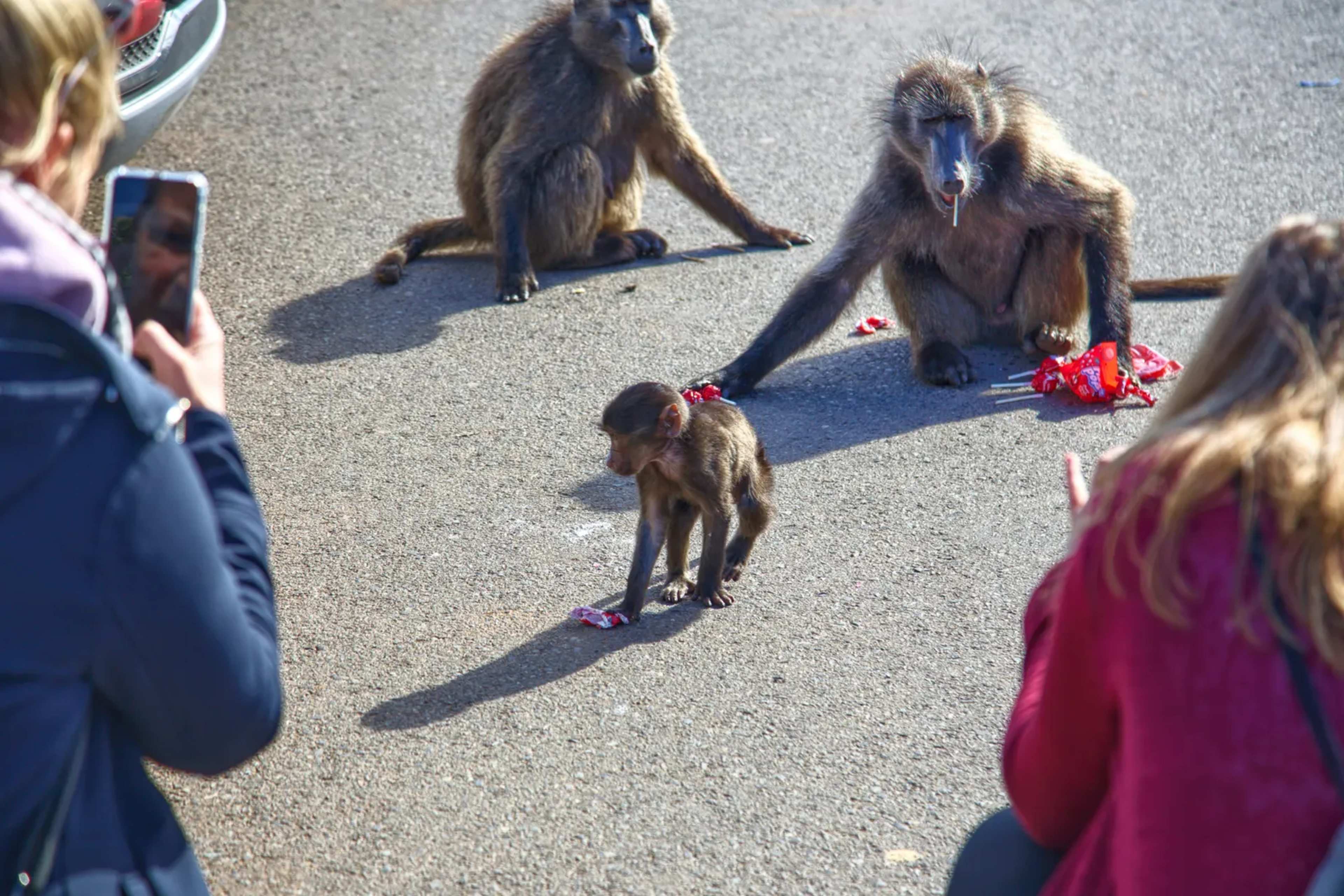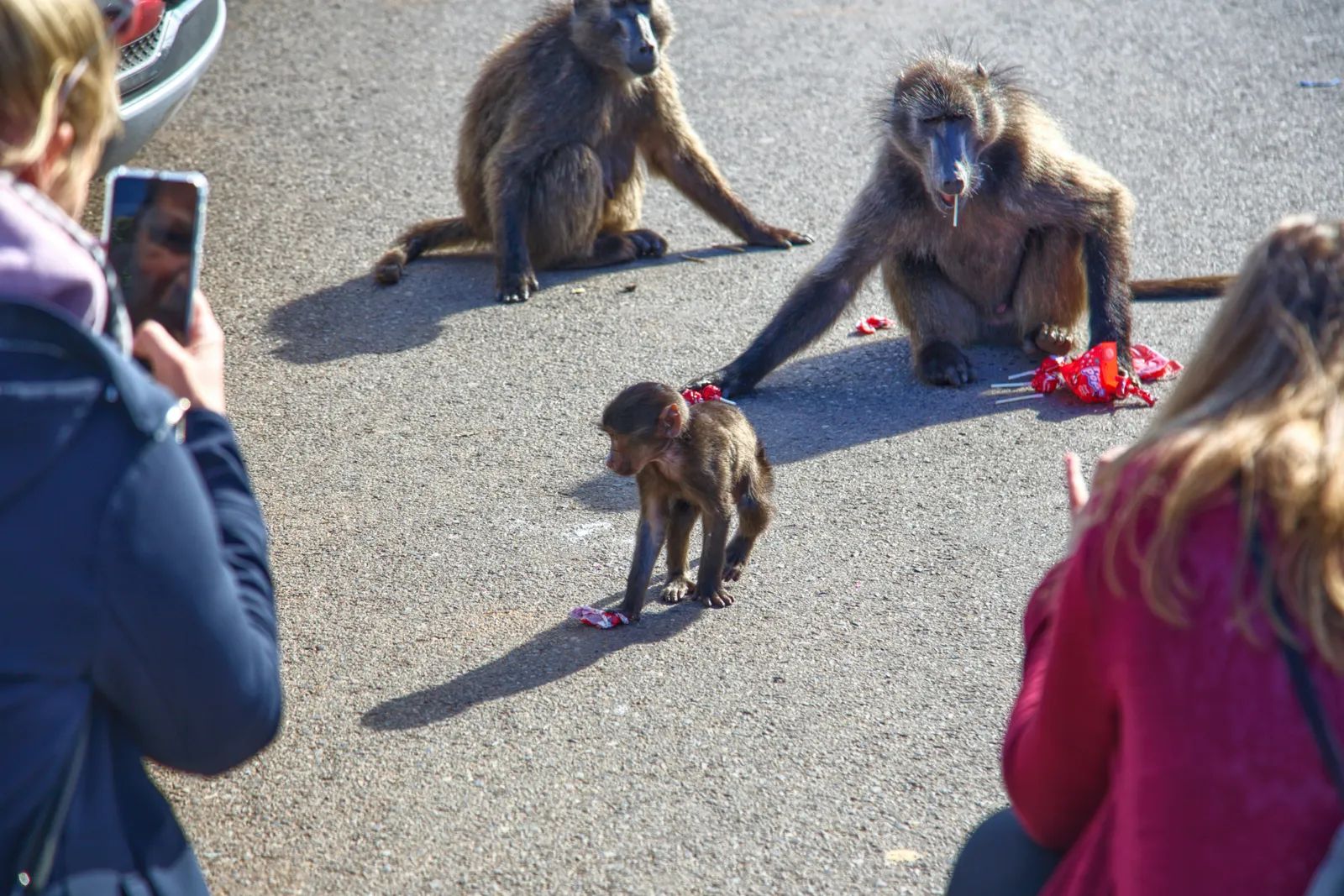
Cape Town – City authorities have approved the permanent removal of two chacma baboon troops from areas near Simon’s Town on the Cape Peninsula. The Waterfall troop of 44 animals and the smaller Seaforth troop of 16 will be captured and moved into purpose-built enclosures. The move forms part of a broader “hard reset” of baboon management across the Table Mountain National Park region.
Why the troops are being removed
The Cape Peninsula Baboon Management Joint Task Team, which includes the City of Cape Town, SANParks and CapeNature, concluded that existing monitoring methods no longer work for these two groups. Both troops have become highly habituated to urban food sources and repeatedly enter naval barracks, homes and businesses in Simon’s Town. Officials say the surrounding habitat lacks sufficient low-lying foraging areas, leaving the animals with little choice but to raid developed zones. The decision follows years of rising management costs and limited success in keeping the troops out of residential areas. Removing them will reduce the southern peninsula baboon population to roughly 160 individuals, aligning with new population caps set at 250 for the north and 175 for the south.
Enclosures and supporting measures
The animals will live out their lives in two fenced sanctuaries on city-owned land at Kogelfontein. A 3.5-hectare enclosure will house the Waterfall troop and a 1.9-hectare enclosure will hold the Seaforth troop. Staff will provide supplementary food to prevent over-browsing of vegetation inside the sites. Alongside the relocations, the city will install a new fence elsewhere on the peninsula and distribute 6,000 baboon-proof waste bins. These steps aim to reduce future conflict between remaining troops and residents. Annual monitoring costs currently range between 17 and 20 million rand, with the city covering most of the expense.
History of management efforts
Baboons on the Cape Peninsula have faced lethal control for decades. Culling was routine until the late 1990s, when non-lethal strategies gained support. Baboon monitors equipped with paintball guns became the main tool, backed by education campaigns and better waste practices. Early results showed reduced raiding in some areas, yet the Waterfall troop, which split from a larger group around 2005, never received consistent monitoring. Over time the animals learned to evade deterrents, and urban mortality remained a concern. The new plan replaces repeated interventions with a one-time removal for these two troops.
Next steps for the peninsula
Population counts will continue every six months, with further removals or contraception used to stay within the approved limits. Officials describe the enclosures as a welfare-focused alternative to culling, though some wildlife experts question whether the approach fully addresses long-term habitat pressures. The changes are expected to begin once the enclosures are completed.