
You can pack the same suitcase and book the same flight, yet tanning rules change sharply once you cross a border. In one country the sunbed studio on the corner is simply illegal. In another it sits next to the bakery and the pharmacy, as ordinary as a hairdresser.
The word “ban” covers more than one kind of rule in this article. Some countries have shut commercial tanning down for everyone, while others bar only people under 18. Each entry below says which kind applies, and the second half looks at places where salons are a normal part of the high street.
Brazil: The First Country to Shut the Door
In 2009, Brazil imposed a general ban on sunbeds, becoming the first country to do so.[1] Brazil and Iran were the first countries to bring in a total ban on tanning devices, in 2008 and 2009.[2] The ban applies to cosmetic tanning for adults and minors alike.
It hasn’t gone entirely unchallenged. Several Brazilian tanning salons brought lawsuits to lift the national ban, and a 2017 report noted some were still ongoing.[1] Public support may have come quickly because solariums were never as popular there as in colder European and North American countries.[1]
Iran: A Total Ban That Gets Little Attention

Iran is the least discussed of the three countries with a full ban. A 2023 review counted only Brazil, Iran and Australia as having completely banned commercial indoor tanning.[2] Iran’s ban dates to 2008 or 2009, which makes it one of the earliest.[2]
English language research gives few details on how the rule is enforced. What can be said with confidence is that the classification has held up over time. A 2024 submission from the European Cancer Organisation still listed Australia, Brazil and Iran as the countries with a complete ban.[3]
Australia: The Ban Built on Public Health Evidence

Australia followed in 2015 and 2016, a country with high ultraviolet exposure and a mostly fair skinned population.[2] The outright ban on commercial sunbeds has been in place since 2016.[4] Each state and territory legislated separately, and the Northern Territory had no commercial tanning salons to close.[5]
Researchers who reviewed the experience described it as a success. When the industry was given enough time to reform, businesses shifted to other cosmetic services without significant job losses.[4] State governments took an active role in enforcement, and the small number of breaches declined over time.[4] The ban covers commercial use only, so a person can still own a bed at home, though that market is extremely small.[4]
France: Early Rules for Minors
France does not ban tanning for adults, but it was early to restrict young people. In 2003, France and Brazil were the only two countries with nationwide tanning laws for people aged 18 or younger.[6] Today sunbeds are prohibited for people under 18 in France.[7]
That early move was part of a wider shift. By early 2024, 21 countries had banned indoor tanning for people younger than 18.[3] The International Agency for Research on Cancer places tanning beds in its highest cancer risk category, alongside smoking and asbestos.[7]
Spain: Age Limits in a Patchwork Europe
Spain sits on the youth restriction list rather than the total ban list. By 2011 it was one of the countries with a nationwide law for young people.[6] Spain is also named among the places with an age limit on sunbed use.[8]
Europe overall is uneven, which affects what a traveler finds. About half of European countries have a strict ban for minors.[5] A European review found that just over a quarter of the countries reported no specific sunbed legislation at all.[9]
Portugal: Another Youth Ban, Not a Full One
Portugal is among the European countries that introduced age restrictions after indoor tanning was identified as carcinogenic.[10] It also appears on the 2011 list of countries with nationwide laws for young people.[6] Adults can still use commercial sunbeds there.
The number of countries with such rules keeps creeping up. A 2022 paper counted 24 countries that prohibit sunbed use for people under 18.[4] The same paper noted only three countries with a total ban on commercial sunbeds.[4]
Austria: Rules on Paper, Uneven in Practice
Austria is among the countries that have banned indoor tanning for minors.[11] It was already on the 2011 list of countries with nationwide youth laws.[6] Adults are not covered by the restriction.
Across Europe, the rules around consent and warnings vary. A European assessment found a warning display required in more than three quarters of cases, while a signed informed consent was not required in about four fifths.[9] That helps explain why a youth ban alone can leave a lot of room for adult use.
Italy: Youth Restrictions Within an EU Debate
A 2017 piece in the Bulletin of the World Health Organization listed Italy among the countries with an under 18 ban.[1] That makes it a restriction country, not a total ban country, so adults can still tan commercially.
The wider European conversation is still moving. The European Commission promised policies to reduce exposure to ultraviolet radiation, including from sunbeds.[3] The European Code Against Cancer, developed by IARC, is blunt on the subject and advises people not to use sunbeds.[3]
Ireland: Youth Ban Plus Limits on Promotions
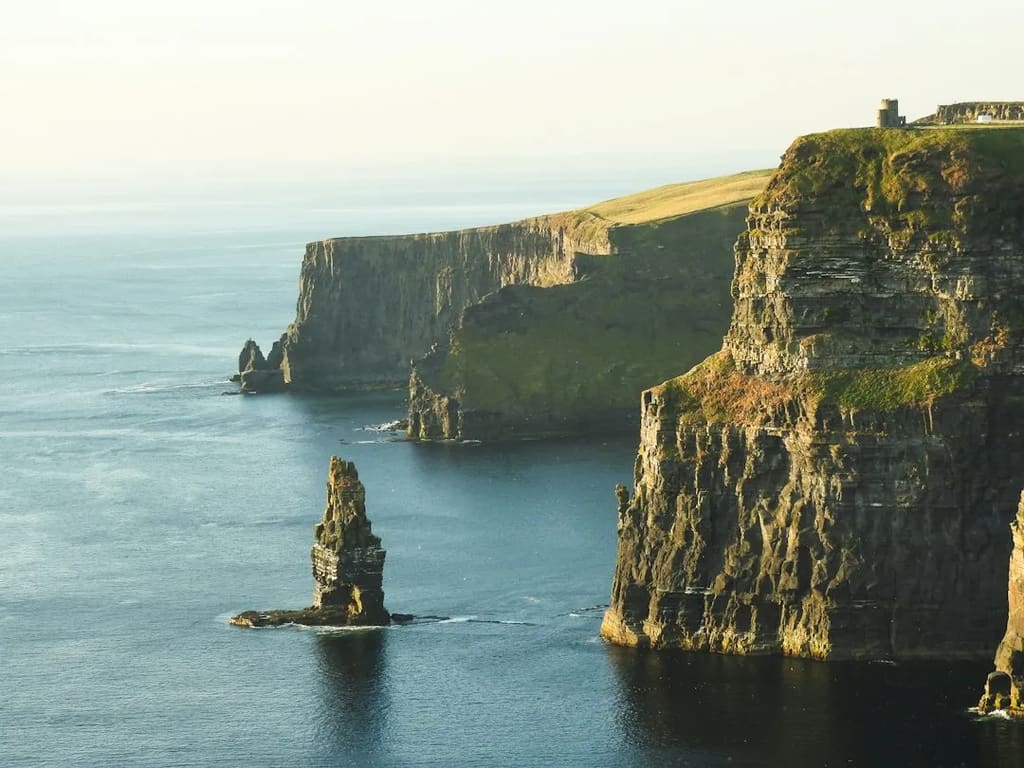
Ireland is on the list of countries with an under 18 ban.[1] It stands out for how it regulates the business side as well. Ireland banned special offers and bonus promotions designed to encourage repeated visits to tanning salons.[2]
Adults can still use salons, but the marketing is harder to push. That fits a broader pattern in which the most common advertising restrictions require avoiding general health claims and claims that tanning is free from risk.[12]
Iceland: A Youth Ban With a Telling Health Trend
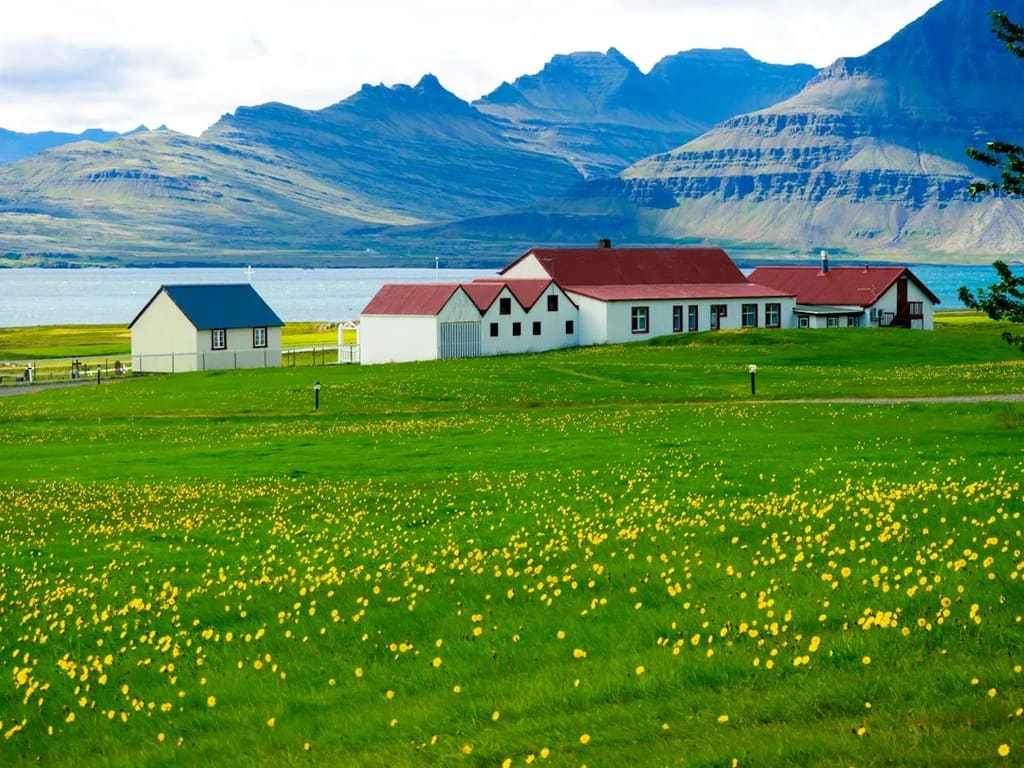
Iceland restricts rather than prohibits. A comparison of national laws shows Iceland with a strict ban for minors under 18 but no total ban.[5] It also has a dedicated regulation on sunbeds that requires health information.[2]
The country is often cited by researchers for what happened afterward. Around 2002, Iceland saw a melanoma epidemic in young women, possibly influenced by sunbed use.[9] Melanoma incidence then fell, and the drop coincided with decreased sunbed use.[9] That is an association, not proof of cause.
United Kingdom: Where Salons Keep Multiplying

Britain runs against the European trend. The number of UK tanning salons has risen by 47 per cent since 2016, from 2,103 to 3,095, passing 3,000 for the first time in 2026.[13] An average of 70 salons opened per year since the pandemic, but 126 had already opened since the start of January 2026.[14]
Across Europe, the database counts 7,745 tanning salons, and the UK accounts for 40 per cent of them.[15] That works out to about 4.5 salons per 100,000 people.[15] Under 18s are still barred from commercial beds, though adults face no such limit.
Northern Ireland: Denser Than the UK Average
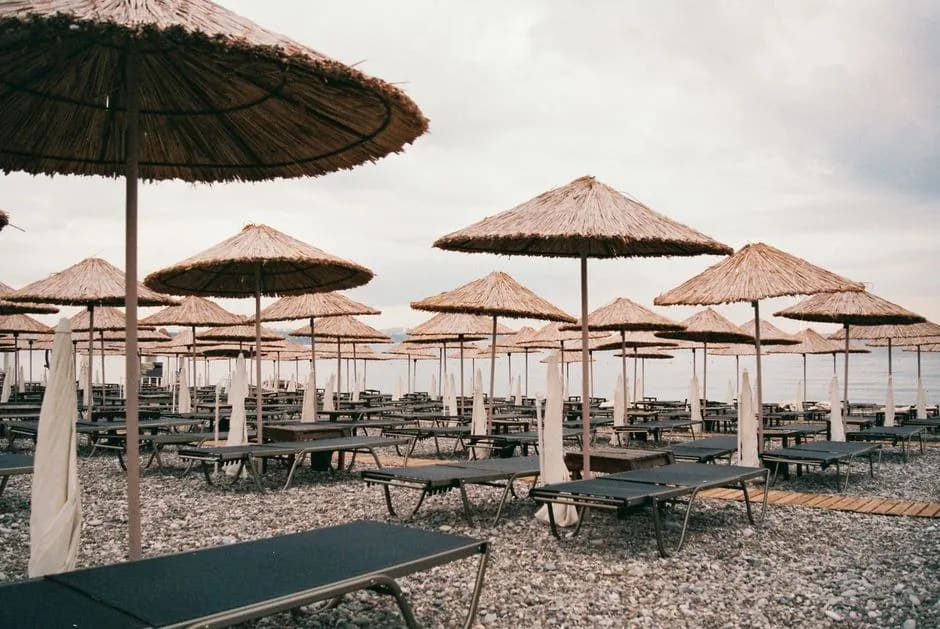
Northern Ireland is one of the four UK nations, and it is counted separately in the regional data. It has 102 salons, or 5.3 per 100,000 people.[15] That sits above the national average of 4.5.
Within the UK, sunbeds are described as a northern habit, with the North East of England holding 233 salons, almost twice the national average.[15] The South West, South East and London have the fewest per head.[16] Northern Ireland therefore ranks near the top of the UK on density.
Germany: Big Numbers, Slowly Shrinking
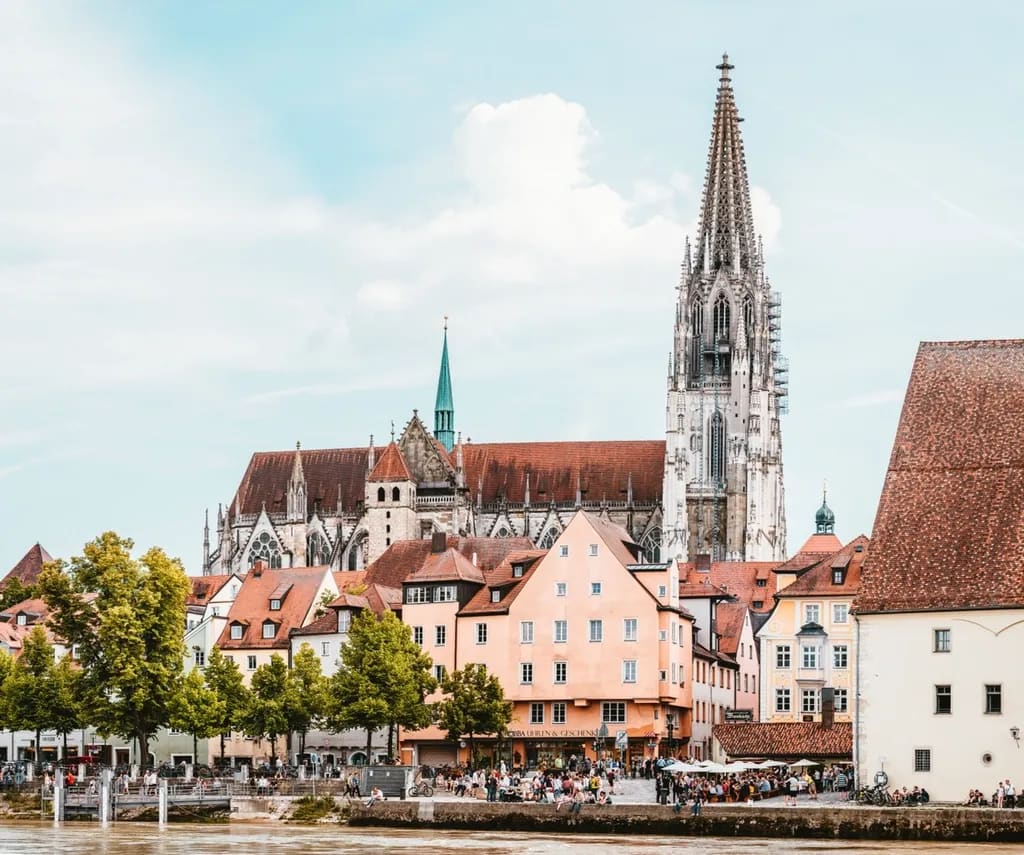
Germany is the second largest market in Europe with 1,929 salons, down from 2,286 in 2016.[13] That is a fall of roughly one sixth, and it has continued year after year. Salons are still easy to find, particularly in larger cities.
Germany, the Netherlands and Belgium each have around 2.3 salons per 100,000 people, half the British figure.[15] Germany also bans indoor tanning for minors.[11] So the typical German customer is an adult, and the market is gradually contracting.
Netherlands: Plenty of Studios, Fewer Each Year
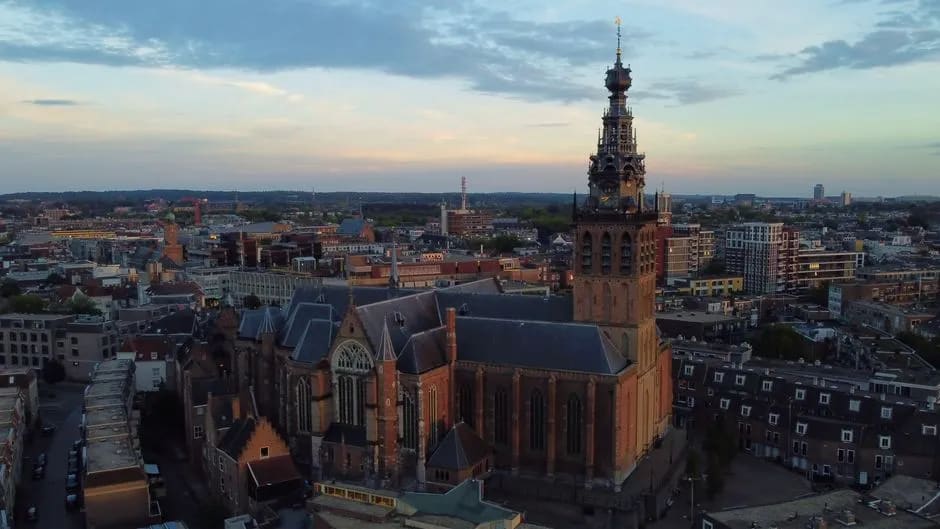
The Netherlands saw the sharpest fall in Europe, from 535 salons in 2016 to 420 on 1 January 2026.[17] That is a drop of about one fifth. Even so, the country remains in the group that still has a visible tanning culture.
Related Stories From Travelbinger



Its density of around 2.3 salons per 100,000 people matches Germany and Belgium.[15] The researchers noted that other major markets are shrinking while the UK grows.[18] For visitors, that means studios are still common but no longer expanding.
Belgium: Matching Germany on Density

Belgium has about the same number of tanning salons per resident as its larger neighbors. Its rate is around 2.3 per 100,000 people, the same as Germany and the Netherlands.[15] The data I found does not give a separate total for Belgium, so only the density figure is reliable.
Belgium is among the countries that have banned indoor tanning for minors.[11] Adults remain free to use commercial salons. In that sense Belgium reflects the regional norm, where youth rules exist while adult tanning stays legal and available.
Denmark: The Closest Rival to Britain
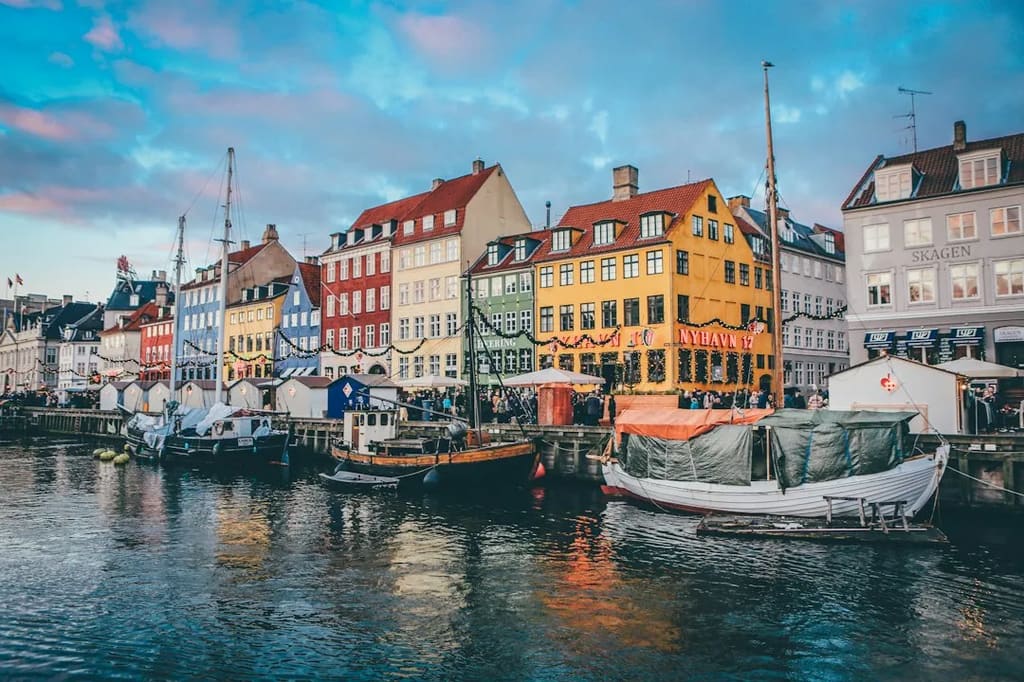
Denmark is the only country that comes close to the UK on density. Only Denmark, at 2.8 salons per 100,000 people, comes close.[15] That puts it above Germany, the Netherlands and Belgium.
Denmark is also among the places with age limit bans on sunbed use.[8] So the density comes from adult customers. The figure suggests tanning remains an established habit there, though total salon numbers were not reported in the sources I reviewed.
United States: The Largest Market, Still Declining
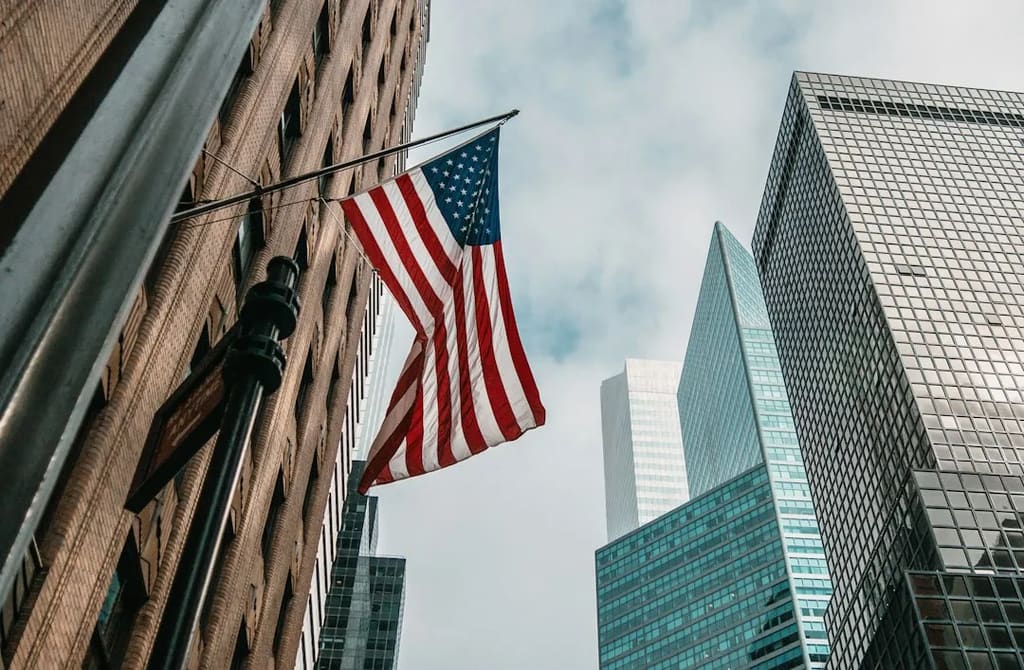
IBISWorld counted 27,318 tanning salons in the US in 2025, a decrease of 5.3 percent from 2024.[19] The number of businesses has declined by 4.5 percent per year on average over the five years from 2020 to 2025.[19] Even after those losses, the total dwarfs any European country.
Rules vary from state to state. In the United States, what is allowed depends on the state.[7] That makes the American picture closer to a patchwork than a single national policy.
Canada: Legal and Regulated Province by Province
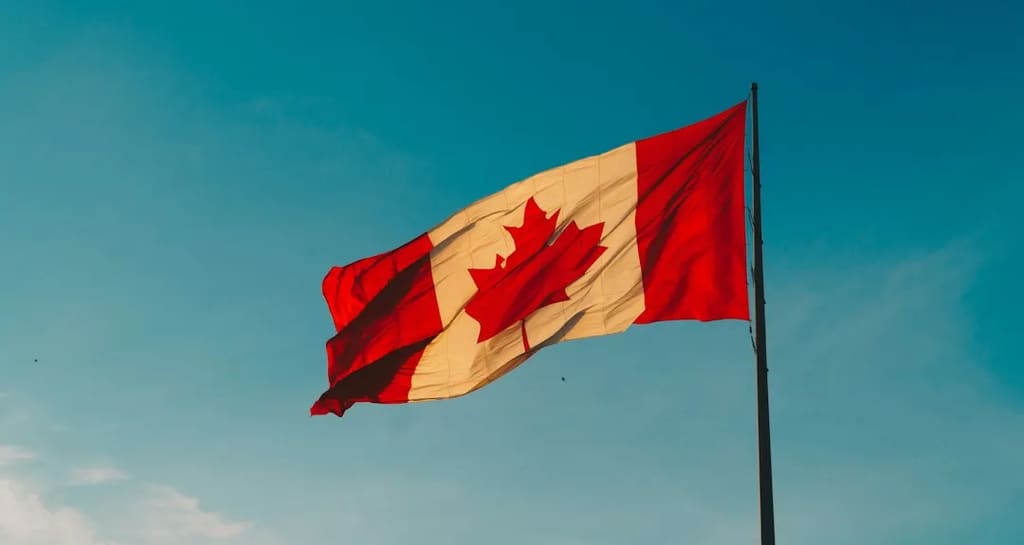
Canada does not ban commercial tanning nationwide. Researchers who reviewed the rules examined local regulations in all 13 Canadian provinces and territories.[5] That tells you regulation is set locally, not by a single federal rule.
Age limit bans exist in several Canadian jurisdictions.[8] I could not find a reliable national count of salons, so no exact figure is given here. What can be confirmed is that adult indoor tanning remains legal and operates under provincial and territorial rules.