Some places don’t just look different from home. They run on different rhythms, with different wildlife, different calendars, and different ideas about what a good life looks like. Stepping off the plane there can feel like the rules have quietly changed.
The fifteen countries below earn that feeling in different ways. A few are remote, a few are surprisingly easy to reach, and one or two are changing quickly. Each section sticks to facts you can check, with recent figures where they exist.
Bhutan: The Himalayan Kingdom That Charges You to Slow Down
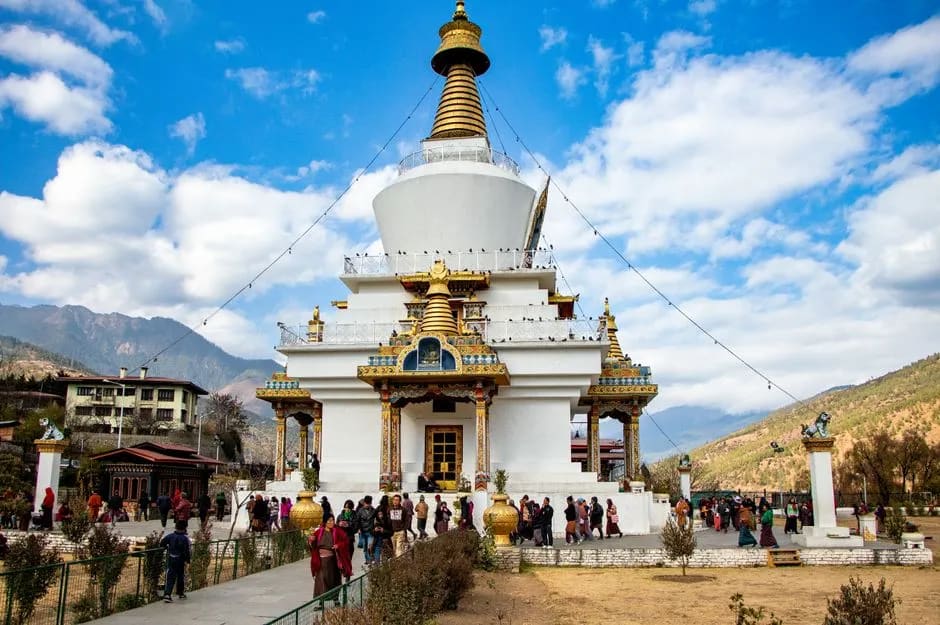
Bhutan opened to tourism in 1974[1] and has managed visitor numbers carefully ever since. Today, international visitors pay a nightly Sustainable Development Fee that funds free healthcare and education, infrastructure and environmental conservation[2]. It’s a different travel bargain from most countries, because part of what you pay goes straight into the kingdom’s public services.
For most travelers the fee is USD 100 per adult per night, half the usual USD 200[3]. One government based source puts the reduced rate in place through 31 August 2027[2], while another operator says it runs until the end of 2029, so check the current rule before booking. Beyond the paperwork, the draw is monasteries clinging to cliffs, including Tiger’s Nest above the Paro valley, and a culture that measures national progress by well being rather than only by income.
Madagascar: An Island Where Evolution Went Its Own Way
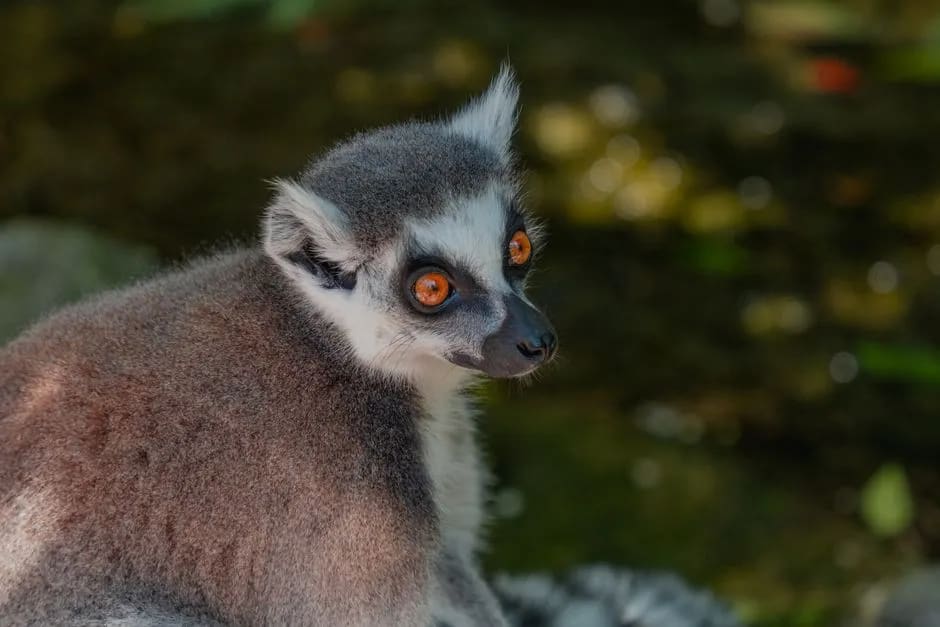
Madagascar split from other landmasses long ago, and its wildlife developed in isolation. The island houses all of the world’s lemurs and half of its chameleon species[4]. On the plant side, more than 80 percent of its 14,883 plant species are found nowhere else[5], which explains why the forests look unlike anything on the African mainland.
The strangeness has a fragile side. Conservation groups report that 103 of the 107 surviving lemur species are threatened with extinction[6], and the island has lost more than 90 percent of its original forest[5] since humans arrived. The famous baobab avenues near Morondava are one of the easiest ways to see why people travel here, and why protecting what remains matters.
Mongolia: Endless Steppe and More Horses Than You’d Expect
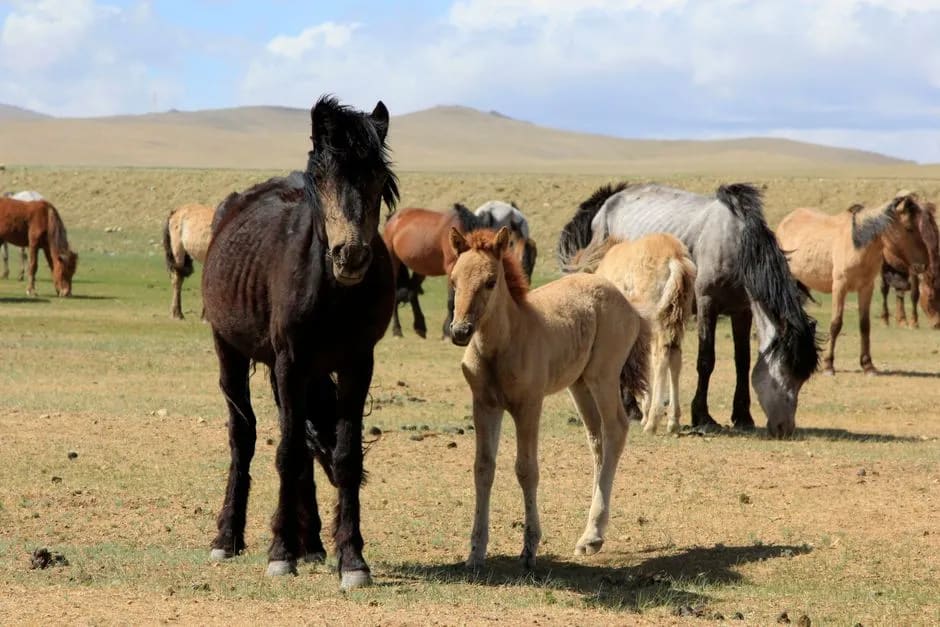
Mongolia is the emptiest sovereign country on the planet. Its population density sits at roughly two people per square kilometre, the lowest of any sovereign country[7]. Even then, roughly 45 to 47 percent of the population lives in one city, Ulaanbaatar[7], which leaves the rest of the country astonishingly open.
Out on the grasslands, herding life continues much as it has for generations. More than a quarter of the population are nomads[8], many of them living in felt tents called gers. Travelers can stay with herding families, cross the Gobi, or time a trip for the Naadam festival, where wrestling, archery and horse racing take center stage each summer.
Uzbekistan: Silk Road Cities Straight Out of a Storybook
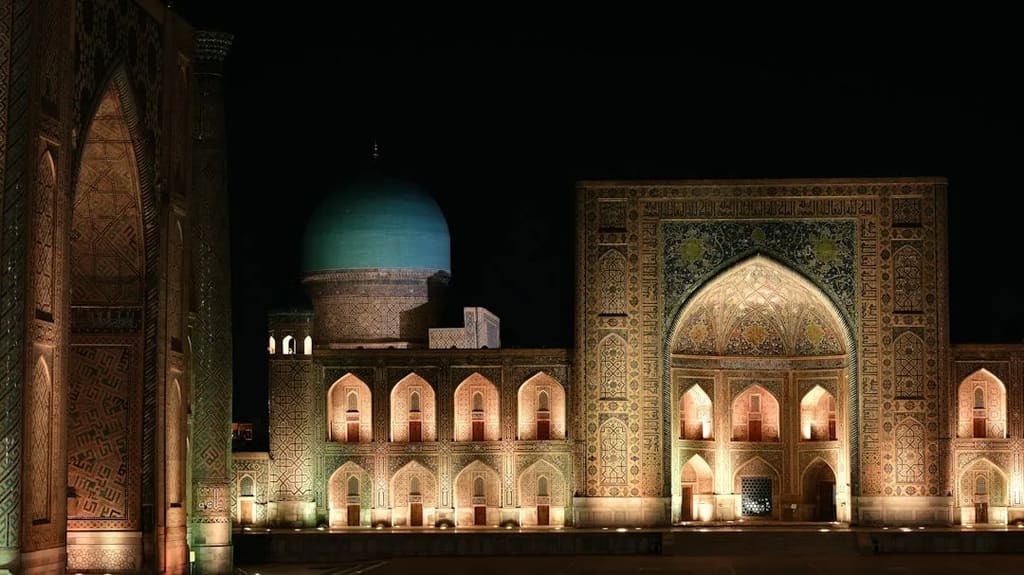
The blue tiled domes of Samarkand, the old center of Bukhara, and the walled city of Khiva make Uzbekistan feel like a time capsule. It has also become popular fast. The National Statistics Committee reported 11.7 million foreign tourist visits in 2025, up 46.8 per cent[9], which is nearly half again as many as the year before.
The momentum has carried into 2026. Official figures show 10,306,786 foreign tourist arrivals between January and September 2026, up 20.4% on the same months of 2025[10]. Entry has been made easier too, with reports of visa free entry for over 90 countries[11], and a high speed train now links the major Silk Road stops.
Namibia: Dunes, Ghost Trees and Wide Empty Roads
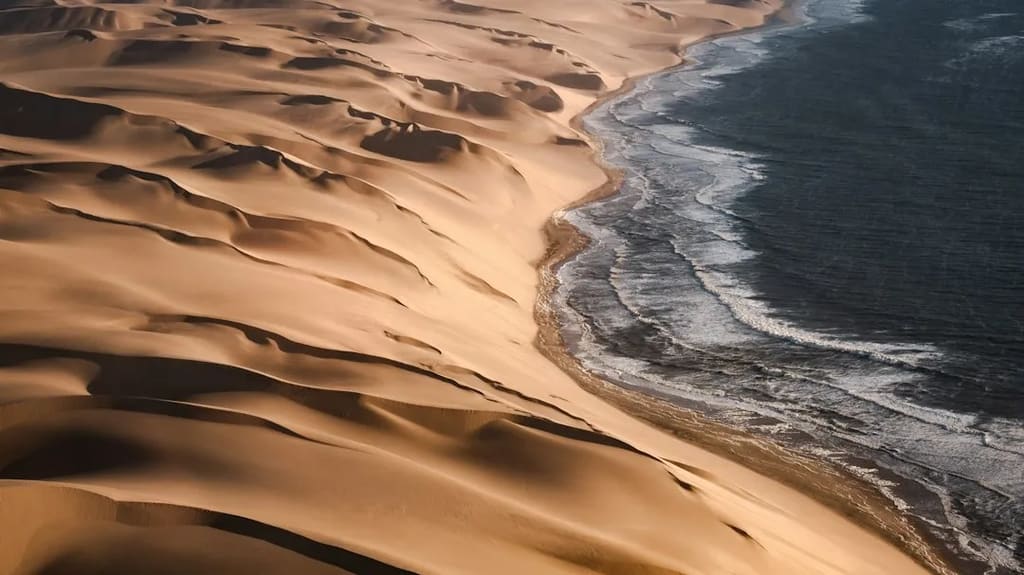
Namibia is one of the most sparsely populated countries on Earth, with a density of around three people per square kilometre, concentrated mostly in coastal and desert clusters[7]. That emptiness shapes the experience. You can drive for hours across gravel plains and see little more than distant mountains and the occasional oryx.
The Namib Desert is the star, especially the towering red dunes at Sossusvlei and the bleached, long dead trees of nearby Deadvlei. Along the north coast, the Skeleton Coast is known for fog, shipwrecks and cold Atlantic surf meeting desert sand. In the Kunene region, desert adapted elephants have learned to survive on very little water, a sight that rarely fails to surprise visitors.
Palau: A Pacific Lagoon Dotted With Limestone Mushrooms
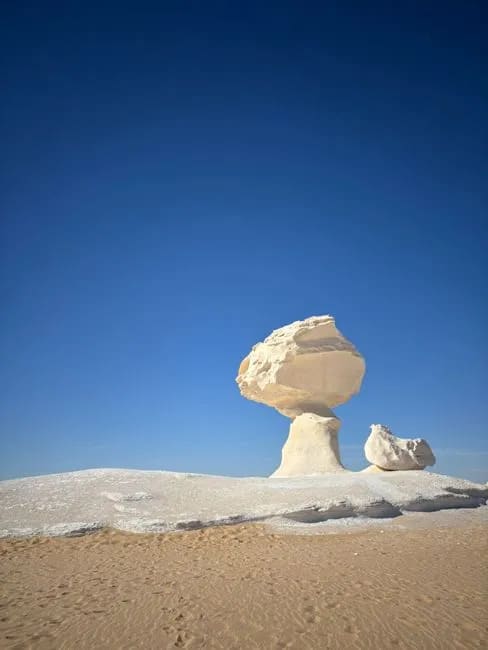
Palau’s Rock Islands Southern Lagoon is a maze of green limestone islets rising from turquoise water. It was inscribed as a UNESCO World Heritage site in 2012, recognized for both its natural beauty and its marine life. Many islets are undercut at the waterline, giving them a mushroom shape that looks almost sculpted.
The country takes its visitors’ impact seriously. Since 2017, arriving travelers have been asked to sign the Palau Pledge, a promise to act responsibly that is stamped into their passport. Divers come for reefs, sharks, and wartime wrecks, while kayakers wander through quiet channels between the islets.
Papua New Guinea: A Country With Hundreds of Languages
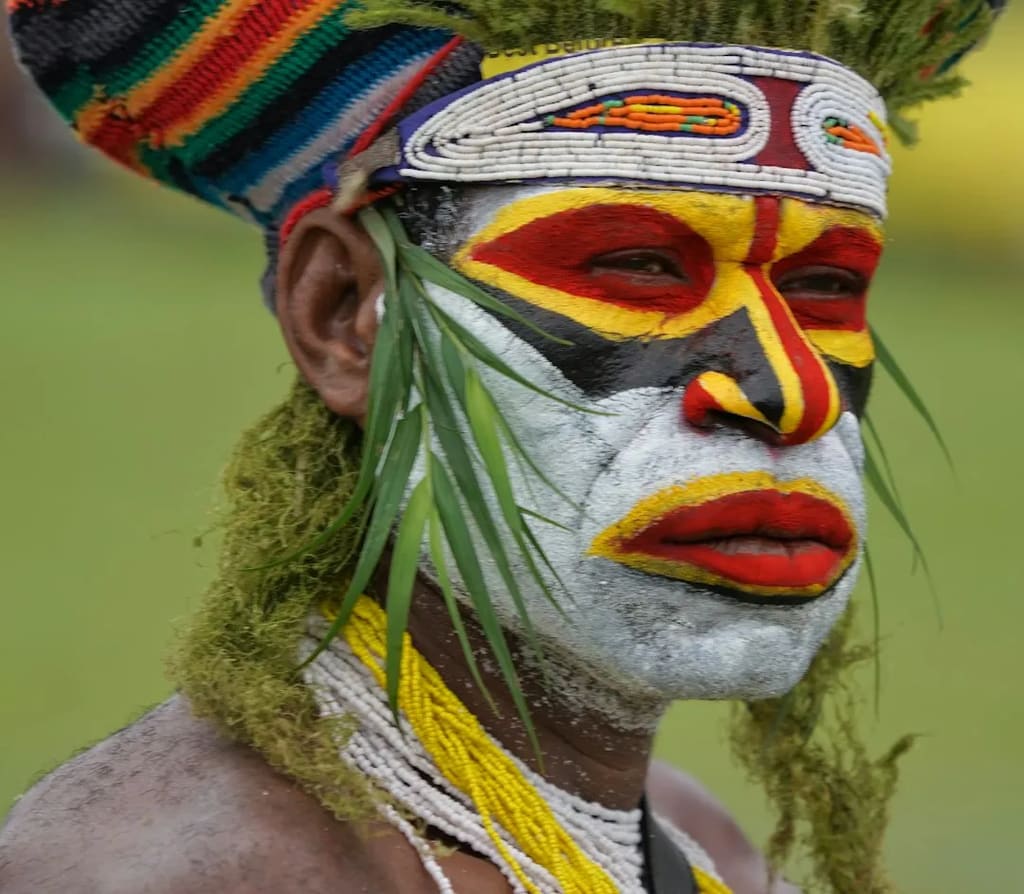
Papua New Guinea is often described as one of the most culturally diverse places on Earth, with more than 800 languages spoken across mountains, rivers, and islands. Many communities remain tied to their land and local customs. Travel is rarely simple, but that is part of why the country still feels so removed from the usual tourist circuit.
The highlands host gatherings known as sing sings, where groups appear in elaborate feathers, paint, and headdresses. Birds of paradise live in the rainforests, and trekkers walk the historic Kokoda Track through steep, humid jungle. Since conditions vary by region, it makes sense to check current government travel advice and plan with a reputable local operator.
Oman: Desert, Frankincense and Unhurried Hospitality
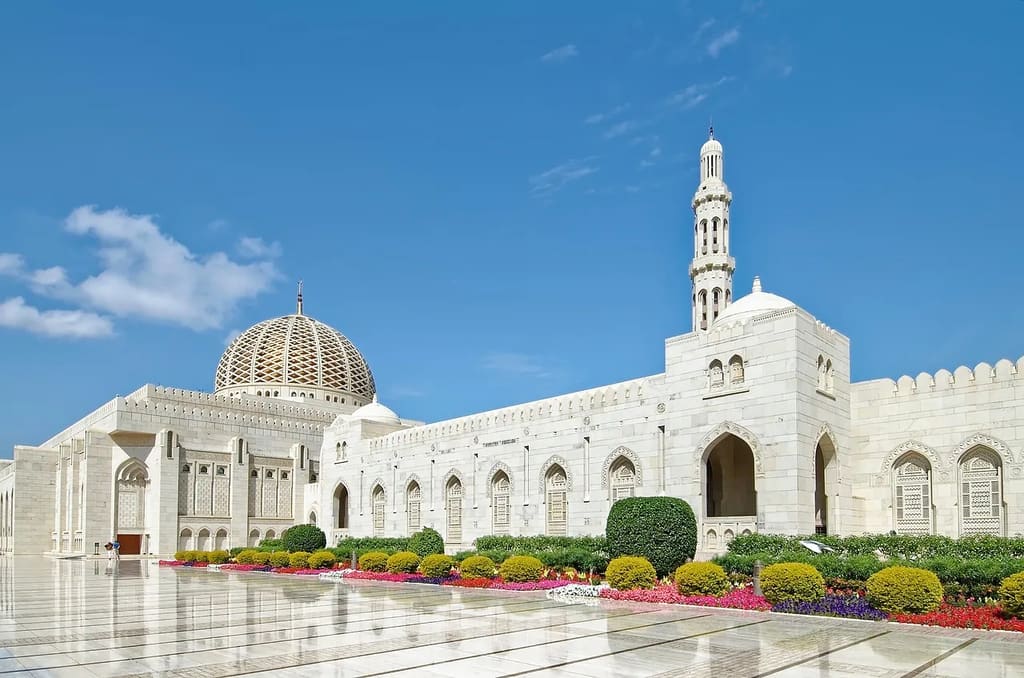
Oman offers the Arabian Peninsula at a gentler pace. Forts and watchtowers stand across the interior, the Wahiba Sands roll out in orange waves, and mountain villages cling to terraced slopes in Jebel Akhdar. The Land of Frankincense in the south is a UNESCO World Heritage listing, tied to a trade that once made the region wealthy.
Salalah adds a surprise. During the khareef monsoon, from roughly June to September, the southern hills turn green and misty while the rest of Arabia bakes. Visitors from across the Gulf come to enjoy the cooler air, which feels almost impossible given the desert nearby.
Iceland: A Living Landscape Still Under Construction
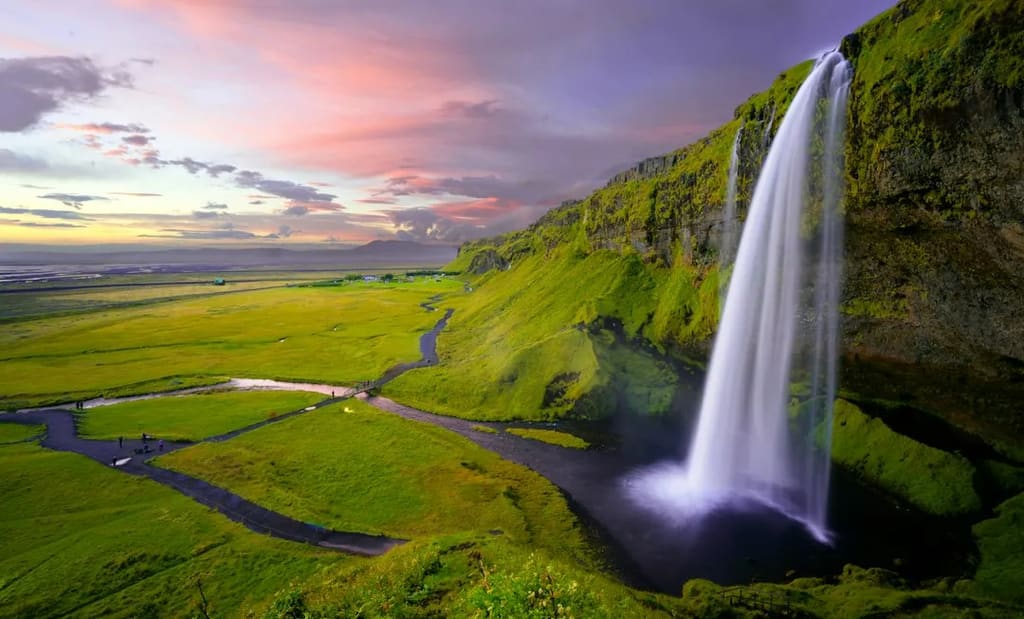
Iceland sits on the boundary between tectonic plates, and the ground there still behaves like it. The Reykjanes Peninsula has seen repeated eruptions since 2021, a reminder that the island’s landscape is actively changing. Glaciers cover roughly a tenth of the country, so ice and fire sit close together.
Everyday life leans on that geology. Most homes are heated with geothermal energy, and public pools filled with naturally heated water are a social staple. Summer brings near endless daylight, while winter gives the best odds for seeing the northern lights.
Jordan: Rose Colored Stone and a Valley That Looks Like Mars
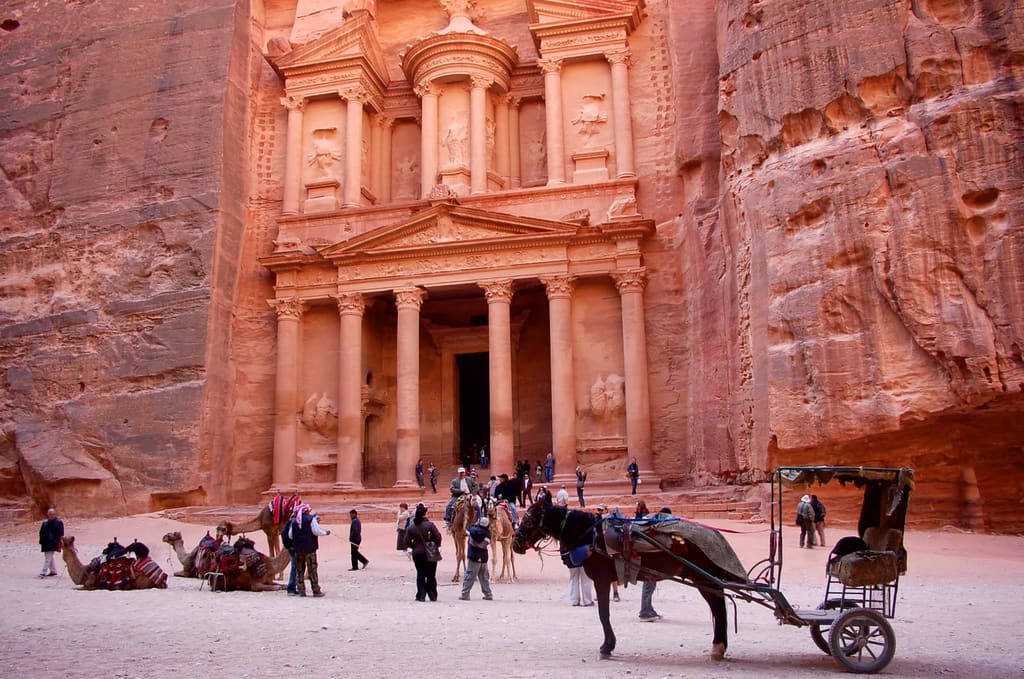
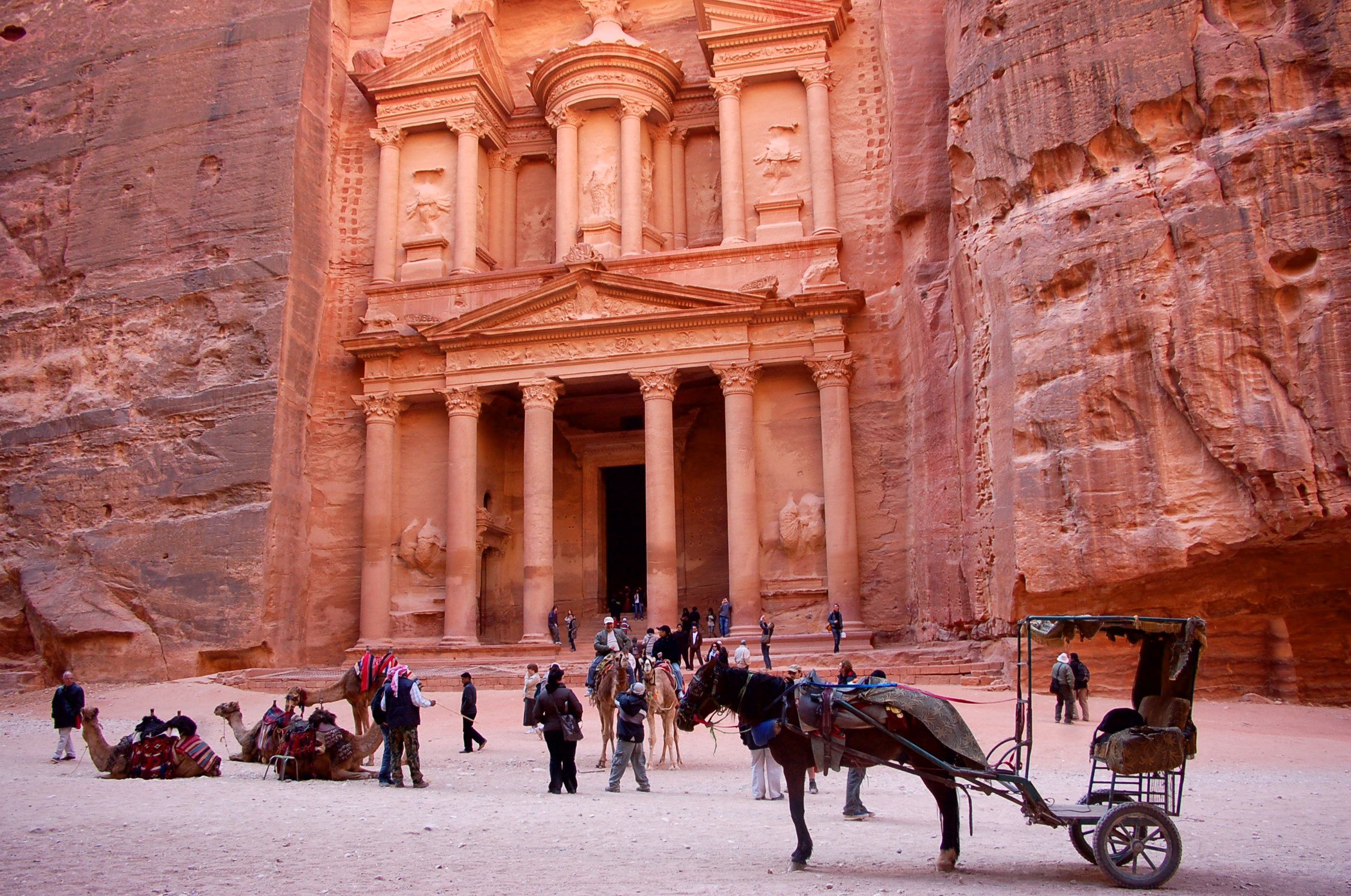
Petra, the Nabataean capital carved into sandstone cliffs, was added to the UNESCO World Heritage list in 1985. Walking in through the narrow Siq canyon builds a sense of anticipation before the Treasury facade appears. It remains one of the most striking arrival sequences of any historic site.
Farther south, Wadi Rum offers sandstone mountains and red sand that filmmakers have used as a stand in for Mars. Then there’s the Dead Sea, whose shoreline lies more than 400 meters below sea level, the lowest dry land on Earth. The water is so salty that floating takes no effort at all.
Vanuatu: Walk Up to an Active Volcano
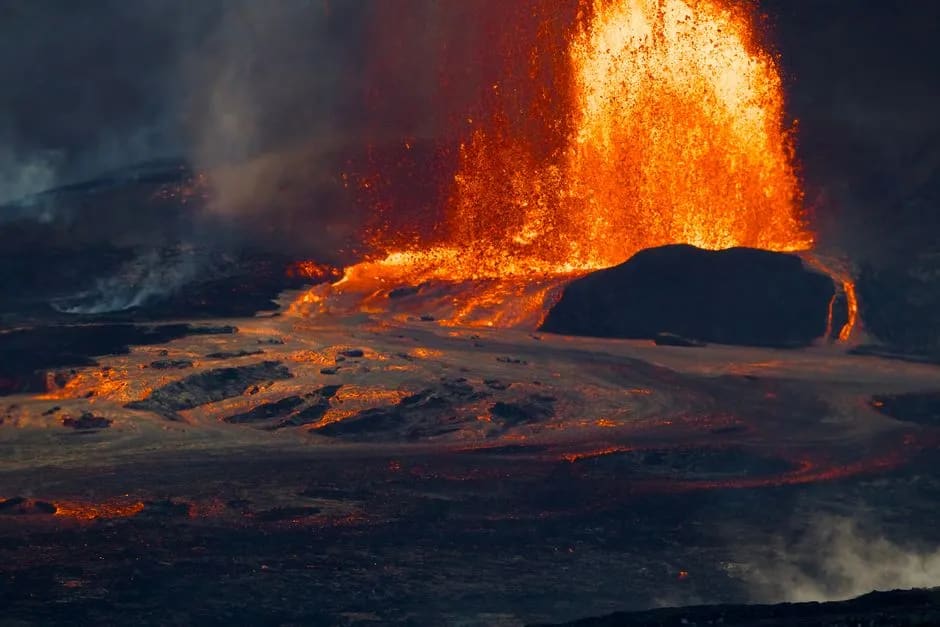
Vanuatu is a Pacific archipelago where tradition is still part of daily life. On Tanna island, Mount Yasur is one of the most accessible active volcanoes in the world, and visitors can stand on its rim at dusk to watch regular explosions light up the sky. Its activity has been recorded for centuries, which gives the place an ancient, restless feel.
Cultural practices add to the sense of distance from everyday life. On Pentecost Island, men leap from tall wooden towers with vines tied to their ankles in the land diving ritual, held in the spring months from April to June. Vanuatu’s sand drawing tradition, a way of recording stories and knowledge in patterns, is also recognized on UNESCO’s intangible heritage list.
Related Stories From Travelbinger

Seychelles: Giant Seeds, Giant Tortoises, Granite Boulders
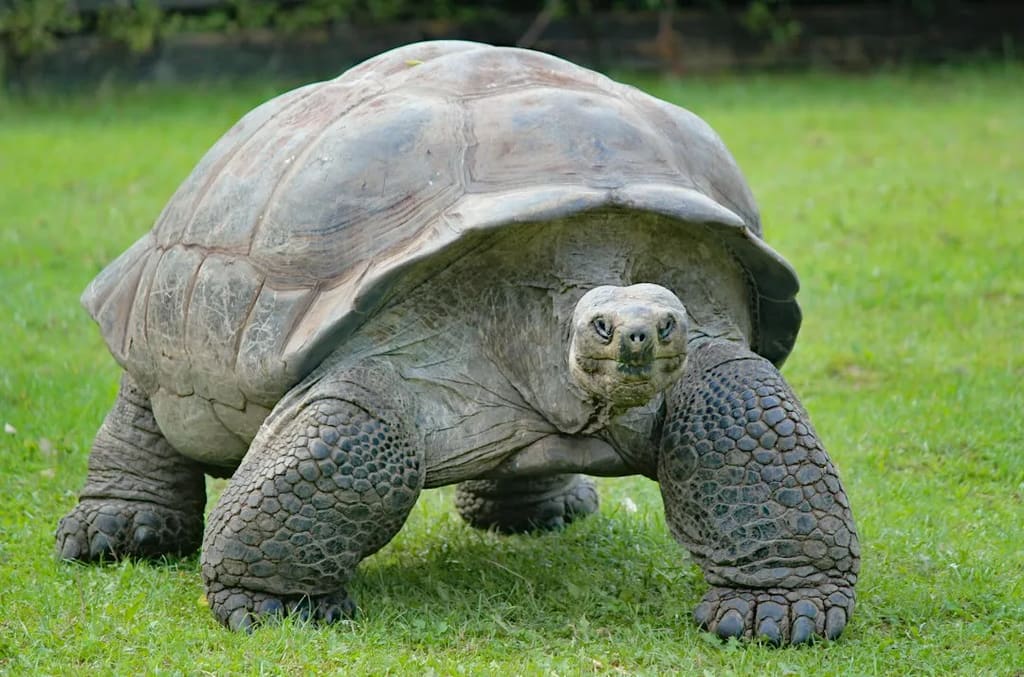
Seychelles is often pictured as a simple beach escape, though its natural history is odder than the postcards suggest. The Vallée de Mai on Praslin is a palm forest where the coco de mer grows, producing the heaviest seed in the plant kingdom. Smooth granite boulders on islands such as La Digue give the beaches an almost sculpted look.
Aldabra Atoll, a UNESCO World Heritage site, is home to more than 100,000 giant tortoises, one of the largest populations anywhere. Access to Aldabra is tightly controlled because it is a research and conservation area. Even so, tortoises and rare birds can be seen on other islands in the archipelago.
Georgia: Stone Towers, Ancient Wine and a Unique Alphabet
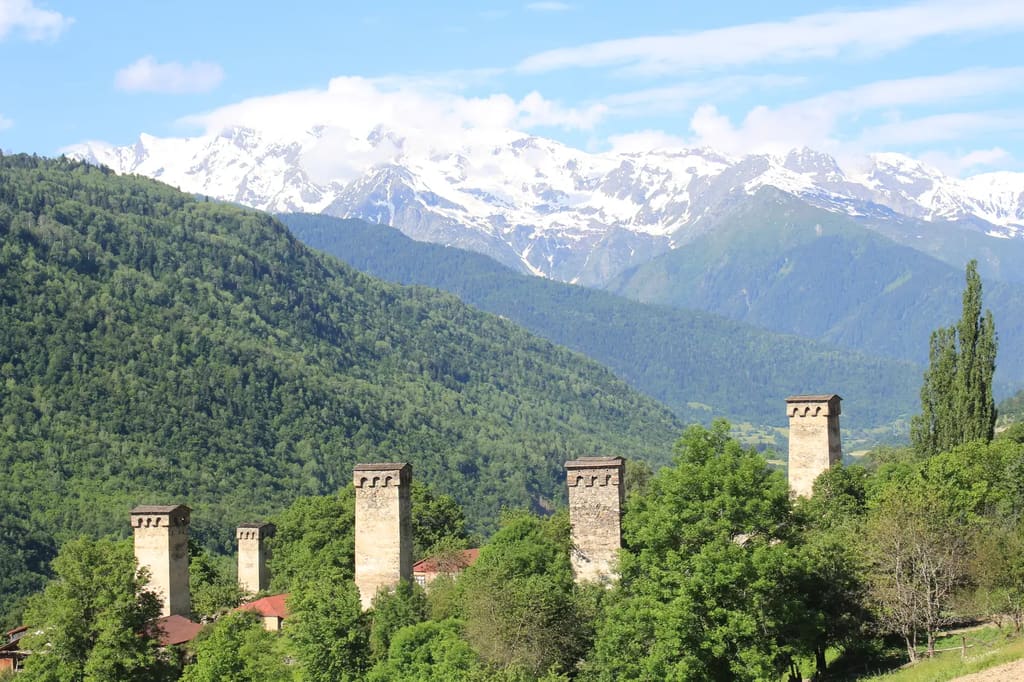
In the high Caucasus region of Svaneti, medieval stone towers rise above villages like Ushguli, which belongs to a UNESCO listed area. Families once built the towers for defense, and many still stand against a backdrop of glaciers. The setting feels lifted from another century.
Georgia is also widely regarded as one of the oldest winemaking regions in the world, with traditions going back roughly eight thousand years. The traditional method of fermenting wine in buried clay vessels called qvevri is recognized by UNESCO. The country’s script, with its curling letters, is unlike any other writing system you’re likely to see.
Ethiopia: Thirteen Months, Rock Churches and a Colorful Wasteland
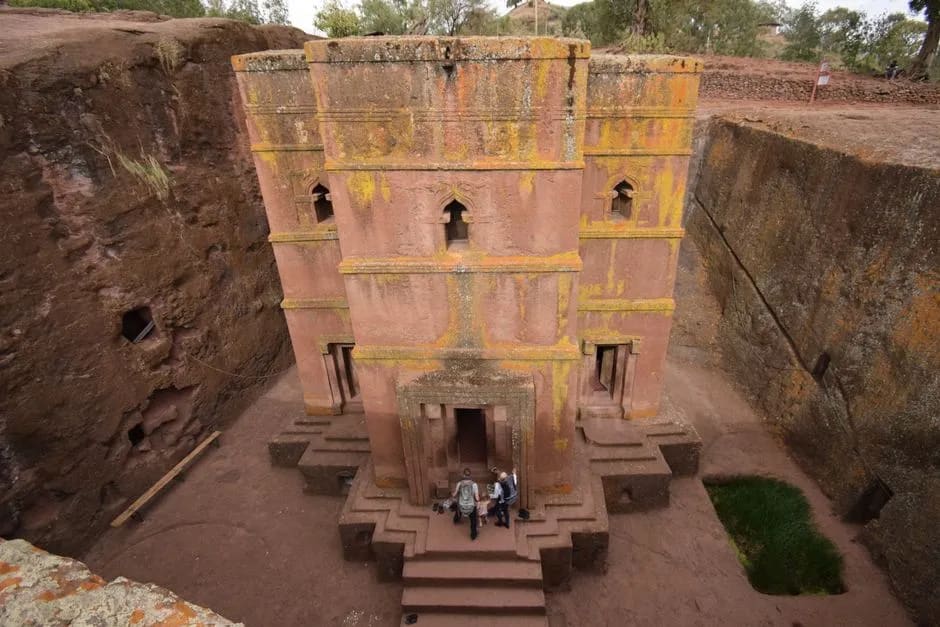
Ethiopia keeps its own calendar, with thirteen months and a year count that runs seven or eight years behind the Gregorian one. That small difference sets the tone for a country that follows its own path. Its ancient Christian heritage is visible in Lalibela, where churches were carved down into solid rock around the twelfth and thirteenth centuries.
In the northeast, the Danakil Depression is among the hottest and most inhospitable regions on the planet. At Dallol, sulfur springs and salt formations create neon yellows, greens and oranges that look almost unreal. Visits are usually arranged with guides and security support, and travelers should check current regional advice before going.
Bolivia: A Salt Flat That Turns the Sky Into a Floor
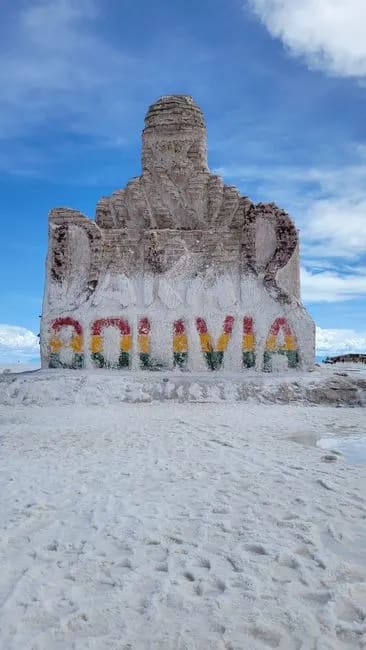
Bolivia’s Salar de Uyuni is the largest salt flat on Earth, covering about 10,582 square kilometres on the high Andean plateau[12]. It is so flat that the elevation varies by less than a metre across the whole surface[13], which is why satellite operators use it to calibrate their altimeters. After rain, a thin sheet of water turns the plain into a mirror, and the horizon seems to disappear.
Beneath the crust lies lithium rich brine, and estimates put 50 to 70 percent of the world’s known lithium reserves in this basin[14]. Published figures vary between surveys, so they are best read as estimates rather than fixed numbers. Most visitors join tours of one to four days that pass flamingo lagoons and volcanic landscapes, and the thin air at this height means it pays to move slowly and allow time to acclimatize.
- Area: about 10,582 km²
- Elevation: roughly 3,656 m above sea level
- Salt crust: from a few tens of centimetres to more than 10 m thick, depending on the source
- Lithium share: estimated at 50 to 70% of known world reserves