Getting a second passport isn’t the same everywhere. Some countries practically roll out the red carpet while others build walls so high you’d need multiple lifetimes to scale them.
The gap between these extremes has widened dramatically in recent years, creating what some experts call a “citizenship market” where money, ancestry, or decades of patience determine your options.
Vanuatu: The Pacific Speed Champion Processing in About Two Months
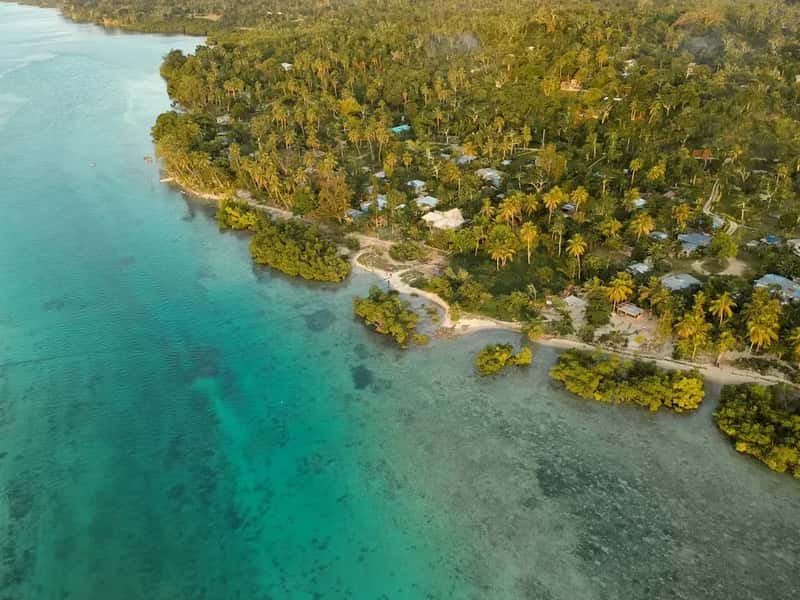
Nauru offers an exclusive citizenship-by-investment program launched in late 2024, providing full citizenship in just three to four months, with the main route being a non-refundable contribution starting at one hundred five thousand dollars to national development.
However, Vanuatu has held its position as the fastest established program. Vanuatu citizenship is granted through a development support program, and the process is fast – citizenship can be obtained in less than two months – requiring a minimum investment in government funds.
This Pacific nation offers visa-free access to over one hundred countries and does not impose a capital gains tax or tax on foreign income. Approval takes approximately two months, with no residency or interview required. From November 2025, applicants are required to submit biometrics in person in one of the approved offices in Vanuatu, Hong Kong, Dubai or New Caledonia.
Dominica: Caribbean Affordability With Extensive Visa Access to Over 140 Countries
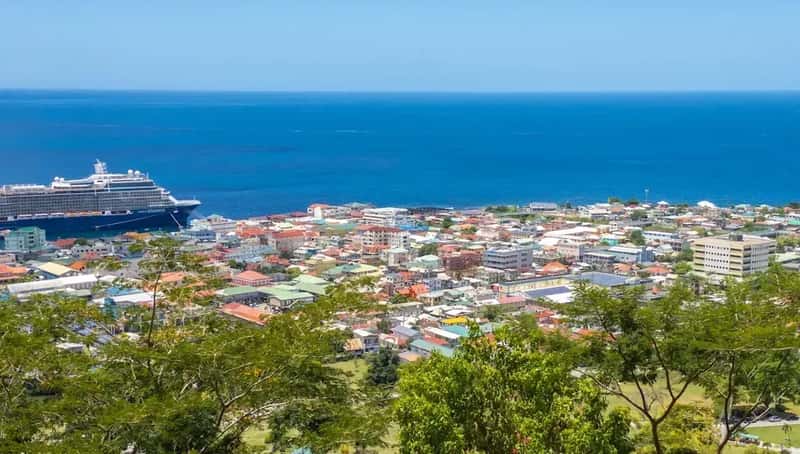
Dominica is widely regarded as one of the most accessible countries in the world for acquiring citizenship through investment. Dominica launched its program in 1993, offering the most affordable option at two hundred thousand dollars for families of up to four members. Dominican citizenship grants visa-free travel to over one hundred forty countries, including Schengen Area countries, and the program requires no residency and allows dual citizenship.
Dominica ranked second with an overall score of eighty percent, distinguished by the fastest global processing times of three to four months, processing over twenty thousand applications from 2015 through 2024, with about eight hundred rejections, issuing nearly fifty thousand passports. Despite offering access to over one hundred forty countries, Dominica revoked two hundred sixty citizenships in 2023 for providing false information, demonstrating increased enforcement.
Argentina: Just Two Years to Naturalization Without Language Tests

Argentina offers citizenship after just two years of legal residency, with no language or cultural tests, and full dual citizenship is allowed, making it the fastest naturalization pathway in the world. Five countries, three located in Latin America, offer residency programs that lead to citizenship after just two years of residency, and by spending twenty-four months in Peru, Argentina, or the Dominican Republic, you can qualify.
Honestly, this is surprisingly accessible compared to European standards. The above countries offer income-based independent means visas, which means you only need to prove your solvency in the form of recurring or retirement income to obtain permanent residency status, and after two years of continuous residency in the country, you qualify for citizenship. Argentina’s naturalization process is far more predictable than the other two Latin countries on the list.
Vatican City: The Impossible Path Reserved for Clergy and Church Servants

Vatican City is, without question, the hardest country to get citizenship in 2026, as there is no pathway open to the general public. There are only two ways to become a citizen of Vatican City – being born there or being appointed by the Pope. It is granted primarily to cardinals residing in the Vatican or Rome, diplomats representing the Holy See, and individuals whose work directly serves the Catholic Church, and citizenship is often temporary and typically ends when the individual no longer holds their qualifying role.
The Pope appoints citizens for specific roles within the Vatican, such as diplomats or members of the Swiss Guard, so unless you have some great skills or connections, it’s unlikely you’ll ever become a citizen of Vatican City. There is no public naturalization process.
Liechtenstein: Thirty Years Plus Community Approval by Vote
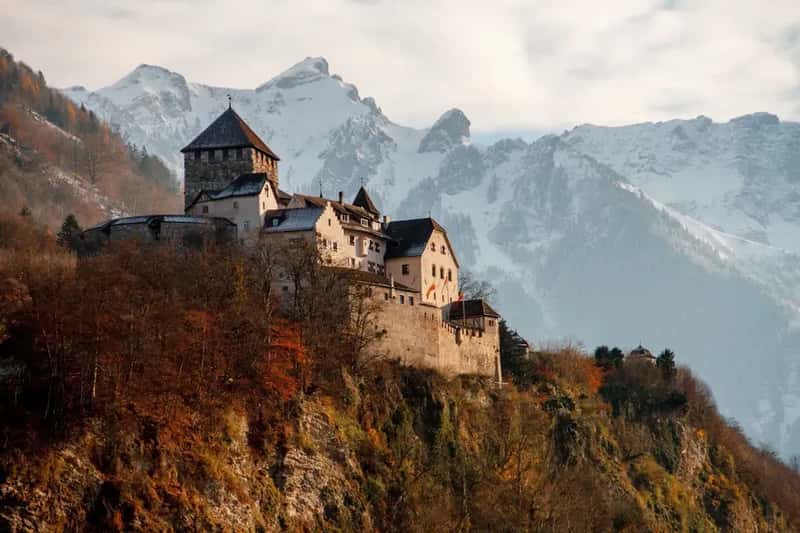
Liechtenstein is one of the smallest and wealthiest countries in Europe, located between Austria and Switzerland with a population of just over thirty-seven thousand, and the country’s citizenship requirements are some of the most stringent in the world. Liechtenstein requires one of the longest residency periods – thirty years – before an applicant is eligible for citizenship, though marriage to a Liechtenstein citizen may shorten the process to about five years.
Approval also depends on acceptance by the local community, which may vote on each application, and German language proficiency is essential with dual citizenship not permitted. It’s possible to reduce this timeline to ten years if you can persuade members of your community to vote in favor of your naturalization, or you could just marry a Liechtenstein citizen and gain citizenship after five years.
Switzerland: A Three-Tier Approval System Across Federal, Cantonal and Municipal Levels
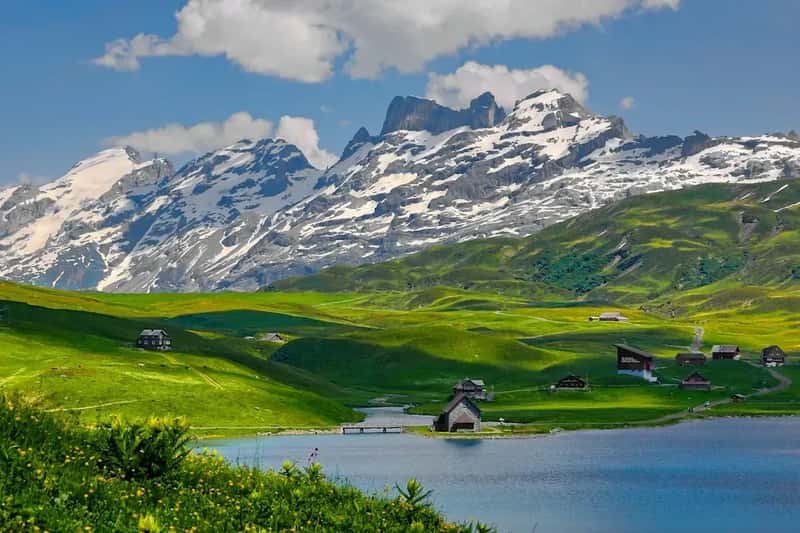
Switzerland operates perhaps the world’s most complex naturalization system, requiring approval at federal, cantonal, and municipal levels, and this three-tier approach means requirements vary significantly across twenty-six cantons and approximately two thousand one hundred municipalities. Federal requirements mandate ten years residence, including three of the last five years before application, and language requirements of B1 oral and A2 written in a national language apply universally.
The 2018 reform cut the required residency period for citizenship from twelve to ten years and also stipulated that only permanent residents holding a C permit could apply, which excludes around a fifth of applicants under the old law who held short-term or provisional permits and favors migrants from a select group of European states. Around forty-one thousand three hundred people received Swiss citizenship in 2024, though this represents a small percentage of those who are eligible for naturalization.
Kuwait: Reversing Citizenship With Over 42,000 Revocations Between 2024 and 2025

Kuwait demonstrates how citizenship policies can become more restrictive over time, as the December 2024 amendments through Decree 116/2024 eliminated the marriage pathway for foreign women and ended automatic eligibility for wives of naturalized citizens. Most dramatically, Kuwait has revoked over forty-two thousand citizenships between 2024 and 2025 in a massive denaturalization campaign, reversing earlier political naturalizations from the 1980s.
Despite its large expat population, citizenship is extremely difficult to obtain, and applicants must live in the country for ten years, be fluent in Arabic, demonstrate financial independence, and maintain a clean record. Kuwait requires twenty consecutive years of residency for citizenship eligibility, reduced to fifteen for Arabs. It’s hard to say for sure, but this represents one of the most dramatic citizenship reversals in modern history.
Bhutan: Twenty Years Plus Royal Discretion and Cultural Exams

Bhutan is one of the hardest countries to get citizenship, as the small landlocked country in the Himalayas has a population of just over seven hundred thousand and a very low rate of naturalization, with only about one thousand foreigners granted Bhutanese citizenship since 1949. As per the Bhutanese Citizenship Act 1985, applicants must have lived in the country for at least fifteen years, be proficient in the Dzongkha language, have a clean criminal record, and must also pass a rigorous exam that tests their knowledge of Bhutanese history, culture, and religion.
The Himalayan kingdom requires twenty years’ residency before citizenship application eligibility, and beyond residency, applicants need approval solely at the discretion of Bhutan’s monarchy, which can reject applications without providing reasons. Even then, citizenship is not guaranteed – it’s up to the discretion of the government whether or not to grant an applicant citizenship.
The divide between accessible and restrictive citizenship regimes reflects competing national priorities. Countries offering investment programs view citizenship as an economic tool generating revenue through controlled immigration. Across the ECCU Caribbean programs, citizenship by investment averaged about six and a half percent of GDP from 2019 through 2023, with Dominica stabilizing at nearly sixteen percent of GDP and Antigua generating fifteen percent of annual government revenue. Meanwhile, nations like Qatar, Switzerland, and Bhutan guard citizenship as a sacred national identity, demanding decades of cultural integration before acceptance.
What’s your path? For those with financial resources, a passport can arrive in months. For everyone else, patience becomes the primary currency.