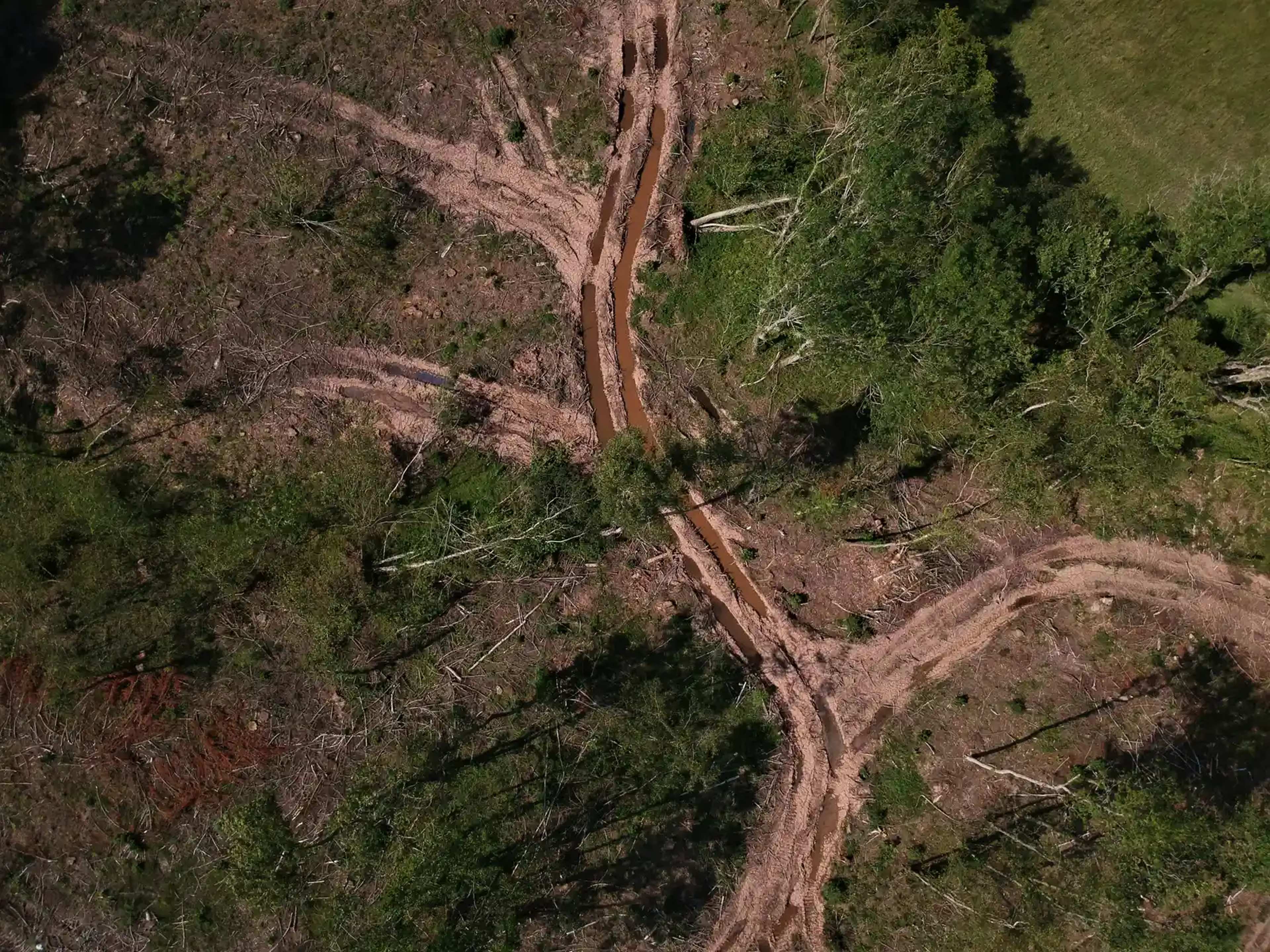
What’s at stake for the environment in Colombia’s upcoming election? – Image for illustrative purposes only (Image credits: Unsplash)
Colombia heads into a presidential runoff on June 21 after a first-round vote that left right-wing candidate Abelardo de la Espriella in front with 43.7 percent and left-wing candidate Iván Cepeda close behind at 40.9 percent. The outcome will shape how the country manages its portion of the Amazon rainforest, a destination that draws growing numbers of international visitors seeking guided nature experiences and community-led tours. Current climate targets and protections for traditional lands remain central to the contest.
Climate Targets Face New Scrutiny
Colombia has pledged to cut greenhouse gas emissions 51 percent by 2030 and reach net-zero emissions by 2050. Analysts at the Organization for Economic Co-operation and Development note that earlier efforts produced some gains yet still require sharper cuts, especially from deforestation and farming. Fossil fuel subsidy reforms also sit on the agenda. The next administration will decide whether those commitments accelerate or stall, directly influencing the pace of forest protection projects that support ecotourism operations.
Policy Direction and Visitor Access
Outgoing President Gustavo Petro centered his term on ending new oil and gas exploration contracts while elevating environmental justice in global forums. His “Total Peace” initiative sought to reduce armed conflict that has long complicated travel in remote areas. A shift in leadership could alter the balance between resource development and conservation, changing the regulatory environment for lodges, tour operators, and Indigenous-managed reserves that host travelers.
Indigenous Rights and Sustainable Tourism
Traditional communities hold legal standing over large tracts of the Colombian Amazon. Their ability to maintain territorial control affects which areas remain open for low-impact tourism and which face pressure from extractive activities. Election results will influence enforcement of those rights and the partnerships that allow visitors to experience the rainforest through local guides and revenue-sharing models.
Practical Outlook for Travelers
Operators in the region already monitor policy signals for signs of new permitting rules or funding for park infrastructure. A government that maintains or strengthens forest safeguards tends to support steady growth in certified ecotourism. One that prioritizes expanded extraction may introduce uncertainty around access routes and long-term site viability. Visitors planning trips in the coming years can track official updates on protected-area management and community tourism permits to gauge conditions on the ground.