Americans who have been thinking about a trip to Cuba just got a harder set of rules. On September 30, 2026, the Treasury Department’s Office of Foreign Assets Control (OFAC) amended the Cuban Assets Control Regulations. It removed the authorization for professional meetings and cut back on educational trips as part of the administration’s maximum pressure policy.[1]
Cuba was never an easy destination for U.S. travelers, and tourism has always been off limits. What’s different now is how many of the usual workarounds have been closed, and how much else is going wrong on the island itself. Here’s what changed, who it affects, and what to check before you book anything.
What Actually Changed on September 30
OFAC’s amendment did three main things. It adds a prohibition on indirect financial transactions with entities on the Cuba Restricted List, and it removes the authorization for “U-Turn” transactions.[2] It also removed an authorization for bank accounts held for Cuban independent private entrepreneurs, and it narrowed certain travel-related authorizations.[3]
These changes sit on top of an earlier move. A separate sanctions program under Executive Order 14404 took effect on May 1, 2026, and runs alongside the older regulations.[3] The September rule itself implements National Security Presidential Memorandum 5, which the President reissued on June 30, 2025.[2] In short, this isn’t a one-off tweak. It’s another step in a tightening that has been building for more than a year.
Professional Meetings and Conferences Are Out

The clearest casualty is the general license for business-style gatherings abroad. OFAC said that persons subject to U.S. jurisdiction are no longer authorized to attend or organize professional meetings or conferences in Cuba.[4] That affects academics, trade groups and industry professionals who relied on the license for years.
Some industries felt it right away. A cigar trade publication noted that the change directly affects U.S. cigar professionals traveling to the island.[4] Researchers aren’t necessarily shut out, though. Professional research remains listed with professional meetings under one regulatory section[2], so anyone in that field should read the amended text closely or ask a sanctions lawyer.
The End of Easy Educational Travel
For years, “people-to-people” educational trips were the most common legal route for ordinary Americans. Their status has been up and down. The first Trump administration banned them in 2019, along with cruise stops and organized tour groups.[5] The September 2026 rule brings that restrictive posture back.
One travel-industry summary says the administration eliminated the general licenses for people-to-people educational travel and for professional meetings.[6] Educational travel that remains authorized must be sponsored and chaperoned by a U.S.-jurisdiction organization, and purely tourist-oriented activities are prohibited.[6] If a tour operator promises a “cultural exchange” with lots of beach time, be skeptical.
Indirect Dealings With Restricted Entities Are Now Banned
Previously, travelers had to avoid direct financial transactions with entities on the State Department’s Cuba Restricted List. The old rule barred only direct transactions with those entities.[2] Since September 30, most travel general licenses also exclude indirect financial transactions with listed entities.[2]
This matters because the list covers a lot of the tourism economy. It names entities controlled by, or acting for, the Cuban military, intelligence or security services.[7] One analysis puts the list at 247 entities, covering sectors like tourism and real estate.[8] A middleman, tour package or booking platform could now put you in violation even if you never paid a listed company directly.
Where You Sleep Still Matters
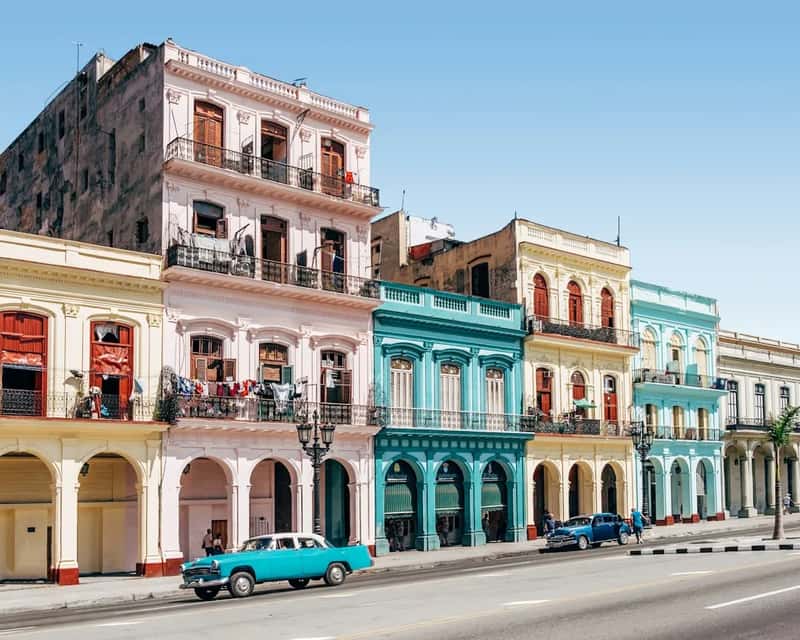
Separate from the Restricted List is the Cuba Prohibited Accommodations List. Travelers may not stay at, pay for, or reserve properties on it.[6] Under the regulations, this has long covered certain hotels and resorts, and one guide says the list now spans hundreds of properties across every Cuban province.[9]
Booking sites don’t always make this obvious. One guide warns that mainstream platforms don’t flag sanctioned status, so a listed hotel can appear on Booking.com or Airbnb with no warning.[9] That’s a commentary piece rather than an official source, so verify any property against the State Department’s current list yourself. Misclassifying a trip or staying at a listed property can expose travelers to civil penalties.[10]
Banking Limits Reach Cuba’s Private Sector
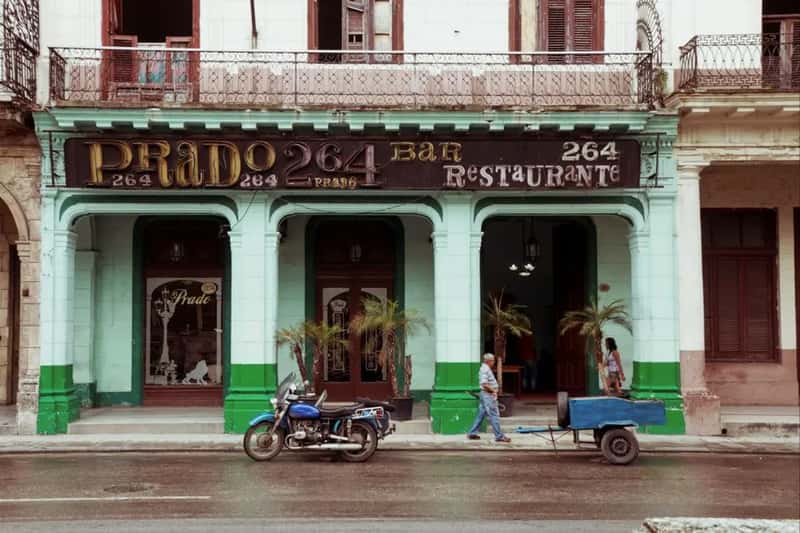
The new rules aren’t only about visitors. Bloomberg reported the U.S. is barring banks from working with the island’s nascent private sector.[11] That’s notable, because small private businesses such as family-run restaurants and guesthouses are the part of the economy many visitors hope to support.
Cuban leaders have objected. President Miguel Díaz-Canel argued that the restrictions on private businesses undermine U.S. claims that its policies target the government rather than the Cuban people.[4] Whatever you make of that argument, the practical result is that the line between “good” and “bad” places to spend money has become harder to see.
Wind-Down Rules and Existing Bookings
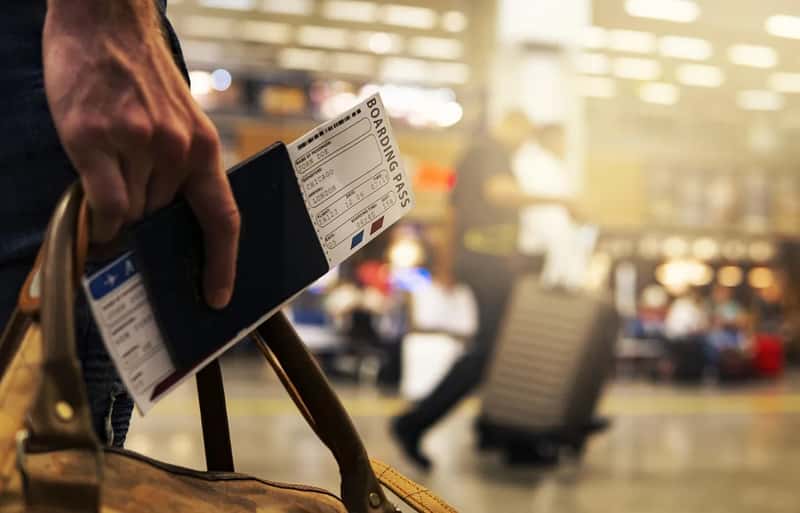
Not everyone loses their trip. Travelers who completed at least one travel-related transaction, such as buying a flight or reserving accommodations, before the rule’s publication may continue with their plans.[6] Keep your receipts and confirmations, because OFAC also requires recordkeeping for general-license travel.
Professional meeting travelers get a short transition. Those already in Cuba under that authorization had until October 30 to finish their transactions and leave, and cancellations and refunds for booked trips are allowed up to the same date.[1] With today being October 8, that window is closing fast.
Getting There Is Its Own Problem
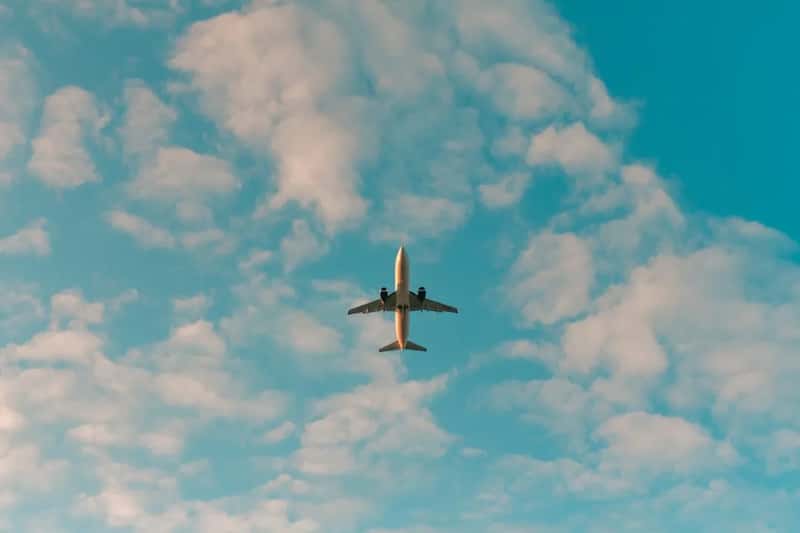
Even a fully legal trip faces practical obstacles. A January 29 executive order has crippled Cuba’s energy infrastructure by prompting major partners such as Venezuela and Mexico to halt oil shipments to the island.[12] Jet A-1 fuel was reported unavailable at Cuba’s 10 international airports through October 1, forcing airlines to cancel or rethink routes.[13] The shortage doesn’t close the airports, but it forces airlines to carry extra fuel, make refueling stops in third countries, or cancel.[13]
Carriers have responded unevenly. Reports say American Airlines and Delta keep flying by carrying enough fuel for a round trip, while many European and Canadian airlines have suspended or reduced service.[14] Iberia suspended Madrid-Havana flights from June 1 through October 24, 2026, with a possible return in November.[15] Blackouts add to the uncertainty. Advisory levels also differ across travel sites, so check the State Department’s own current Cuba advisory before you commit.
What Remains Legal, and Our Conclusion
Cuba isn’t closed to Americans, but the legal space has narrowed. Nothing in the travel regulations authorizes tourist travel.[2] Travel-related transactions are authorized only for twelve listed activities[2], and that list didn’t change on September 30, although the general licenses behind several categories did.[2] Family visits, journalism, official government business and religious activities remain on the list. Religious travel, for example, must be for a program of religious activities.[16]
If you’re planning a trip, confirm your category, check every hotel and booking channel against the State Department lists, keep detailed records, and have a backup plan for flights. When in doubt, a sanctions attorney or a licensed Cuba travel specialist is cheaper than a penalty. The rules are moving fast, and the safest assumption is that what worked a year ago may not work today.