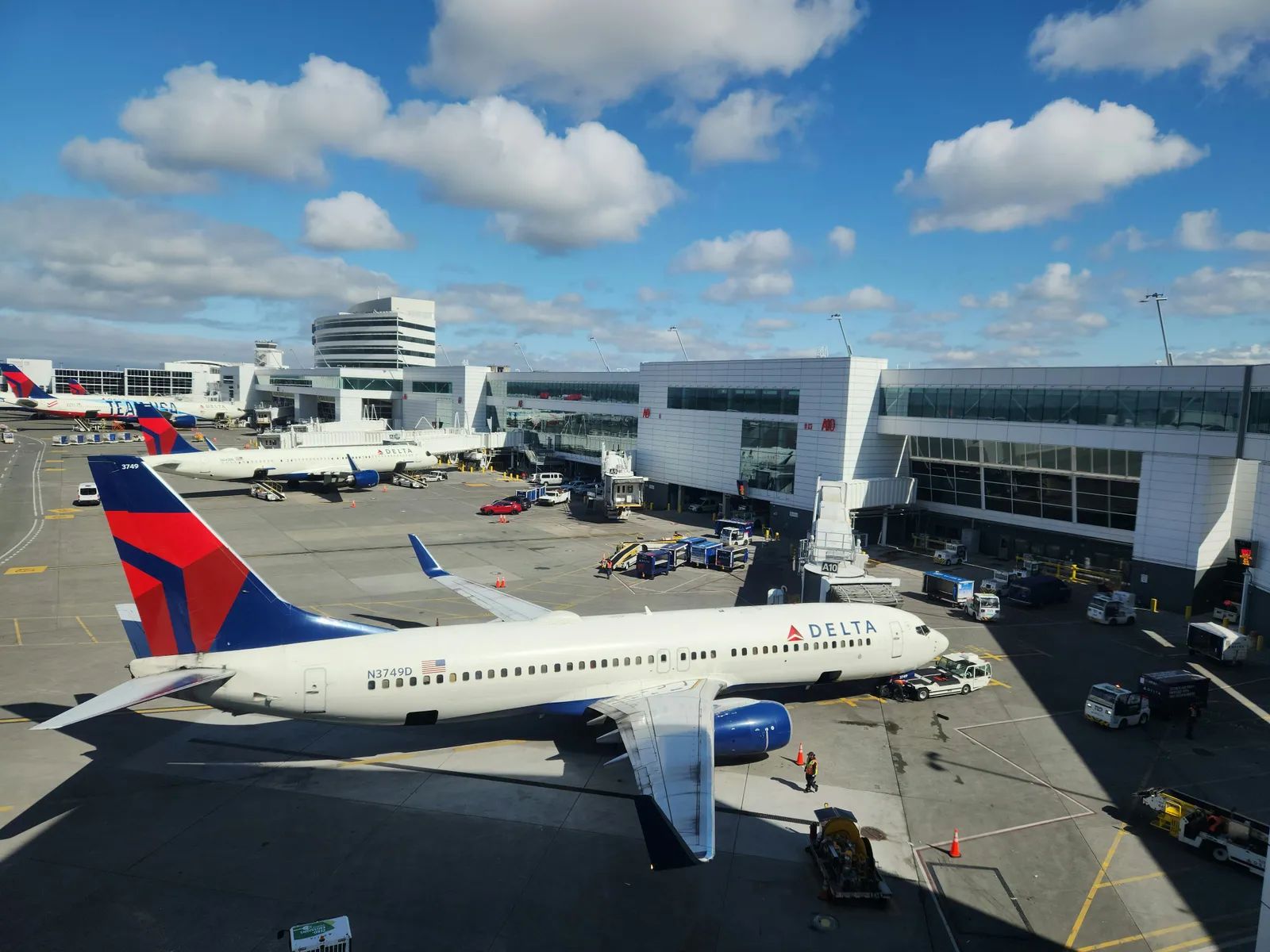
Seattle-Tacoma International Airport has long hosted two major carriers that once maintained a closer partnership. Delta Air Lines now shares the facility with Alaska Airlines, the larger operator there by flight volume. Chief Executive Ed Bastian addressed the dynamic directly during the airline’s recent earnings call, stating that the market can accommodate both carriers without conflict. ([1])
Alaska Builds Its International Reach
Alaska Airlines holds the larger share of flights at the airport this year, operating roughly twice as many departures as Delta according to industry data. The carrier has accelerated its long-haul ambitions after acquiring Hawaiian Airlines and ordering new widebody aircraft. Next summer it will launch service to Athens and Paris, adding to earlier routes to London and Rome.
Executives have set a clear target of serving at least 15 long-haul destinations from Seattle by the end of the decade. The airline also plans to introduce lie-flat seating on key transcontinental routes and is constructing a new premium lounge called the Aurora Lounge. Chief Commercial Officer Andrew Harrison told investors the goal is to become the leading international carrier at the airport by 2030.
Delta Maintains a Strong Global Network
Delta operates fewer flights from Seattle yet offers a broader selection of long-haul international destinations. Routes reach cities such as Shanghai, Taipei, Barcelona, and Amsterdam that Alaska does not currently serve. This network reflects Delta’s established presence across multiple continents.
The carrier opened a premium lounge at the airport last year that received industry recognition. In response to Alaska’s European announcements, Delta added its own flight to Rome. It has also offered targeted fare discounts aimed at Alaska-based members of its loyalty program.
Public Tone Differs From Past Rivalry
Bastian described Alaska’s expansion moves as smart and emphasized that Seattle represents a large enough market for both airlines to coexist. He noted that Delta does not need to dominate every city it serves. The measured language contrasts with the carrier’s more assertive positioning at Los Angeles International Airport, where it has highlighted its leading status.
Former partnership ties between the two carriers have given way to direct competition on routes, amenities, and passenger loyalty. Both airlines see growth potential in Pacific routes to Asia, with Delta citing its West Coast hubs as strong launch points and Alaska viewing the region as its primary international opportunity.
Travelers Stand to Gain From Added Options
The parallel investments in new routes and upgraded facilities are expanding choices for passengers flying through Seattle. Additional international service and improved lounges represent tangible benefits that arise when carriers vie for the same customer base. Industry observers note that sustained competition often leads to better schedules and service levels over time.
Whether the relationship remains cooperative or grows more intense, the outcome for travelers appears positive in the near term. Seattle residents and visitors now have two established airlines actively courting their business on both domestic and international itineraries.