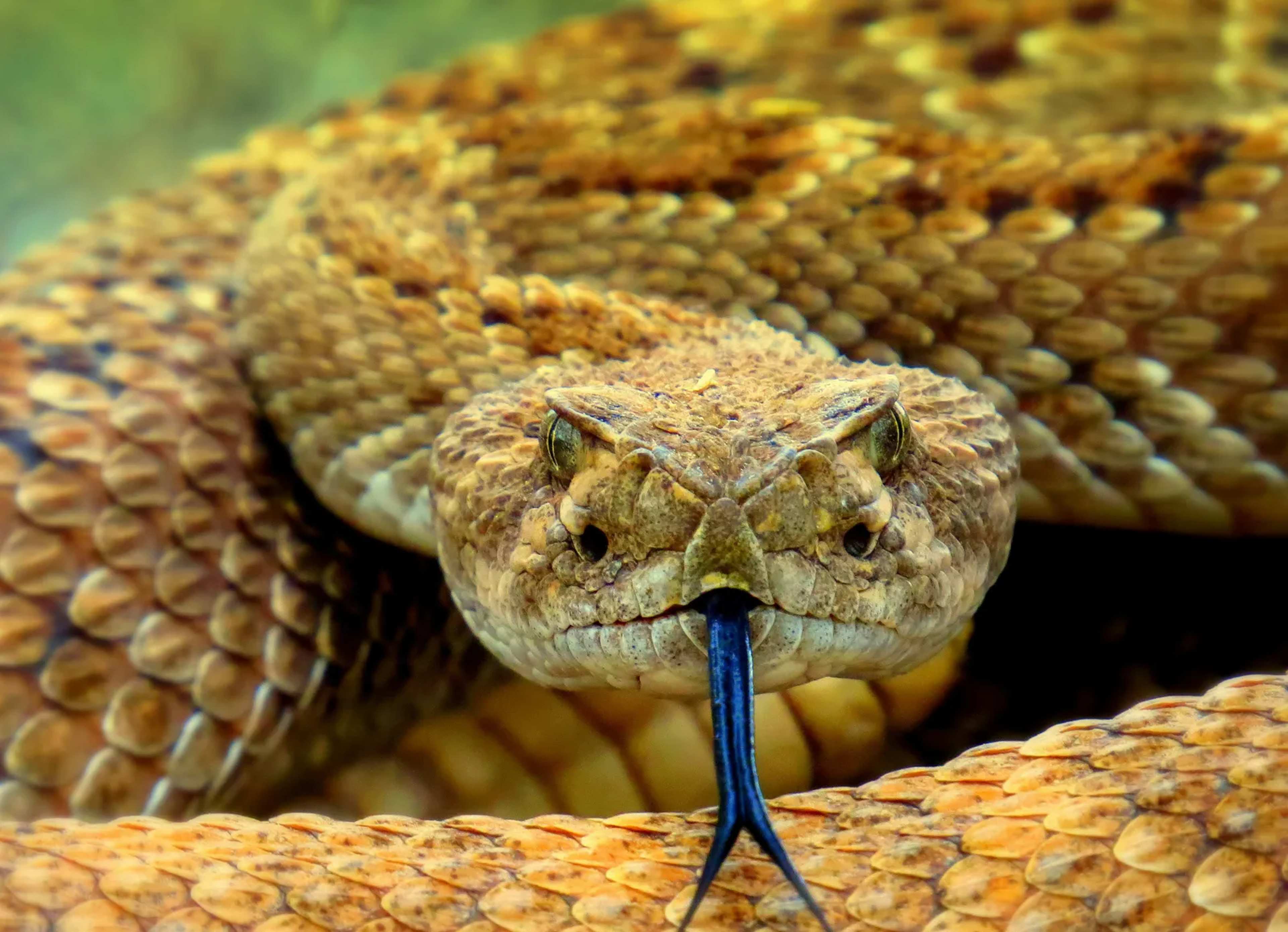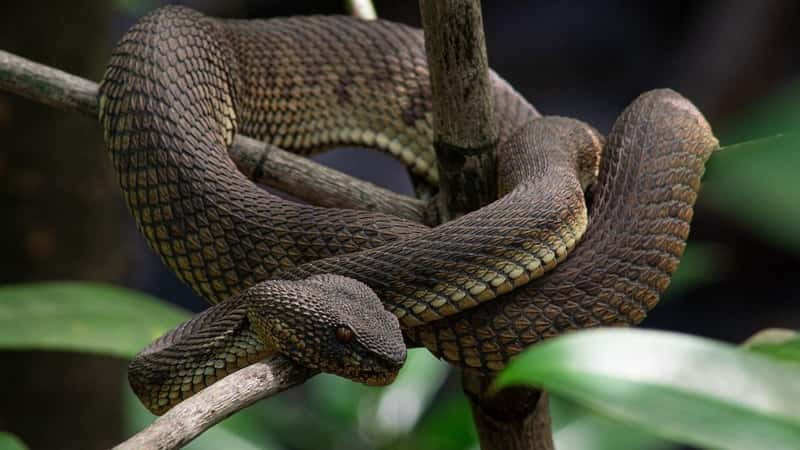
Museum DNA unmasks new Himalayan pit vipers, study says – Image for illustrative purposes only (Image credits: Pixabay)
For generations, anyone hiking or working in the high mountains from Pakistan through India to Nepal treated the Himalayan pit viper as a single, familiar species. That assumption shaped field guides, conservation plans, and even local safety advice. Fresh analysis of living snakes and museum specimens has now shown the picture was far more complex.
How Museum Specimens Changed the Story
Researchers combined new fieldwork across several Himalayan valleys with genetic work on preserved snakes collected as far back as the 1860s. By comparing physical traits, skeletal features, and DNA sequences, they could separate populations that had long been lumped together. The approach turned old museum drawers into a source of fresh evidence rather than just historical records.
The work confirmed that what had been labeled one species actually represented five distinct lineages. Three of those lineages had never been formally described before. The remaining two had been recognized only recently or in limited areas, and the new data expanded their known ranges.
The Five Species Now Recognized
Each population occupies its own slice of the mountains and shows consistent differences in appearance and genetics. The original Himalayan pit viper is now limited to parts of northwestern India at elevations between 1,000 and 3,500 meters. A second form, first noted in 2022, extends from India’s Chamba District westward into the Kashmir Valley at lower elevations from 400 to 2,500 meters.
Three entirely new species complete the group. One lives in the Hazara region of northeastern Pakistan between 1,630 and 2,900 meters. Another occupies the eastern foothills of the Hindu Kush in northwestern Pakistan at similar heights. The fifth is found across western and west-central Nepal. These ranges overlap only slightly, and each snake appears adapted to its local conditions.
| Species | Primary Region | Elevation Range |
|---|---|---|
| Himalayan pit viper | NW India | 1,000–3,500 m |
| Chamba pit viper | Chamba to Kashmir | 400–2,500 m |
| Hazara pit viper | NE Pakistan | 1,630–2,900 m |
| Hindu Kush pit viper | NW Pakistan | 1,660–2,888 m |
| Nepali pit viper | W & WC Nepal | Not specified |
Why the Distinctions Matter
Accurate species boundaries affect how scientists track population trends and assess threats. A single widespread species might appear secure, while several narrower ones can each face different pressures from habitat change or human activity. In the Himalayas, where tourism, infrastructure projects, and shifting agriculture continue to alter landscapes, these distinctions help set priorities for protection.
Local communities and visitors also gain clearer information. Knowing which snake occurs in a given valley can refine medical guidance after bites and improve awareness during treks or fieldwork. The revised map of ranges replaces a broad, uniform label with more precise geography.
Next Steps for Research and Conservation
Further sampling will test whether additional hidden diversity exists in unsurveyed valleys. Genetic studies can also clarify how the five species relate to one another and when they diverged. Such work often reveals whether any populations require urgent attention because of small ranges or habitat loss.
The findings underscore how museum collections remain valuable long after the original collectors have gone. They also show that even well-known animals can hold surprises when examined with modern tools. For anyone who travels or studies in the Himalayas, the updated view replaces a single familiar name with a more accurate, and more interesting, picture of mountain biodiversity.