
You’re standing at a café counter in Lisbon, card in hand. The terminal asks whether you’d like to pay in euros or in your own currency, and the second option feels like the safe one. You’ll see the familiar number, and there will be no mental math.
That small prompt has a name, and it has been quietly shaping travel budgets for years. The question is whether the familiar number is actually the better deal.
What the Terminal Is Really Asking You

Dynamic currency conversion, usually shortened to DCC, is an optional service. It lets you pay an international card transaction in your own currency instead of the local one.[1] You’ll meet it at card terminals, ATMs and online checkouts.
The offer is easy to spot once you know the pattern. The warning sign is a choice between two currencies for the same transaction.[2] If the price is in local currency and the machine suddenly offers your card’s currency, that’s DCC.
Who Actually Sets the Exchange Rate

Pay in the local currency and the transaction goes to Visa or Mastercard. They convert it at their own rate, which typically sits within about half a percent of the mid market rate.[3] Your bank may then add its own foreign transaction fee on top.
Choose DCC and the arrangement changes. DCC is generally provided by third party operators working with the merchant, not by your card issuer.[4] The merchant or ATM operator sets the rate rather than your card network.[3]
How Big the Markup Gets

Estimates vary, though they point the same way. Many industry guides put the typical DCC markup somewhere between three and seven percent above the wholesale rate, and some studies have found markups as high as twelve to eighteen percent in less transparent setups.[5]
Consumer groups have measured it directly. The Norwegian Consumer Council found an average markup of 7.6 percent over the official Visa rate, peaking at 12.4 percent.[3] Germany’s Stiftung Warentest found a range from 2.6 percent to 12 percent across eleven countries.[3]
Why ATMs Tend to Be the Worst Place for It
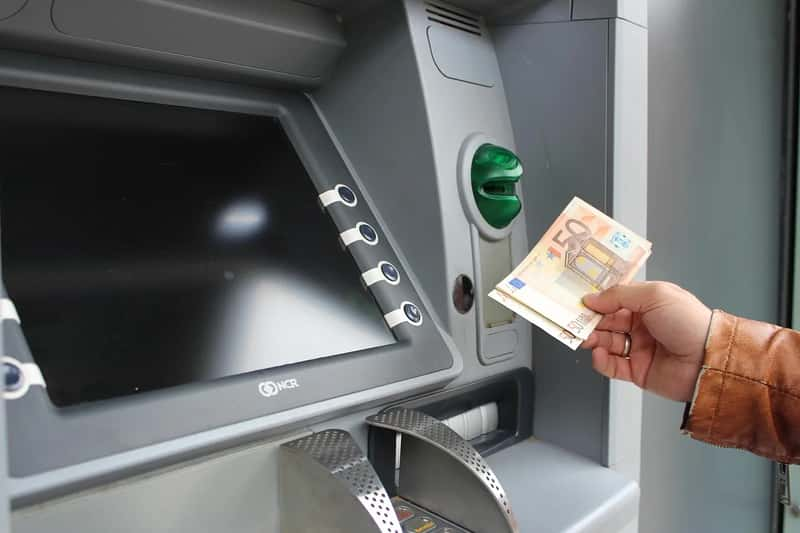
Cash machines often push the hardest. One 2026 guide puts the typical ATM markup at about thirteen percent, against a much smaller one to five percent at card terminals. It’s a secondary source, so treat the exact figure as indicative, not fixed.
Mastercard’s own merchant guide shows how it can work. Its example calculates the rate from the ECB exchange rate plus an eight percent markup.[6] That’s an illustration of how the math is built, not a promise of what every machine charges.
What It Looks Like on a Real Bill

Numbers make this clearer than percentages do. One example describes a 200 euro withdrawal shown as 225 dollars at the day’s rate, which becomes 254.89 dollars once DCC is applied.[7] That’s roughly thirty dollars lost on one withdrawal.
Dinner works the same way. At a typical card terminal markup of one to five percent, a 200 euro meal adds two to ten euros in pure conversion cost.[7] It’s not ruinous on its own, yet it repeats with every swipe across a trip.
The Rules Visa and Mastercard Set for Merchants
Both networks have written fairness rules, because DCC has a history of abuse. Visa forbids preselecting the DCC option, and Mastercard forbids making any conversion the default or steering with yes or no prompts or red and green buttons.[8] Currency options must be presented equally in manner and prominence.[9]
Disclosure matters too. Before choosing, the customer should see the amount in both currencies, the exchange rate and any other conversion fee.[8] Both networks audit merchants.[8]
What European and UK Law Adds

Regulators have pushed for clearer pricing. For card payments at the point of sale in the UK, conversion charges must be shown as a percentage markup over the latest ECB euro reference rates, alongside the amount in both currencies.[10] The payer must also be told they can pay in the business’s currency instead.[10]
The EU applies a similar transparency idea to DCC. Still, showing a markup isn’t the same as lowering it. One analysis notes that even when the data are displayed, the user must recognize and understand them within a few seconds.[2]
When Merchants Skip the Rules
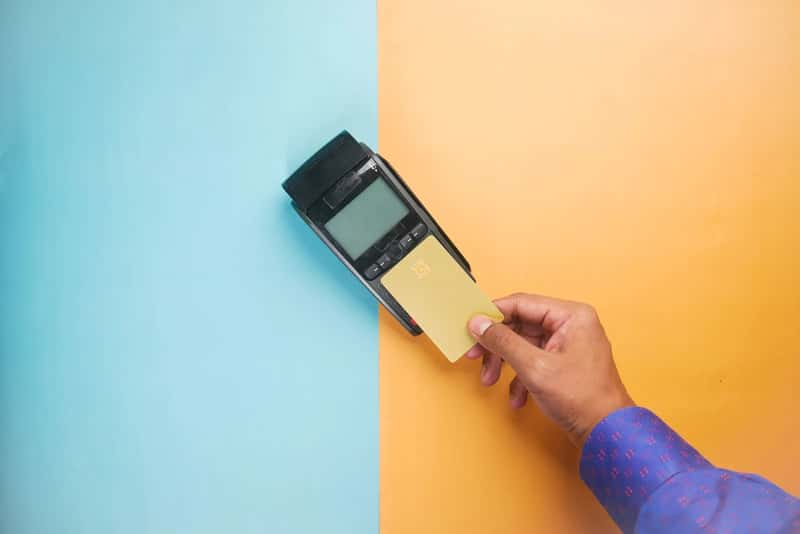
Older abuses haven’t vanished entirely. Back office DCC, where a merchant converts your transaction without showing you the choice at the terminal, is banned.[11] It still happens, especially at smaller shops in tourist areas.[11]
You do have recourse. Visa’s dispute condition 12.3 covers a DCC sale where the cardholder did not expressly agree, or was refused the choice of paying in local currency.[8] Mastercard says a cardholder who suffers a loss from currency conversion has a chargeback right for the loss amount.[9]
How to Decline It Without a Fuss
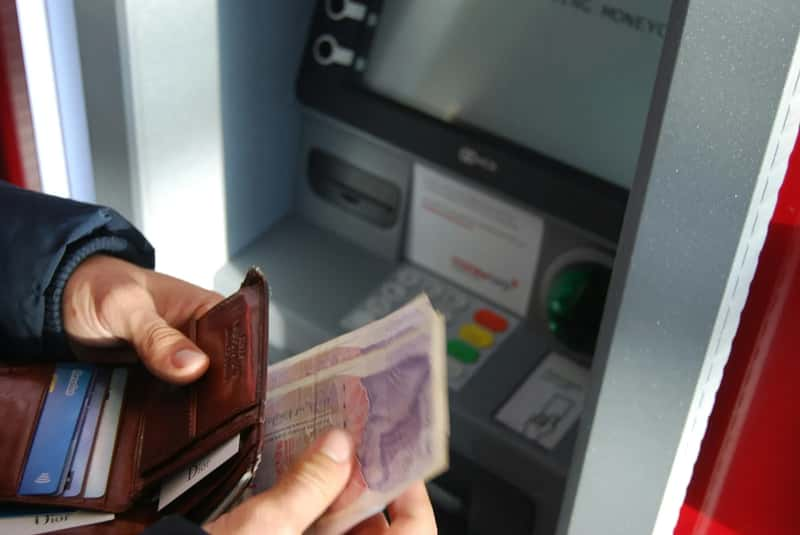
At a terminal, pick the local currency and check the receipt. If it shows your home currency only, you can ask for it to be rung up again in the local currency.[12] If the merchant refuses, paying in cash is the simple way out.
ATMs use trickier wording. Phrases like withdrawal with guarantee or conversion accepted both mean DCC.[13] If an ATM offers to lock in or guarantee your rate, choose to continue without conversion.[12]
Does Your Card’s Own Fee Change the Picture?
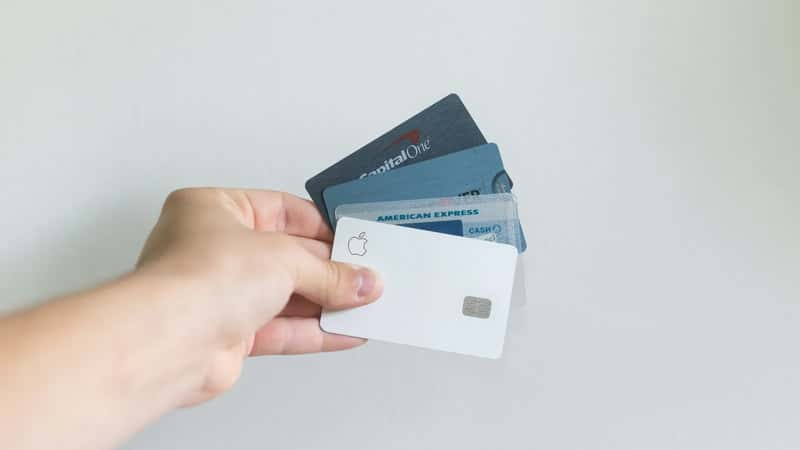
It can, though not in a way that rescues DCC. Declining DCC leaves you with your issuer’s charge, which can be an unavoidable two to three percent from your card issuer[13] if the card has foreign fees. Saying yes may stack a DCC markup over that.
A no foreign fee card is the cleaner route. A card without foreign exchange fees can’t undo a DCC markup once you accept it.[14] Prepaid travel cards add another wrinkle, since Visa doesn’t allow DCC on Visa multi currency or travel prepaid cards.[8]
Final Thoughts

The pattern is consistent across studies, bank guides and card network rules. Paying in the local currency lets Visa or Mastercard do the conversion, and that’s usually the cheaper path. When the screen asks, tap the local currency and move on.