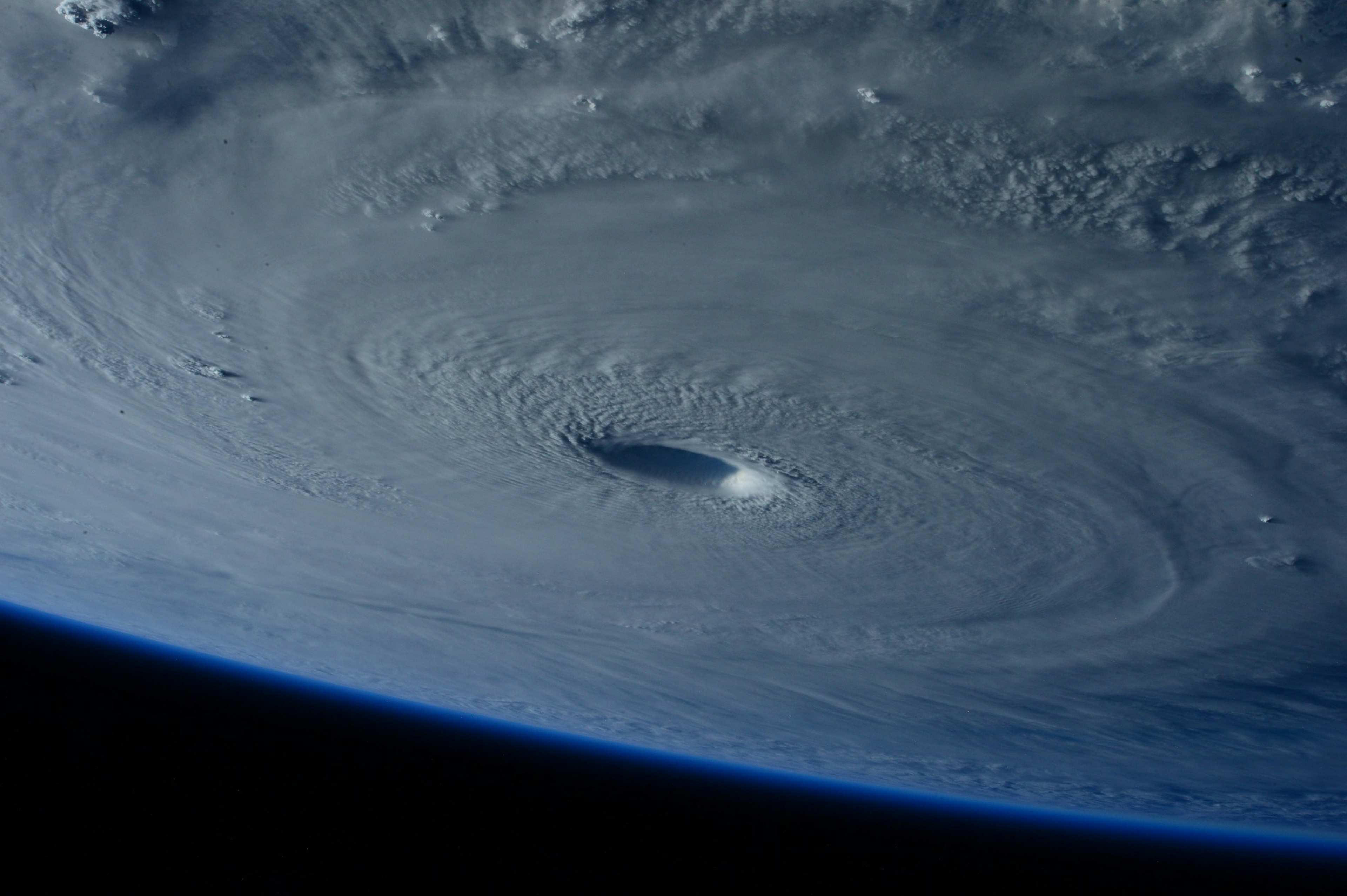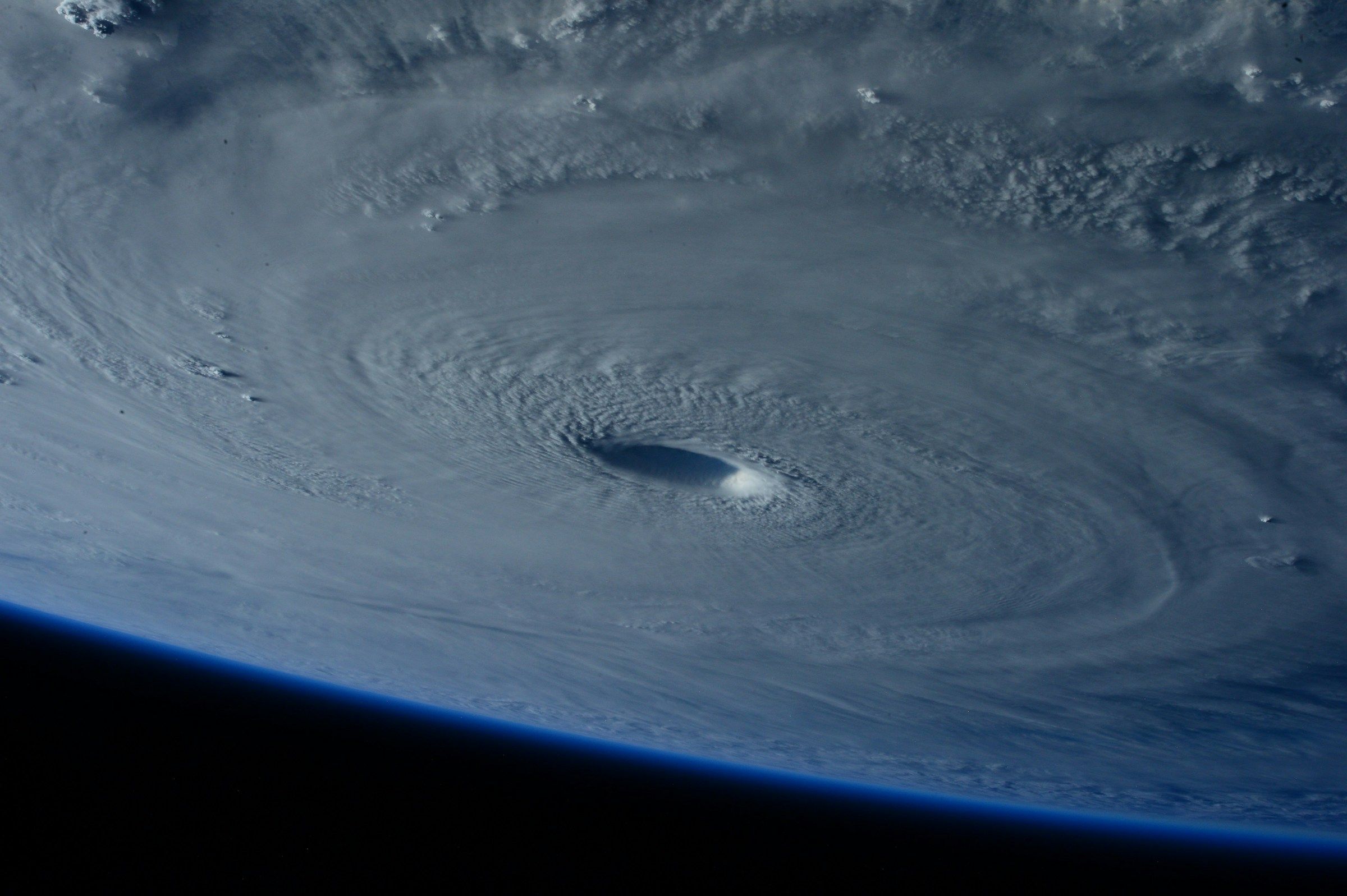
If you’re planning a winter escape, a ski week or a tropical getaway, you’ve probably seen headlines about a “super” El Niño. The label is informal, and it’s not a forecast for your particular weekend. Still, the climate pattern now building in the Pacific is strong enough that it’s worth understanding before you book.
This guide covers what El Niño is, how strong the current event looks, and where it tends to shift travel conditions. It sticks to what forecasters have said, and it flags where the evidence is only a tilt in the odds.
What El Niño Actually Is
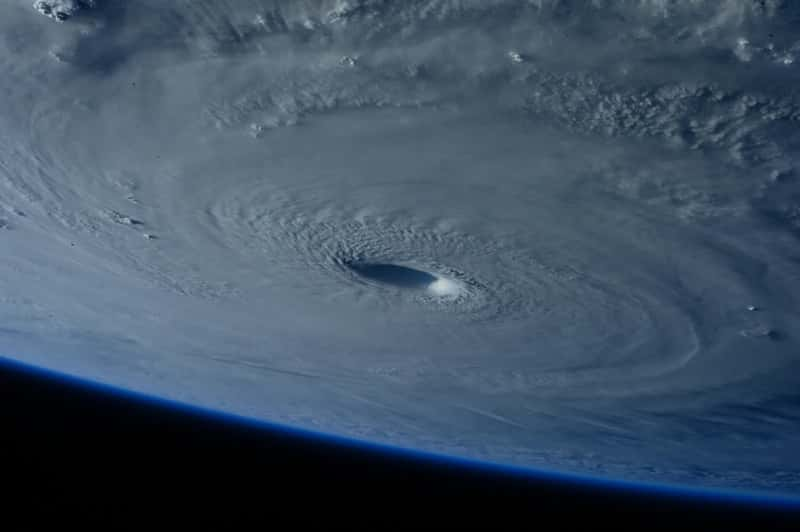
El Niño is a climate pattern in which waters in the central and eastern tropical Pacific Ocean become unusually warm[1]. That warmth changes how heat and moisture move into the atmosphere, which can nudge the jet stream and rainfall patterns thousands of miles away.
It helps to think of El Niño as a shift in probabilities rather than a single hazard. UNDRR’s El Niño hub explains that it changes the likelihood of conditions that can contribute to drought, flooding, extreme heat, wildfire and other hazards[3]. It also adds that effects vary considerably between regions and between individual events[3]. For a traveler, that means a higher chance of certain weather, not a promise of it.
Is It Really a “Super” El Niño?
The word “super” is informal. Newsweek notes that many meteorologists use it for exceptionally intense episodes that exceed certain ocean temperature thresholds[7]. NOAA’s own language is more measured, though still dramatic. Its Climate Prediction Center says the chances “remain high for a historic event that would exceed the strength of previous El Niño events dating back to 1950”[8].
Winter Getaways in the United States
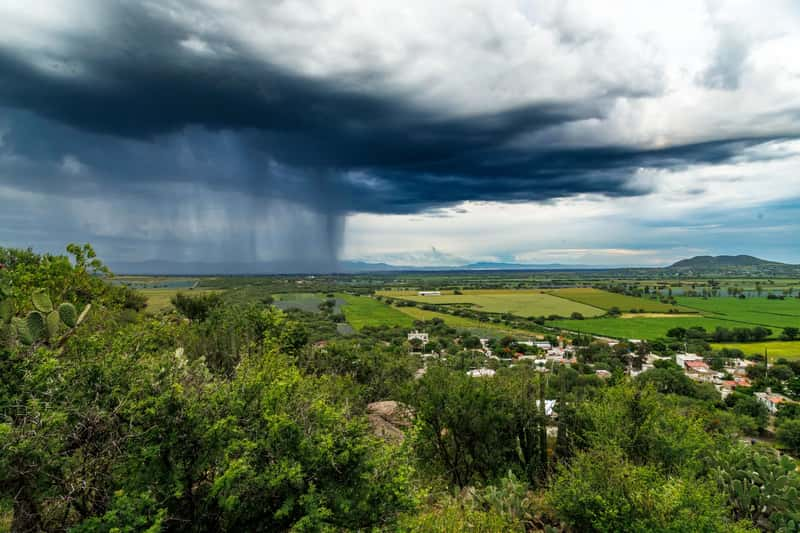
NOAA’s winter outlook, released October 15, favors a wetter than average winter across the South, from California to Florida and up the East Coast[5]. Forecasters explain that El Niño typically pushes the jet stream, the river of air that steers storms, across the southern United States[5]. In parts of the extreme Southeast and northern Florida, NOAA puts the odds of above normal precipitation above 70%.
That matters for the usual snowbird destinations. The Weather Channel says the pattern may affect popular escapes such as Florida, Arizona and Hawaii[9], and that it could also be a wetter than usual winter in some getaway spots like Arizona and Southern California[9]. The same source cautions that not every strong El Niño delivers such a wet winter[9]. If you’re heading south for sunshine, pack a rain jacket and consider more indoor backup plans.
The Northern Tier and Canada Could Be the Surprise Winners
The same jet stream shift that brings storms to the South often leaves the north milder. NOAA’s outlook favors warmer than average temperatures across much of the northern United States[5]. A NOAA meteorologist quoted by Yahoo Travel noted that El Niño winters are often warmer, which can sometimes benefit travel across the northern tier of the contiguous U.S.[1]
The Points Guy suggests that city trips could be more pleasant in places like Chicago and Montreal[10], with possible bargains on off-season flights and hotels. Snow lovers should temper expectations, though. Strong El Niño winters usually mean less snow on average, especially inland[5] in the Northeast, even if individual storms still happen.
Ski Trips: Choose Your Mountain Carefully
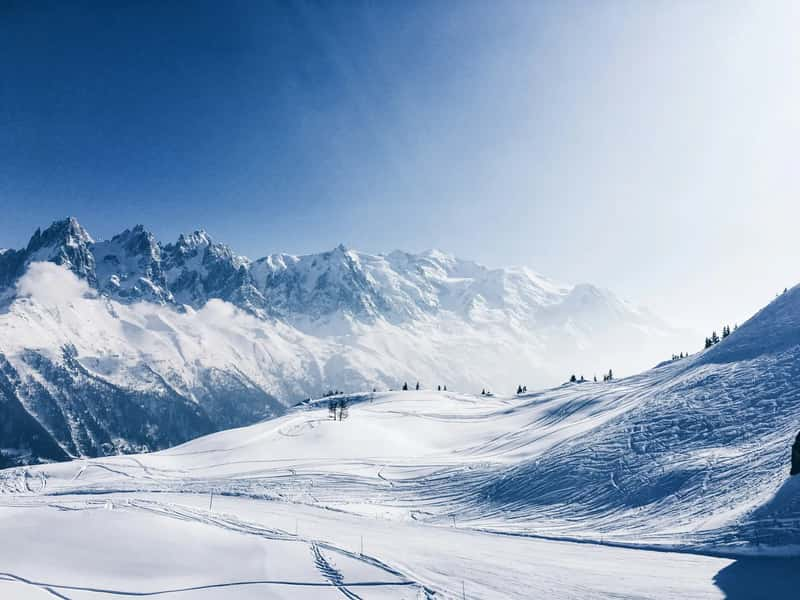
Skiers should pay attention to regional differences. One ski guide summarizes the typical tilt this way: California and the Southwest see more moisture, more storms and higher upside[11]. The Pacific Northwest and coastal British Columbia tend to be warmer, often drier, with higher rain lines[11]. Utah, Colorado and interior British Columbia are described as an in-between zone that can go either way[11].
No forecast guarantees a great snow year. One analysis of NOAA’s data reminds readers that strong El Niño winters have historically produced above-average snowfall in the southern Rockies and California, though no forecast guarantees any single season’s snow[12]. Another travel outlet suggests that higher altitude destinations or dates later in the core winter window offer more reliable conditions[13]. Booking refundable lodging and watching storm forecasts a week out is the practical approach.
Beaches, Coasts and the Tropics

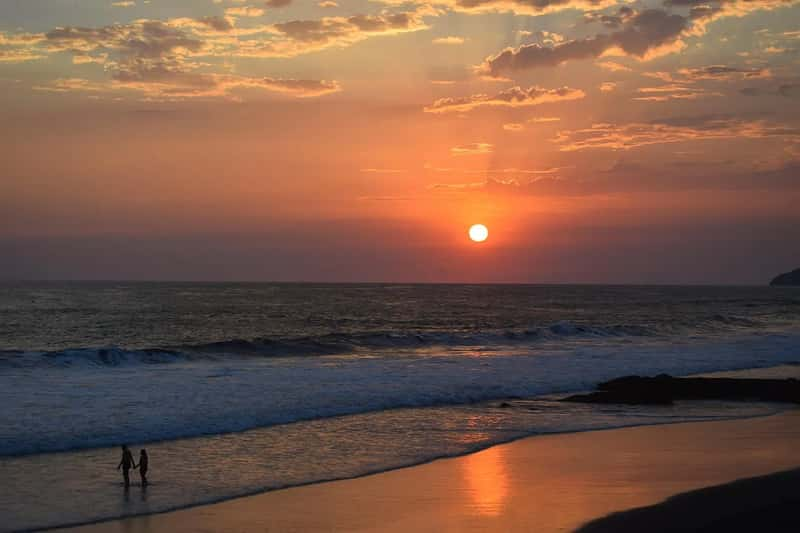
For Pacific coasts in the Americas, heavier rain is the main concern. One assessment says stronger El Niño conditions are associated with an increased chance of heavy rain events, flash flooding and coastal erosion[13] there. Mexico’s national weather service has said El Niño is expected to favor wetter conditions across northern Mexico from November to April, including Baja California[14]. Travelers there may also face coastal hazards, since large swell coinciding with high tides[14] can make low-lying beaches and access roads much riskier.
Other regions lean the opposite way. The humanitarian analysts at ACAPS note that El Niño typically brings drier-than-normal conditions in the Caribbean, Central America, northern Latin America, the Pacific, South Asia, Southeast Asia[15] and beyond. Yahoo Travel’s NOAA-sourced piece likewise points to potentially drier conditions in parts of the Caribbean[1]. Dry weather sounds ideal for a beach holiday, but it can come with heat. WMO’s seasonal update flagged the Caribbean, Central America[16] and southern Europe among the strongest signals for above-average temperatures.
Heat, Fire and Health Considerations
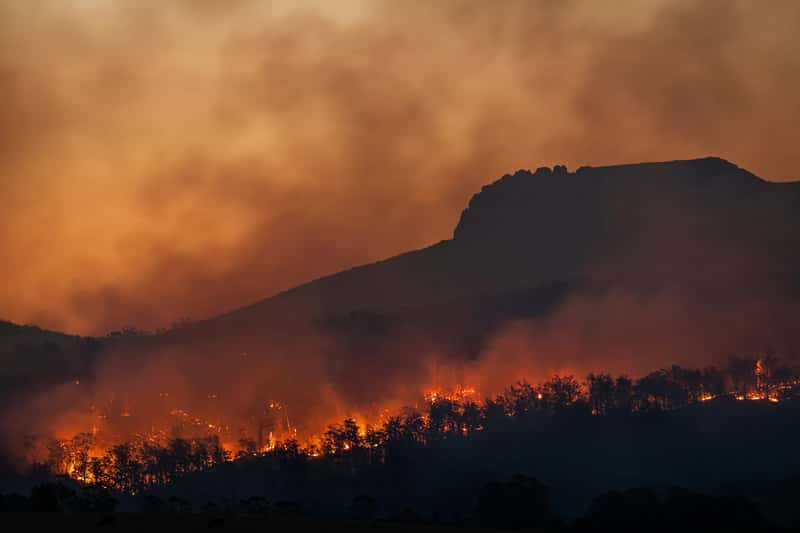
Where drought and heat combine, the risk of wildfire and smoke rises. UNDRR documents that pattern in Southeast Asia, Amazonia and Australia, where dry seasons have preceded major fire years[3]. If you’re traveling to those regions, check local air quality and fire advisories, and build in flexibility for outdoor plans.
Disease risk is real but uneven. UNDRR says El Niño links to outbreaks are strongest for Rift Valley fever in East Africa and are also documented for dengue, malaria and cholera[3], though region-specific and mediated by water and sanitation conditions and health system capacity[3]. During the 2024 Southeast Asia heat wave, Indonesia’s health ministry issued a warning to tourists visiting Bali, recommending vaccination[17] amid a dengue surge. Before you go, check your destination’s current health advisories and talk to a travel clinic.
How to Plan Smarter During a Strong El Niño
The most useful habit is flexibility. NOAA stresses that stronger El Niño conditions increase the probability of characteristic regional impacts but do not guarantee a particular outcome at any location[18]. Choose refundable or changeable bookings where you can. Read the fine print on travel insurance, since weather coverage varies by policy. Build slack into itineraries that depend on small airports or coastal roads, which one travel analysis describes as particularly vulnerable[13] in past events.
Timing also helps. NOAA has said the next seasonal outlook update is scheduled for November 19, so it’s worth rechecking before you commit to winter plans. Local forecasts become far more reliable in the days before departure. Wet soils can turn heavy rain into a bigger problem, and NOAA notes that dry soils can increase the risk of flash flooding and mudslides[18] where heavy precipitation occurs.
Conclusion
This El Niño is shaping up as a very strong one, with forecasters expecting it to peak around the turn of the year and fade by spring or early summer. For travelers, that tilts the odds toward a wetter southern United States, a milder north, and drier, hotter conditions across parts of the tropics. Those are tendencies, not guarantees, and each event plays out differently.
Treat El Niño as one more input alongside your usual research, like current forecasts, local advisories and a flexible booking policy. A trip that can bend with the weather will handle whatever this winter brings.