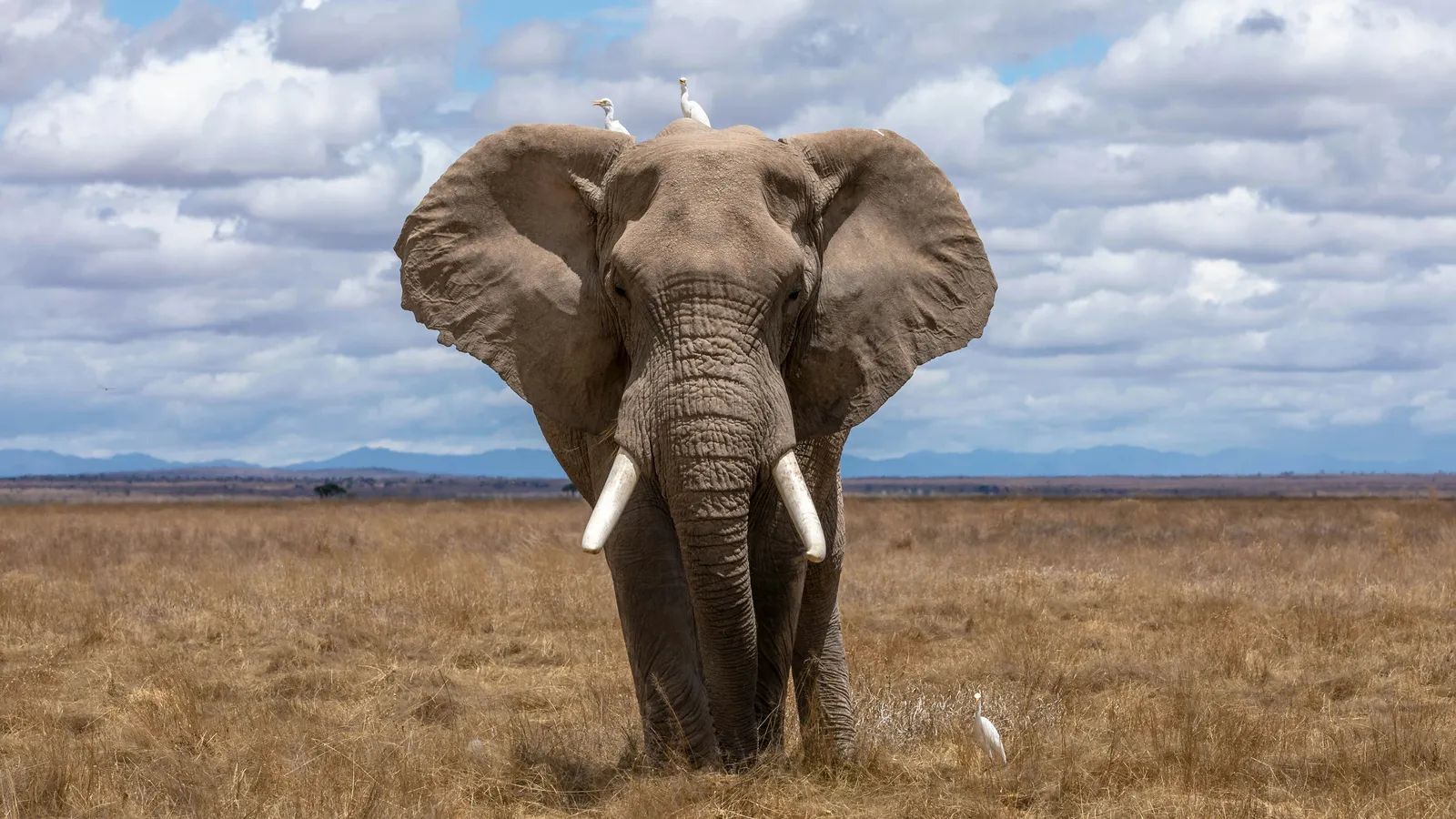
Africa once supported vast elephant populations that moved across savannas and forests in numbers difficult to imagine today. Those movements influenced vegetation patterns, soil conditions, and the broader flow of carbon through ecosystems. Recent findings have drawn attention to how the animals themselves function as reservoirs for carbon that might otherwise enter the atmosphere. The sharp decline in their numbers over centuries raises questions about whether restoring such populations could support climate goals.
Historical Losses and Their Scale
Over roughly five centuries, human activity reduced Africa’s elephant numbers by an estimated 98 percent. In the 1970s the continent still held about 1.3 million elephants, according to figures from the IUCN. Since then savanna elephants have fallen by around 70 percent and forest elephants by roughly 90 percent, largely from hunting and shrinking habitat. These losses removed animals whose bodies and behaviors once kept substantial amounts of carbon locked away on land. The same pattern appears in the oceans. Centuries of whaling removed the largest animals ever known, creatures whose sheer mass represented major carbon stores. Their removal altered marine systems in ways that are still being measured. Both cases show how the disappearance of megafauna can change the planet’s carbon dynamics over long periods.
Elephants and the Carbon They Carry
Elephants shape the landscapes they inhabit through feeding, trampling, and seed dispersal. These actions affect how much carbon vegetation holds and how carbon moves between plants, soil, and the air. When large numbers of elephants are present, the resulting mosaic of open areas and denser growth can favor certain carbon-storing plants and soils. Removing those animals changes the balance, often in ways that release stored carbon. Scientists note that precise totals remain hard to calculate. The interactions involve many variables, including regional differences between savanna and forest species. Still, the direction of the effect is consistent: fewer elephants generally mean less carbon retained in the system over time. This has prompted discussion about whether reintroducing or protecting elephants could count as one practical step in broader climate strategies.
Whales and the Ocean Carbon Cycle
Whales provide a parallel example in marine environments. Their bodies store carbon throughout long lives, and their nutrient-rich waste supports phytoplankton blooms that draw carbon dioxide from surface waters. When whales die, many sink to the deep sea, where the carbon in their tissues stays out of the atmosphere for extended periods. This “whale pump” and the eventual sinking of carcasses together represent measurable contributions to ocean carbon storage. Hunting removed enormous numbers of these animals before modern protections took hold. The resulting gap in the system is one reason some researchers now examine whether recovering whale populations could deliver climate benefits alongside other conservation gains. The mechanisms are different from those on land, yet the core idea overlaps: large animals function as living, and sometimes long-term, carbon reservoirs.
Uncertainty and Next Steps
The science linking megafauna to carbon storage is still developing. Estimates of total impact vary, and many factors beyond animal numbers influence carbon flows. Rewilding efforts would also face practical limits, including available habitat, human-wildlife conflict, and the time required for populations to recover. These realities keep the idea in the realm of promising research rather than proven policy. What matters now is continued measurement of how animal populations affect carbon at scale. Field studies, modeling, and long-term monitoring can clarify where protection or restoration yields the clearest climate returns. In the meantime, the evidence already points to a wider role for large animals than previously recognized in standard climate accounting. The question of whether saving elephants, whales, and similar species constitutes a climate solution remains open. It hinges on better data and on how societies weigh multiple benefits from the same conservation actions. The connection between megafauna and carbon storage adds one more dimension to decisions that will shape both ecosystems and the atmosphere for decades ahead.