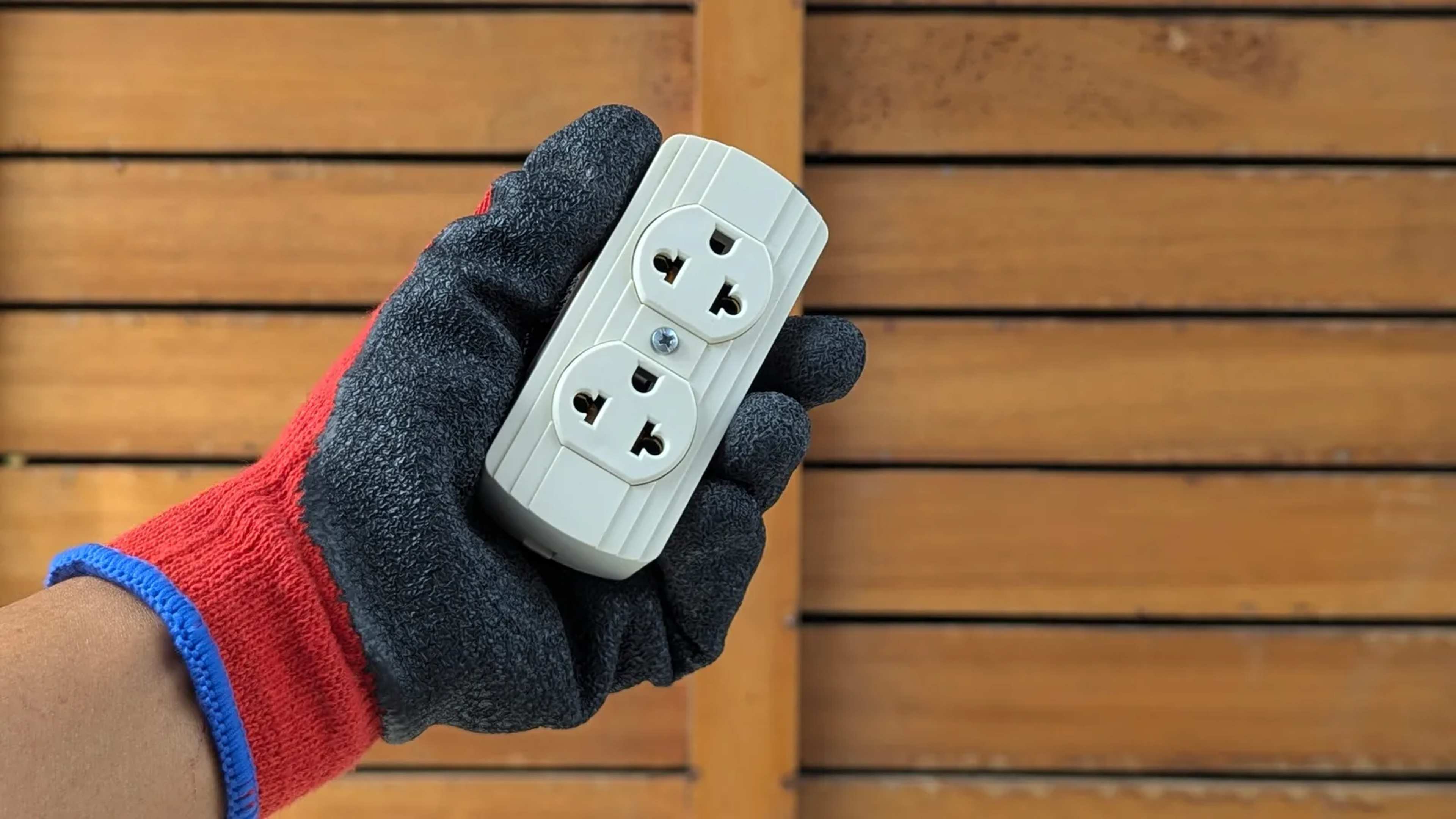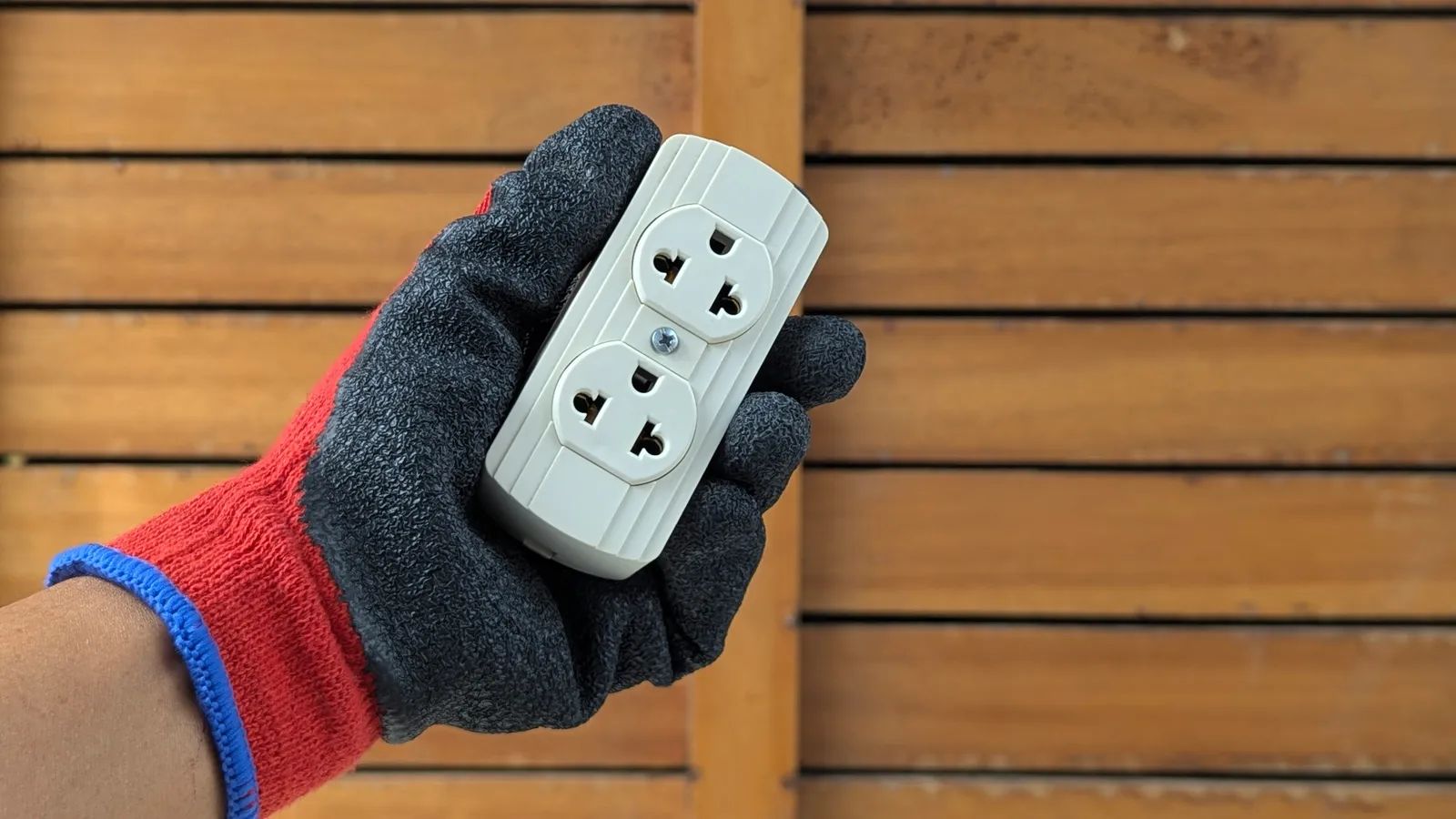
As cooler weather sets in and households reach for extra warmth, a familiar solution can quietly introduce serious hazards. People often turn to power strips when outlets run short, yet fire officials and university safety offices stress that certain high-demand devices belong plugged straight into a wall outlet instead. The advice aims to reduce risks of overheating and electrical fires during routine use. ([1])
Why Capacity Matters More Than Extra Outlets
Power strips provide additional places to plug in devices, yet they do not expand the electrical capacity of a circuit. Ordinary household strips suit only low-current items such as computers or phone chargers. When heavier loads connect, the strip and its wiring can overheat even if the total appears within printed ratings.
Experts note that a typical space heater alone can draw 1,000 to 1,500 watts. At standard household voltage, that load already approaches the limit of many 15-amp circuits. Adding any other device compounds the strain and raises the chance of trouble.
Appliances That Require Their Own Wall Outlet
Space heaters top the list of items that must connect directly to a wall outlet. Officials from the Consumer Product Safety Commission and state fire marshal offices repeat this instruction each season because portable heaters already contribute to hundreds of fires annually. Refrigerators and freezers follow the same rule, since a loose or switched-off strip could spoil food and because major appliances generate steady high demand.
Microwaves, window or portable air conditioners, coffee makers, and toasters also draw significant current while operating. University safety guidance from multiple campuses groups these kitchen and climate-control devices together as unsuitable for strips. Each one performs best when given a dedicated wall connection that matches its requirements.
Never Chain One Strip to Another
Connecting power strips end to end, sometimes called daisy-chaining, adds outlets without adding capacity. The practice increases the number of connections that can loosen or overheat and violates safety rules at several universities. Every strip should plug straight into a wall outlet rated for its load.
When more outlets are truly needed for low-draw electronics, users should select a single, properly rated strip with built-in overload protection and a UL label. For anything beyond that, an electrician can assess whether additional circuits or outlets are required.
Signs That an Outlet or Strip Needs Attention
Warm plugs, cords, or outlets signal a problem worth investigating. Frequent breaker trips point to the same issue. In either case, the equipment should be unplugged and checked by a licensed electrician rather than used again.
Sparks, buzzing sounds, or burning smells require immediate action and a call to the fire department. These indicators often trace to loose wiring or damaged components rather than simple overload, yet they demand prompt professional review.
Simple habits such as plugging high-demand appliances directly into wall outlets and avoiding chained strips can reduce everyday risks in homes and seasonal rentals alike. Checking connections before the next cold snap offers a practical step toward greater peace of mind.