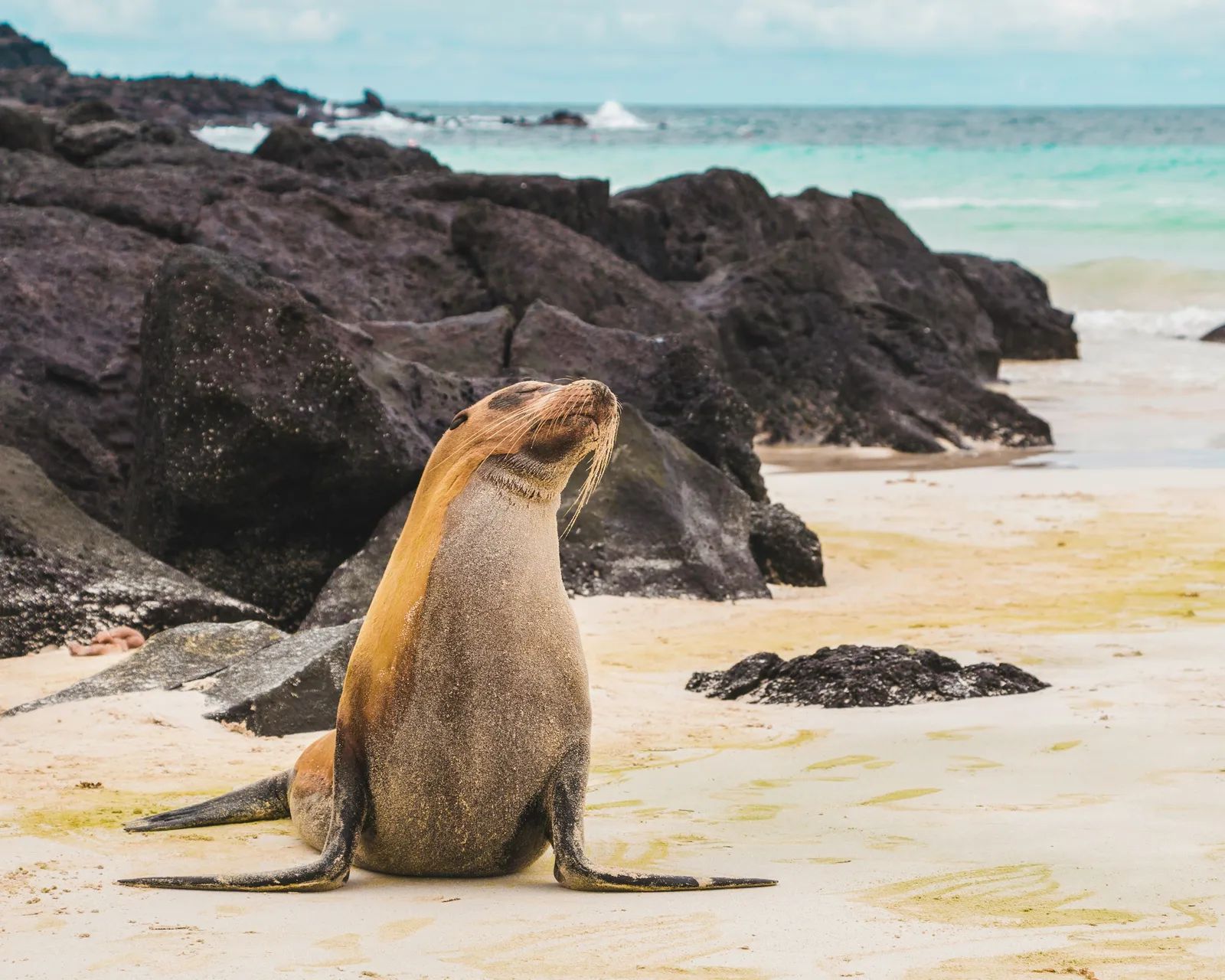
The Galápagos Islands have long captivated scientists and travelers alike for their role in shaping evolutionary theory. A newly released resource now compiles detailed profiles of the archipelago’s life forms while openly noting the gaps that still puzzle researchers. The Galápagos Atlas, produced by the Charles Darwin Foundation, covers 68 species and species groups across the islands. ([1])
Mapping a Living Laboratory
The atlas draws together information on both iconic and lesser-known residents of the Galápagos. Well-known examples include the giant tortoises of the genus Chelonoidis, the marine iguanas known scientifically as Amblyrhynchus cristatus, and the various Darwin’s finches in the genus Geospiza. Profiles also address plants and invertebrates such as the Galápagos kelp Eisenia galapagensis, several lichen species, and the carpenter bee Xylocopa darwini.
Each entry summarizes current knowledge on ecology, behavior, and conservation status. At the same time, the authors deliberately flag areas where data remain incomplete. This dual focus distinguishes the atlas from purely descriptive field guides.
Created Through Broad Collaboration
Eighty-seven authors and artists contributed to the project. The group included researchers, Galápagos National Park rangers, and local conservationists. Their combined effort produced a freely available digital publication intended for wide use by students, scientists, and visitors.
The foundation designed the atlas as an entry point rather than a final word. Entries include reference lists so readers can trace the underlying studies and contact active researchers. Executive director Rakan Zahawi noted that many aspects of Galápagos flora and fauna still lack full understanding, which adds to the islands’ enduring appeal.
Questions That Persist
Despite decades of study, basic details about several species remain elusive. For some organisms, scientists still seek clearer data on population trends, breeding patterns, or responses to changing ocean conditions. The atlas presents these unknowns alongside established facts, underscoring that discovery in the Galápagos continues.
Zahawi encouraged young readers captivated by a particular species to follow the citations provided. Doing so, he suggested, can lead directly into ongoing research and help identify where new contributions are most needed.
Value for Visitors and Future Research
Travelers planning trips to the islands often seek deeper context beyond standard wildlife checklists. The atlas supplies concise, referenced summaries that can enrich such visits without requiring specialized academic training. It also serves as a practical tool for identifying priority areas for future fieldwork.
By documenting both progress and remaining uncertainties, the publication reinforces the Galápagos as an active site of scientific inquiry rather than a static showcase. The resource is expected to support conservation planning and educational programs for years to come.