Airport gate podiums look simple from a distance: a desk, a scanner, someone in uniform staring at a screen. Behind that screen, though, gate agents juggle standby lists, seat maps, weight and balance numbers, and a hundred small decisions that shape how smoothly a flight boards. Some of those decisions come down to policy and computers, but plenty of others are genuinely up to the person at the counter, and travelers who understand which requests fall into that second category tend to have an easier time at the gate.
Fixing a boarding pass error on the spot
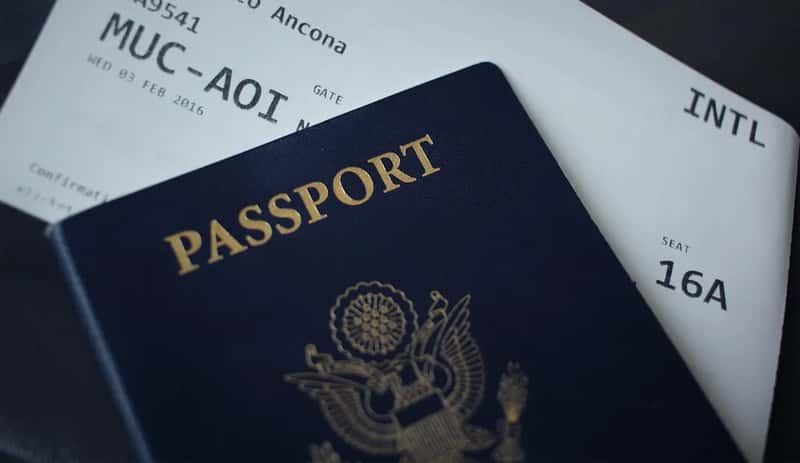
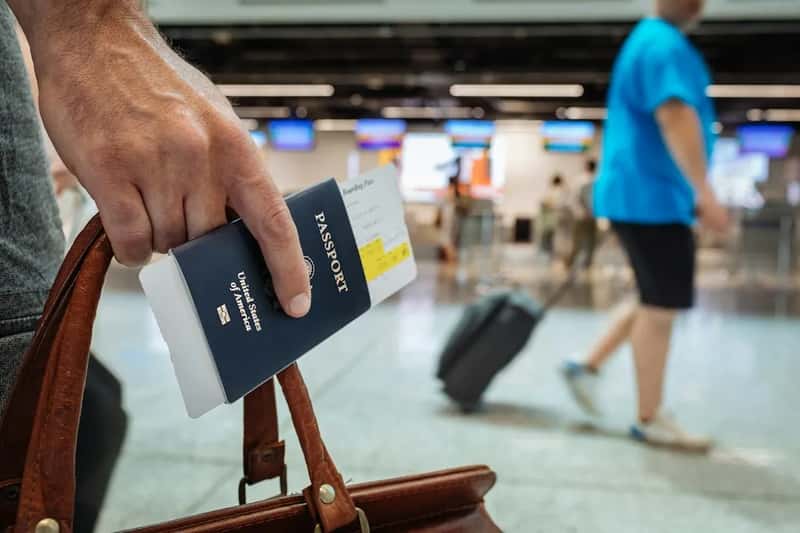
A misspelled name, a wrong seat number, or a printer glitch on a boarding pass looks like a crisis, but it rarely is. A misspelled name or a printer glitch on a boarding pass sounds like a security nightmare, but gate agents can override and reissue a corrected pass immediately rather than sending travelers back through the checkpoint.[1] This is one of those quiet powers most passengers never think to ask about.
The fix usually takes only a minute or two once it’s flagged calmly at the counter. This saves travelers from missing flights over a clerical error that was never their fault, and flagging it calmly usually gets it resolved in under two minutes.[1] There’s no need to loop back through TSA or start the check-in process over.
Swapping out of an uncomfortable middle seat
Seat changes are one of the most common requests gate agents field, and they carry real discretion here. When it comes to smaller requests such as seat changes or rebooking options, agents are often happy to go the extra mile for passengers who treat them well.[2] That flexibility matters most on flights with open seats scattered around the cabin.
Even seats that were previously blocked aren’t always permanently off limits. Blocked seats aren’t as locked as airlines want travelers to believe, since agents have the power to assign new seats at no charge, even if they were blocked earlier or carried an extra fee.[3] A polite, specific request at the right moment often gets a better outcome than expected.
Adding gate-check tags for strollers and car seats
Traveling with young children brings its own set of logistics, and gate-checking bulky items is one of the most routine approvals agents handle. Even well-prepared travelers may need help with things like a seat change, extra assistance while boarding, or gate-check tags for a stroller or car seat.[2] This isn’t a favor so much as a standard part of the job.
Because it involves physical items that need tagging and tracking, it helps to ask before the boarding rush hits. Agents can process the tags quickly when they aren’t simultaneously managing a packed gate area, which keeps the whole boarding process moving for everyone.
Same day standby changes to an earlier or later flight
Plans shift, and same day standby is one of the more useful tools gate agents can offer when there’s room on another flight. Most flyers think standby only exists for stranded passengers after a cancellation, but same-day change lets travelers swap their flight for an earlier or later one, as long as there’s an open seat and the origin and destination airports match.[1] It’s a straightforward request that doesn’t require an elaborate excuse.
Agents can typically process this at the podium without escalating to a supervisor, provided the fare rules allow it. Asking early, rather than at the last minute, gives the agent time to check seat availability properly instead of rushing the decision.
Correcting a seat assignment after an aircraft swap
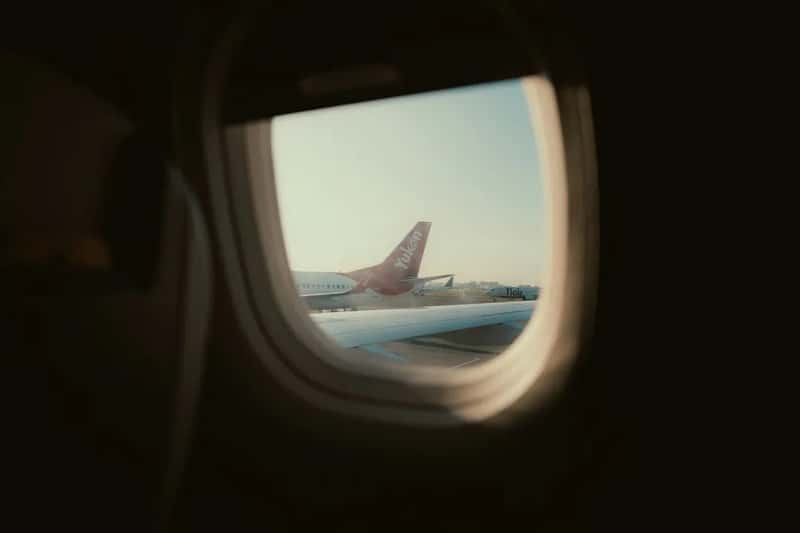
Aircraft substitutions happen more often than passengers realize, and they can scramble carefully chosen seat selections. One traveler described repeatedly confirming his seat at the gate specifically because the aircraft type has changed several times, and his seat was different from the one he selected online.[4] Agents are generally quick to sort this out once it’s brought to their attention.
This kind of correction isn’t a favor in the traditional sense. It’s closer to an operational fix, since the airline’s own equipment change created the mismatch in the first place, and agents have the tools to reassign the correct seat on the spot.
Volunteering to give up a seat on an oversold flight

Overbooked flights create one of the few situations where a passenger’s request and the airline’s needs line up perfectly. Agents are almost always glad to hear from someone willing to take a later flight in exchange for compensation. Federal rules require real compensation for passengers involuntarily bumped from an oversold flight, and DOT rules raised the liability limits from $775 and $1,550 to $1,075 and $2,150, effective January 22, 2025.[3]
That legal minimum doesn’t cap what airlines can offer. This maximum legal required payout does not prevent airlines from offering customers more, which is exactly why volunteers[3] sometimes walk away with vouchers well above the federal floor. Asking a simple question about what’s available in exchange for a seat can open a conversation most travelers never start.
Requesting help ahead of the boarding rush, not during it
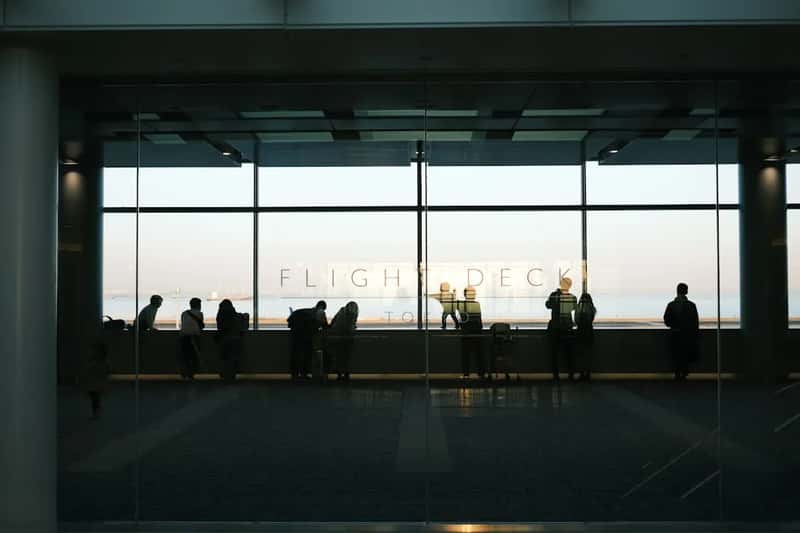
Timing shapes almost every interaction at the gate, and agents consistently point to one detail that improves outcomes: asking early. The best time to ask is well before boarding begins, not while it’s happening, since once an inbound flight arrives, agents shift into a tightly timed process where interruptions become much trickier to manage.[2] A request that would take thirty seconds before boarding can feel like a major disruption once the line starts moving.
Multiple outlets have echoed this same advice from agents directly. Agents interviewed by Outside magazine and Huffington Post recommend approaching them upwards of 30 minutes before boarding time.[2] That window gives agents enough breathing room to actually look into a request instead of just managing the immediate rush.
Reissuing a boarding pass for a family seating mix up
Families separated across a cabin due to booking timing or fare class differences are a common sight at the gate, and agents do have some room to help. A Delta Air Lines gate agent noted that gate agents can change seat assignments, but only under specific conditions, and they have discretion to adjust seating for operational reasons such as accommodating families if possible.[5] It isn’t a guarantee, but it’s a request agents are generally sympathetic to.
The key word is “if possible.” Seat changes for families depend heavily on whether there are actually open seats in the same cabin class, since agents generally can’t move someone into a higher fare category just to solve a seating puzzle.
Asking a supervisor to step in when a solution feels off
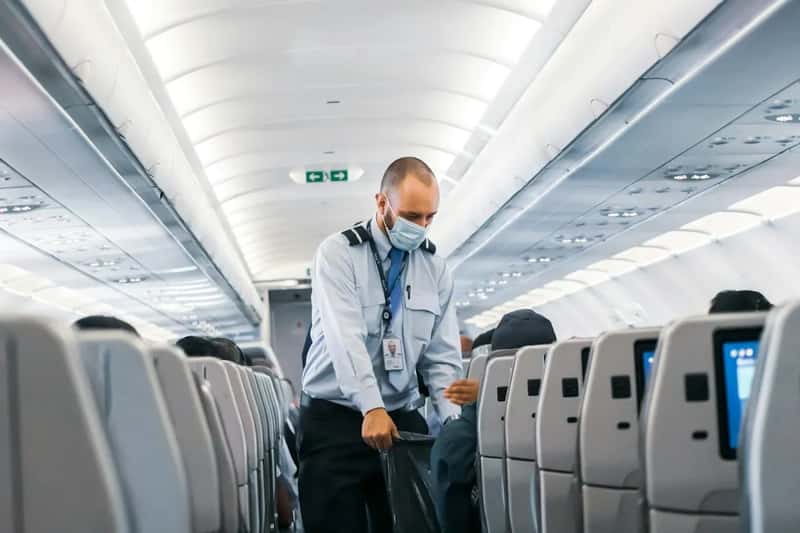
Not every request can be resolved at the podium level, and gate agents themselves often welcome bringing in backup when their own authority runs out. Agents are usually happy to help when they can, but their authority on matters like upgrades, standby lists, and compensation is limited, since airline protocols and the computer system often make the final call, and if a solution feels unsatisfactory, it’s recommended to politely ask if a supervisor can assist.[2] This isn’t agents passing the buck; it’s simply how airline systems are structured.
Supervisors, sometimes called lead agents or red coats depending on the carrier, carry expanded authority for exceptions that regular gate staff can’t approve on their own. Asking for one calmly, rather than as an escalation tactic, tends to get a faster and friendlier response.
Requesting extra time or assistance while boarding
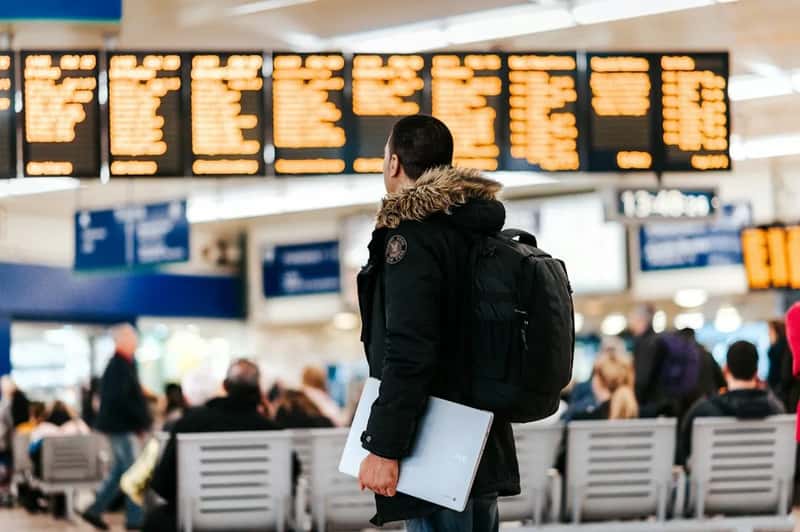
Passengers who need more time getting down the jet bridge, whether due to mobility issues, an unexpected injury, or simply traveling with a lot of gear, are one of the more routine accommodations gate agents handle daily. This falls squarely within the kind of assistance agents expect and plan for as part of standard boarding procedures. Assisting passengers with disabilities, families with children, and elite status travelers who board early is a built-in part of the boarding sequence.[4]
Because this kind of request is baked into normal operations rather than treated as an exception, agents are generally quick and matter of fact about it. Mentioning the need at check in or as soon as arriving at the gate area gives staff time to arrange it properly before the crowd builds.
Correcting seat assignments caused by weight and balance needs
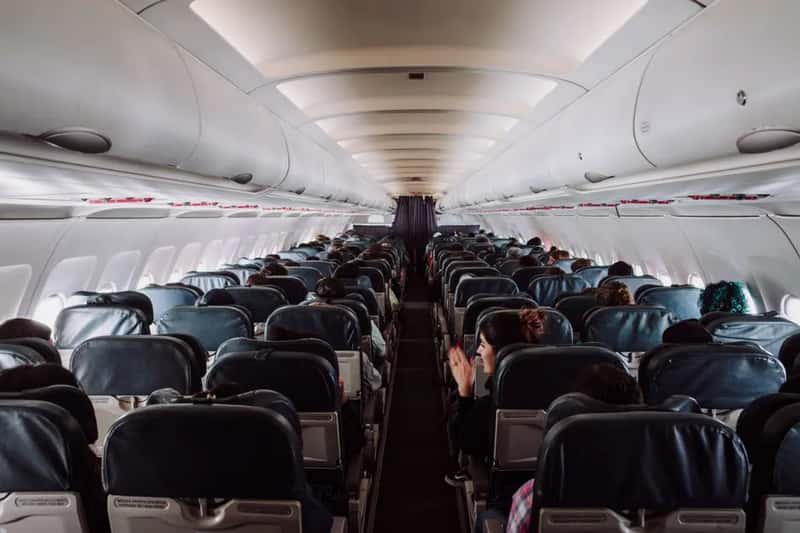
Occasionally a seat gets reassigned not because of a passenger request but because of aircraft weight and balance requirements, and gate agents are the ones who sort out the resulting confusion. Agents can move passengers between classes, but typically only when operations directs them to, and any changes are usually made for weight-and-balance purposes rather than to accommodate personal requests.[6] When a passenger’s seat has been changed this way, agents are generally very willing to explain what happened and adjust the paperwork.
This is a good example of a request that sounds unusual but is actually simple for an agent to handle, since it’s driven by operational necessity rather than personal preference. A calm question about why a seat changed, rather than a frustrated one, usually gets a clear and quick answer.