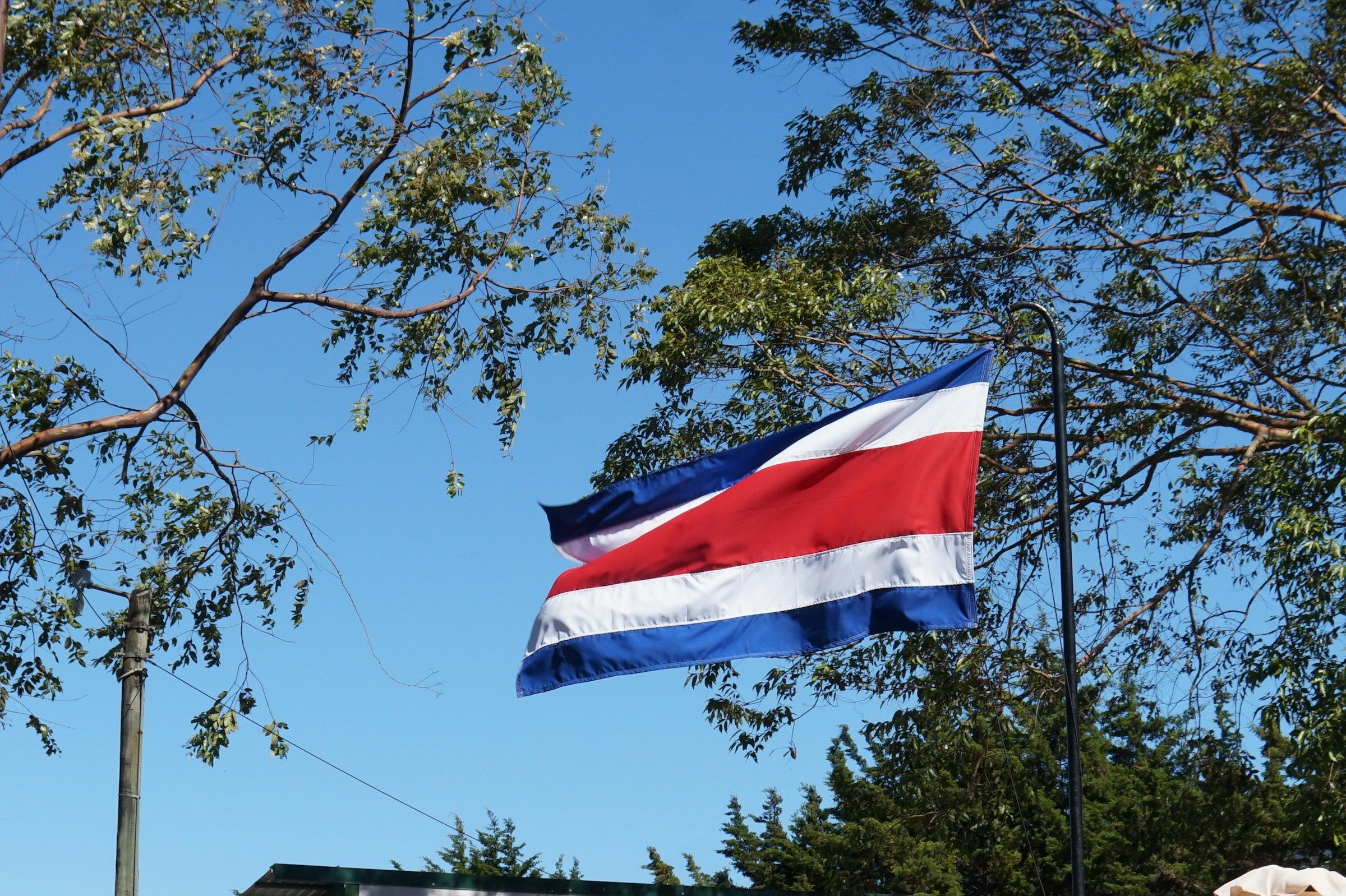
Happiness rankings travel fast on social media, usually as a tidy list of flags. The method behind them gets less attention. It matters, because the number measures how people rate their own lives. It doesn’t measure how a place feels to a visitor.
The countries below come from the World Happiness Report 2026. It ranks 147 countries on a 0 to 10 life evaluation ladder[1], and the underlying data is a three year average of Gallup World Poll answers from 2023 to 2025[1]. Five countries sit at the cheerful end of that scale, and ten sit near the bottom.
Finland

Finland is the world’s happiest country for the ninth year in a row, with a life evaluation score of 7.764 out of 10.[2] It has topped the report every year since 2018.[1] This year the gap was clear: Finland sits alone in first, ahead of a group of three made up of Iceland, Denmark and Costa Rica, whose confidence intervals overlap.[3]
One thing Finns themselves point to is the outdoors. The Finnish Happiness Institute asked people living in Finland what makes them happy, and access to nature came up again and again.[4] It’s a modest answer, and probably a more useful one than any index.
Iceland

Iceland takes second place with a score of roughly 7.5. It edges past Denmark by just 0.001 points on the life evaluation scale.[2] That’s a margin no one could feel in daily life.
Iceland is part of a strong regional pattern. The rest of the Nordic bloc, meaning Iceland, Denmark, Sweden and Norway, all sit inside the top six.[1] The tiny gap between Iceland and its neighbours is a reminder that the order within a tight group says little on its own.
Denmark
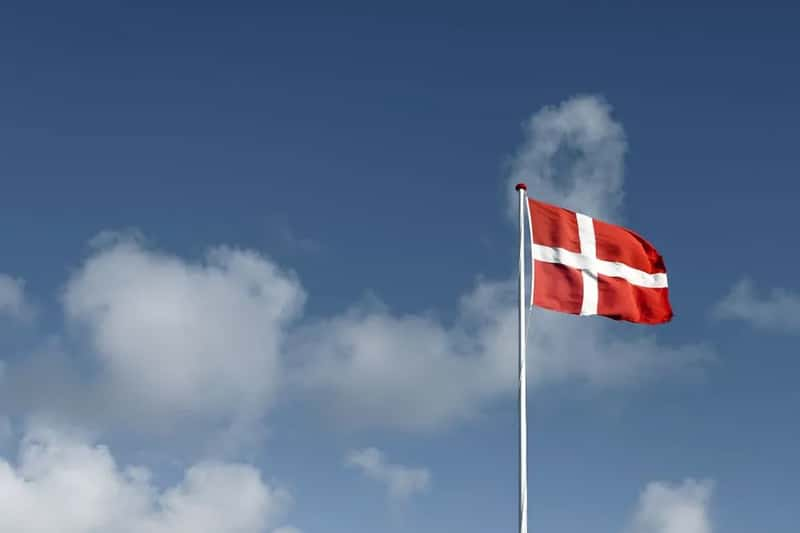
Denmark ranks third, also with a score of roughly 7.5. Quartz points to its welfare state, and notes that Denmark has been near the top for as long as the report has existed.[2] It’s a long, steady run, not a one year spike.
The report doesn’t treat happiness as a mystery. It explains scores with six factors: income per person, social support, healthy life expectancy, freedom to make life choices, generosity, and perceptions of corruption.[1] Denmark does well across most of that list, which helps explain its consistency.
Costa Rica
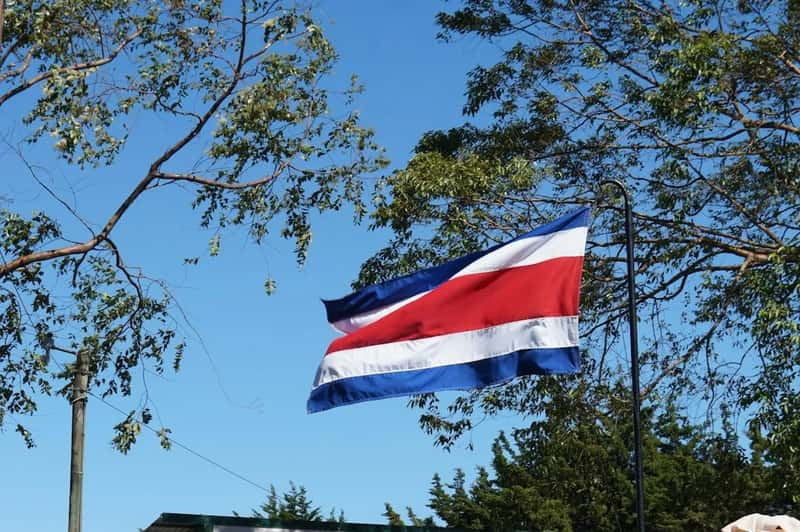
Costa Rica is the biggest story of the 2026 list. It climbed from 23rd in 2023 to fourth in 2026, its highest ever ranking.[5] That also marks the highest ranking ever for a Latin American country.[6]
The score is about 7.4. That’s above Sweden’s, and it makes Costa Rica the first country outside Europe or Oceania to break into the top five.[1] Mexico, at 12th, is another Latin American name in the top 20.[1]
Sweden
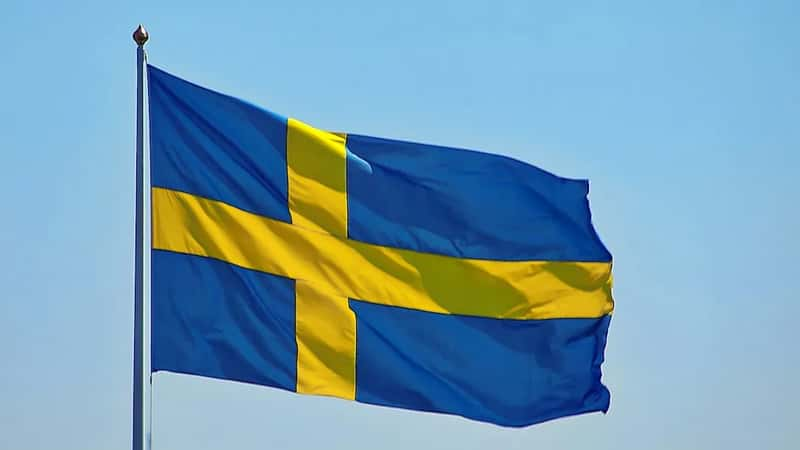
Sweden rounds out the five at fifth place, with a score of roughly 7.25. Norway completes the top six, and the Netherlands, Israel, Luxembourg and Switzerland follow to make up the top ten.[6] The cluster of European names at the top is hard to miss.
English speaking countries are largely absent from that group. The 2026 list again had none in the top ten.[5] The United Kingdom lands at 29th and the United States at 23rd, and both barely make the top 30.[7]
Afghanistan

Afghanistan sits at the very bottom. It ranks 147th out of 147 countries, with a score of about 1.45 on the 0 to 10 scale.[8] Since 2013 it has fallen by nearly 2.7 points.[8]
The picture is especially stark for women. Afghan women recorded the lowest average life satisfaction anywhere, at about 1.26 out of 10.[8] No country other than Afghanistan scored below three points.[8]
Sierra Leone
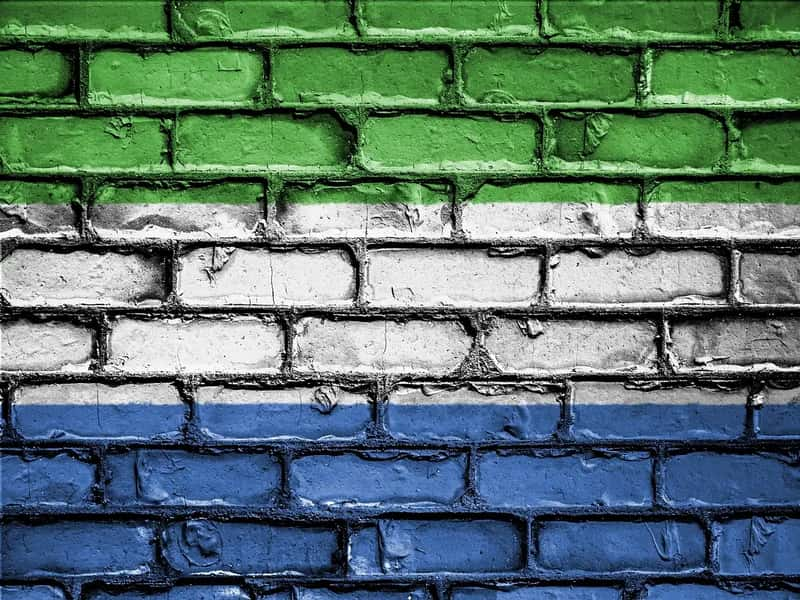
Sierra Leone ranks 146th, with a score of about 3.25. That makes it Africa’s least happy country in the 2026 report.[9] Globally it is the second least happy.
The distance from Afghanistan is large. The gap between Afghanistan and Sierra Leone is bigger than the gap between Sierra Leone and Cyprus, which sits at 62nd.[1] In other words, Sierra Leone’s low score is real, but Afghanistan’s is in a category of its own.
Malawi

Malawi comes in at 145th with a score of about 3.28. It follows Sierra Leone as the second least happy country in Africa.[9] The two sit very close together on the scale.
The report’s pattern at the bottom is fairly consistent. The least happy countries are mostly places affected by war, poverty, insecurity, weak institutions and long term economic stress.[10] Malawi’s ranking fits the poverty and economic strain end of that description.
Zimbabwe
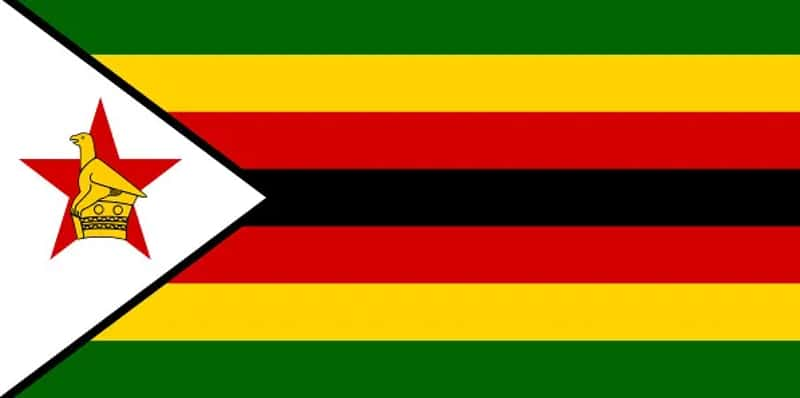
Zimbabwe ranks 144th, with a score of about 3.35. It is listed third among Africa’s least happy countries, behind Sierra Leone and Malawi.[9] Its position in the bottom five holds steady across several roundups of the data.
Scores at this end of the table are tightly bunched. Sierra Leone, Malawi, Zimbabwe and Botswana all fall between roughly 3.25 and 3.46.[10] That spread is only about two tenths of a point across four countries.
Botswana
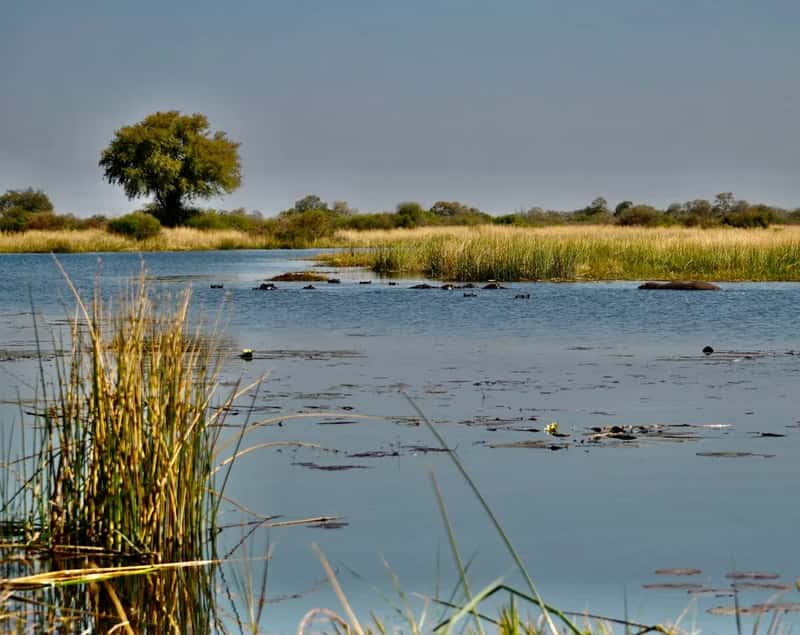
Botswana is 143rd, with a score of about 3.46. It rounds out the list of the five unhappiest countries, alongside Malawi and Zimbabwe.[11] Its place in that group may surprise some readers.
The ranking comes with some uncertainty. The report’s confidence range for Botswana runs from 142nd to 145th.[12] Rank order near the bottom is less precise than a single number suggests.
Yemen
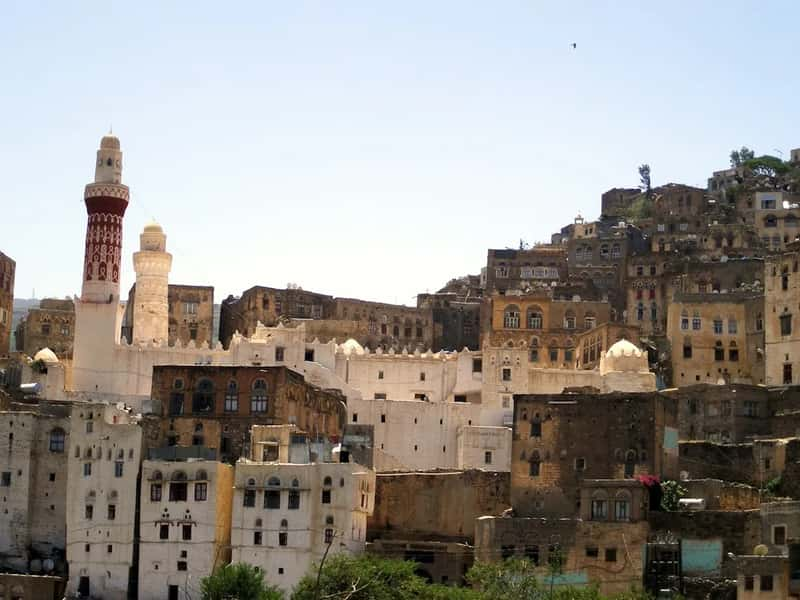
Yemen ranks 142nd with a score of about 3.53. Its confidence range runs from 140th to 145th.[12] That means the exact position could shift, but the general picture doesn’t.
One summary of the report ties the result to the country’s circumstances. It lists civil war, famine and a humanitarian crisis as key challenges.[13] Few of the factors the report measures, such as safety, health and income, are working in Yemen’s favour.
Lebanon
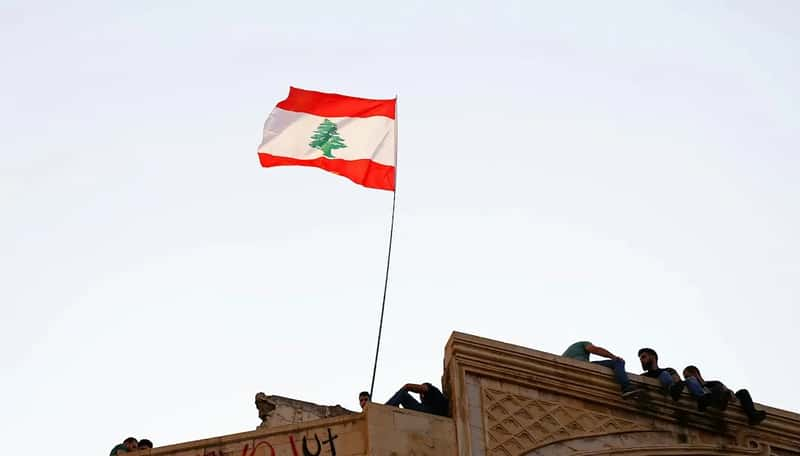
Lebanon places 141st with a score of about 3.72. In the 2023 report, Lebanon and Afghanistan were the two least happy countries.[14] So the country has moved off the very bottom since then.
Its standing is still low by global standards. The confidence range for Lebanon runs from 136th to 142nd.[12] A modest climb, in other words, and not a dramatic recovery.
DR Congo
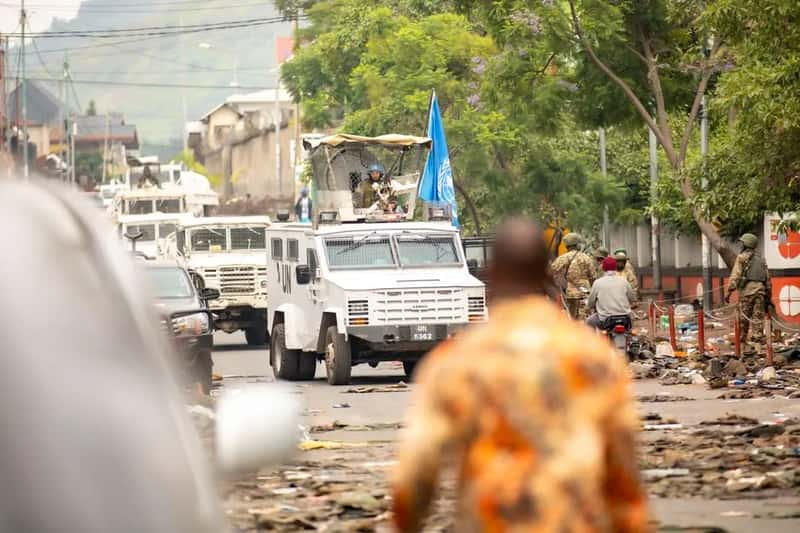
The Democratic Republic of the Congo ranks 140th, with a score of about 3.76. Its confidence range runs from 136th to 142nd.[12] That overlaps heavily with Lebanon’s range just above it.
One summary of the 2026 report links the country’s low placement to armed conflict, poverty and displacement. It describes weak social support and insecurity as part of the picture.[13] Those are exactly the conditions the report says drag life evaluations down.
Egypt

Egypt lands at 139th with a score of about 3.86. Its confidence range runs from 134th to 141st.[12] It sits just below Tanzania in the table.
Egypt is one of the most visited countries on this list, so the result may seem odd at first. A summary of the report points to different pressures: economic strain, unemployment and inflation.[13] That’s a reminder that a place can be a popular destination and still score low on how residents rate their own lives.
Tanzania
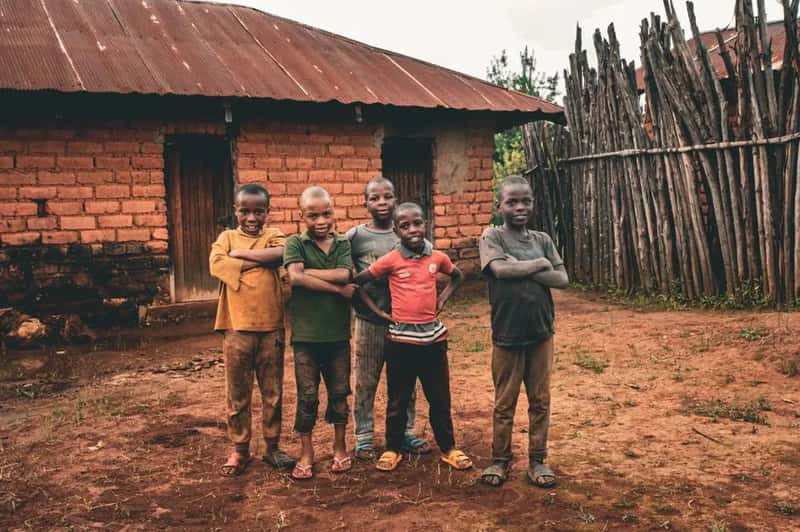
Tanzania ranks 138th, with a score of about 3.9. That makes it the highest ranked of the ten gloomier entries here. Its confidence range runs from 133rd to 141st.[12]
A summary of the report cites poverty, low industrialisation and limited services as the main pressures. It also notes low income per person as a factor.[13] Tanzania’s score is only a hair above Egypt’s, with both countries landing in the same band of the table.