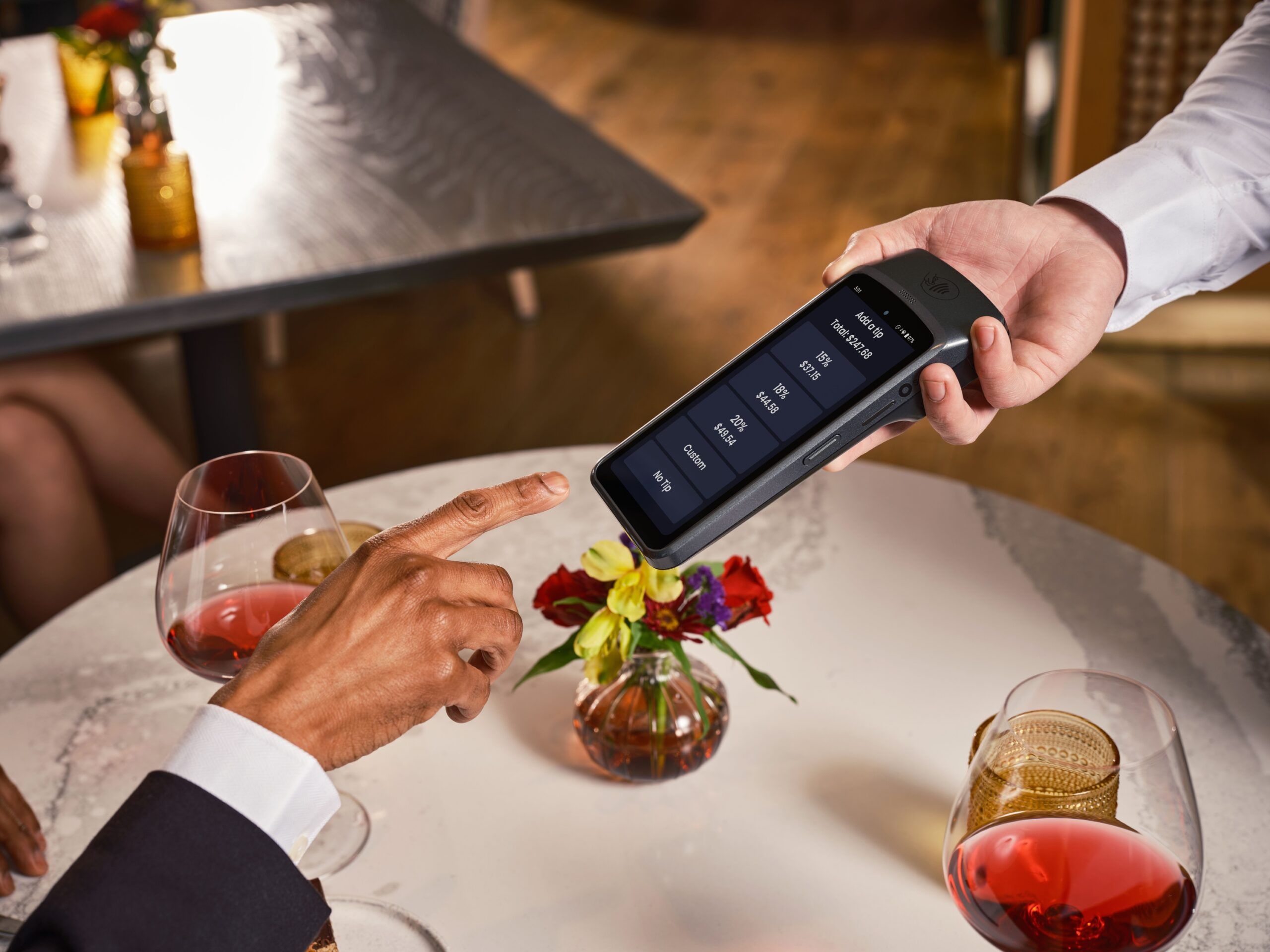
A muffin sitting behind a glass case at a self-service counter should not really come with a tip prompt, yet that is exactly the kind of moment travelers are running into more often these days. Gratuity has always been a strange, unwritten social contract, different from one border to the next, but the last few years have pushed those differences into sharper focus. Digital payment screens, inflation, and shifting labor expectations have all nudged old habits in new directions, sometimes gently and sometimes in ways that leave both locals and visitors a little confused about what is actually expected.
United States: tipping fatigue meets tipflation

The United States remains the country where gratuity carries the most weight and the most controversy. At least 63% of US residents have a negative view of tipping, according to a 2025 survey by Bankrate, with 41% saying it’s gotten out of control.[1] That frustration has a name now. Recently, tipping culture shifted into higher gear, a phenomenon some have dubbed ‘tipflation,’ where if 15% to 20% was the norm before, 30% became standard in some places.[1]
Part of the irritation comes from where the requests now appear. The widespread adoption of digital point of sales machines exacerbated the issue, since these systems ask customers to pick a set tip before allowing payment, and while you can decline or change the amount at the touch of a button, it can be awkward to do so under the eye of the person serving you.[1] Even so, as it turns out, 63 percent of Americans hold at least one negative view about tipping, up from 59 percent last year, yet the percentage of Americans who always tip has stabilized compared to recent years of decline.[2] Tipping in America, in other words, is unpopular but not going anywhere soon.
Canada: following its neighbor’s lead, at a slightly lower volume

There are small but meaningful differences in how the expectation plays out day to day. Tipping culture is very similar to the US, though slightly less aggressive, with service workers earning slightly higher base wages in most provinces, and tax not included in menu prices, so tipping applies to the pre-tax amount, with 15% standard and 18-20% for great service.[4] Canadians also increasingly report the same discomfort with tip screens creeping into counter service, a trend that has followed the same digital rails as its southern neighbor.
Mexico: tips that genuinely matter to workers’ income

Mexico occupies a middle ground between the mandatory feel of American tipping and the more relaxed norms found elsewhere. Tipping, known locally as propina, is appreciated and expected in tourist areas, and because wages are lower, tips make a meaningful difference for workers.[4] This is not a culture where a tip is symbolic. It functions as a real supplement to take-home pay, particularly in resort towns and along the tourist corridors that see heavy seasonal traffic.
Currency matters more here than in most places. Travelers are advised to always tip in Mexican pesos when possible, since workers lose money on currency exchange.[4] Cash also tends to be the preferred method over card payments, since in Turkey, Mexico, Thailand, Vietnam, and much of Latin America, cash tips are strongly preferred, as card tips at restaurants often don’t reach the actual server.[3] That single detail has kept Mexico’s tipping culture more traditional even as digital payments spread elsewhere.
United Kingdom: a patchwork of discretionary and compulsory charges
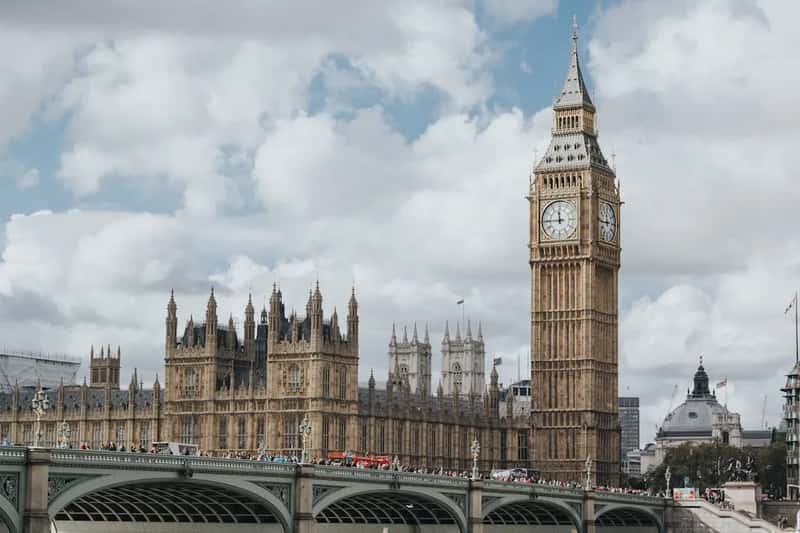
British tipping etiquette hinges on a distinction that trips up a lot of visitors: the difference between a charge you can refuse and one you effectively cannot. In the UK, there’s a difference between a compulsory service charge and a discretionary service charge, and while you’re always entitled to refuse a discretionary charge, refusing a compulsory one usually requires proving you received very poor service.[5] This nuance did not exist in such a formalized way a decade ago, and it now shapes almost every restaurant bill in the country.
Newer tools are also changing who actually receives the money. The UK’s TiPJAR system and similar platforms let customers tip directly to staff via a QR scan on the table, ensuring the tip reaches the worker, and these options are showing up especially in London and other major cities.[3] Meanwhile, the general guidance is to check for a discretionary service charge of around 10 to 12.5% before adding anything further.[3] British tipping, in short, has become more structured without becoming as automatic as the American model.
France: gratuity written into the law, not into the mood
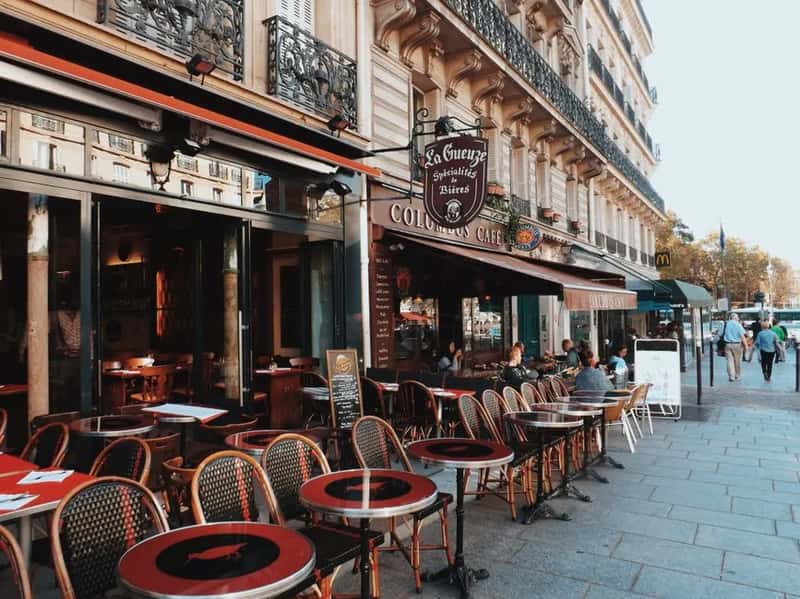
France offers one of the clearest legal frameworks for tipping anywhere in the world. Tipping in France is not mandatory but is appreciated for exceptional service, as a 15% service charge known as service compris is already included by law in restaurant bills, and French service workers receive standard living wages, making gratuities a gesture of appreciation rather than an obligation.[6] That legal backbone means the anxiety many Americans feel at a restaurant table simply does not translate the same way in Paris or Lyon.
Still, tourism is quietly nudging old habits. In tourist-heavy areas like Paris, Cannes, or Nice, service providers have become more accustomed to receiving tips from international visitors, particularly Americans.[6] Outside those hotspots, though, the traditional approach holds firm, and a French diner leaving a few coins on the table after a meal is still read as a genuine compliment rather than an obligatory gesture.
Japan: a no-tipping culture that has barely budged

Few countries hold their ground on tipping as consistently as Japan. In 2025, despite increasing international tourism, the no-tipping custom remains firmly entrenched in Japanese society, and even in tourist-heavy areas, local establishments maintain traditional practices.[7] The philosophy behind this runs deeper than etiquette. The Japanese approach centers on the concept of omotenashi, wholehearted hospitality that anticipates guests’ needs without expectation of additional reward, since service excellence is considered part of one’s professional identity rather than something requiring extra incentive.[7]
Attempts to import Western tipping norms have not gained traction. A venture called the Tip Project tried to introduce American-style gratuity practices into Japanese hospitality but shut down within a couple of years, a sign of how little appetite there is for the change. Visitors who leave cash on the table often find it returned, since many travelers report stories of servers chasing after them to return forgotten money, reflecting a genuine cultural disconnect where the server assumes a mistake was made rather than an intentional tip.[7] Where a tip is warranted at high-end venues, it typically arrives already built into the bill, since many upscale restaurants and hotels incorporate a service charge, typically 10 to 15%, into the bill instead.[7]
China: a no-tip norm that tourism is slowly softening

China has traditionally shared Japan’s aversion to tipping, though the picture is shifting a bit faster there than in Japan. Just as in Japan, it is not customary to tip in China, and tipping is generally uncommon and can even be considered rude or embarrassing in some circumstances.[8] Locals in most cities still view an offered tip with more confusion than gratitude, and it is common for staff to wave off the extra money entirely.
That said, the international hospitality sector is beginning to carve out exceptions. Both South Korea and China generally follow Japan’s no-tip philosophy, particularly at local restaurants and in taxis, but international hotels in both countries are becoming more accepting of small gratuities due to the influence of international tourists.[9] In major tourist cities, tipping is not traditional in mainland China, especially among locals, though in cities like Beijing or Shanghai, tips might be quietly accepted in hotels or by guides, even if they are still not expected.[10] The shift is real but slow, driven almost entirely by exposure to foreign visitors rather than any change in domestic attitudes.
Australia: high wages keep gratuity optional
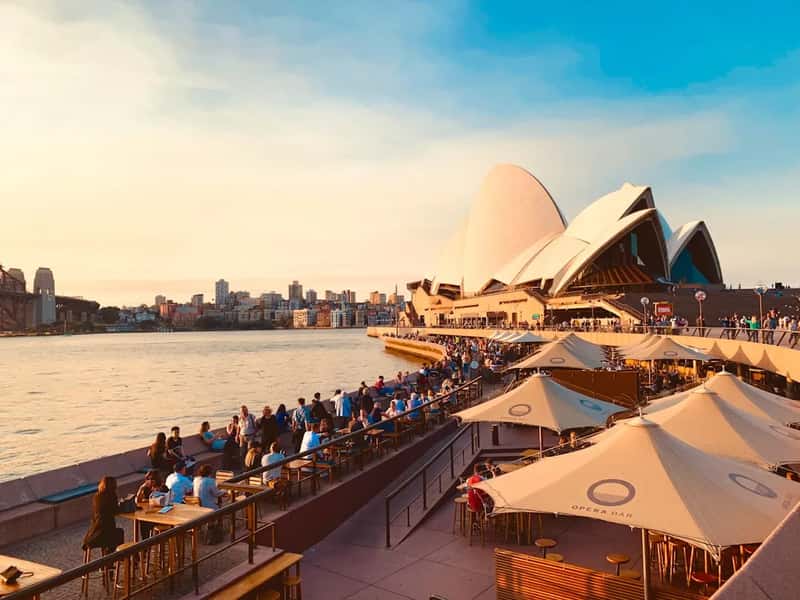
Australia sits at the opposite end of the spectrum from the United States, largely because of how its labor market is structured. Unlike tip-dependent service economies, Australian hospitality workers are covered by award wages that are reviewed regularly, which removes much of the financial pressure that drives American-style tipping. In Australia, there is no hard and fast rule about the amount you should tip in a restaurant, although tipping has become somewhat more commonplace than it used to be.[11]
That gradual shift is worth watching closely, because it mirrors a pattern showing up elsewhere. Digital tipping screens have spread globally, appearing in countries like the UK, Australia, and even parts of continental Europe where tipping was historically minimal.[3] Australians are not adopting American percentages by any means, but the presence of a tip prompt on a card machine is a new and mildly unwelcome development for a country that built its service industry around fair base pay rather than customer top-ups.
Final thoughts

What emerges from comparing these eight countries is not a single global trend but eight different responses to the same underlying pressure. Some places, like Japan and China, are holding onto no-tip norms rooted in decades of cultural practice. Others, like the United States and increasingly Canada, are watching a system many people already found stressful get stretched even further by digital prompts and rising cost pressures.
France’s legal service charge and Australia’s wage-based model both show that tipping does not have to be the default way to compensate service workers fairly. Mexico and the UK sit somewhere in between, blending genuine appreciation with real economic need. None of these systems are static, and the next few years will likely bring more of the same slow, technology-driven friction rather than any sudden global agreement on what a tip is actually for.