Spring is usually a season of forward motion on Mount Everest, with climbers steadily working their way up through a rotation of camps toward the world’s highest point. This year, though, the mountain simply refused to cooperate. Hundreds of climbers including sherpas gathered at Everest Base Camp, eager to summit the world’s most famous mountain as the annual spring climbing season kicked off, but a massive serac, or a block of glacial ice, hindered the route and kept alpinists in limbo as they waited for it to gradually collapse and clear the way.
What followed was one of the longest and most tense standoffs in recent Everest history, a stretch of weeks where money, ambition, and physical conditioning meant almost nothing against the slow, indifferent movement of ice. The blockage left 410 foreign climbers, along with their support teams, trapped at Base Camp.
A Season That Started With a Standstill
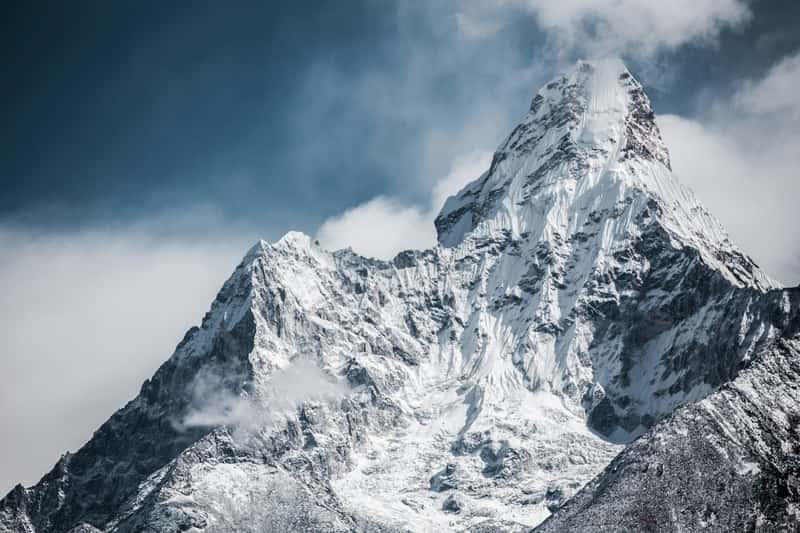
The 2026 Everest season did not begin the way anyone had planned. Climbers arrived at Base Camp, teams prepared gear, and hopeful summit dreams slowly took shape beneath the Himalayas, but this season started differently, with hundreds of climbers finding themselves waiting instead of moving upward. Rather than pushing through the Khumbu Icefall toward Camp I in the season’s opening days, expedition teams found themselves stuck at the staging ground, watching the calendar tick by.
The delay caught many by surprise, even seasoned operators who had budgeted for the usual uncertainties of a Himalayan expedition. Climbers in Nepal’s Mount Everest Base Camp grew antsy as they awaited the official start to the spring climbing season, but a critical delay in the Khumbu Icefall prevented anyone from venturing onto the peak, pushing the start of the season past its normal date. Guides who had run expeditions for years described a mounting unease as clients who had trained for months found themselves sitting idle at over 5,300 meters.
The Massive Serac Blocking the Khumbu Icefall
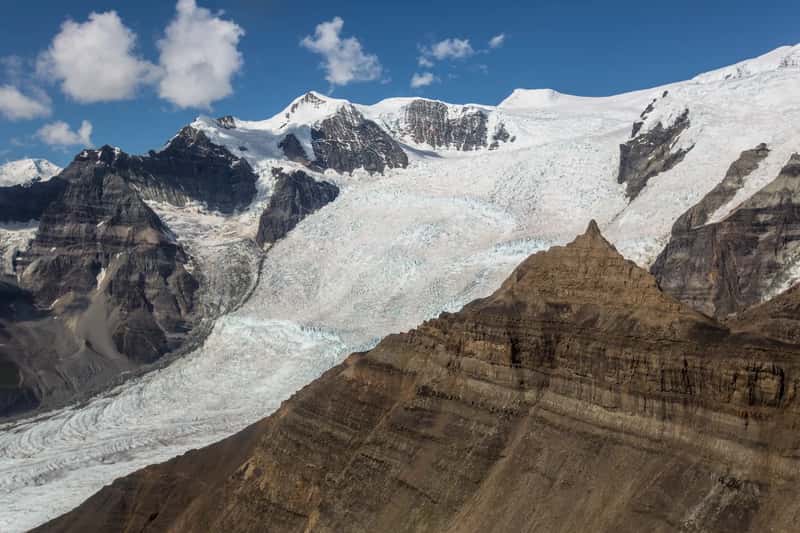
At the heart of the crisis sat a single, enormous formation of ice. The serac halting all upward progress was a gigantic block of glacial ice, estimated by experts to be the size of a ten-story building, forming a treacherous part of the Khumbu Icefall, notoriously known as the most dangerous and technically demanding section of the southern ascent. Once the fixing teams got close enough to study it properly, the scale of the problem became obvious.
Later measurements, released once the route finally reopened, gave a clearer picture of what climbers had been waiting on for nearly three weeks. While some of the ice tower fell down, part of it remained, with the SPCC saying the tower measured 180 feet wide and 90 feet tall. That is a wall of ice roughly the height of a nine-story building sitting directly over the path climbers would need to walk beneath, which explains why nobody wanted to rush a decision.
Who Are the Icefall Doctors

Every spring, before a single client sets foot above Base Camp, a small and highly specialized crew does the dangerous work of making the icefall passable. The Icefall Doctors are a specialty team of Nepali workers and guides who, each year, build the route through the Khumbu Icefall, most of whom belong to the Sherpa indigenous ethnic group, and who are employed by the Sagarmatha Pollution Control Committee, a non-government organization that oversees waste control on Everest. Their job normally involves stringing fixed ropes, anchoring ladders across crevasses, and identifying the safest possible line through a glacier that never sits still.
This year, that routine broke down almost immediately once the crew reached the serac. Specialized high-altitude workers known as icefall doctors had been on site for weeks already, working to map the serac and its position in the notorious Khumbu Icefall, and while at the start of the season the doctors typically fix the route by setting up ropes, ladders and other equipment for climbers to use, this year they had not been able to do this because of the unstable serac. Drones, three-dimensional imaging, and old-fashioned patience all became part of the toolkit as the team tried to judge whether, and when, the ice tower would come down on its own.
Life at Base Camp During the Wait
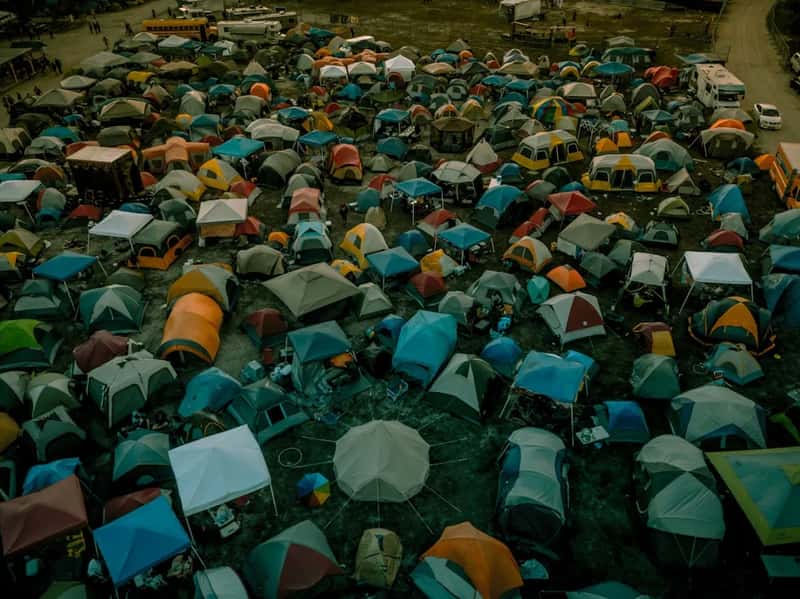
For the climbers themselves, the wait turned into an unusual kind of purgatory, somewhere between vacation and endurance test. The delay created an unusual atmosphere at Base Camp, where days that were supposed to involve acclimatization climbs and summit preparation suddenly became long periods of waiting and uncertainty, with some teams checking weather updates and reviewing route plans while others simply waited, hoping conditions would improve before the narrow summit window closed. Tents that were meant to be temporary stopovers became long-term homes, complete with makeshift routines to keep bodies and minds sharp.
Guides adapted as best they could, redirecting their clients toward nearby peaks to keep training momentum going rather than let weeks slip by unused. One guide said he was already adjusting his climbing timetable due to the setback, and rather than completing acclimatization hikes on Everest, he would take his clients up three nearby peaks, believing that ascending them would prepare his clients for the summit push if and when the route finally opened. It was a practical workaround, but it also underlined just how disruptive the delay had become to carefully sequenced training plans.
The Youngest Australian Hopeful Waiting It Out
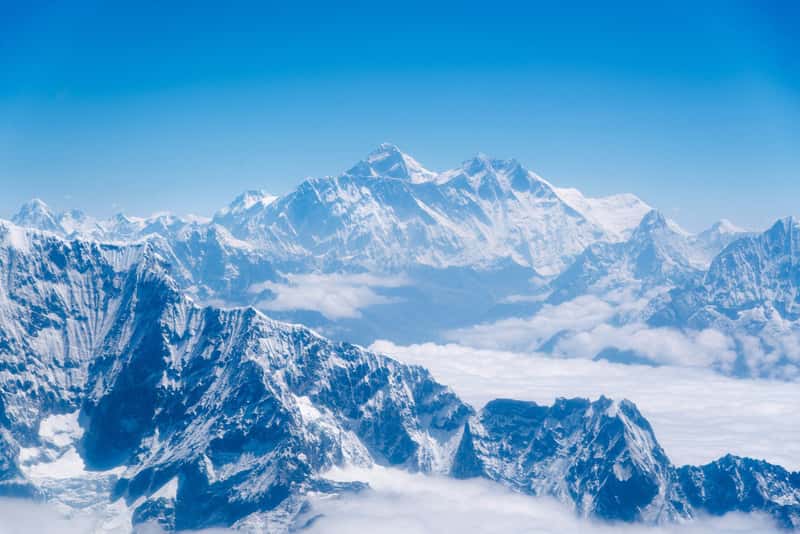
Among the hundreds stuck at Base Camp was a climber whose story captured particular attention. Bianca Adler, who is hoping to become the youngest Australian to summit Everest at just 18, reached Base Camp on April 20. Her arrival, timed right in the thick of the icefall standoff, meant her summit bid was immediately at the mercy of a hazard she had no control over.
Rather than sit idle, Adler and others filled the uncertain days with whatever productive training was available to them. In the meantime, she and other climbers filled their time by training, doing smaller hikes, climbing nearby ice towers and practicing walking over metal ladders used to cross deep crevasses. Her comments reflected the trust many climbers placed in the route-fixing crew despite the frustration of the delay: the icefall doctors had been working on the mountain for over 20 years and were really experienced in their job, which gave her confidence they were doing their best to make sure everyone had a safe climbing season.
A History of Danger in the Icefall
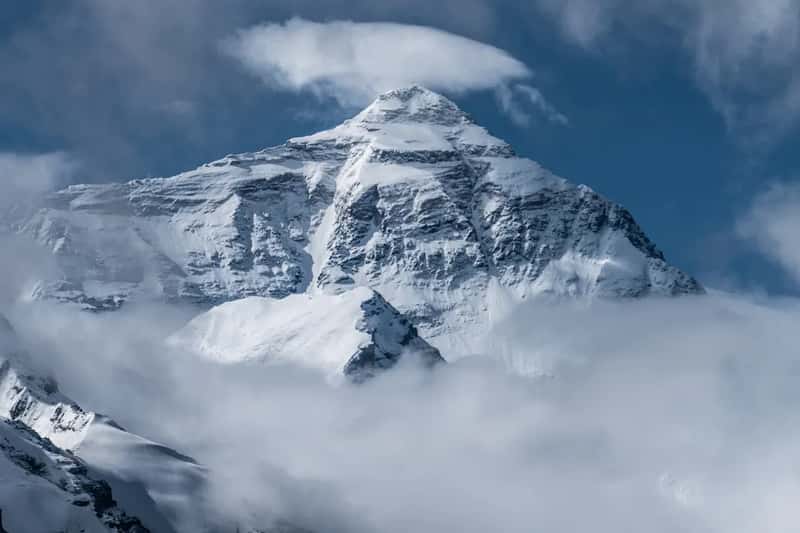
The caution shown this season was not paranoia. It was grounded in a track record of tragedy that every guide on the mountain knows by heart. In 2014, a serac collapse triggered an avalanche that killed 16 Nepali porters as they were hauling gear up the glacier, a disaster that remains the deadliest single event in Everest’s history and led to the cancellation of that season’s climb. That single afternoon reshaped how seriously operators and officials treat unstable ice in the icefall.
It was not an isolated warning either. Just a few years later, in the fall of 2019, mountaineer Garrett Madison abandoned an Everest expedition due to another serac causing unsafe conditions in the Khumbu Icefall. Guides who worked the icefall in years past also point out that the physical act of crossing it carries its own risks beyond falling ice, since it’s not as simple as just trekking across the chunk of ice, because when groups of people walk over the icefall, the vibrations of their movement could destabilize the serac.
Record Permits and Fears of Summit Traffic Jams
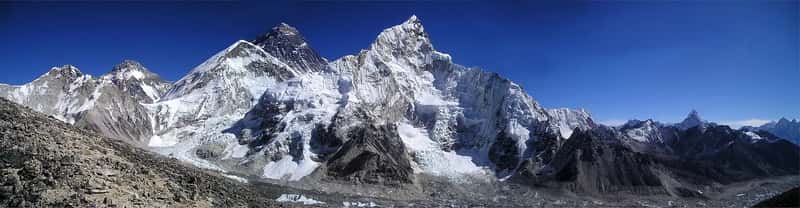
Part of what made this year’s delay so nerve-wracking was the sheer number of people waiting for the green light. Nepal had issued 492 permits for Everest this season, the most in history. With a compressed summit window and that many climbers stacked up at once, the math around congestion became impossible to ignore.
Guides and operators voiced the same worry from the very start of the delay. Jiban Ghimire, general manager for the guiding service Shangri La Nepal Treks, said a longer delay could result in traffic jams occurring in the Khumbu Icefall if and when the route was completed. Those fears echoed the crowded, single-file lines above the Lhotse Face that have made headlines in past seasons, moments when climbers waited for hours in the death zone simply for their turn to move.
The Route Finally Opens After Nineteen Days
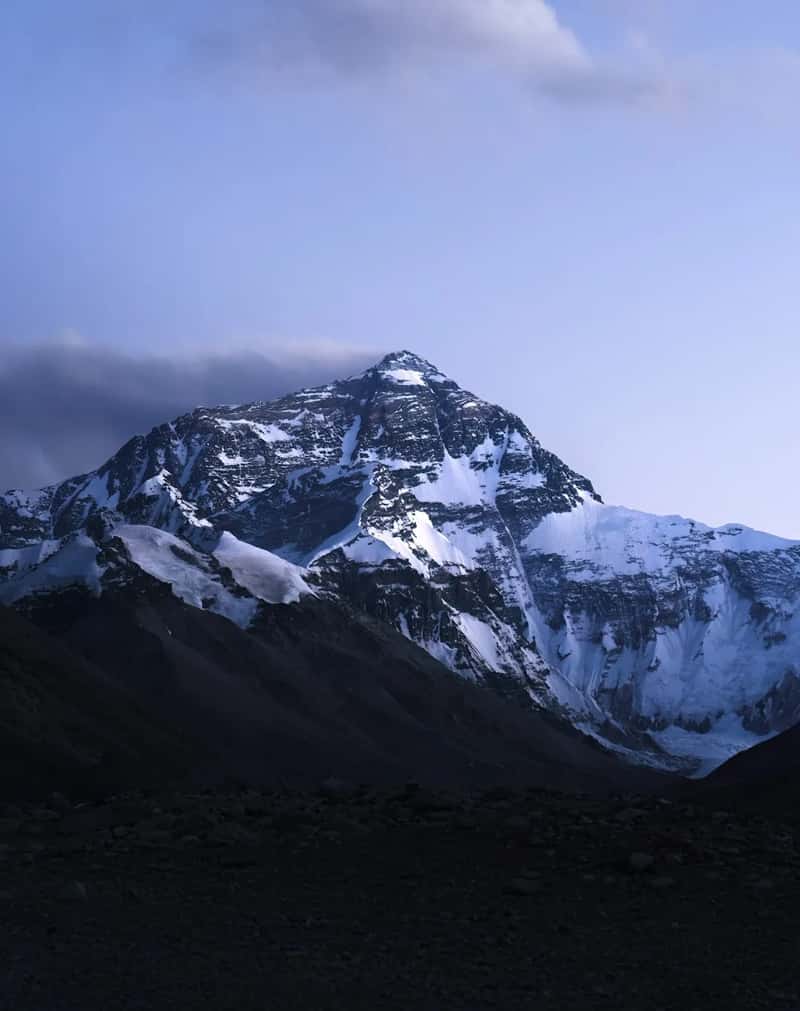
Relief eventually arrived, though it came with conditions attached rather than a clean resolution. After 19 days of delay in preparing the route to climb Everest, there was finally some relief for hundreds of climbers and guides who had been waiting anxiously at Base Camp, as the world’s highest peak had effectively remained blocked by millions of tonnes of towering ice before the Department of Tourism confirmed a major breakthrough. Route setters had pushed a track close to Camp II, and expedition companies began preparing their clients to finally start moving.
The opening, however, came with an uncomfortable admission from the people who know the icefall best. The SPCC said its Icefall Doctors had explored an alternative path through the center of the section but no safer option could be found, and given the circumstances and the limited time remaining before the climbing season, the team had no alternative but to open the route passing below the serac. Strict rules followed immediately, including instructions to move quickly through the section to minimize exposure time, limit loads carried by high-altitude guides, allow only one person on a ladder at a time, and clip safety harnesses on both sides of the rope when crossing ladders.
Climate Change and the Uncertain Future of the Icefall
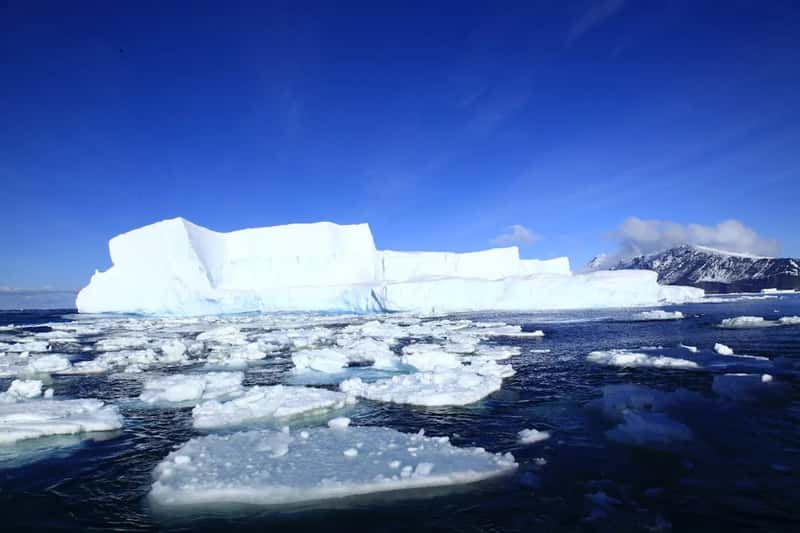
Beyond this single season’s drama, there’s a broader pattern that guides and scientists alike keep circling back to. The Icefall moves approximately one metre per day, but its overall character is changing season by season as higher average temperatures affect the stability of its ice towers and serac formations. That kind of shift doesn’t announce itself with a single dramatic event, it just makes every season a little less predictable than the last.
Veteran climbers who have spent years working the route put it plainly, describing the icefall as noticeably more volatile than it used to be. Veteran guides like Gelje Sherpa point to climate change as an escalating factor, noting that the icefall has become noticeably more dangerous and unstable due to global warming since he first began working as an icefall doctor years ago. Whether that trend means more delays like this year’s, or worse, remains an open question that nobody on the mountain seems eager to answer with certainty.
What happened at Everest Base Camp this spring wasn’t really about ambition or money, even though both were abundant among the hundreds who waited. It was a reminder that the world’s highest mountain still runs on its own clock, one that no permit fee, drone, or expedition budget can speed up. Climbers eventually got their chance to move, but only after nearly three weeks of watching, waiting, and trusting a handful of Sherpa route-fixers to read a glacier that answers to nobody.