
Florida has been sold as a retirement paradise for decades. The pitch practically writes itself: no state income tax, warm weather every single day, beaches within driving distance of almost everywhere you could possibly want to be. Millions of retirees have taken that promise seriously, packed their lives into moving trucks, and headed south with high hopes.
Then reality sets in. Slowly at first, then all at once.
The questions people are now asking ChatGPT about retiring in Florida reveal something surprising: a growing wave of second thoughts, sticker shock, and flat-out regret. So before you sign any paperwork, here is what the data and the lived experiences of real retirees are actually saying. Let’s dive in.
1. Housing Prices Exploded – and Fixed Incomes Didn’t Keep Up

Let’s be real: Florida was once genuinely affordable. That story ended some time ago. In just half a decade, the median price of a single-family home in Florida rose by roughly 60%. According to Redfin, the average cost of a home in March 2018 was approximately $250,000, and by July 2024, the median sale price had climbed to $409,700. That’s not a gentle rise. For retirees on a fixed income, that kind of jump is devastating.
Even if you already own your home outright, rising costs for maintenance, HOA fees, and utilities can slowly chip away at your fixed income. The dream of settling in a sunny coastal community can quickly turn into a financial squeeze you never budgeted for. Think of it like buying a boat: the purchase price is just the beginning of the pain.
2. The Homeowners Insurance Crisis Is Genuinely Shocking

Nothing in the Florida retirement brochure mentions what home insurance is going to do to your budget. Increasingly frequent extreme weather events and rising reconstruction costs have made Florida the most expensive state for homeowners insurance, with average annual premiums of $9,462. Compare that to the national average of roughly $2,543, and you start to feel genuinely sick. That gap is almost impossible to overstate.
Insurify projected Florida’s average annual home insurance premiums would rise another 9% in 2025, reaching a staggering average of $15,460 annually. On top of that, since 2022, over 20 insurance companies have stopped writing new policies in the state, leaving fewer options for consumers. Around seventy percent of Florida homeowners have experienced rising insurance costs or coverage changes, such as their insurer dropping them, according to a 2024 Redfin survey. You may simply end up stuck with whoever will take you.
3. Hurricane Season Is a Six-Month Stress Marathon
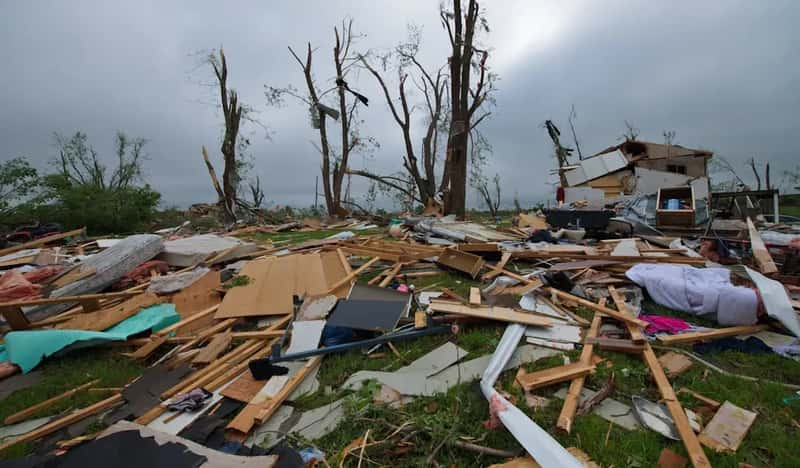
The National Centers for Environmental Information reported that the state was hit with 94 disaster events between 1980 and 2024. In September 2024, Hurricane Helene hammered Florida and the Southeast, killing more than 230 people, making it the deadliest hurricane to strike the U.S. since Hurricane Maria in 2017. Some estimates put the economic impact as high as $200 billion. Staggering numbers, and those are just the headlines.
Florida was hit by the two most destructive disasters of 2024, according to Munich RE. Hurricane Helene caused $56 billion in overall losses, and Hurricane Milton, which hit the state two weeks later, caused $38 billion in overall losses. The physical danger gets all the headlines, but the psychological cost is something nobody mentions in retirement brochures. Most Floridians have to keep a go-bag ready for last-minute evacuations and be prepared to leave behind what they can’t fit in their car. That is not what a peaceful retirement looks like.
4. The Healthcare System Is Ranked Among the Worst in the Country

You would think a state packed with retirees would have developed a world-class healthcare system to serve them. Honestly, the opposite is closer to the truth. A 2025 WalletHub study ranked Florida at number 42 in the entire country, firmly among the bottom ten worst healthcare systems nationwide. As of early 2026, Florida is ranked number 49 out of all states in overall healthcare access and affordability.
Long-term care in Florida, which Medicare tends not to cover, can reach anywhere from $63,000 to over $130,000 per year, depending on how much attention is required, according to 2024 data from Genworth. For a retiree on a fixed income, those numbers aren’t just alarming – they’re potentially ruinous. The quality and accessibility of care can vary significantly by region. While South Florida boasts a concentration of highly rated hospitals and specialists, more rural Florida cities may have limited facilities or longer wait times.
5. The Heat and Humidity Are Far More Punishing Than Anticipated

Everyone knows Florida is warm. What people consistently underestimate is just how relentless and physically draining that warmth becomes. Humidity makes it harder for sweat to evaporate to cool you off. When temperatures are well into the 90s and combined with high humidity, it will feel even hotter. Imagine living inside a hot, wet towel from June through September, and you’re starting to get the picture.
These conditions can overwhelm the body’s cooling system, leading to heat-related illnesses like heat exhaustion and heat stroke, especially for vulnerable populations such as the elderly and those with pre-existing health conditions. The risks to seniors were tragically demonstrated during Florida’s Hurricane Ian in 2022, when two-thirds of deaths were people age 65 and older. Notably, 2024 was recognized as the hottest year ever experienced, and experts predict more extreme heat records in the years ahead.
6. The “No Income Tax” Perk Is Only Half the Story

The zero-income-tax headline is the most powerful piece of marketing Florida retirement has ever produced. It’s real, and it’s genuinely nice. But here’s the thing: it does not tell the full story. Don’t confuse “no state income tax” with “no taxes at all.” State and local taxes in Florida can take a real bite out of retirement savings. The combined state and local sales tax averages 7.00% in Florida, according to the Tax Foundation – higher than the combined rates retirees from states like Michigan, Pennsylvania, Massachusetts, and New Jersey are accustomed to paying.
Grocery prices in Florida experienced a notable increase, with a 4.3% rise between March 2024 and March 2025. When everything around you is getting more expensive, that income tax break starts to feel like a single umbrella in a thunderstorm. Florida, unfortunately, is on the higher end of the savings-needed spectrum. After factoring in the annual cost of living minus Social Security income, retirees need a minimum of roughly $736,000 saved for twenty years of retirement in Florida.
7. HOA Fees Have Become a Hidden Financial Trap

Picture yourself finally relaxing in that beautiful gated community. Now picture a letter arriving every month with fees you never quite planned for. Many retirees face homeowners association fees, particularly in Florida’s numerous gated communities and retirement developments. HOA fees vary widely, but in 2025 they average between $400 to $600 per month in luxury or resort-style communities. That adds up to potentially $7,200 a year, before you spend a single dollar on fun.
In some buildings, maintenance fees for 2024 jumped by as much as 50% between special assessments and increased insurance costs. That is a serious monthly drain on a retirement budget that was never designed to absorb it. As of 2024, HOAs are now required to maintain more transparent financial reporting and uphold stricter rules around how reserve funds are managed, especially for condominiums. This can affect monthly fees and special assessments, making it even more important for retirees to review HOA budgets before buying.
8. Consumer Fraud Targets Retirees at Alarming Rates

This one catches people completely off guard. Florida’s “weird news” reputation is one thing. The fraud statistics are something else entirely. The Federal Trade Commission published data ranking Florida number one with respect to consumer fraud. A total of 474,314 reports were filed in the state in 2024, representing 2,163 reports per 100,000 people. The most common fraud categories were users and furnishers of credit bureau information, identity theft, and imposter scams. The top identity theft type was credit card fraud, accounting for roughly half of all identity theft reports.
Retirees, particularly those new to an area and unfamiliar with local scam patterns, are among the most vulnerable targets. The combination of visible wealth, age-related cognitive changes in some individuals, and social isolation makes Florida seniors a prime target for bad actors. It’s hard to say for sure just how much unreported fraud exists on top of those numbers, but experts suggest the actual scale is significantly higher than what gets formally recorded.
9. Traffic and Overcrowding Have Destroyed the “Peaceful” Dream

The Florida dream involves leisurely drives to quiet beaches on uncrowded roads. The Florida reality, for many retirees, looks nothing like that. In 2024, Tampa drivers lost 34 hours to congestion, costing the city $800 million. Miami fared worse, with drivers wasting 74 hours annually at a cost of $1,325 each, totaling $3.4 billion in lost productivity statewide. That is genuinely shocking – and that’s just two cities.
Florida’s rapid population growth has resulted in increased traffic congestion, overdevelopment, and a loss of the serene environment many retirees seek. The proliferation of strip malls and high-density housing has altered the state’s landscape. Florida is the third most populous state, with between 300,000 and 380,000 new residents arriving each year, and its aging infrastructure is scrambling to keep up. Florida is widely criticized among locals for its lack of public transportation, in part due to the state’s massive population of 23 million – the third-largest in the country – and the state’s sprawling size.
10. The Retirement Migration Trend Is Actually Reversing

Here is something that surprises nearly everyone. The great Florida retirement migration is not what it used to be. Data from the U.S. Census Bureau shows a steady decline in the number of 65-plus Americans moving to Florida since 2020, reflecting a growing awareness among retirees that conditions have changed. That is a remarkable reversal for a state that built its identity around welcoming retirees.
Some retirees are heading to states like Tennessee, North Carolina, or areas of the Midwest that offer a lower cost of living, more predictable weather, and less crowding. Georgia was the most popular destination for people leaving Florida, accounting for more than ten percent of outbound migration in 2024, with Texas coming in second at a similar share. Florida’s extreme popularity as a retirement hub is starting to work against its appeal as the number of pensioners skyrockets. The very thing that made it famous is now part of the problem.
Is Florida Still Worth It? Here’s the Honest Answer

Florida isn’t a bad place. It’s just no longer the effortless retirement bargain it once was. The math has changed dramatically, and the gap between the fantasy and the reality has never been wider. Insurance crises, soaring housing costs, healthcare rankings near the bottom of the national charts, relentless heat, and a consumer fraud environment that specifically preys on seniors – these aren’t minor inconveniences. They’re serious, budget-busting, health-affecting realities.
The retirees who thrive in Florida tend to be those who go in with eyes wide open, with substantial savings, strong family support nearby, and a clear-eyed understanding of what the state now costs. Those who struggle, overwhelmingly, are the ones who moved based on a brochure, a tax headline, or a week-long vacation that made it all look easy.
Florida can still be wonderful. But before you pack those boxes, ask yourself one honest question: are you choosing Florida, or are you choosing the idea of Florida? The answer to that question might change everything. What would you have guessed before reading this?