The laptop is open at 6 AM.
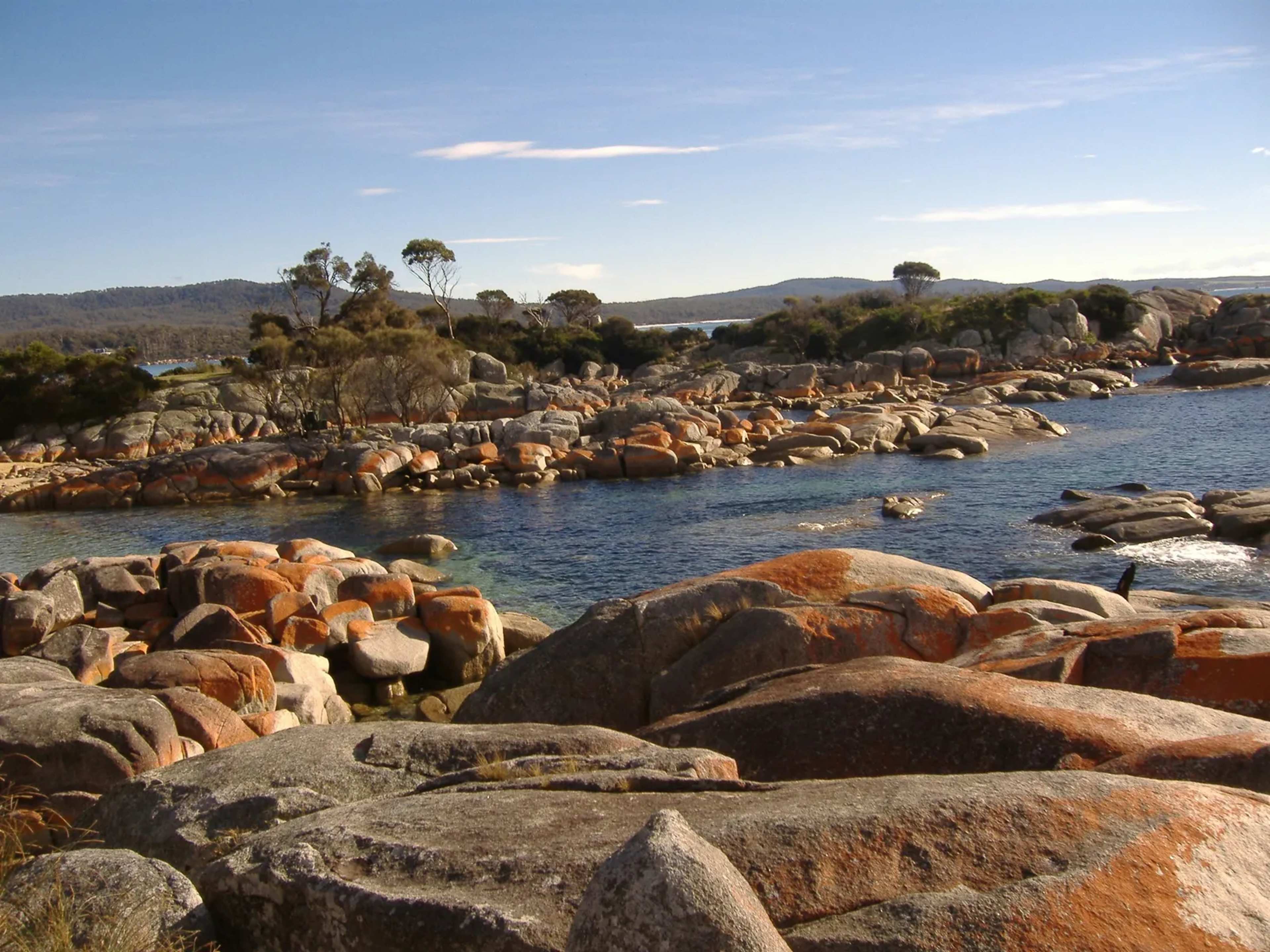
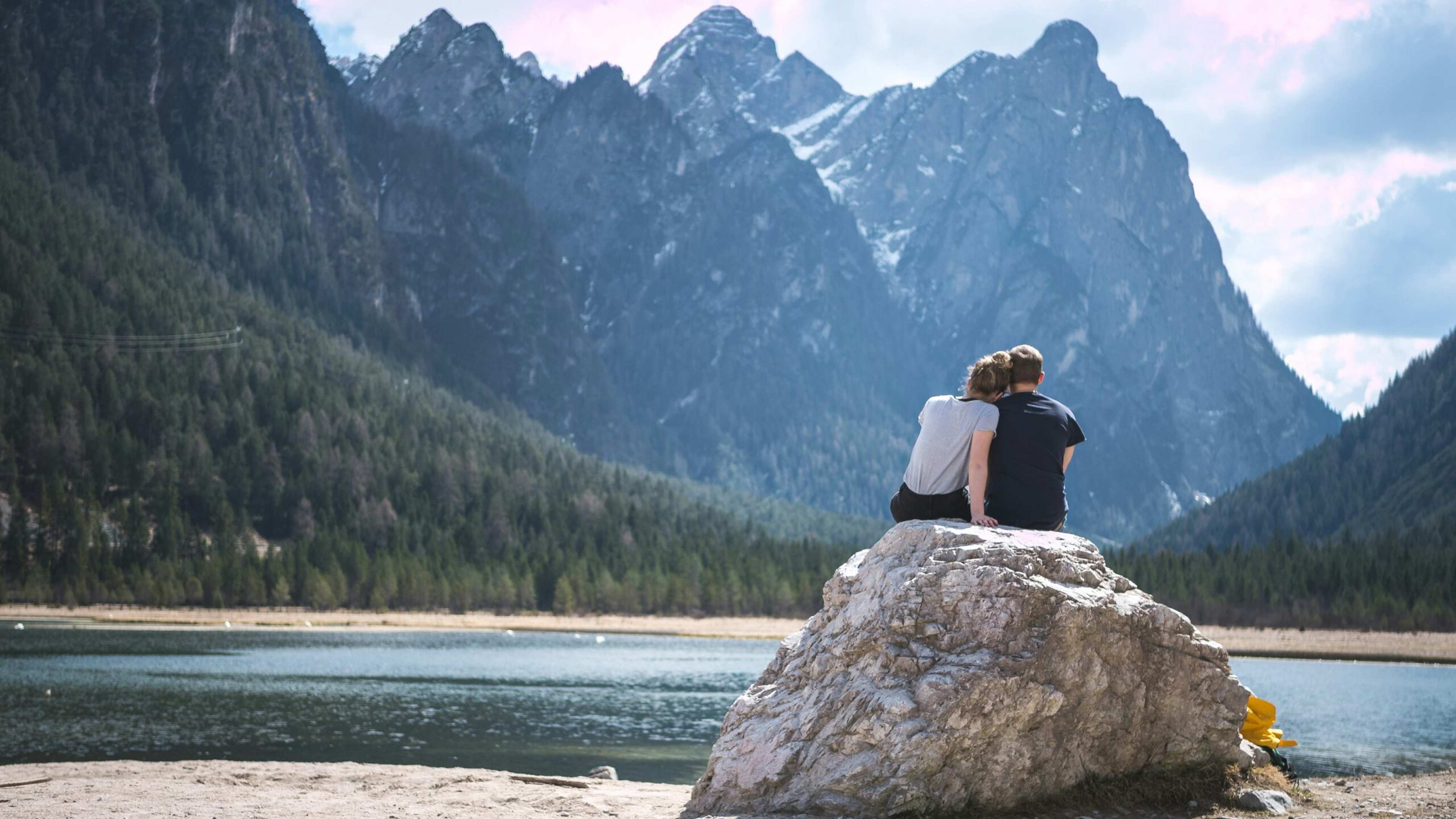
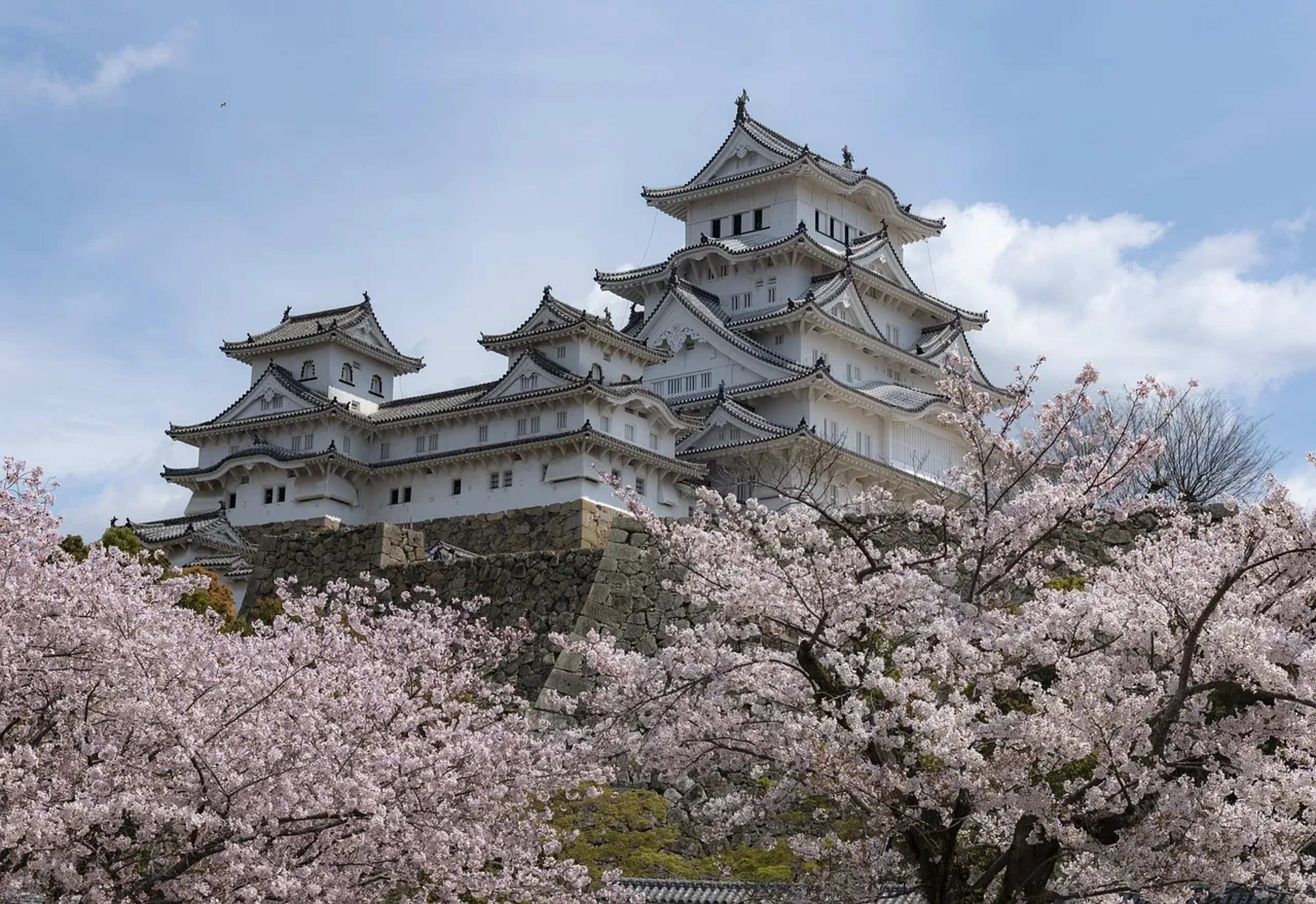
The view is a mountain, or a coast, or a city you don’t know the name of yet.
Your inbox is full.
So is your chest.
There is something quietly desperate about the work-from-retreat fantasy. Not in a tragic way. In an honest way. You aren’t broken. You are simply a person who has woken up inside someone else’s life – a life built for output, for invoices, for quarterly targets – and you are trying, with every booking confirmation and every one-way train ticket, to smuggle your real self back in. The bridge you are building when you choose a retreat model is not between your desk and a mountain view. It is between the version of you that learned to shrink – to be useful, to be measurable, to be available – and the version of you that has been waiting, patiently, for the noise to get quiet enough to be heard. That version knows things. It knows what you actually care about. It knows what kind of morning you want. It knows the precise feeling of a day that belonged to you.
1. The Permission Slip

Nobody tells you that you need permission to be happy while working.
But somewhere along the way, you absorbed that message anyway.
Initially popularized by freelancers and digital nomads, workations became mainstream once remote work normalized after COVID-19, giving people the chance to take a break from their usual routines without taking formal time off. That framing is telling. A break that isn’t a break. Leisure you have to earn by staying productive. The retreat becomes a loophole – a way to justify joy by tethering it to deliverables.
There is something psychologically loaded in that architecture.
You are not allowed to simply rest. You have to also be working. The happiness must be subsidized by productivity, or it doesn’t count. This is not wanderlust. This is guilt management with a better backdrop. And the retreat, in this context, becomes less about where you are going and more about what you are trying to prove – that you can want more than a desk and still be taken seriously.
The permission slip you’re looking for was never in the booking confirmation. It was always internal.
2. The Temporary Identity
There is a version of yourself that only exists in unfamiliar places.
Looser. More curious. Less defended.
When your routine, community, and even your physical surroundings are constantly shifting, it can be challenging to maintain a consistent sense of self. Psychologists frame this as a crisis. But for many retreat-seekers, it is actually the point. The instability of the temporary is where they feel most like themselves – because the usual architecture of obligation has been removed.
When you are somewhere new, nobody expects the familiar version of you.
The barista in Lisbon doesn’t know you’re the person who answers emails at 11 PM. The woman at the market in Oaxaca doesn’t know you haven’t taken a real vacation in three years. You are, for a few weeks, undefined. And in that undefinition, something breathes.
The danger is mistaking the temporary for the solution. Novelty is not identity. A new city is not a new self. But what these brief ruptures reveal – the curiosity, the ease, the capacity for stillness – that is real. That part belongs to you. It isn’t the mountain that makes you feel alive. It is the absence, for once, of the person you were trained to be.
3. The Exit Strategy
The work-from-retreat is never just a trip.
It is a rehearsal.
Freedom without purpose feels empty – location independence without clear personal or professional goals can lead to aimless wandering and existential anxiety. But before that emptiness arrives, there is a window. A few days, maybe a few weeks, where everything feels possible. Where the spreadsheet and the sunset coexist without irony. You are testing a hypothesis: Can I be both? Can I keep the income and recover the self?
The answer is complicated. And that complication is worth sitting with.
Most people who choose a retreat model are not running away. They are running toward something they can’t yet name. They are exit-strategizing not from work, but from the narrowed version of themselves that work has slowly constructed. The retreat becomes a prototype. A draft. A first attempt at a life that hasn’t been fully designed yet. That is not escapism. That is architecture. And architecture always starts with a sketch.
4. The Noise You’re Carrying
You don’t leave the noise behind when you board the flight.
It has a carry-on bag. It knows your seat number.
The widespread shift to remote and hybrid work has brought unprecedented flexibility – but it also blurs boundaries between work and personal life. Without a clear end to the workday, many employees now feel obliged to remain “always on,” checking emails and chat messages around the clock. The retreat does not automatically solve this. Change the scenery. The noise stays.
“Technology has really eroded our boundaries – that was true prepandemic and that’s really gotten true since the pandemic,” says Jason Wang, PhD, a therapist specializing in career issues.
The retreat can become a more scenic version of the same trap. You are still tethered. Still reachable. Still performing availability to prove your worth. The only difference is the Wi-Fi password. The real work of the retreat – the interior work – is learning where you end and the job begins. That boundary was always yours to draw. The mountain just makes the drawing more urgent.
5. The Mirror in the Middle
I need to stop here and tell you something.
I have sat in that chair. The one with the view. Laptop open. Coffee going cold. A city below that didn’t know my name or my deadlines. And in that specific silence, I understood for the first time that I had been outsourcing my identity to my output for years. That my sense of self had become entirely contingent on what I produced. Not who I was. What I delivered.
The retreat didn’t fix that. But it named it.
The freedom to work from anywhere comes with psychological costs that traditional career advice doesn’t prepare you for. Constant movement, lack of routine, decision fatigue, and profound isolation can create perfect conditions for anxiety and depression. I found all of those things. But I also found something the brochures don’t mention: the terrifying, clarifying experience of having no external identity to hide behind. When the office is gone, when the commute is gone, when the colleagues who affirm your professional persona are gone – what remains is just you. Raw and honest and overdue for a conversation with yourself.
That is the retreat’s real offering. Not the view. The reckoning.
6. The Curated Self
There is a performance layer to all of this that deserves naming.
The nomad community often celebrates productivity, adventure, and success, creating pressure to constantly achieve and document experiences rather than simply living them. The laptop-on-the-beach photograph is not documentation. It is a declaration. I am the kind of person who has figured it out. But the camera is always pointed away from the 2 AM anxieties, the missed calls with family, the slow realization that the freedom you fought for still comes with invisible chains.
When your life involves a constant stream of gorgeous places and bucket-list experiences, many people will assume you can’t possibly feel bad in such enviable circumstances. You might even feel guilty yourself – how dare you feel depressed when you’re living a lifestyle that so many people fantasize about?
The curated self is exhausting to maintain. Especially in unfamiliar places, where the performance has no audience except yourself. This is when the retreat becomes genuinely useful – not as content, but as confrontation. The most honest moment of any work-from-retreat experience is the one nobody photographs.
7. The Loneliness Nobody Mentions
The co-working space is full. You still feel alone.
The paradox of the nomadic life is that you can be surrounded by people yet experience profound feelings of loneliness. As mental health professionals know, the quantity of social interactions matters far less than their quality. When constantly changing locations, building the deep connections that sustain emotional health becomes one of the biggest challenges remote workers face.
Loneliness in a beautiful place has a particular texture. It is heavier than ordinary loneliness. It carries a side portion of shame. You are supposed to be grateful. You are supposed to be thriving. Instead, you are scrolling through your phone in a café that would look stunning on Instagram, feeling the specific ache of disconnection.
This is not failure. This is data.
It is telling you that what you were chasing was not the place – it was the connection. To others, yes. But more urgently, to yourself. The loneliness of the retreat is often the loneliness you brought with you, finally audible now that the noise of your regular life has been turned down. It deserves your attention, not your avoidance. The temptation is to book the next destination. The wisdom is to stay still long enough to hear what the loneliness is saying.
8. The Blurred Contract
You signed a contract with your career a long time ago.
The terms have been renegotiated, slowly, without your full consent.
In hybrid work settings, the separations between work and personal life have become blurred; stress levels have consequently risen; working hours have become elongated; and finding work-life balance has become a challenge. The retreat is, in part, an attempt to rewrite those terms unilaterally. To assert, by booking a ticket, that your time is yours again. That your hours are not infinitely available simply because your device is.
Teleworkers frequently work during free time and struggle to disconnect – a situation linked to higher stress, anxiety and burnout risk. Workers may do “soft” overtime, unpaid work beyond contracted hours, simply because digital devices keep them reachable at all hours.
The blurred contract is not just a scheduling problem. It is an identity problem. When your work is always with you, it becomes you. The retreat is an attempt to draw a line. To say: here is where I end. Here is where the job ends. That line is not geographical. It is psychological. You can draw it in your living room. But sometimes you need to go somewhere you’ve never been before to remember that the line was always yours to draw.
9. The Fear of Stillness
Here is the secret nobody says out loud at the retreat center.
The movement is sometimes a distraction from the stillness you actually need.
The blurred lines between work and life, combined with the pressure to constantly explore new places, can quickly lead to exhaustion. The desire to “make the most” of every new location often means sacrificing rest and self-care. The retreat can become another form of performance if you’re not careful. Another list of things to see, experience, optimize. Another version of the same frantic productivity, just with a better horizon.
The fear of stillness is real. And it is worth examining closely.
Because what most people who choose the retreat model are actually afraid of – underneath the wanderlust, underneath the burnout narrative – is the moment when they are completely quiet, with no deliverable and no destination, and they have to sit with the question: Who am I when nothing is required of me? That question is not comfortable. But it is the most important question the retreat can ask. The ones who answer it honestly rarely need to keep moving.
10. The Bridge You’re Actually Building
This is the heaviest truth of all.
The bridge was never between two locations.
Well-being in remote work depends on autonomy, meaningful communication, and perceived fairness. Sustainable well-being is supported through emotional connection, recovery opportunities, and clear role expectations. The retreat, when it works, provides all three – briefly, imperfectly, in a rented room with an unreliable shower. But the autonomy you feel in an unfamiliar city, the emotional connection you experience when you finally have space to call the people who matter, the recovery that comes from sleeping without an alarm – these are not luxuries. These are requirements. And they have been absent from your architecture for a long time.
According to a Gallup State of the Workplace report, 77% of employees say they feel disengaged at work and nearly 45% report experiencing burnout. Those numbers are not statistics. They are people. They are you, possibly. Standing at the intersection of a life that pays and a life that sustains, trying to figure out whether those two things can occupy the same address.
The retreat does not complete the bridge. Nothing does that in a single trip.
But it gives you the materials. The solitude to think. The distance to see the shape of your own life from the outside. The unsettling, clarifying gift of being nobody’s version of yourself for a few days – not your employer’s, not your LinkedIn profile’s, not the curated one you perform for the people who knew you before you got so busy.
What you do with those materials when you return – when the airport is loud again and the inbox is waiting and the familiar walls close back in – that is the real work. Not the work that pays. The work that lasts.
The view was never the point. You were.