
Every seasoned traveler has that one bag they’ve dragged through a dozen airports, patched with duct tape, and sworn “still works fine.” The truth is, luggage wears out in ways that aren’t always obvious until something breaks at baggage claim or, worse, mid-security-check. A quick inventory of what’s actually riding around in your suitcase can save you a headache on your next trip.
Some of these items are safety hazards, others are just dead weight, and a few might even get you flagged by TSA without you knowing why. Here’s what to look for before you zip up for your next flight.
1. Expired travel-size toiletries

That half-used bottle of sunscreen from three summers ago is probably doing more harm than good at this point. Sunscreen, in particular, loses its SPF effectiveness after the expiration date, and many sunscreens are required to remain effective for at least three years, according to FDA guidelines. Lotions and liquid cosmetics can also separate, change smell, or grow bacteria once opened and left in a hot suitcase for months.
Beyond the ick factor, expired liquids sometimes leak, ruining everything else packed nearby. If you can’t remember when you bought it, that’s usually a sign it’s time to replace it rather than repack it.
2. Old boarding passes and baggage tags
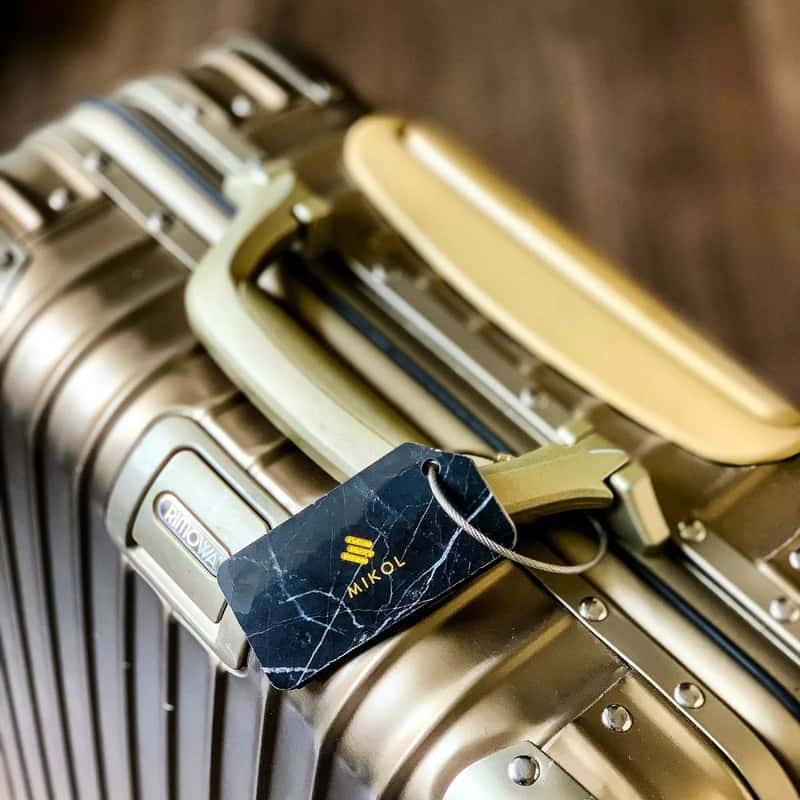
Paper boarding passes and luggage tags from previous trips tend to pile up in outer pockets and never get cleared out. These aren’t just clutter, they can actually cause confusion at check-in counters or self-service kiosks if an old tag gets scanned by mistake. Airlines have flagged this as a recurring source of mishandled bags, especially when multiple tags are still attached to the same suitcase handle.
Security experts also point out that boarding passes contain personal information, including your name and sometimes frequent flyer numbers, that shouldn’t be floating around in a bag that gets handled by dozens of people. A quick pocket check before every trip takes thirty seconds and prevents unnecessary mix-ups.
3. Duty-free liquids without proper documentation

Duty-free purchases are exempt from the standard 100-milliliter liquid rule only when they’re sealed in a tamper-evident bag with the receipt visible. If that bag has been opened, torn, or the receipt has gone missing, TSA and international security agents can confiscate the item on your next connecting flight. This catches a lot of travelers off guard, especially on itineraries with multiple layovers.
If you’ve got a bottle of liquor or perfume from a duty-free run sitting loose in a suitcase pocket without its original packaging, it’s essentially a liability. Either consolidate it properly with documentation intact or leave it out of the bag entirely.
4. Damaged or corroded batteries
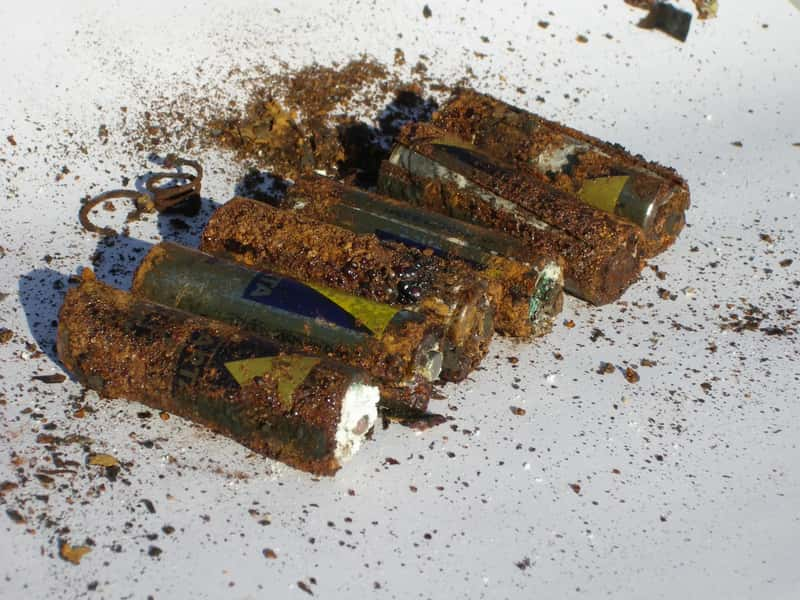
Loose batteries, especially lithium ones from old cameras, portable chargers, or travel gadgets, are one of the more serious risks hiding in suitcases. The FAA has documented that lithium battery incidents on aircraft have become increasingly common, with dozens of smoke, fire, or extreme heat events reported on flights each year. Corroded or swollen batteries are particularly dangerous because they’re more prone to thermal runaway.
If a battery looks puffy, has any white crust on the terminals, or came from a device you haven’t used in years, it doesn’t belong in checked or carry-on luggage. Dispose of it properly at a battery recycling point rather than risking it near your clothes and electronics.
5. Broken zipper pulls and locks

A zipper that sticks halfway or a lock that no longer clicks shut is more than an inconvenience, it’s an open invitation. Airlines and airport security note that damaged locks are a common reason for items disappearing from checked bags during handling. TSA-approved locks are designed to be opened by agents without force, but a lock that’s already broken defeats that purpose entirely.
If you’ve been meaning to replace a zipper pull with a paperclip or safety pin for the past few trips, that’s the suitcase telling you it’s done. A bag that won’t securely close is a bag that shouldn’t be checked.
6. Stained or moldy packing cubes
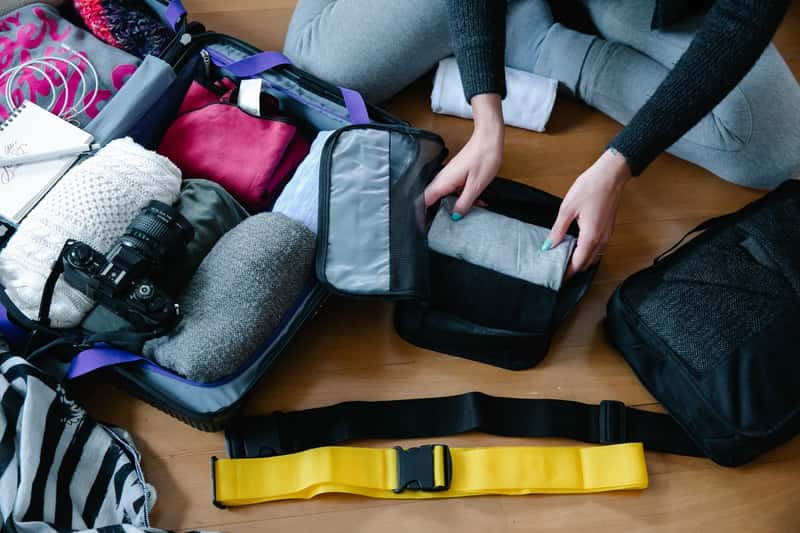
Packing cubes are great for organization, but fabric ones absorb spills, sweat, and humidity over repeated trips. Once mold or mildew sets in, especially the kind that develops in bags stored in humid climates or left slightly damp after a beach trip, no amount of washing fully removes the smell or spores. This is especially relevant for anyone who’s traveled through tropical destinations in the last year or two, where humidity accelerates the process.
If a packing cube smells musty even after airing out, it’s contaminating everything you pack next to it. Swap it out rather than trying to mask the odor with dryer sheets.
7. Novelty luggage tags with outdated contact info
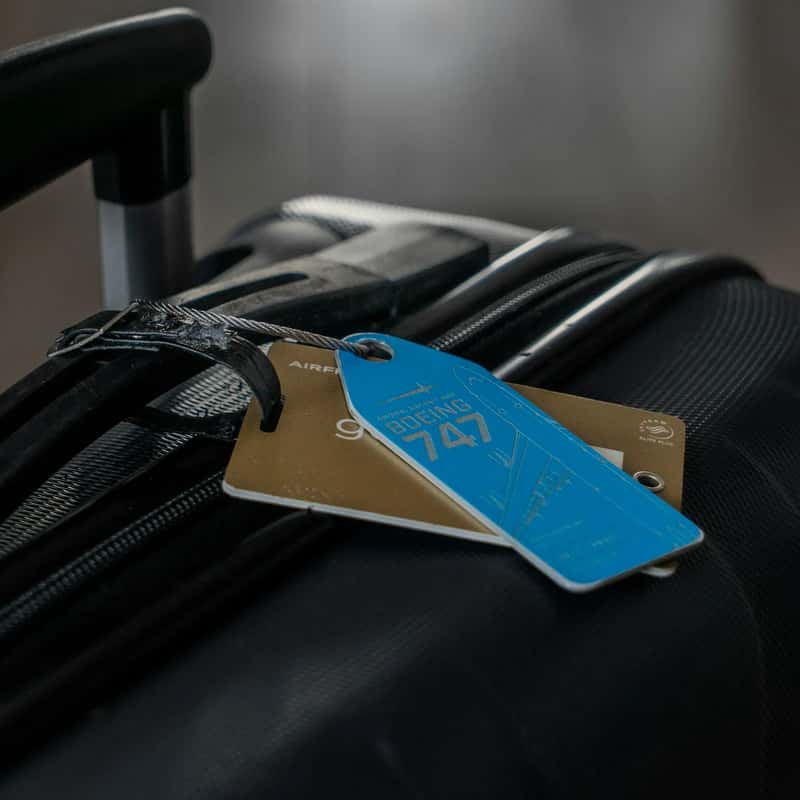
That cute leather tag with your old phone number or an address you moved out of two years ago isn’t just useless, it’s actively unhelpful if your bag gets lost. Airlines rely on accurate tag information as a first line of recovery before a bag ever enters a lost-and-found system. Outdated info means a lost suitcase takes longer to reunite with its owner, if it ever does.
It’s worth checking every tag on your bag, including any looped through side handles, and updating or replacing anything with information that’s no longer current. A fresh tag with a phone number and email that actually work is worth more than a decorative one that doesn’t.
8. Compression bags with failed seals

Vacuum compression bags are popular for maximizing suitcase space, but the seals degrade with repeated use and exposure to heat in cargo holds. Once a seal starts failing, the bag no longer compresses properly, and it can trap moisture against clothing instead of protecting it. This defeats the entire purpose of using one in the first place.
A compression bag that no longer holds a vacuum after multiple attempts is just extra plastic taking up room. If you’re rolling clothes instead because the bag won’t seal anymore, it’s time to toss it and buy a replacement rather than keep troubleshooting.
9. Old prescription medications

Loose pills in unmarked containers or expired prescriptions are a common find at the bottom of well-traveled suitcases. Beyond losing potency over time, carrying medication without its original labeled packaging can create real problems when crossing international borders. Several countries have strict rules requiring medications to be in original packaging with a matching prescription, and unmarked pills can raise questions at customs.
It’s worth going through any medical kit stashed in a suitcase pocket and checking expiration dates alongside packaging. Anything unidentifiable or past its date should be disposed of properly, not carried along out of habit.
10. Frayed charging cables and adapters

A charging cable with exposed wiring or a fraying connector isn’t just annoying when it stops working mid-charge, it’s a minor fire risk, particularly when bundled tightly with other electronics in a packed bag. Universal travel adapters that have been dropped repeatedly can also develop loose prongs, which increases the chance of a poor connection sparking when plugged into unfamiliar outlets abroad. These are cheap to replace, which makes holding onto a damaged one even less justifiable.
If a cable has visible wear near the connector or an adapter’s prongs wiggle more than they should, it’s not worth the space it takes up. Travel-specific cables and adapters are inexpensive enough that swapping them out before a trip is a small cost for peace of mind.
11. Snacks packed months ago and forgotten

Granola bars, crackers, or dried fruit tucked into a suitcase pocket “just in case” have a way of getting forgotten entirely until the next trip, when they’re pulled out well past any reasonable shelf life. Packaged snacks can also attract pests if a bag sits in storage for extended periods between trips, which is a bigger problem than most travelers realize until it happens. Airport security in several countries has also flagged food items during customs checks, particularly on international routes with agricultural restrictions.
Beyond the food safety issue, stale snacks take up space that could go toward something actually useful for the trip ahead. A quick pocket check before packing catches these before they become a surprise later.
Going through a suitcase item by item might feel tedious, but it takes far less time than dealing with a security delay, a lost bag, or a ruined outfit from a leaking bottle. Most of what ends up forgotten in luggage isn’t there on purpose, it just accumulates trip after trip until nobody remembers what’s actually inside anymore. A five-minute check before the next departure is usually all it takes to catch these eleven culprits before they cause a problem.